Artwork
Portraits of Surinamese girls
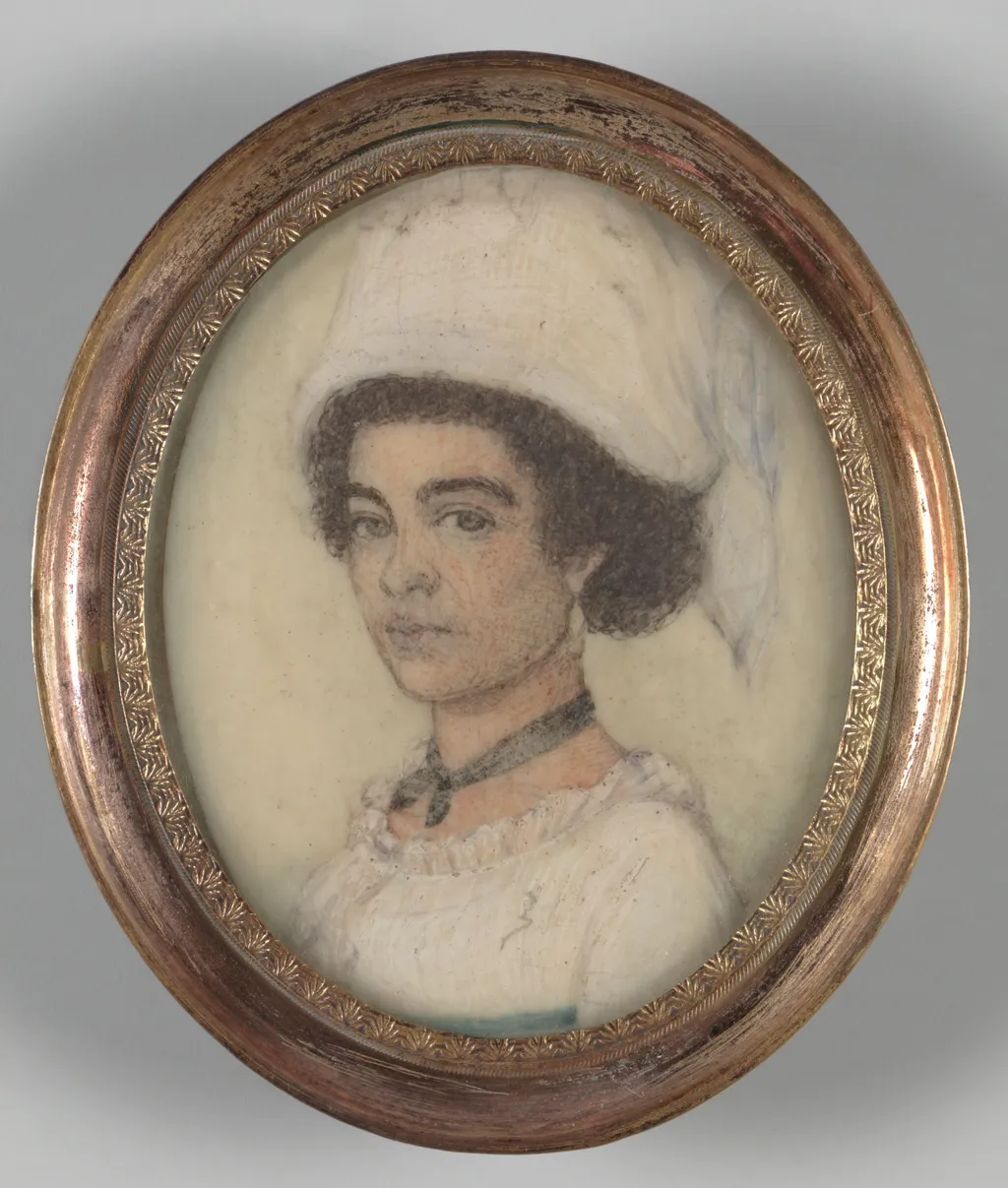
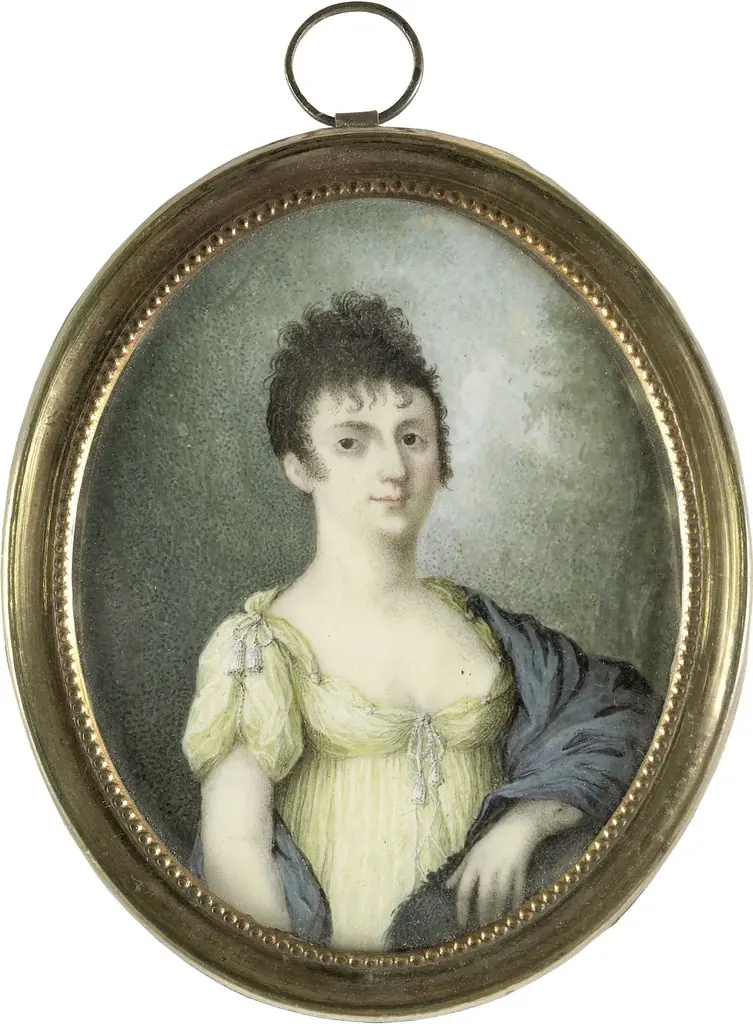
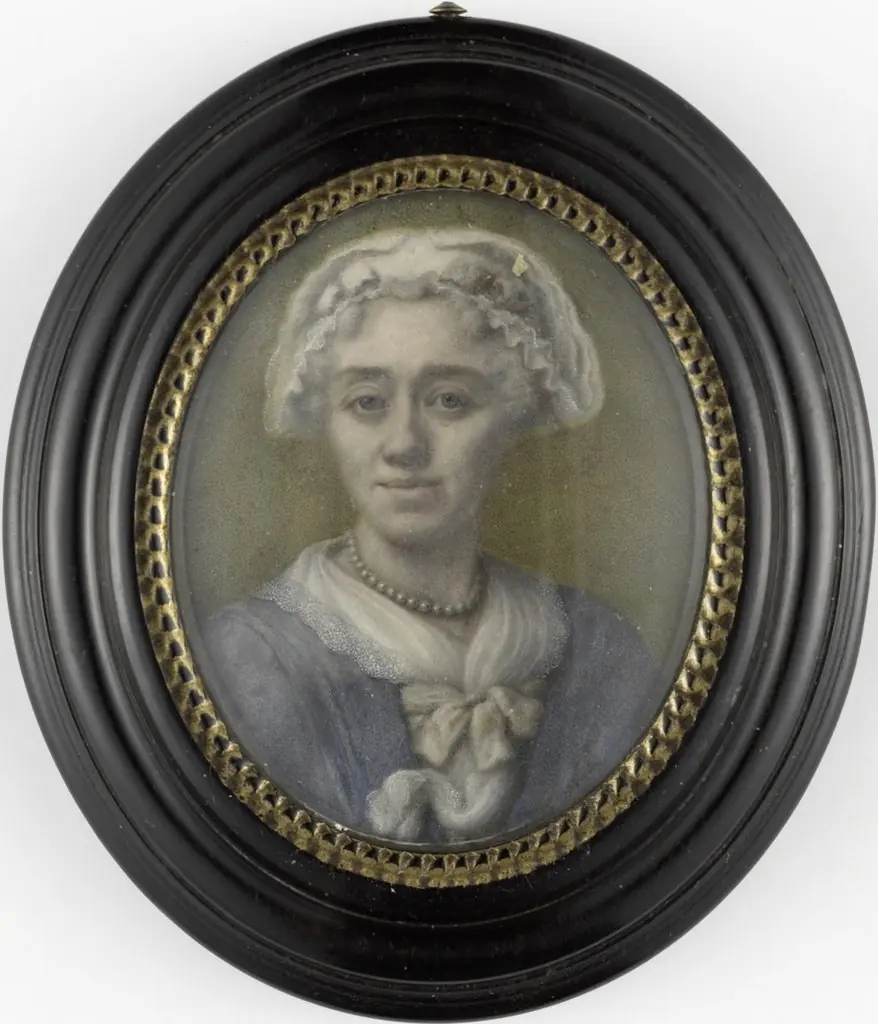
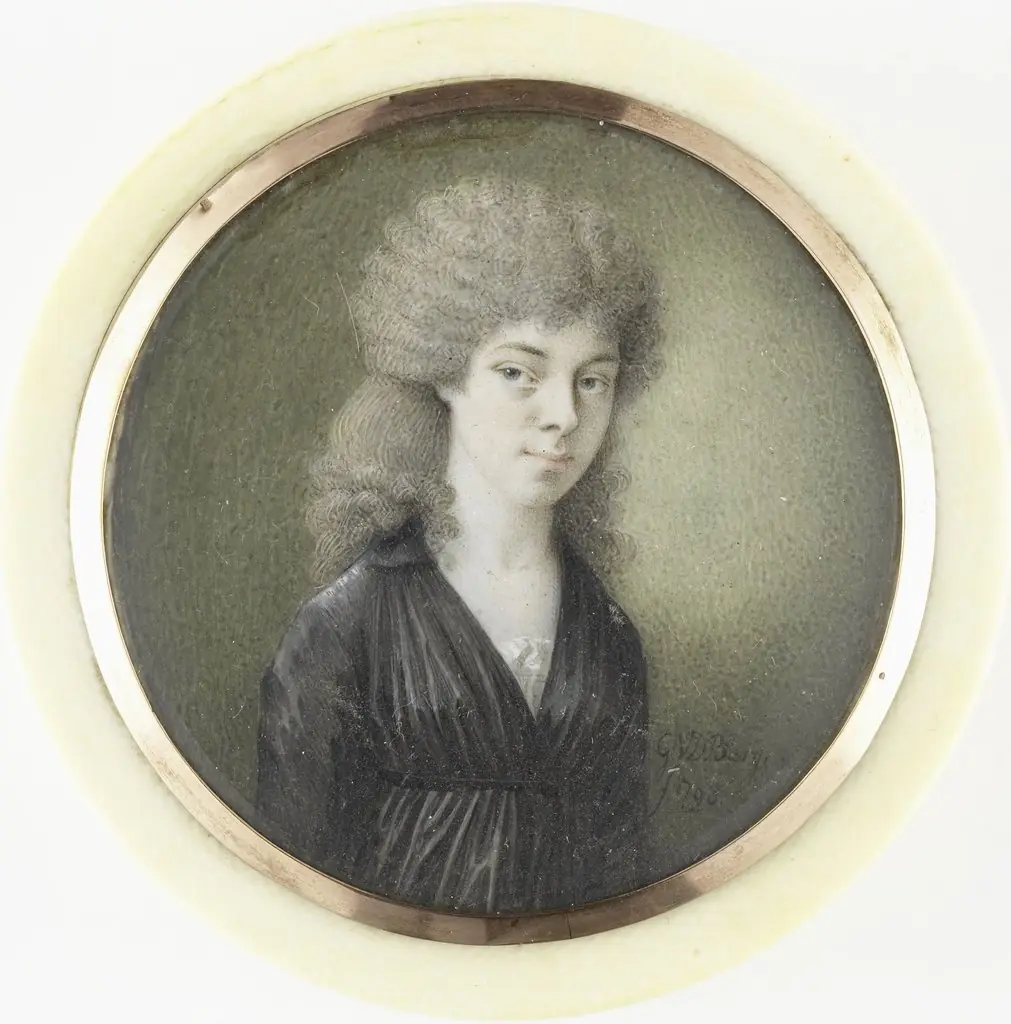
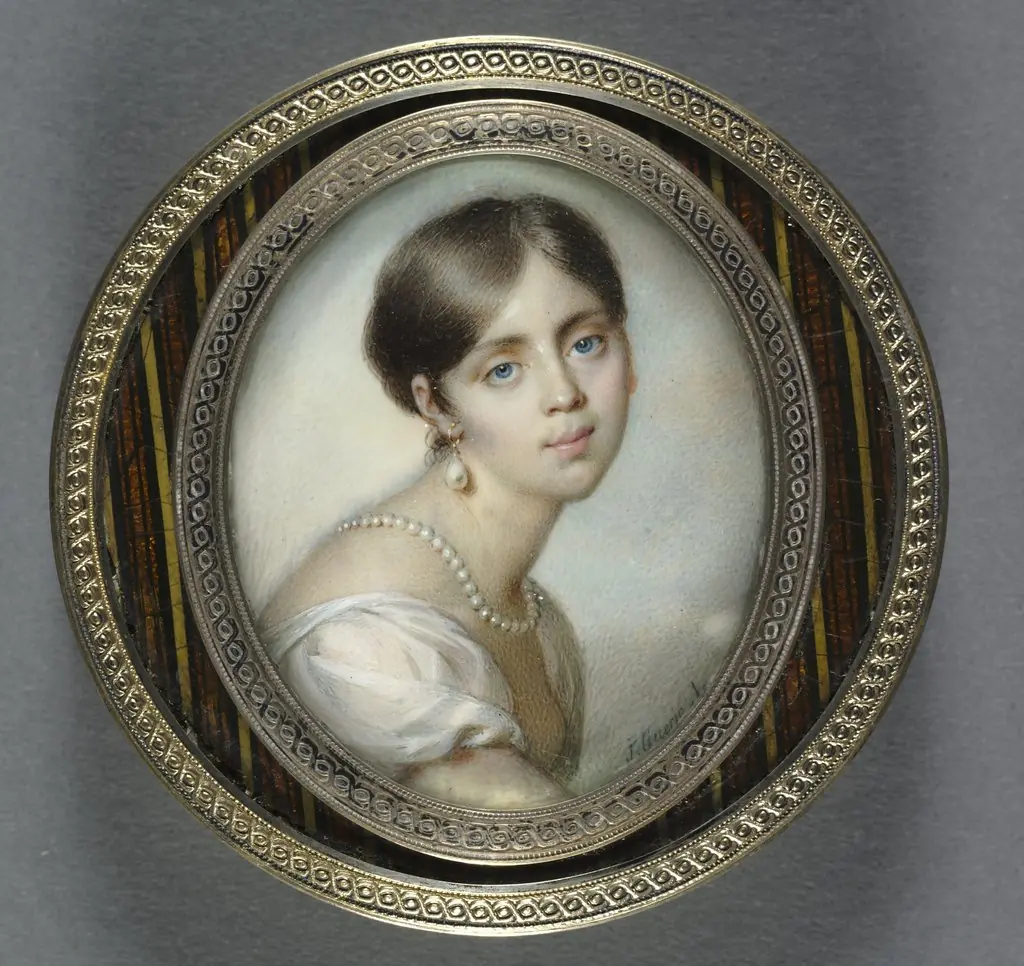
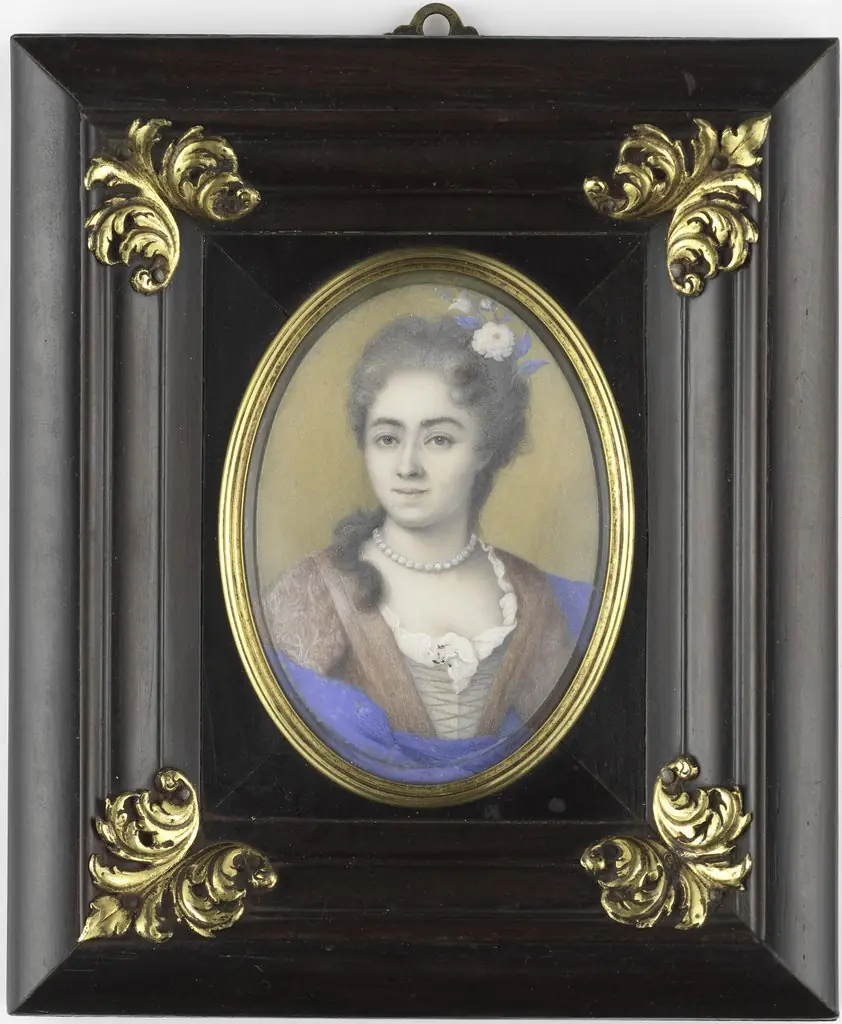
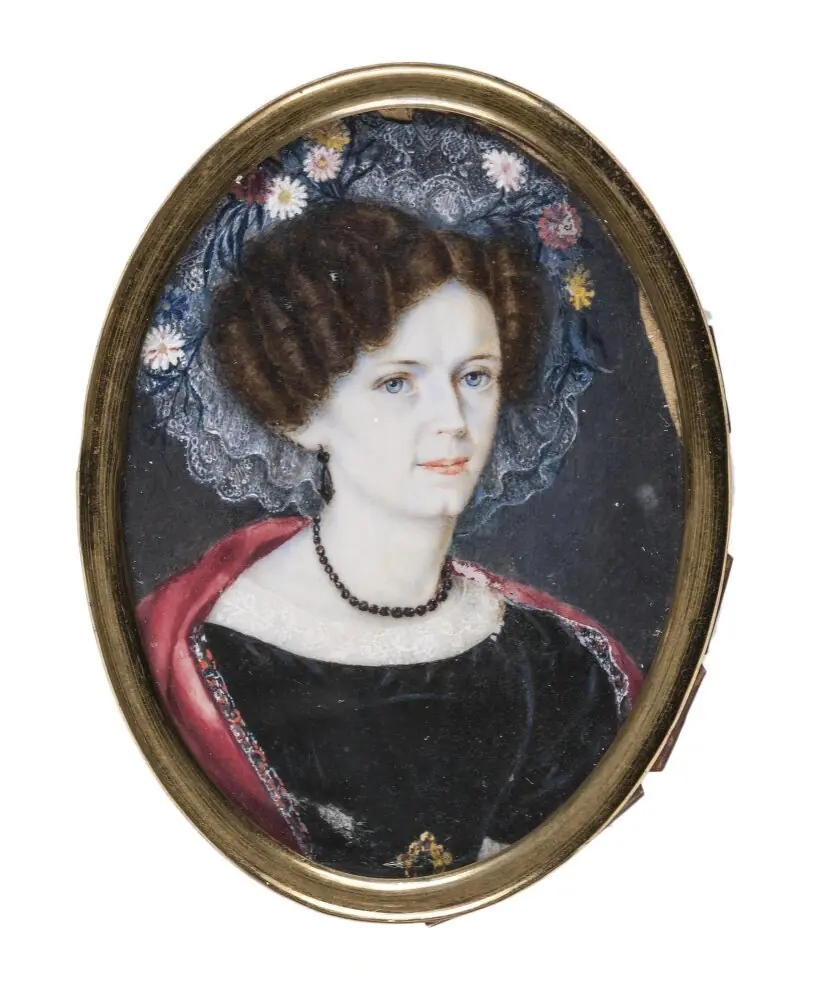
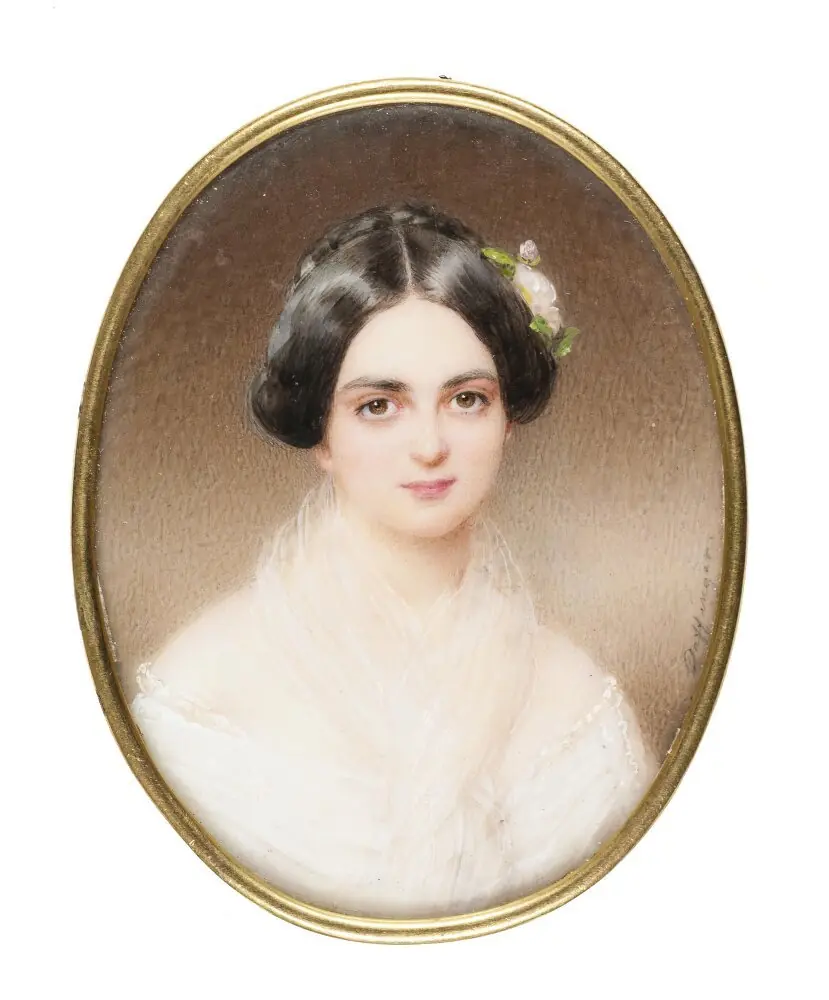
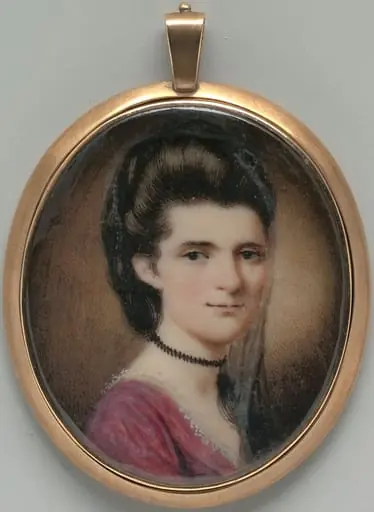
Portraits of Surinamese girls is an ivory painting by Unknown. It dates from 1805 and is held in the collection of the Rijksmuseum. This diminutive work is a carved portrait executed on a fragment of ivory.
About this work
Overview
This diminutive work is a carved portrait executed on a fragment of ivory. It depicts a young woman of Surinamese origin, her dark hair gathered back and her attire consisting of a light‑toned dress accented by a dark collar. The background is unadorned, while the surrounding frame bears a modest decorative motif.
Subject & Meaning
The figure represents a Surinamese girl, rendered with individualized facial features that suggest a focus on personal identity rather than generic exoticism. The simplicity of the setting and the restrained dress may reflect contemporary notions of modesty and the desire to present the sitter in a dignified, approachable manner.
Technique & Style
Carved from ivory, the portrait demonstrates a high degree of precision, especially given the material’s limited size. Fine incisions articulate the contours of the face, hair, and clothing, while shallow relief creates subtle shading. The decorative border employs a repetitive pattern typical of ivory work in the period, balancing ornamentation with the portrait’s realism.
History & Provenance
The piece belongs to a series of similar ivory portraits portraying Surinamese girls, suggesting a commissioned collection, possibly for a patron interested in documenting colonial subjects. Its current location is not specified, but comparable works are held by institutions such as the Rijksmuseum, indicating the series’ recognition within European collections.
Context
During the era of Dutch colonial activity in Suriname, artworks depicting local inhabitants were produced for both documentary and decorative purposes. Ivory, a material sourced from the colonies, was prized for its smooth surface and capacity for fine detail, making it a suitable medium for intimate portraiture of colonial subjects.
Legacy
These portraits contribute to the visual record of Surinamese individuals in the 18th‑19th centuries, offering insight into cross‑cultural representation and the material culture of colonial art. Their preservation in museum collections allows ongoing study of how European artists engaged with and portrayed peoples from overseas territories.
Artist & collection

 Domestic Scene
 Giacomo and Cardinal Marco, investing Andrea, Abbot of San Zeno, with his Benefice
 The Nymph of Fontainebleau
 Portrait of a Woman
 Madonna and Child with Saints in the Enclosed Garden
 Venus and Minerva
 Family Group of Four on Sofa
 Wall painting from Room H of the Villa of P. Fannius Synistor at Boscoreale