Artwork
Portret van Nicolaas van den Heede
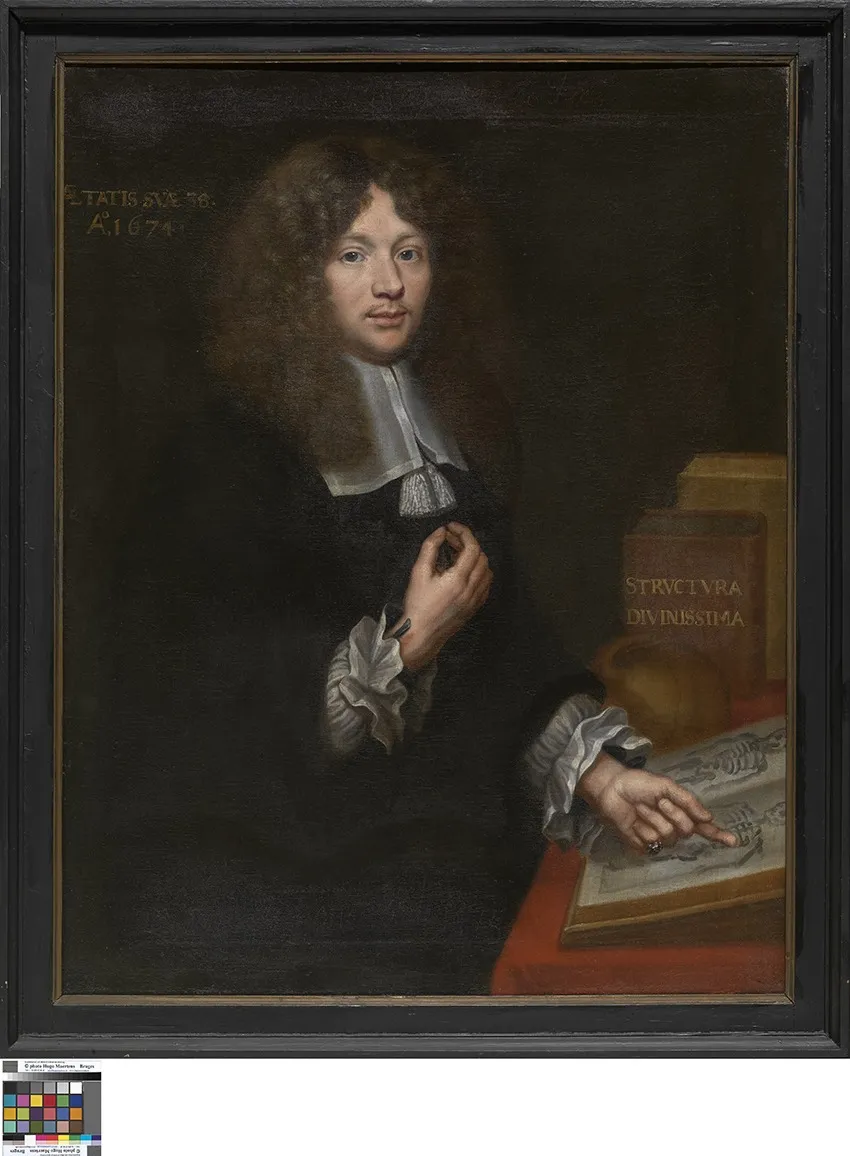
Portret van Nicolaas van den Heede is an oil painting by the Dutch Golden Age artist Unknown. It dates from 1674 and is held in the collection of the Groeningemuseum. This oil painting portrays Nicolaas van den Heede, a figure associated with intellectual or professional life.
About this work
Overview
The composition centers on a poised, middle-aged man surrounded by objects suggesting scholarship or civic duty, framed within a muted, domestic setting.
This oil painting portrays Nicolaas van den Heede, a figure associated with intellectual or professional life. Rendered in the traditional medium of oil on panel, the work employs chiaroscuro to model the sitter’s form with subtle gradations of light and shadow. The composition centers on a poised, middle-aged man surrounded by objects suggesting scholarship or civic duty, framed within a muted, domestic setting.
Subject & Meaning
The man, identified as Nicolaas van den Heede, is depicted in formal attire indicative of his social standing. His gesture—pointing to an open book while holding a small object—implies engagement with knowledge or documentation. The presence of the book and the box behind it may reference legal, administrative, or scholarly functions, reinforcing an identity tied to learning or public service rather than nobility or religious office.
Technique & Style
The artist uses oil paint to achieve a refined texture, particularly in the rendering of fabric and skin. Chiaroscuro defines the contours of the figure, giving depth to the black jacket and the crisp white ruffles. The background remains dark and unobtrusive, directing focus to the sitter’s hands and the objects on the table. Brushwork is precise but not overly ornate, favoring clarity over theatricality.
History & Provenance
The painting has been held in the collection of the Groeningemuseum in Bruges for many decades. While its early ownership is not fully documented, its style and subject align with mid-17th-century Flemish portraiture. It likely originated as a private commission, possibly by a family member or professional associate of van den Heede, reflecting the era’s growing interest in secular individual identity.
Context
Created during a period when Flemish cities fostered civic pride and professional guilds, this portrait reflects a cultural shift toward depicting non-noble individuals with dignity. The emphasis on books and objects of work, rather than heraldry or luxury, signals the rising status of educated professionals. Such portraits were common among merchants, jurists, and scholars seeking to affirm their place in society through visual representation.
Legacy
The painting contributes to a broader corpus of Flemish portraiture that values quiet introspection over grandeur. It remains a representative example of how ordinary professionals were rendered with solemnity and attention to detail. Its preservation in the Groeningemuseum ensures its continued role in understanding the visual culture of early modern Flanders.
Artist & collection

 Domestic Scene
 Giacomo and Cardinal Marco, investing Andrea, Abbot of San Zeno, with his Benefice
 The Nymph of Fontainebleau
 Portrait of a Woman
 Madonna and Child with Saints in the Enclosed Garden
 Venus and Minerva
 Family Group of Four on Sofa
 Wall painting from Room H of the Villa of P. Fannius Synistor at Boscoreale
 Portrait of Dominicus Rosmale, Director of the Rotterdam Chamber of the Dutch East India Company, elected 1677
 Portrait of Dominicus Rosmale, Director of the Rotterdam Chamber of the Dutch East India Company, elected 1677
 Selbstbildnis Michiel van Musscher
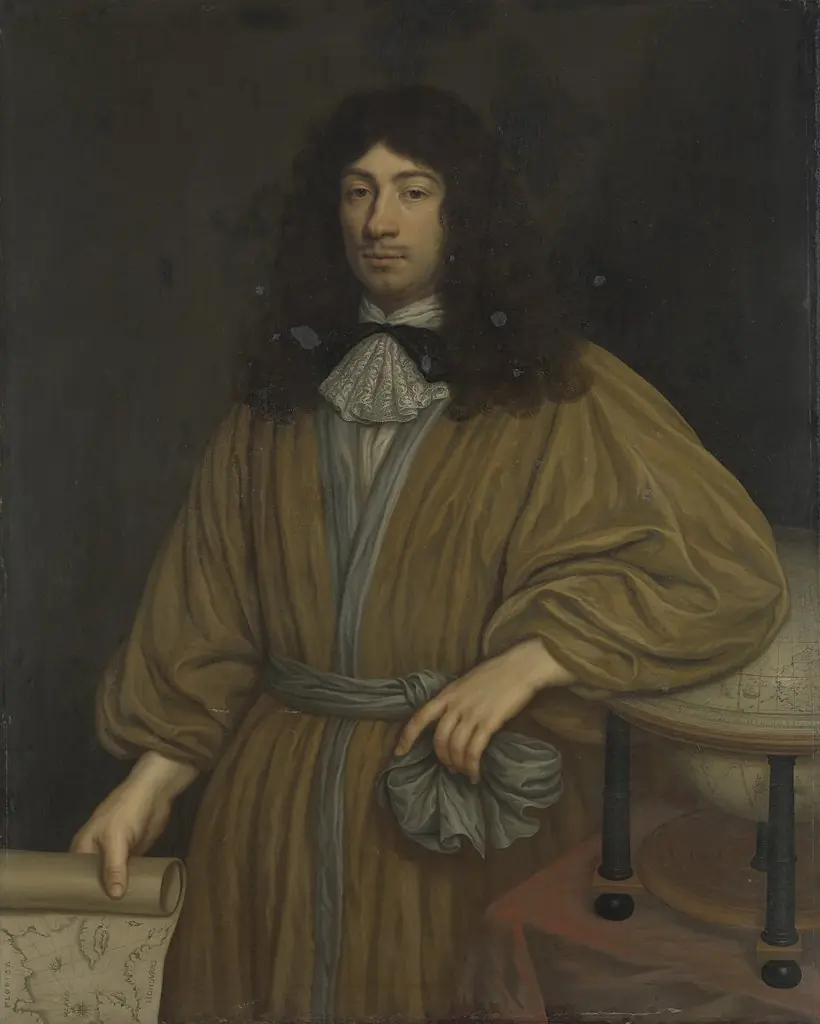 Portrait of Jan Boudaen Courten (1635-1716), lord of St Laurens, Schellach and Popkensburg. Councillor of Middelburg and director of the Dutch East India Caompany
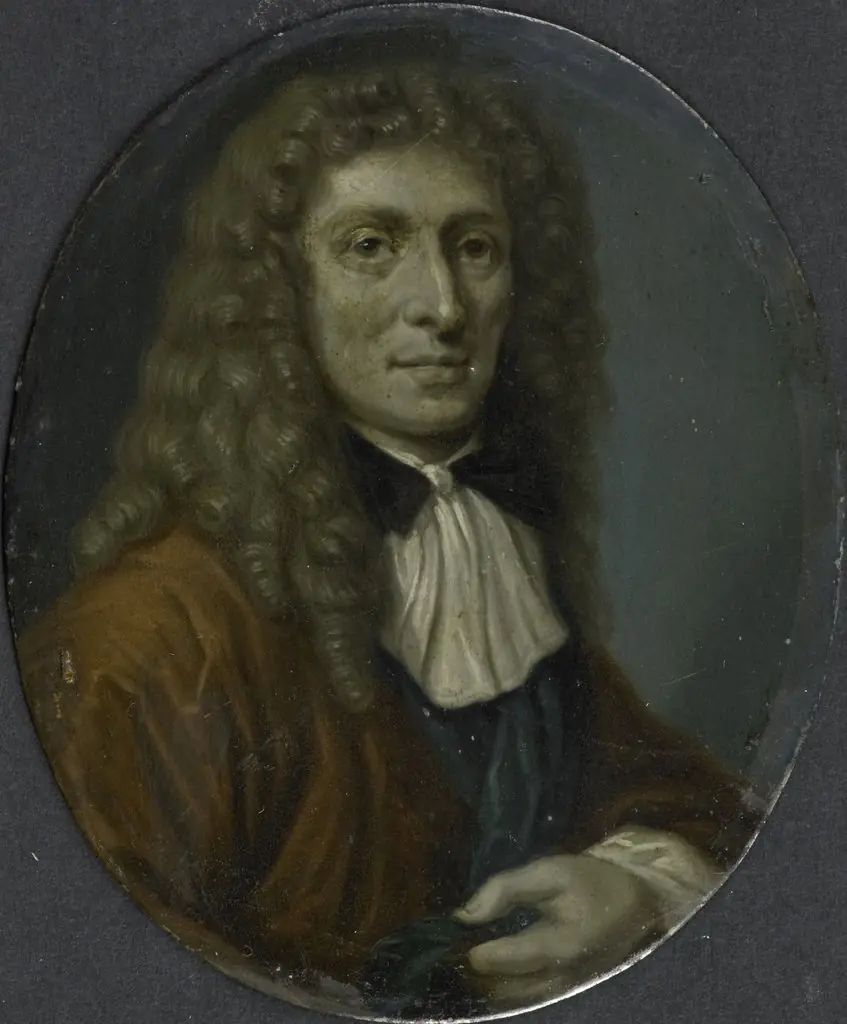 Portrait of Govert Bidloo
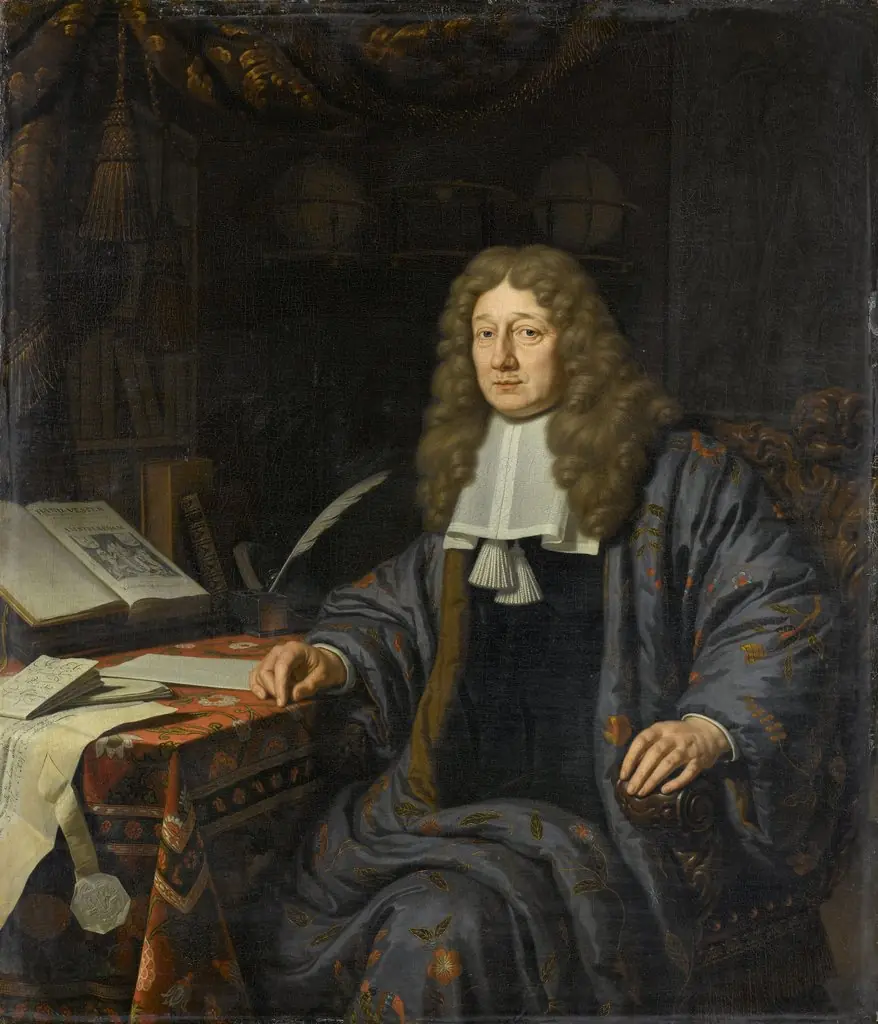 Portrait of Johannes Hudde (1628-1704), burgomaster of Amsterdam
 Portrait of Johannes Hudde
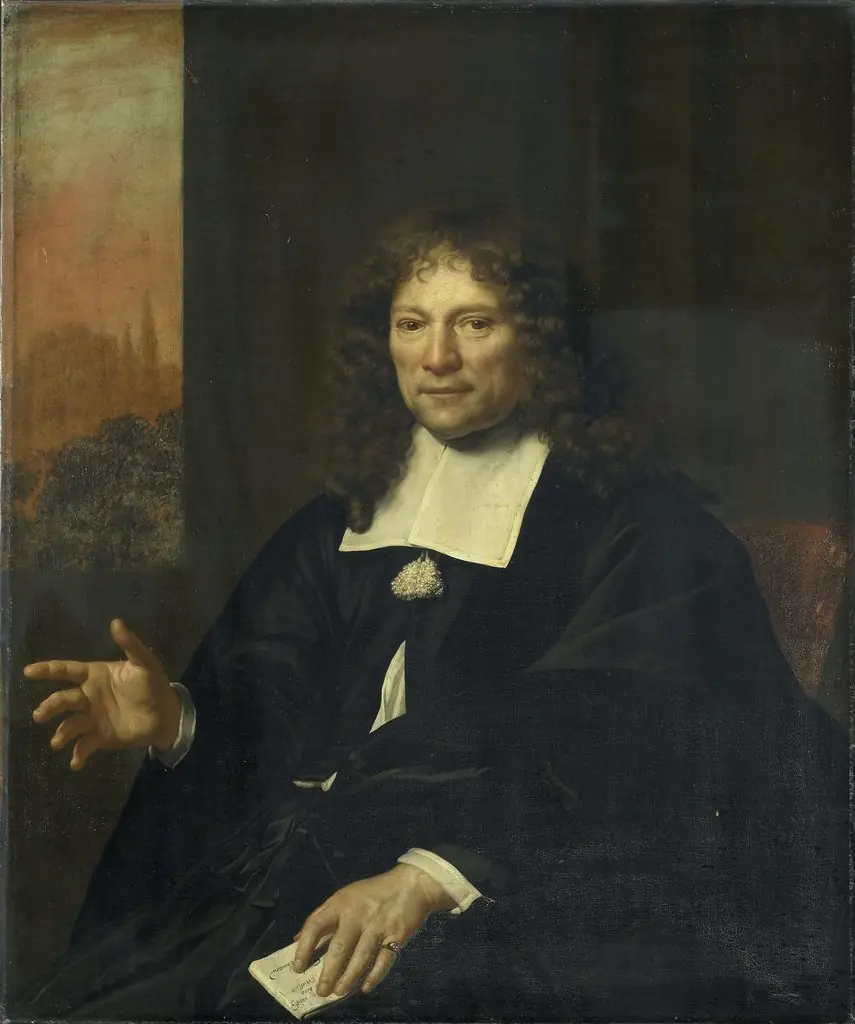 Portrait of Daniel Nellius, elder of the Remonstrant church and sampling official of Alkmaar
 Portrait of Daniel Niellius. Elder of the Remonstrant Church and Sampling Official of Alkmaar
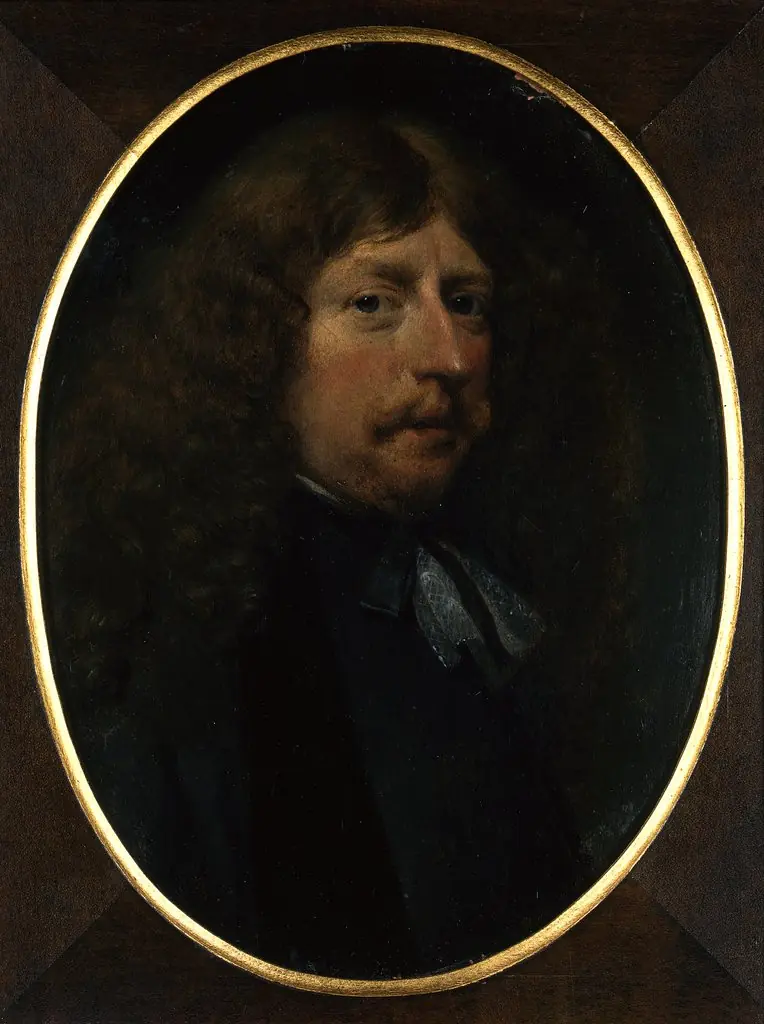 Self-portrait