Artwork
Portret van een man
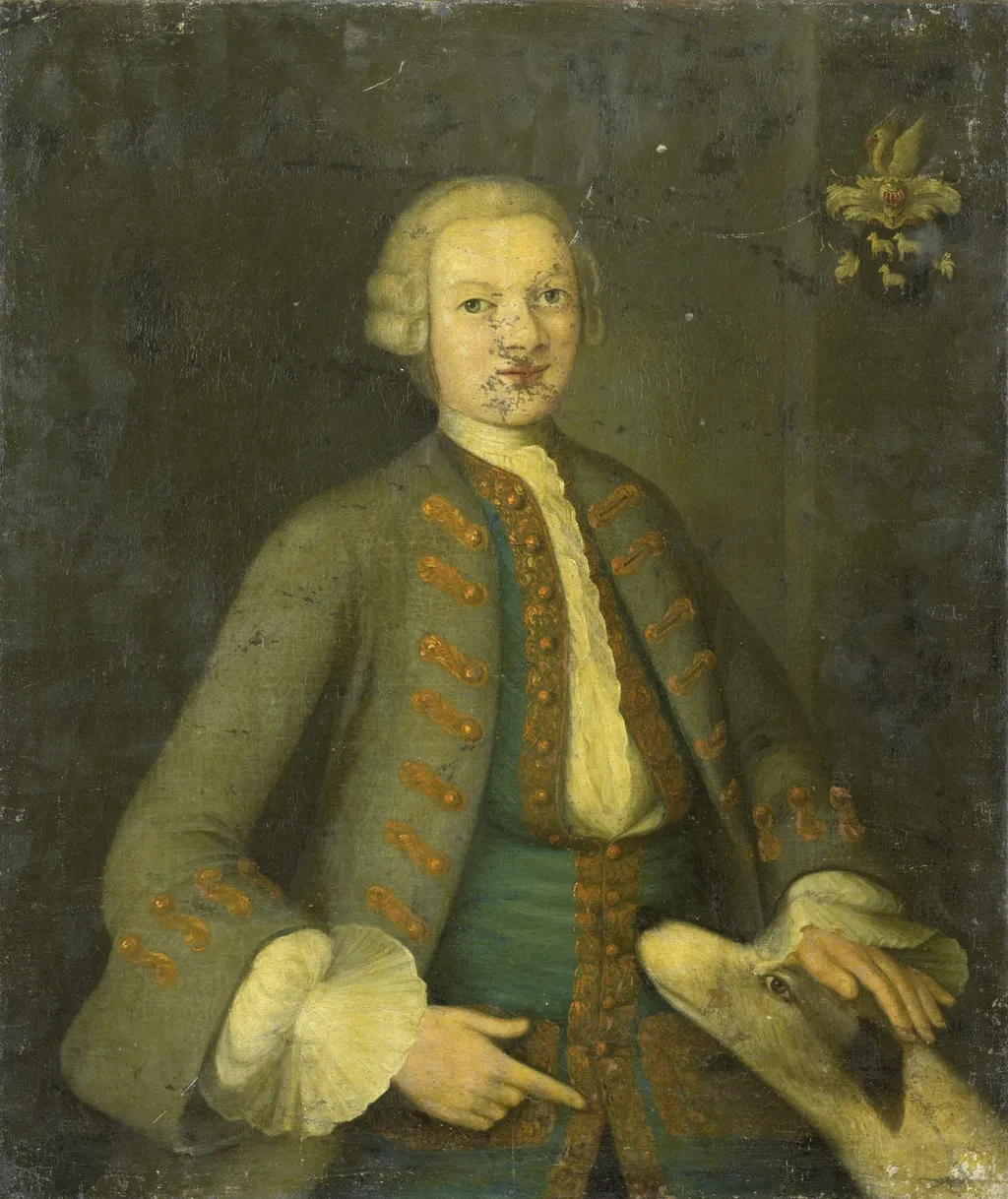
Portret van een man is an oil painting. It dates from 1760 and is held in the collection of the Rijksmuseum. The work is an oil painting portraying a gentleman from the waist up.
About this work
Overview
The work is an oil painting portraying a gentleman from the waist up. He wears an elaborate green coat trimmed with gold buttons, a matching green waistcoat, and a white shirt, complemented by a lace cravat. His right hand rests on a surface while his left hand points downward, and a small bird appears in the upper right corner.
Subject & Meaning
The sitter is presented as a figure of status, his luxurious attire and poised gesture suggesting confidence and refinement. The inclusion of the bird, a common symbol of freedom or the fleeting nature of life, adds a subtle layer of allegorical meaning to the portrait.
Technique & Style
The artist employs chiaroscuro to model the figure, using strong contrasts of light and shadow to give volume. Thick impasto in the coat’s embroidered areas and delicate glazing on the skin create texture and depth, while the precise rendering of the lace cravat demonstrates fine brushwork.
History & Provenance
The painting is catalogued under the Dutch title “Portret van een man.” No further details about its creation date, artist, or ownership history are provided in the available information.
Context
The work reflects the 17th‑century Dutch portrait tradition, where affluent patrons commissioned likenesses that emphasized clothing and material wealth. The elaborate green costume and gold detailing align with contemporary fashions among the mercantile elite.
Artist & collection

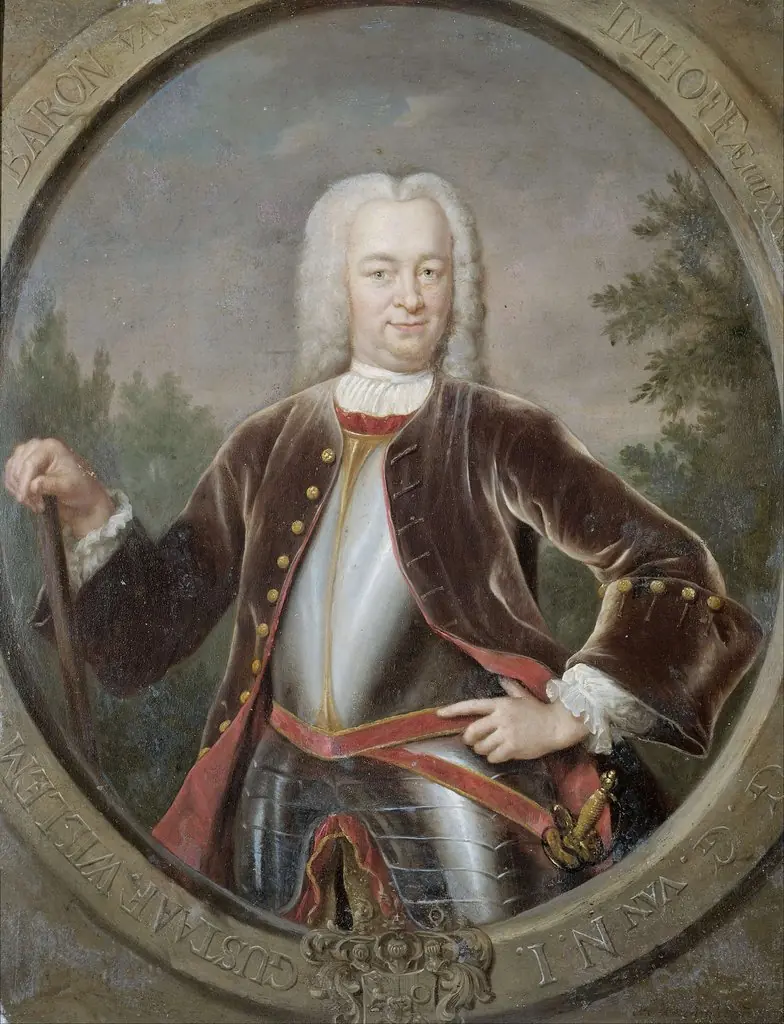 Portrait of Gustaaf Willem, Baron van Imhoff, Governor-General of the Dutch East India Company
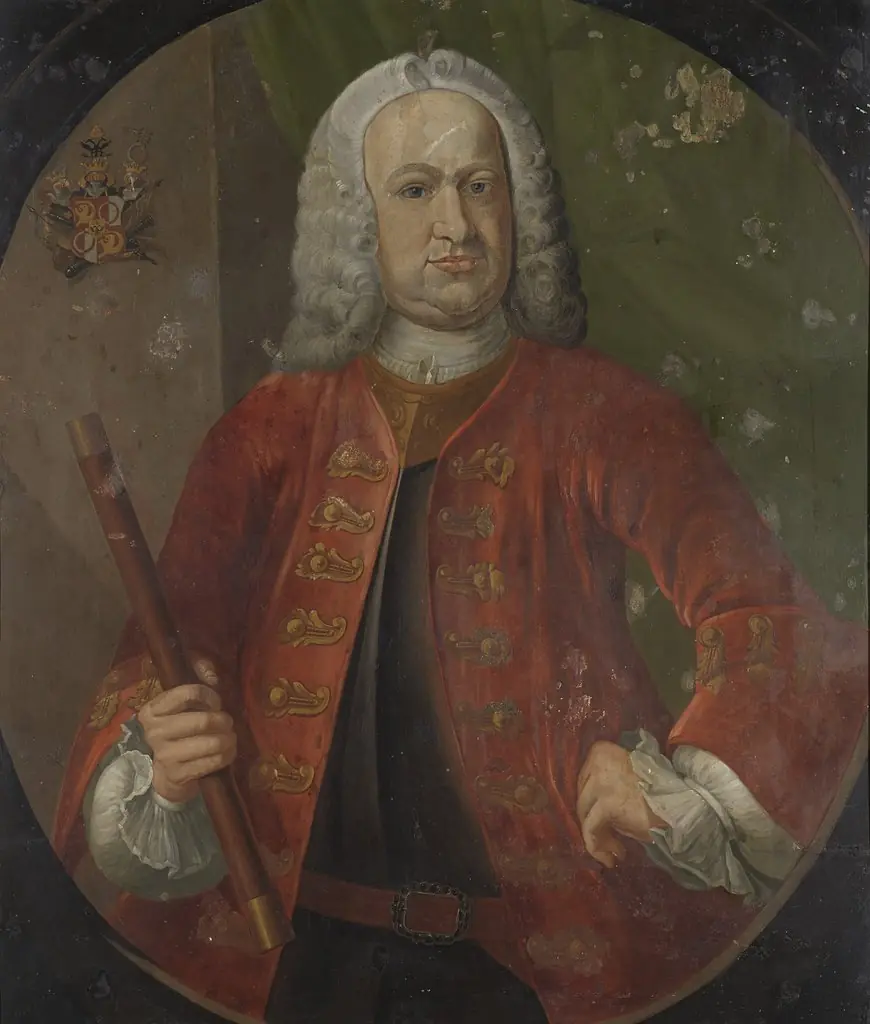 Portrait of Gustaaf Willem, Baron van Imhoff, Governor-General of the Dutch East India Company
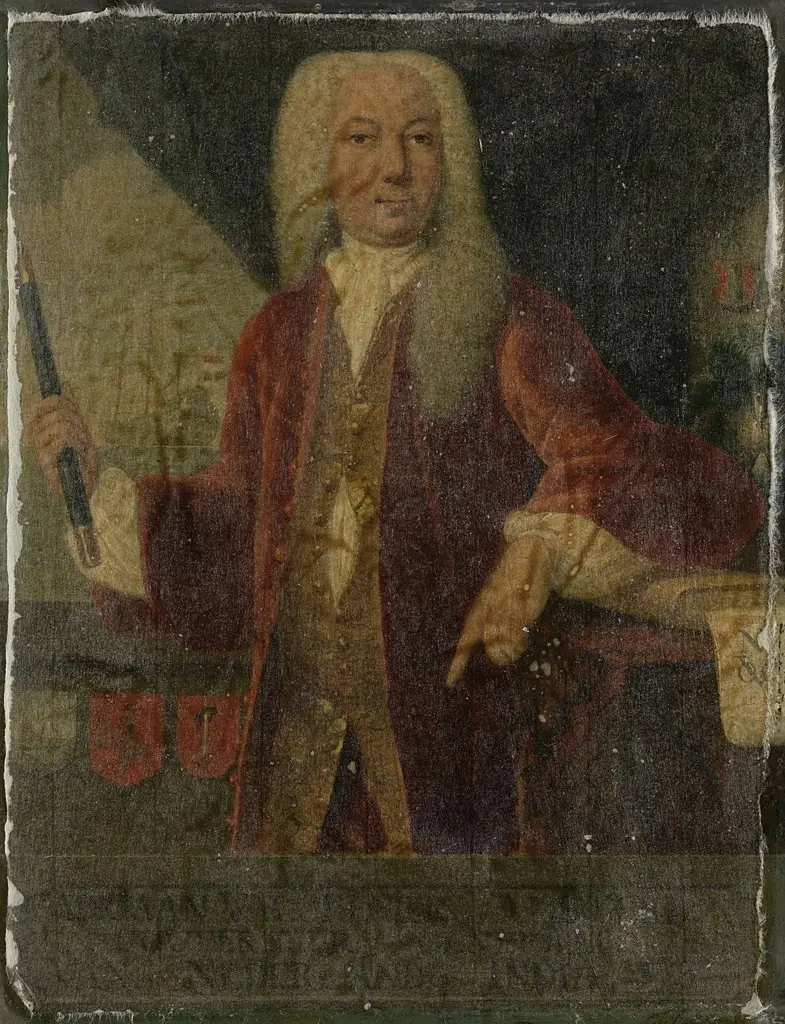 Portrait of Adriaan Valckenier (1695-1751), Gouverneur-generaal (1737-41)
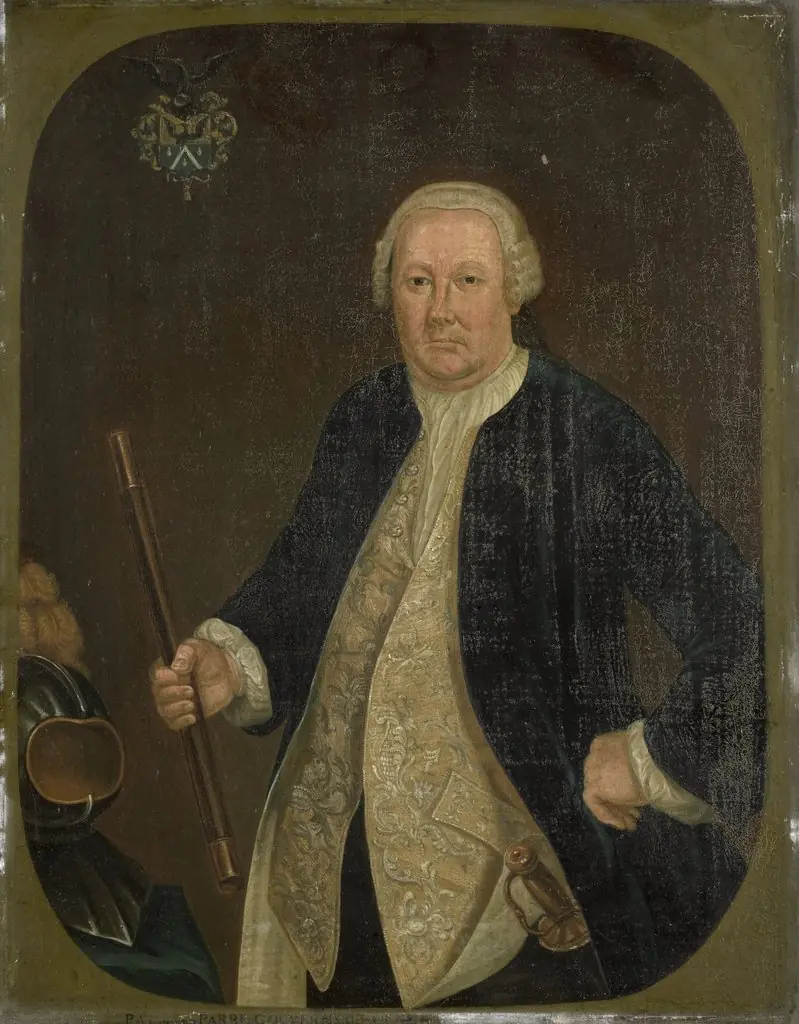 Portrait of Petrus Albertus van der Parra (1714-1775)
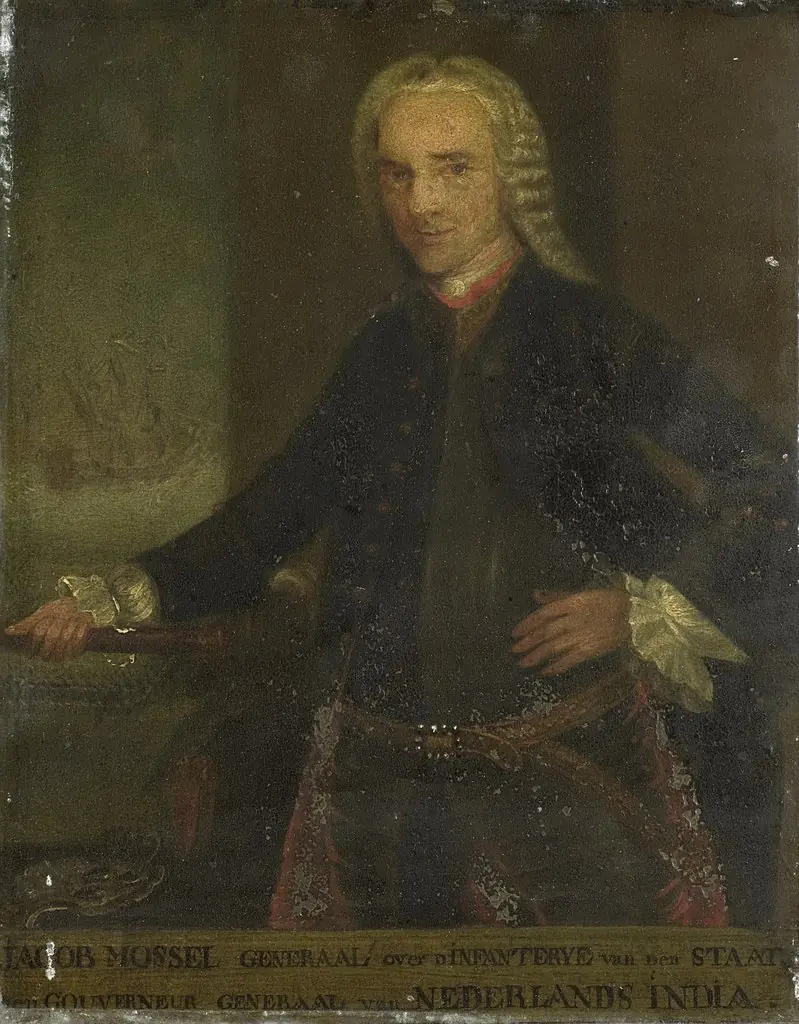 Portrait of Jacob Mossel (1704-1761)