Artwork
A Man with a Jug and Girl with a Viol
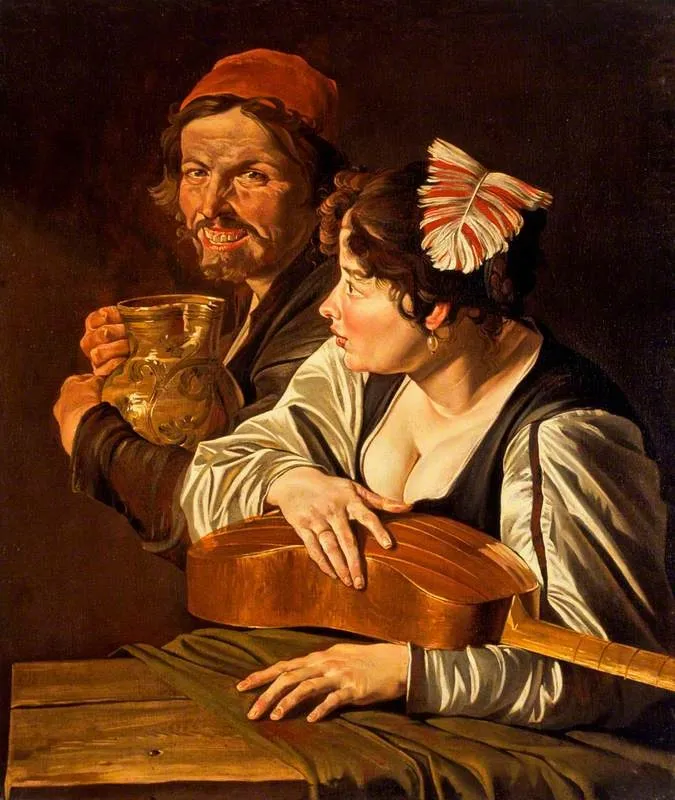
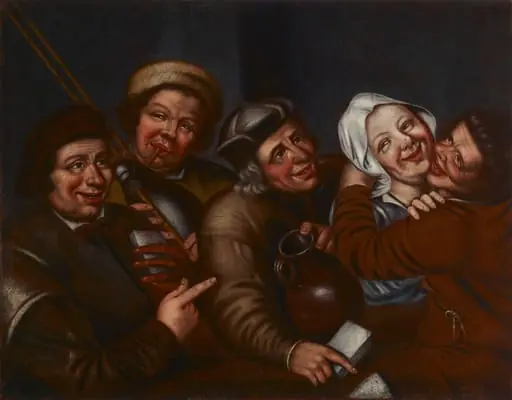
A Man with a Jug and Girl with a Viol is an oil painting by the Dutch Golden Age artist Unknown. It dates from 1635 and is held in the collection of the National Galleries Scotland. This oil painting portrays a man and a woman in an intimate interior setting.
About this work
Overview
This oil painting portrays a man and a woman in an intimate interior setting. The man, adorned with a red hat and dark jacket, holds a large jug and grins broadly, while the woman, dressed in contrasting black and white, cradles a lute. Soft illumination highlights their faces against a deep, unbroken background, fostering a quiet sense of connection between the two figures.
Subject & Meaning
The figures appear engaged in a moment of shared leisure, possibly musical or convivial. The man’s open smile and the woman’s calm demeanor suggest familiarity and ease. The jug and lute imply domestic ritual—perhaps a drink shared alongside music—hinting at everyday joy rather than formal ceremony, grounded in quiet human interaction.
Technique & Style
The artist employs chiaroscuro to define form and mood, directing focus to the faces and hands through subtle gradations of light. The dark surroundings amplify the warmth of the figures, while the textures of fabric and pottery are rendered with restrained detail. Brushwork remains unobtrusive, prioritizing emotional resonance over ornamental flourish.
History & Provenance
The painting’s origin and early ownership remain undocumented. It lacks a signed attribution or clear record of commission, suggesting it may have been produced for private rather than public display. Its survival through centuries implies it was valued within a household context, though its path to institutional collection is unclear.
Context
Created during a period when genre scenes of ordinary life gained traction in Northern European art, the work reflects a broader interest in quiet, unidealized moments. Similar compositions by contemporaries often featured musicians or drinkers, but this piece distinguishes itself through its restrained composition and psychological subtlety.
Legacy
Though not widely exhibited or reproduced, the painting contributes to the understanding of 17th-century domestic portraiture. Its emphasis on subtle expression and atmospheric lighting aligns it with regional traditions that prioritized emotional authenticity over spectacle, influencing later genre painters seeking intimacy over grandeur.
Artist & collection

 Domestic Scene
 Giacomo and Cardinal Marco, investing Andrea, Abbot of San Zeno, with his Benefice
 The Nymph of Fontainebleau
 Portrait of a Woman
 Madonna and Child with Saints in the Enclosed Garden
 Venus and Minerva
 Family Group of Four on Sofa
 Wall painting from Room H of the Villa of P. Fannius Synistor at Boscoreale
 Drinking Man and an Old Smoking Man
 Couple making music behind a balustrade
 Scene in a Tavern
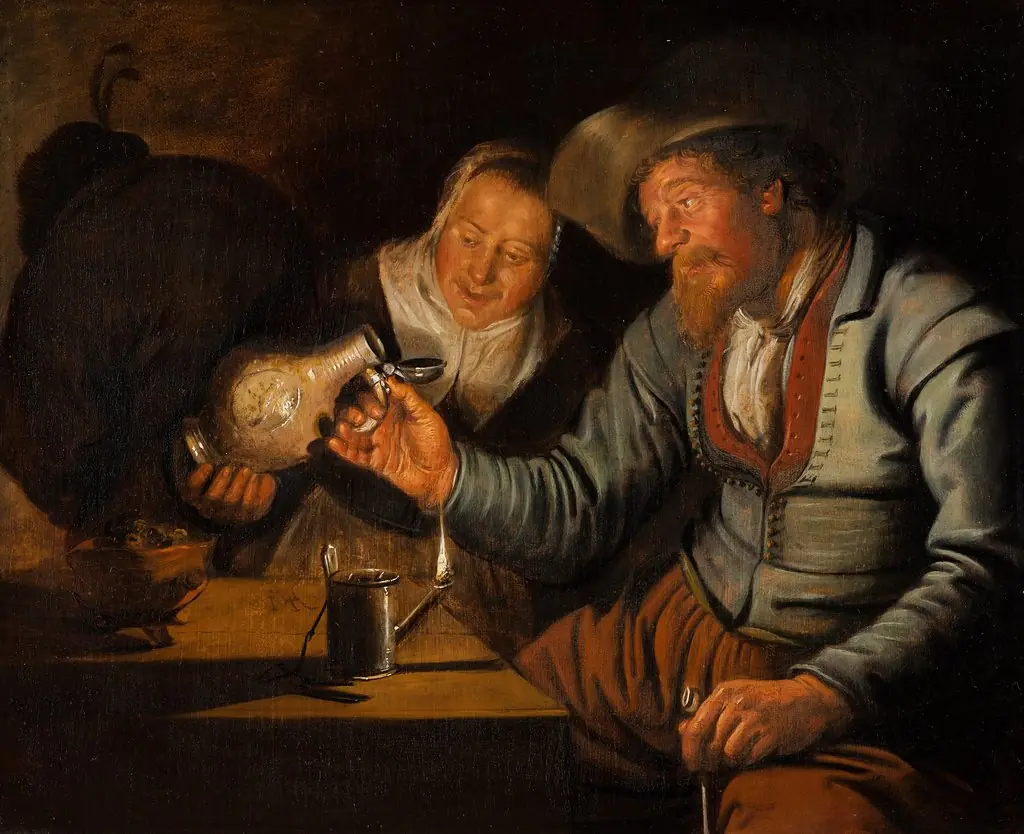 The Five Senses: Sight
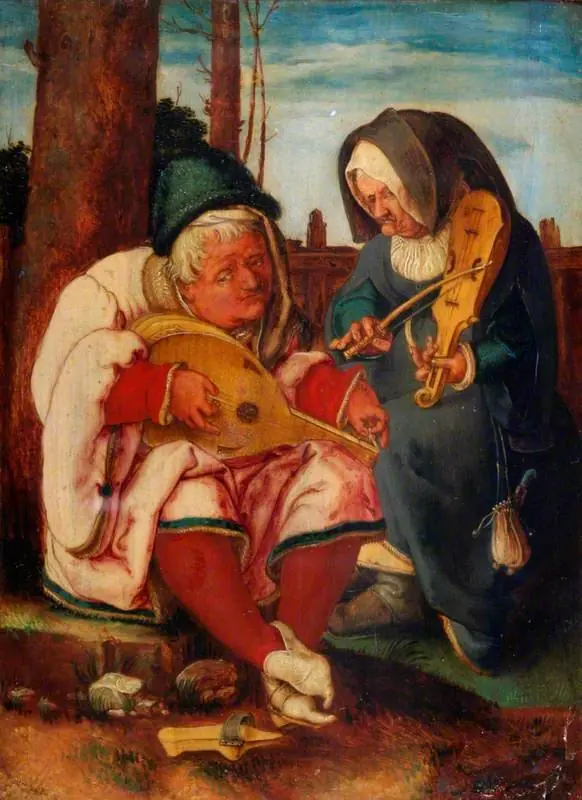 Musicians: An Old Man and an Old Woman
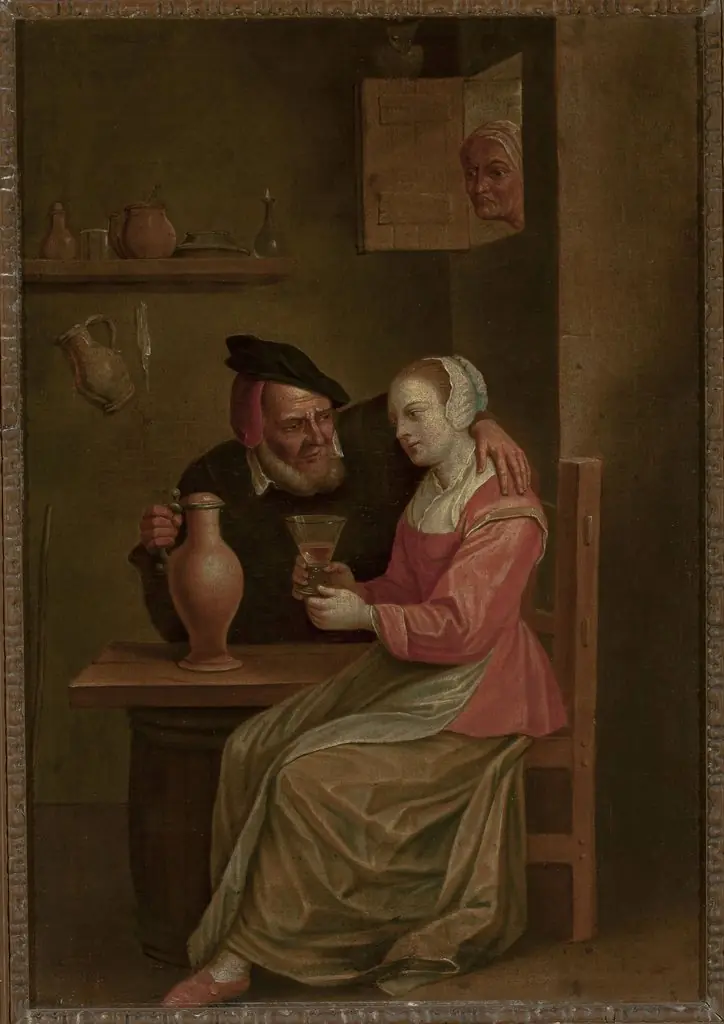 Courtship of an old man
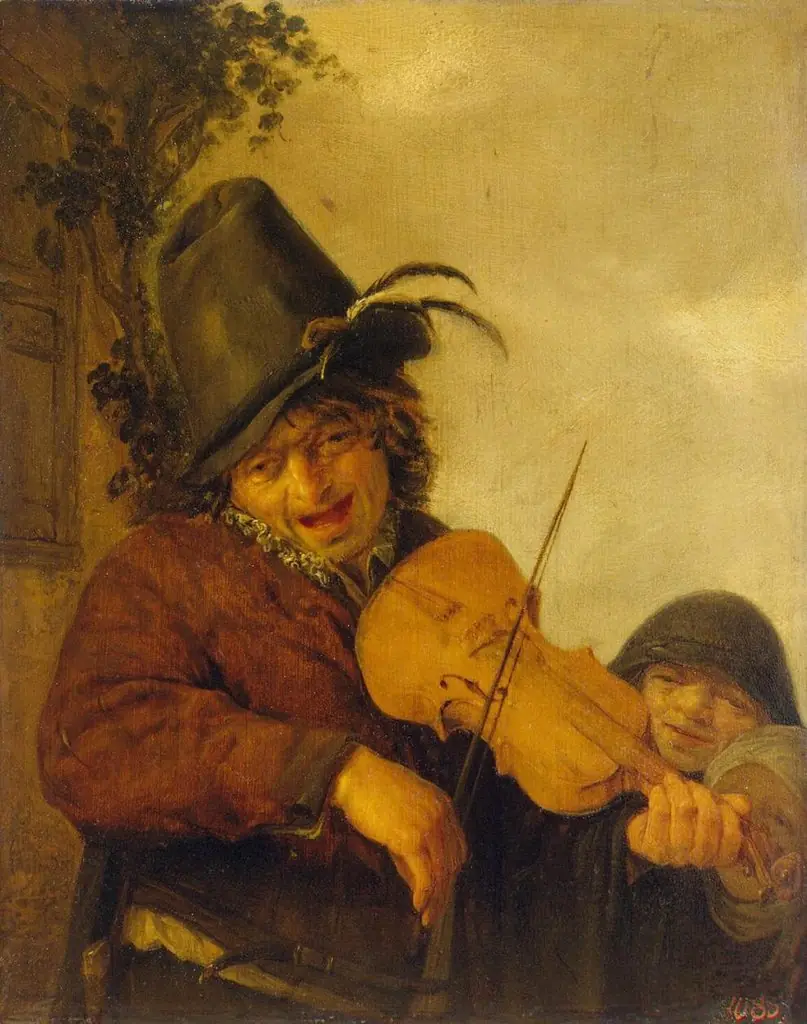 Wandering Musician
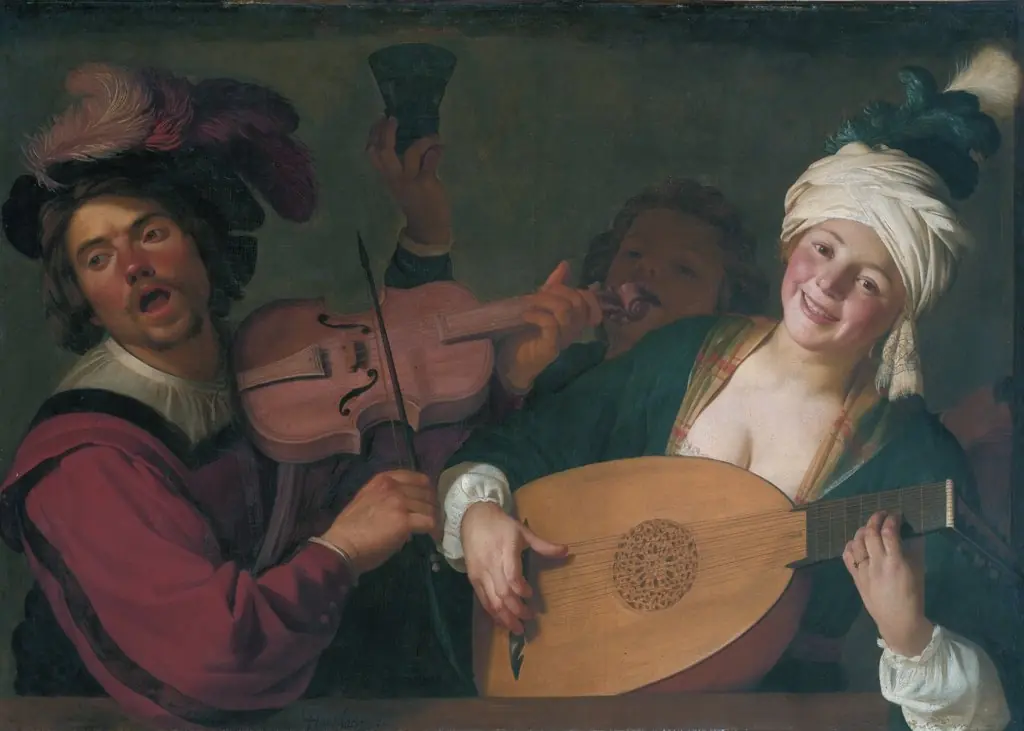 A merry group behind a balustrade with a violin and a lute player
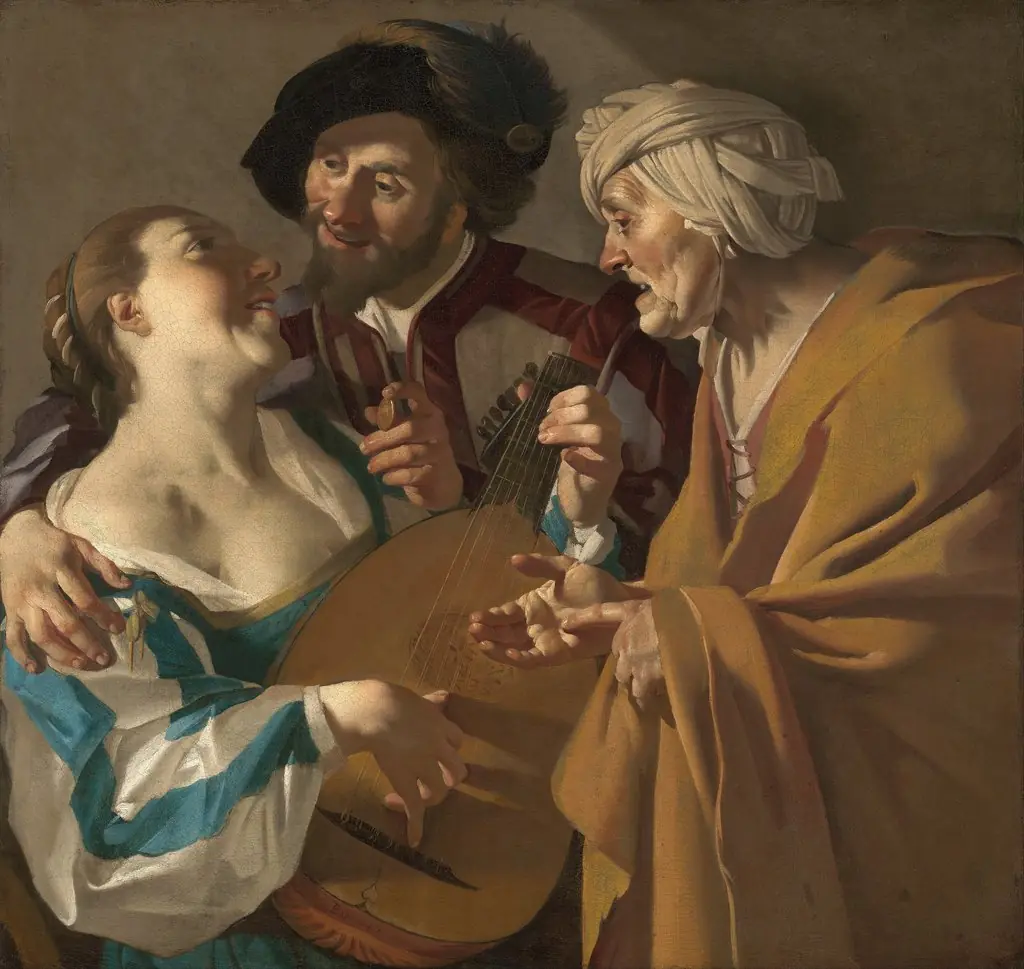 The Procuress
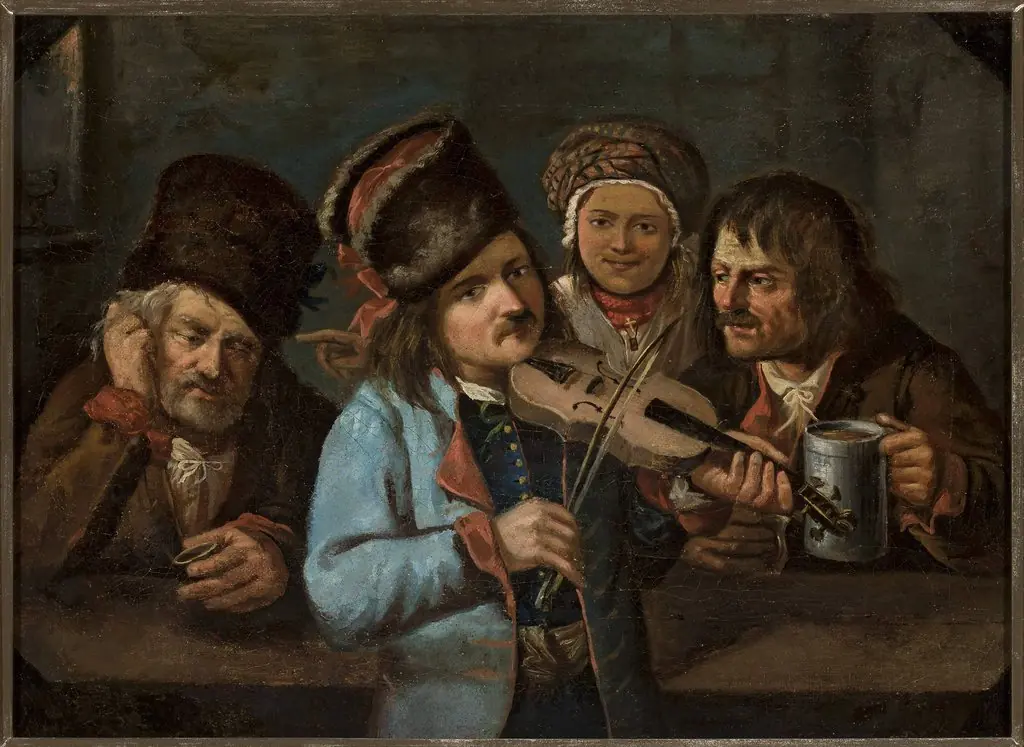 In a tavern
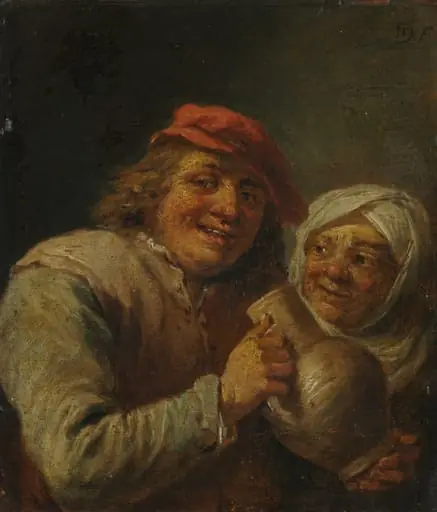 Old Man and Woman
 Iloinen seurue