Artwork
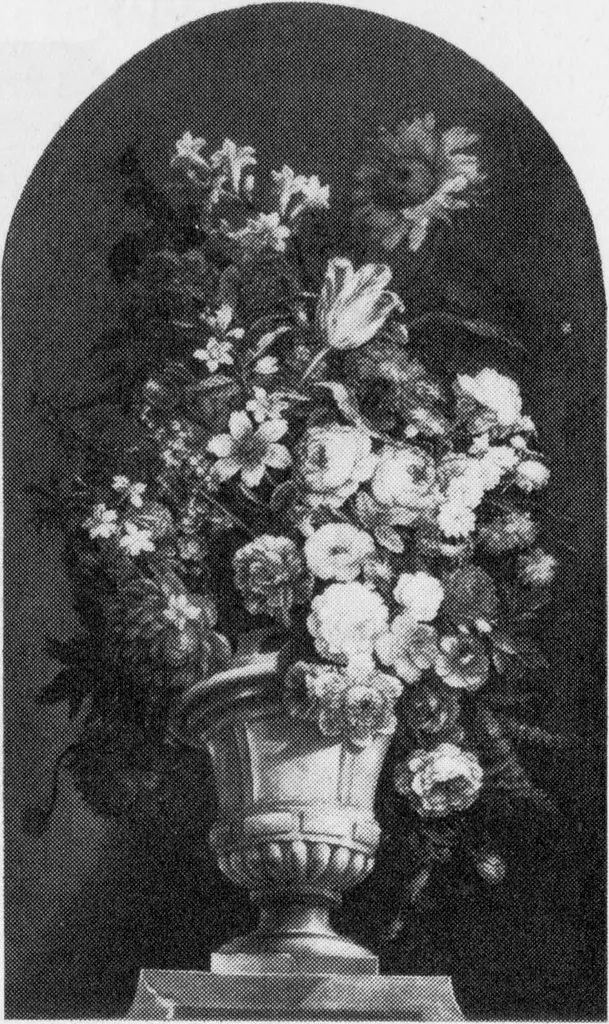
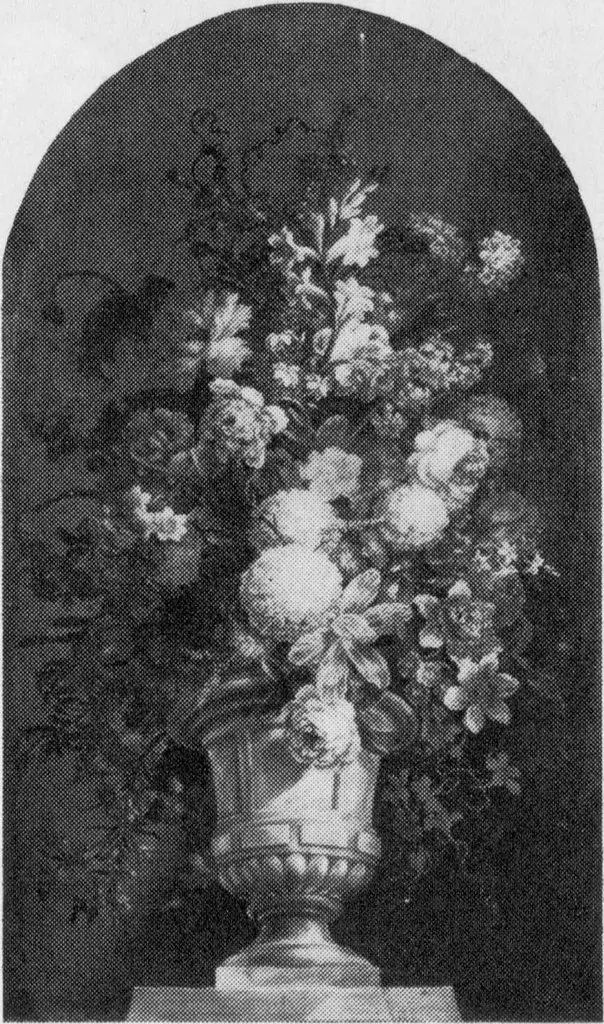
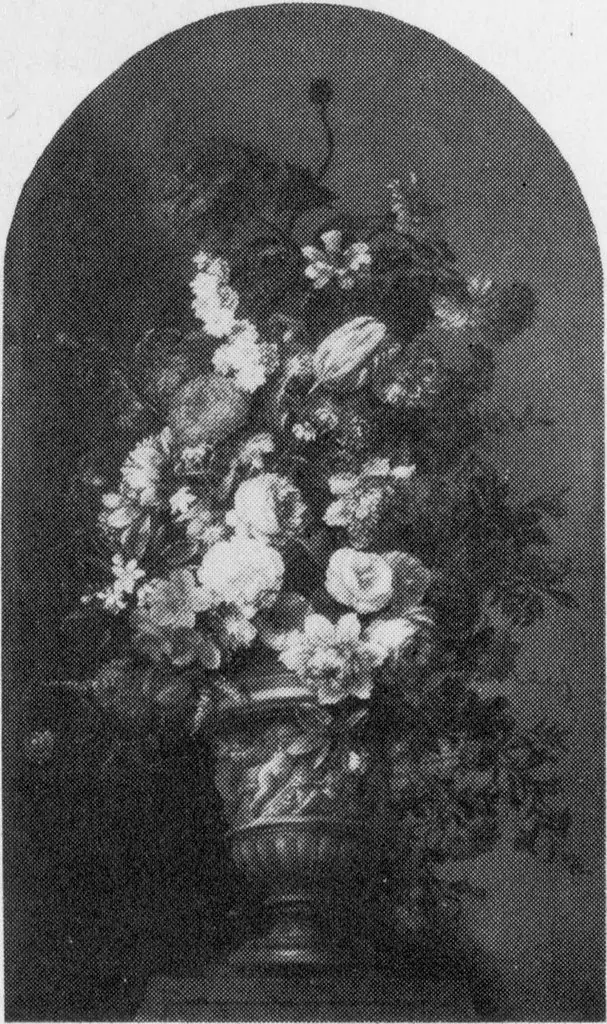
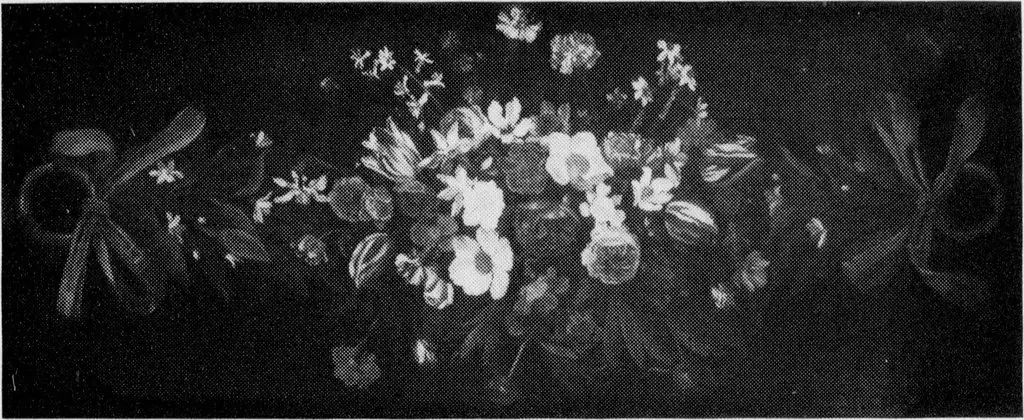
Schoorsteenstuk met bloemen in een vaas
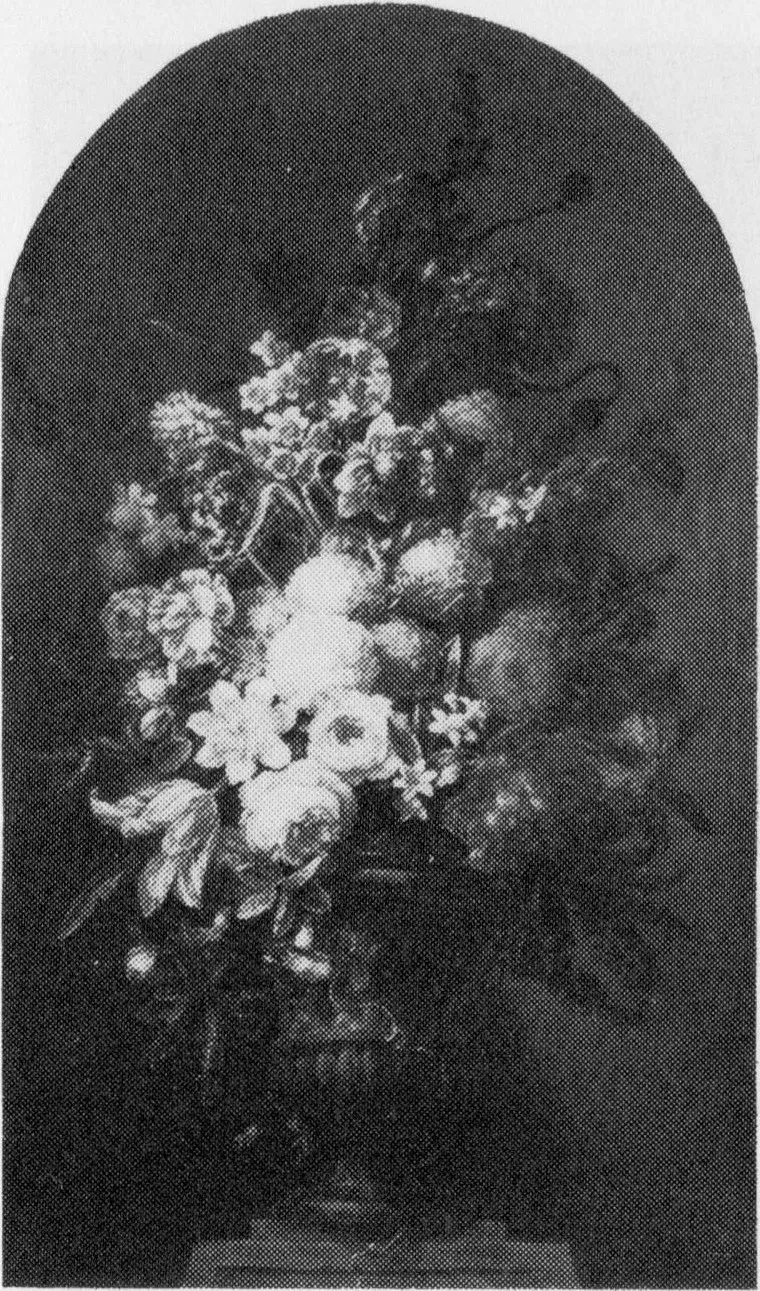
Schoorsteenstuk met bloemen in een vaas is an oil painting. It dates from 1794 and is held in the collection of the Rijksmuseum.
About this work
Overview
The work titled *Schoorsteenstuk met bloemen in een vaas* is an oil painting that presents a solitary arrangement of blossoms rendered in white and pale gray tones. Set against a uniformly dark background, the composition isolates the floral forms, allowing their softened edges and overlapping shapes to dominate the visual field.
Subject & Meaning
The painting focuses exclusively on the flowers, omitting any foliage, stems, or vase that might normally contextualize such a still life. This concentration on the delicate petals, highlighted by the stark contrast with the surrounding darkness, invites contemplation of form and light rather than narrative or symbolic content.
Technique & Style
Executed in oil, the artist employs a chiaroscuro approach, using the deep, unmodulated background to accentuate the luminous quality of the blossoms. The petals are depicted with gentle, slightly blurred edges, suggesting a soft focus that enhances their three‑dimensional presence while maintaining a smooth, flat treatment of the surrounding space.
History & Provenance
No specific information regarding the painting’s date, creator, or ownership history is provided. The title, rendered in Dutch, indicates a possible origin in a Dutch‑speaking region, but further details remain undocumented.
Context
The work aligns with a tradition of still‑life paintings that emphasize the interplay of light and shadow to create dramatic visual effects. By limiting the subject to a minimal floral cluster, the artist follows a lineage of compositions that prioritize tonal contrast over elaborate setting.
Artist & collection