Artwork
Scenes of the Passion and Resurrection of Christ
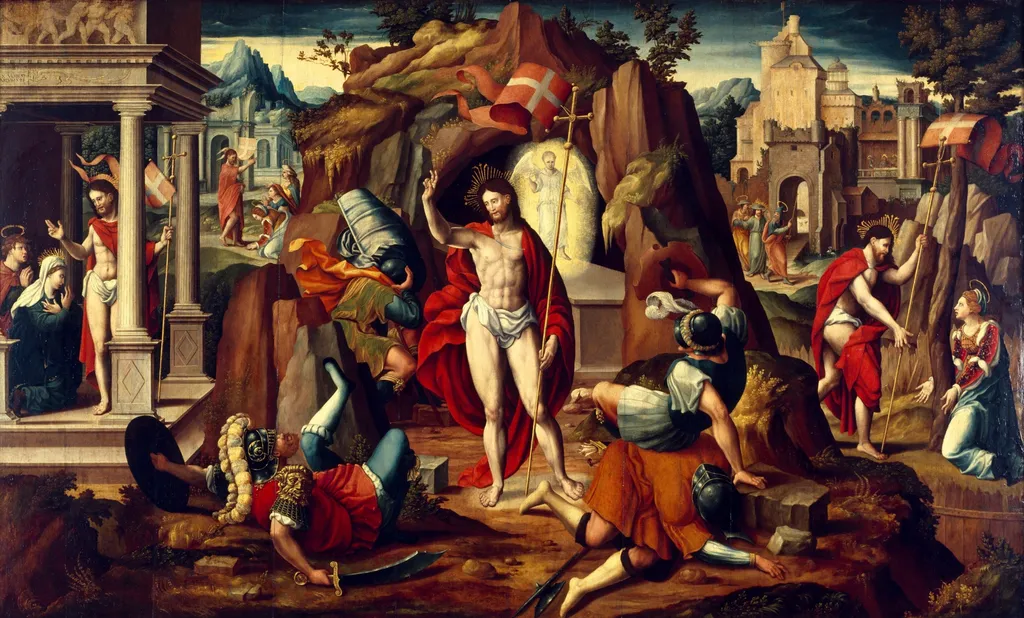
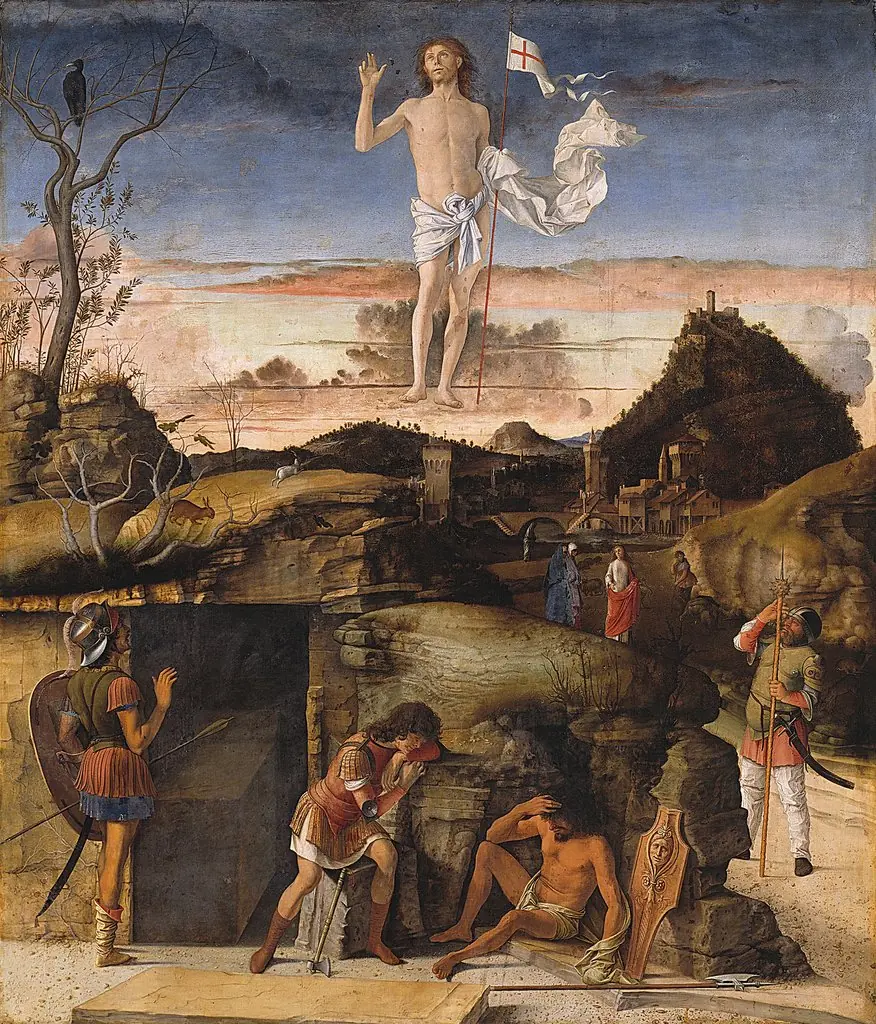
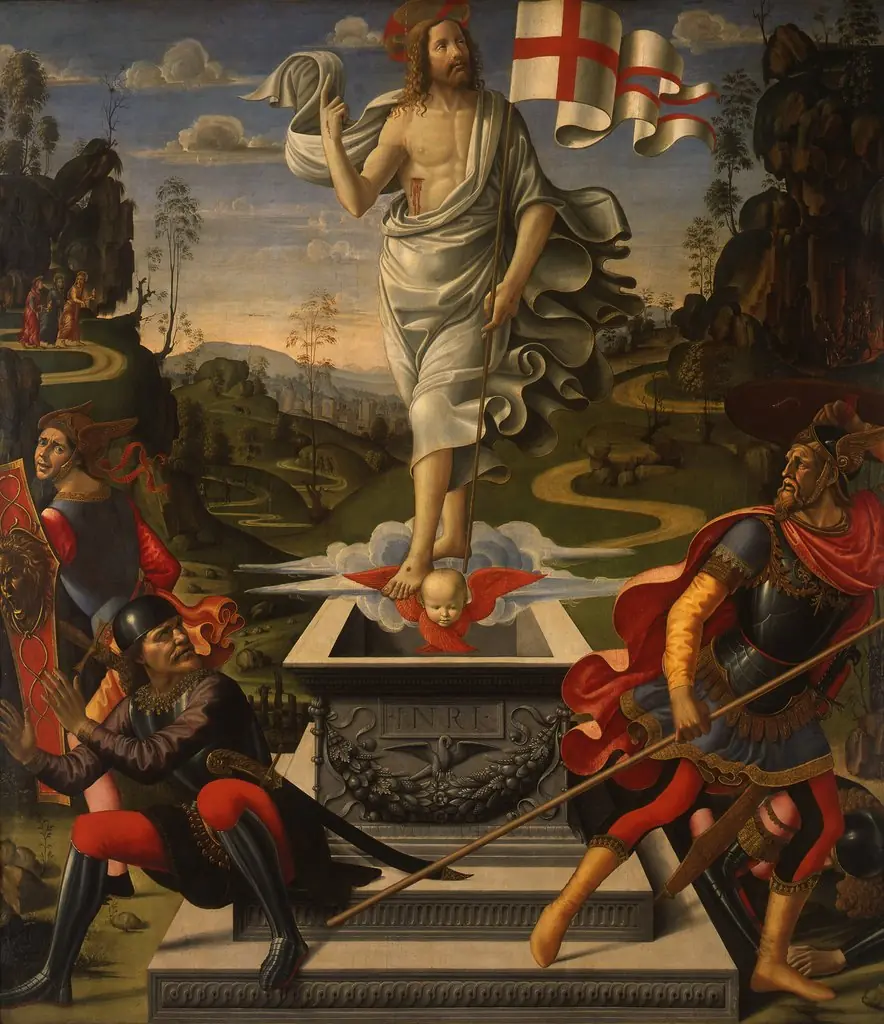
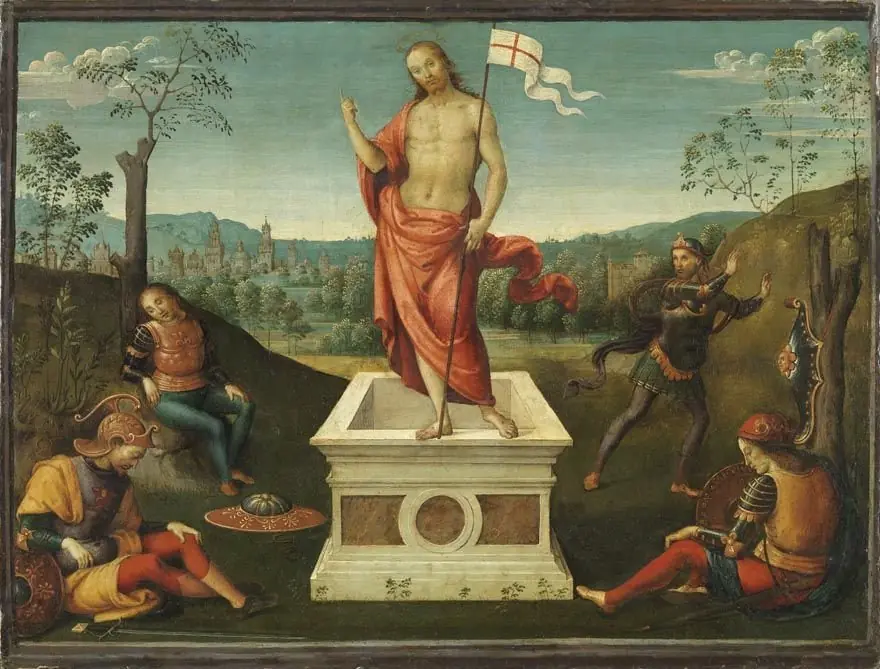
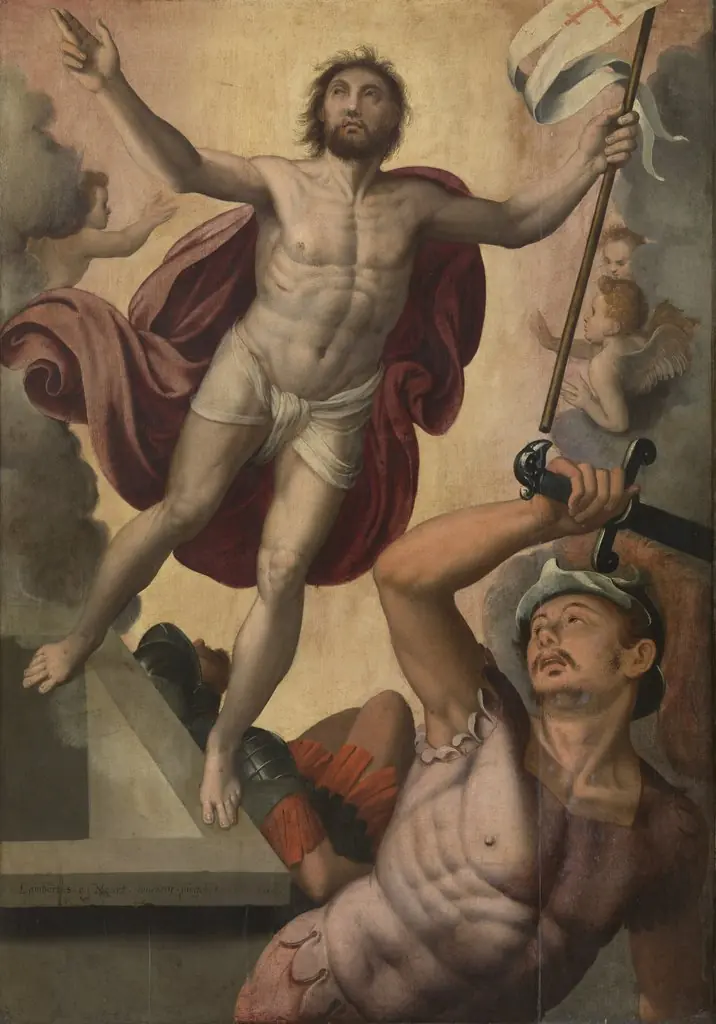
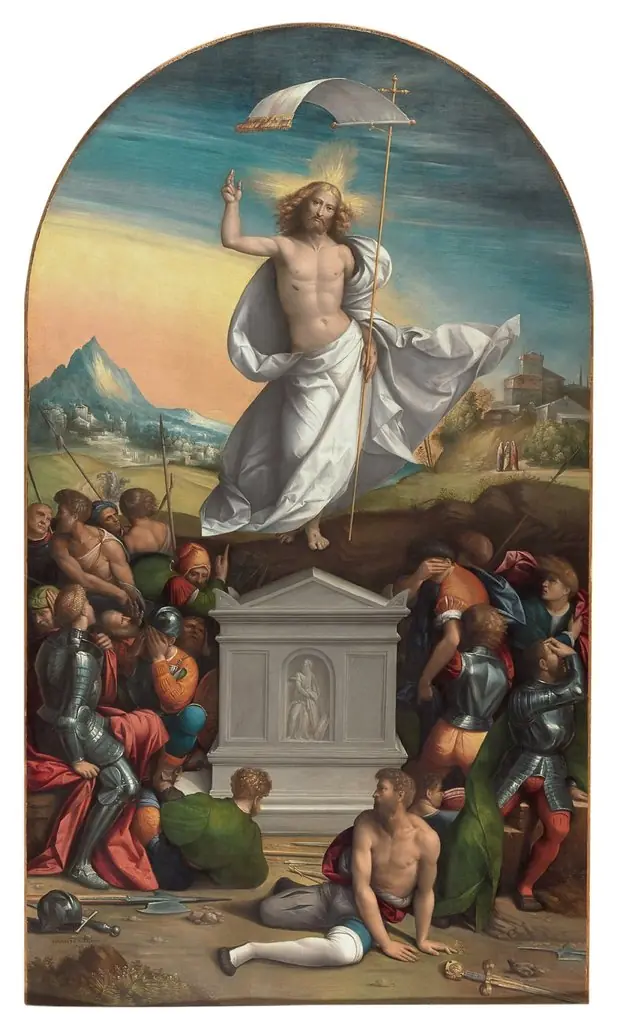
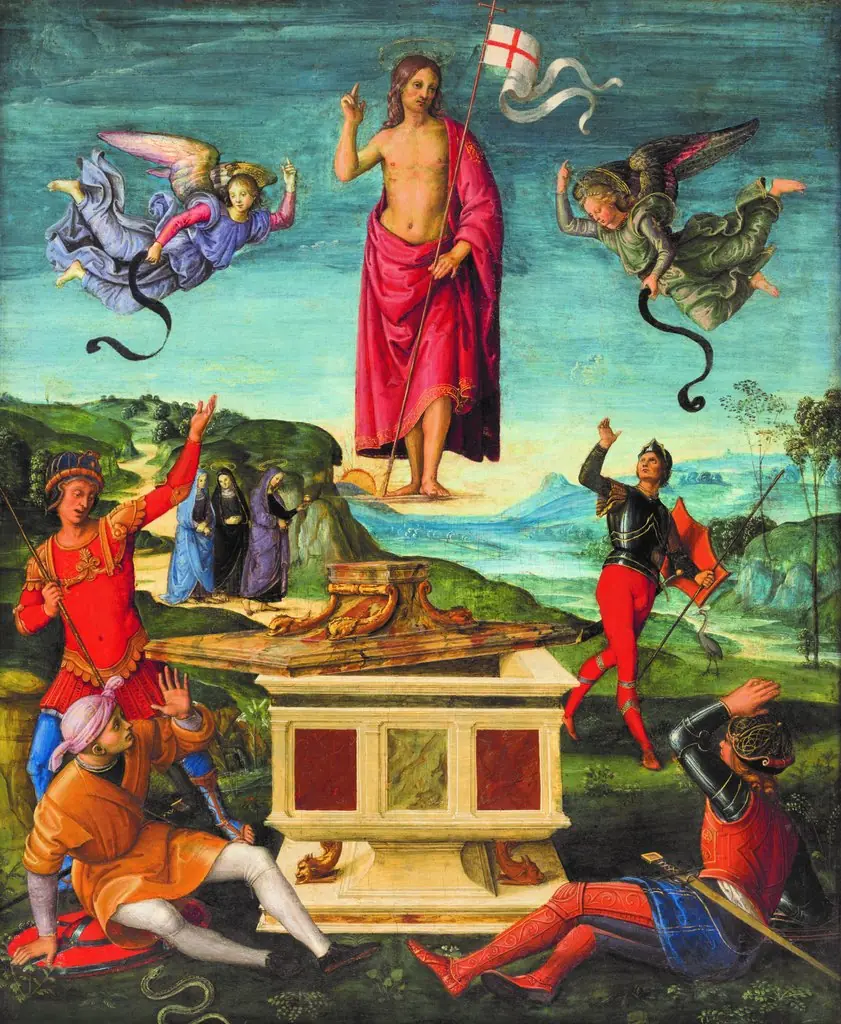
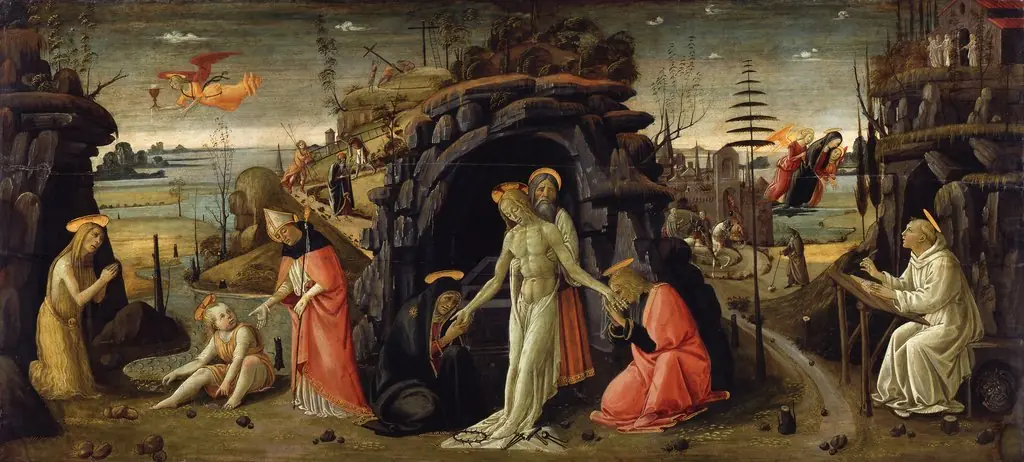
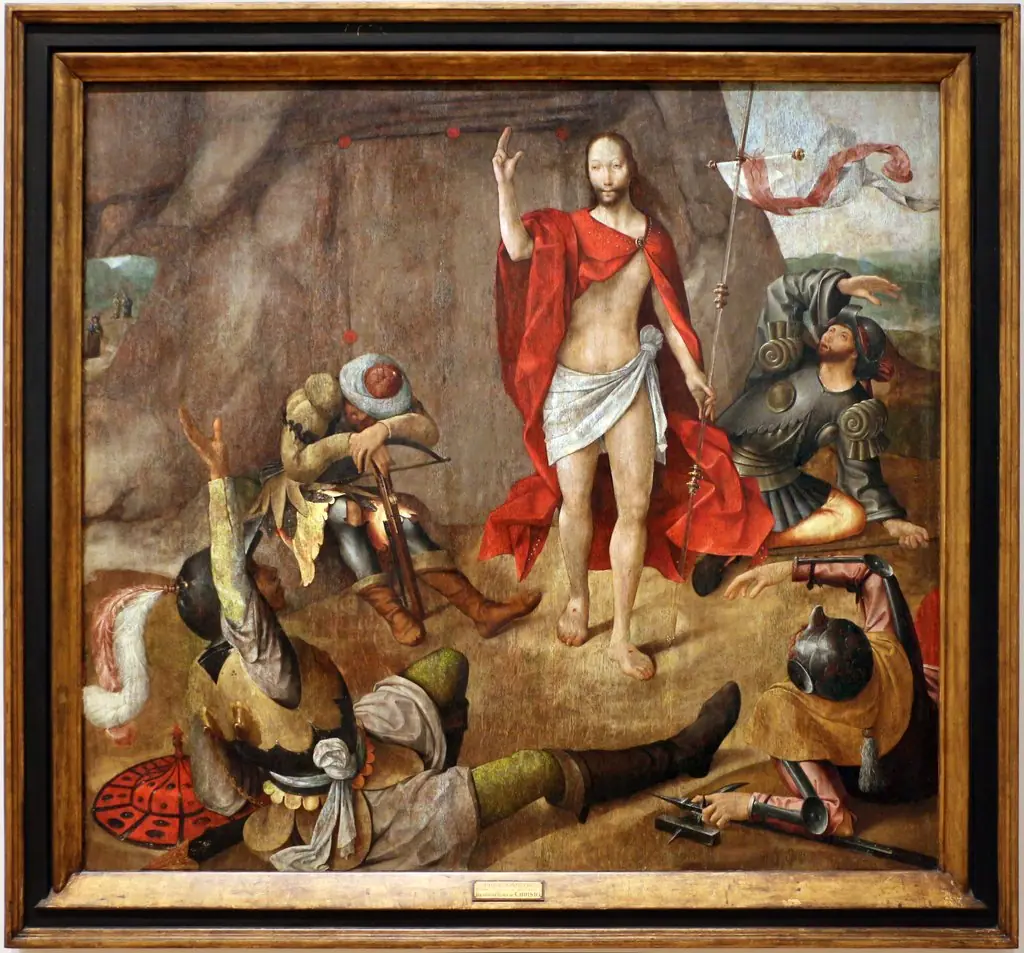
Scenes of the Passion and Resurrection of Christ is an unspecified painting by the Mannerist artist Unknown. It dates from 1541 and is held in the collection of the Museum of Fine Arts, Houston. This painting presents a sequence of events from the Passion and Resurrection of Christ within a single composition.
About this work
Overview
This painting presents a sequence of events from the Passion and Resurrection of Christ within a single composition.
This painting presents a sequence of events from the Passion and Resurrection of Christ within a single composition. Set against a rugged landscape with distant architecture and rolling hills, the scene unites multiple moments of the narrative through spatial arrangement rather than chronological order. The central figure, identified by his halo and attire, anchors the composition as the focal point of divine action.
Subject & Meaning
The central figure represents Christ, depicted at a moment of authority, possibly during the Resurrection or an appearance to disciples. Surrounding figures convey varied emotional responses—some in grief, others in awe or supplication. The arrangement suggests a theological emphasis on witness and revelation, with the dead and kneeling symbolizing human reaction to divine intervention, reinforcing themes of sacrifice and renewal.
Technique & Style
The artist employs a muted palette of earth tones, deep reds, and cool blues to unify the scene without visual distraction. Figures are rendered with simplified forms and minimal modeling, emphasizing symbolic presence over naturalism. The rocky terrain and architectural elements are suggested rather than detailed, creating a timeless, otherworldly atmosphere that prioritizes spiritual narrative over physical realism.
History & Provenance
The painting’s origins are tied to late medieval devotional practices, likely produced for private or monastic use. Its compact scale and narrative density suggest it was part of a larger altarpiece or devotional panel. No definitive record of its early ownership exists, but stylistic similarities place it within regional workshops of the 14th or early 15th century, possibly in Italy or southern France.
Context
Created during a period when biblical storytelling in art emphasized emotional accessibility, this work reflects the growing demand for visual meditations on Christ’s suffering and triumph. Unlike grand public altarpieces, its restrained palette and intimate scale indicate use in personal prayer or small chapels, aligning with trends in lay piety that favored contemplative imagery over spectacle.
Legacy
Though not widely known today, the painting exemplifies a quiet tradition of medieval narrative art that prioritized spiritual resonance over dramatic flair. Its compositional approach—layering sacred moments within a unified landscape—influenced later devotional panels in the early Renaissance, particularly in regions where textual clarity and symbolic coherence remained central to religious imagery.
Artist & collection

 Domestic Scene
 Giacomo and Cardinal Marco, investing Andrea, Abbot of San Zeno, with his Benefice
 The Nymph of Fontainebleau
 Portrait of a Woman
 Madonna and Child with Saints in the Enclosed Garden
 Venus and Minerva
 Family Group of Four on Sofa
 Wall painting from Room H of the Villa of P. Fannius Synistor at Boscoreale