Artwork
Portrait of Cornelis Calkoen, Ambassador to the Ottoman Empire in Constantinople (Istanbul)
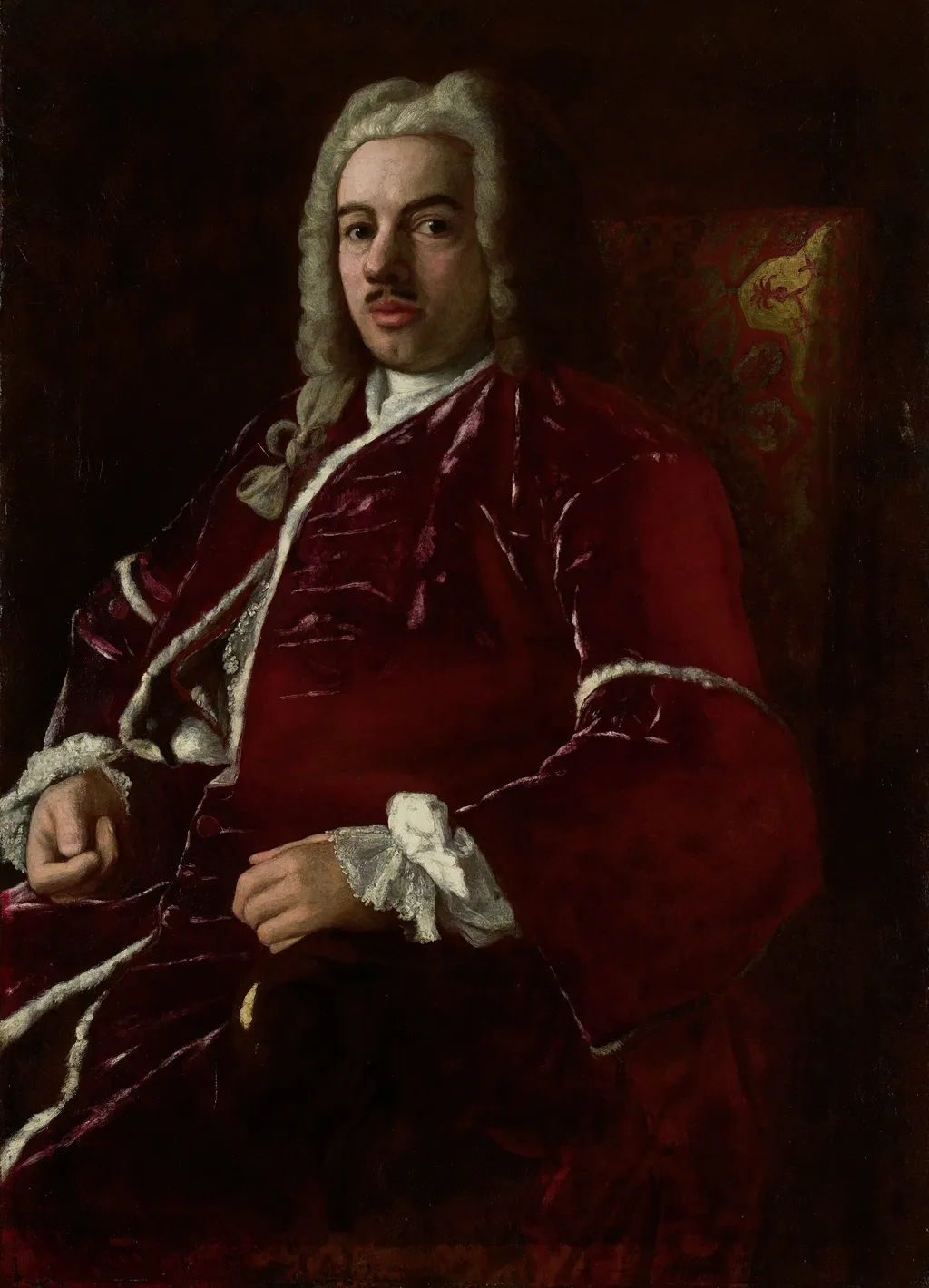
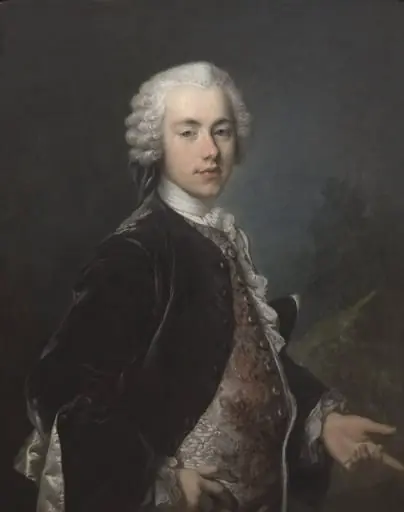
Portrait of Cornelis Calkoen, Ambassador to the Ottoman Empire in Constantinople (Istanbul) is an oil painting by Unknown. It dates from 1731 and is held in the collection of the Rijksmuseum. The oil painting depicts Cornelis Calkoen, who served as Dutch ambassador to the Ottoman Empire, seated in a dark red coat trimmed in white.
About this work
Overview
The oil painting depicts Cornelis Calkoen, who served as Dutch ambassador to the Ottoman Empire, seated in a dark red coat trimmed in white. He holds a white handkerchief with both hands, his powdered wig and trimmed mustache rendered with precise detail. The figure is set against an almost black background, punctuated by a faint golden drapery in the upper corner, creating a stark contrast.
Subject & Meaning
The composed pose and restrained expression convey a sense of measured authority, while the handkerchief may allude to ceremonial protocol or personal modesty.
Calkoen is presented in formal diplomatic attire, emphasizing his official status and the gravitas of his role in Constantinople. The composed pose and restrained expression convey a sense of measured authority, while the handkerchief may allude to ceremonial protocol or personal modesty. The subdued setting focuses attention on the ambassador himself, underscoring his individual presence within the broader context of 17th‑century European‑Ottoman relations.
Technique & Style
The work employs chiaroscuro, with deep shadows enveloping the background and a limited, warm light falling on the red coat, highlighting its texture and the folds of fabric. Brushwork is fine in the facial features and wig, while broader strokes suggest the sheen of the coat. The limited palette of reds, whites, and dark tones enhances the three‑dimensionality of the figure against the near‑black backdrop.
History & Provenance
Created during Calkoen’s tenure as ambassador, the portrait likely originated in the Dutch Republic before being taken to the Ottoman capital. It later entered private collections before being acquired by a museum, where it now serves as a visual record of diplomatic exchange between the Netherlands and the Ottoman Empire in the early modern period.
Artist & collection

 Domestic Scene
 Giacomo and Cardinal Marco, investing Andrea, Abbot of San Zeno, with his Benefice
 The Nymph of Fontainebleau
 Portrait of a Woman
 Madonna and Child with Saints in the Enclosed Garden
 Venus and Minerva
 Family Group of Four on Sofa
 Wall painting from Room H of the Villa of P. Fannius Synistor at Boscoreale
 André François Alloys de Theys d'Herculais (1692–1779)
 The Engraver and Goldsmith Jacques Roettiers
 Autoportretul pictorului Hyacinthe Rigaud
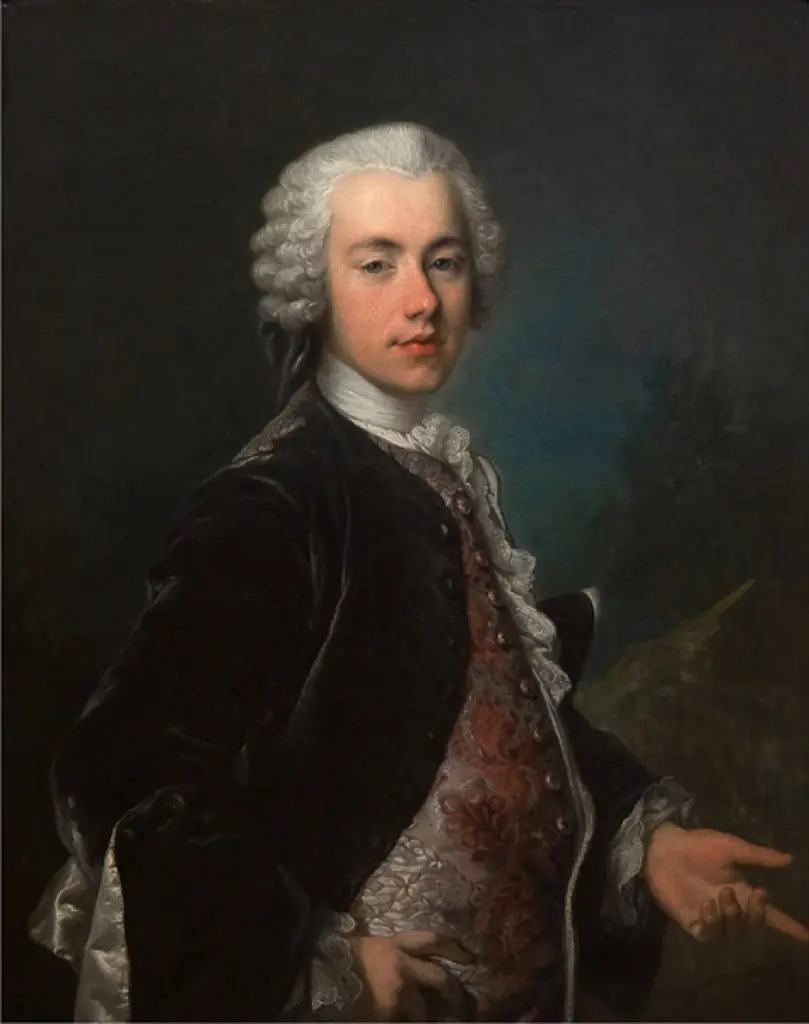 Portrait of Frederik Berregaard
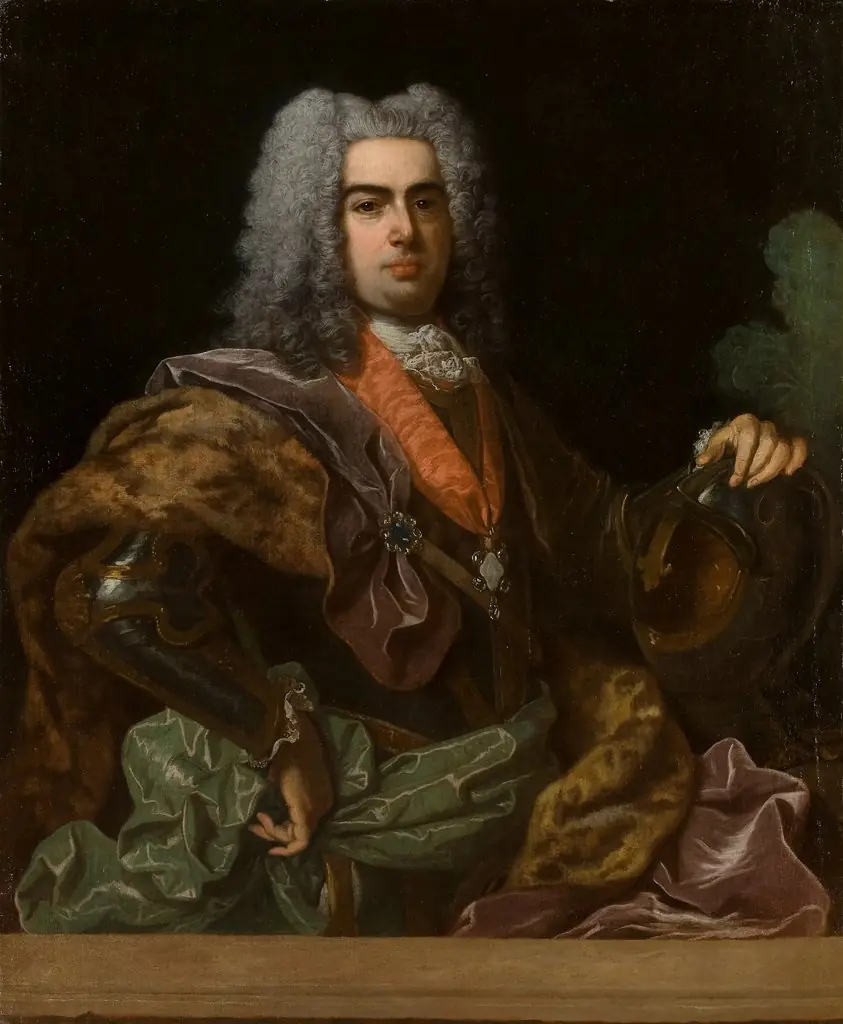 John V, King of Portugal
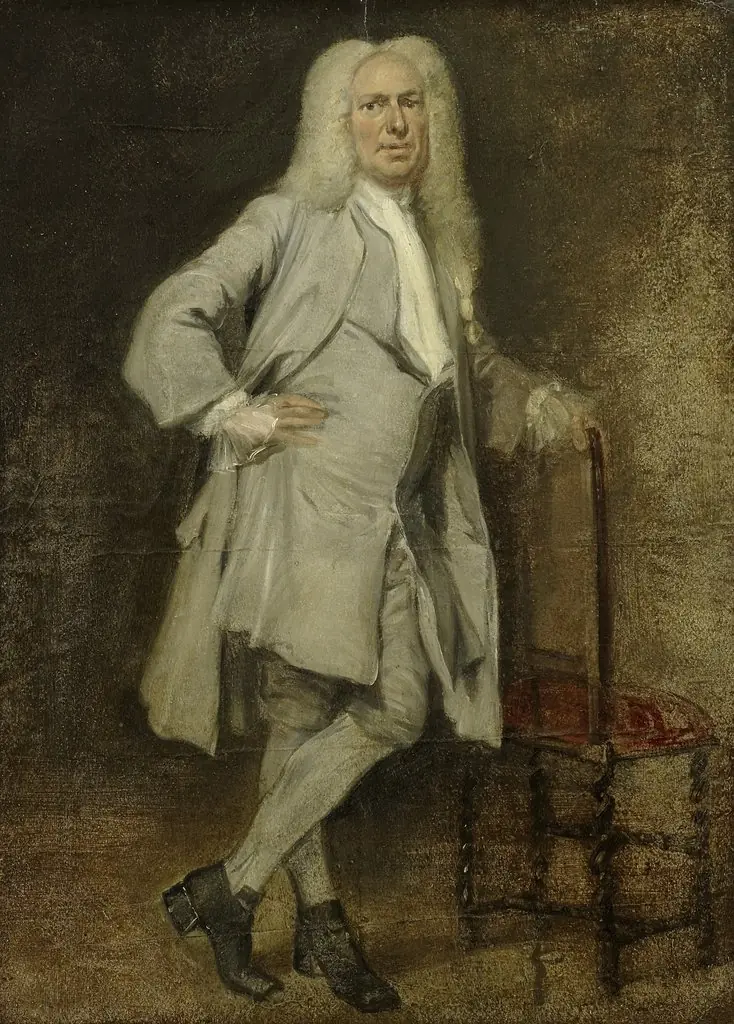 Portrait of Jan Lepeltak, Timber Merchant in Amsterdam, Regent of the Aalmoezeniersweeshuis Orphanage
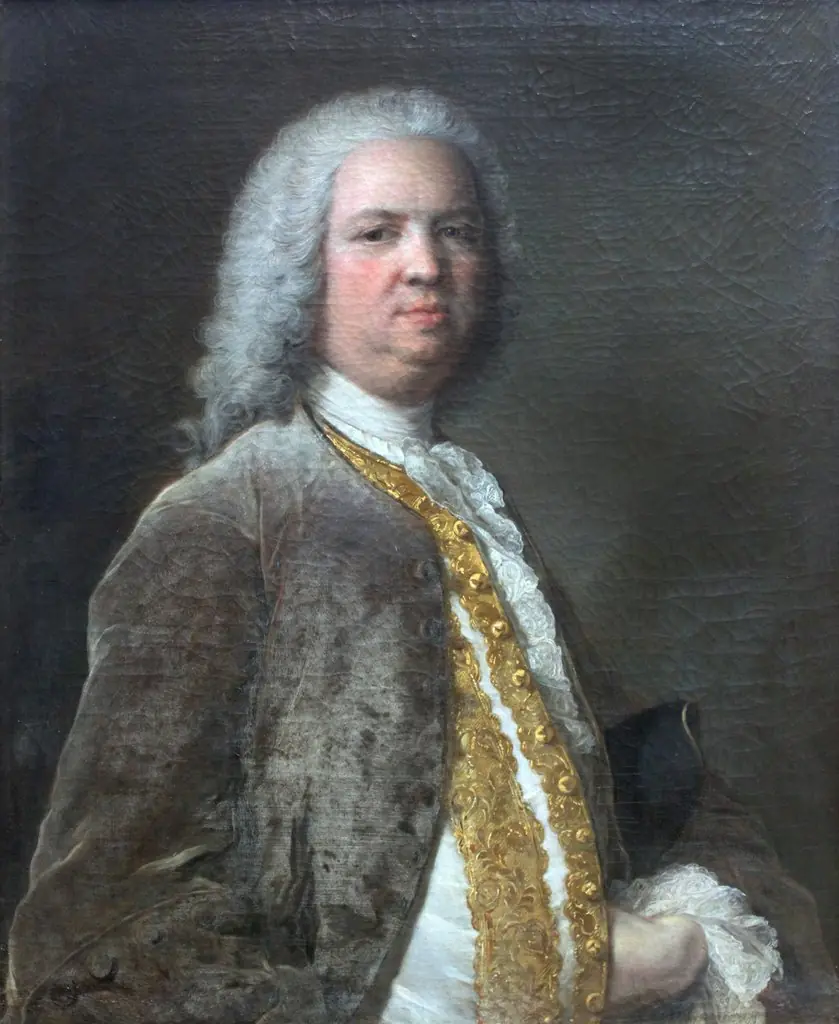 Portrait of the Frankfurt banker Johann Georg Leerse
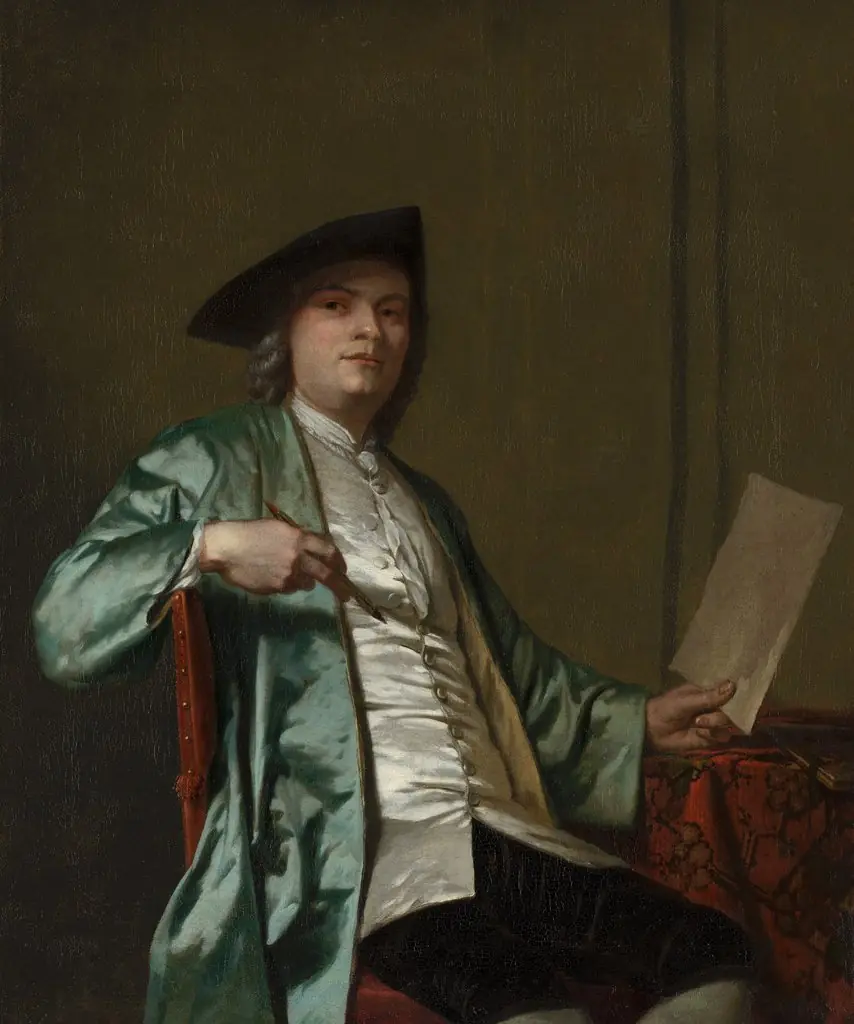 Portrait of Cornelis Ploos van Amstel (1726-1798)
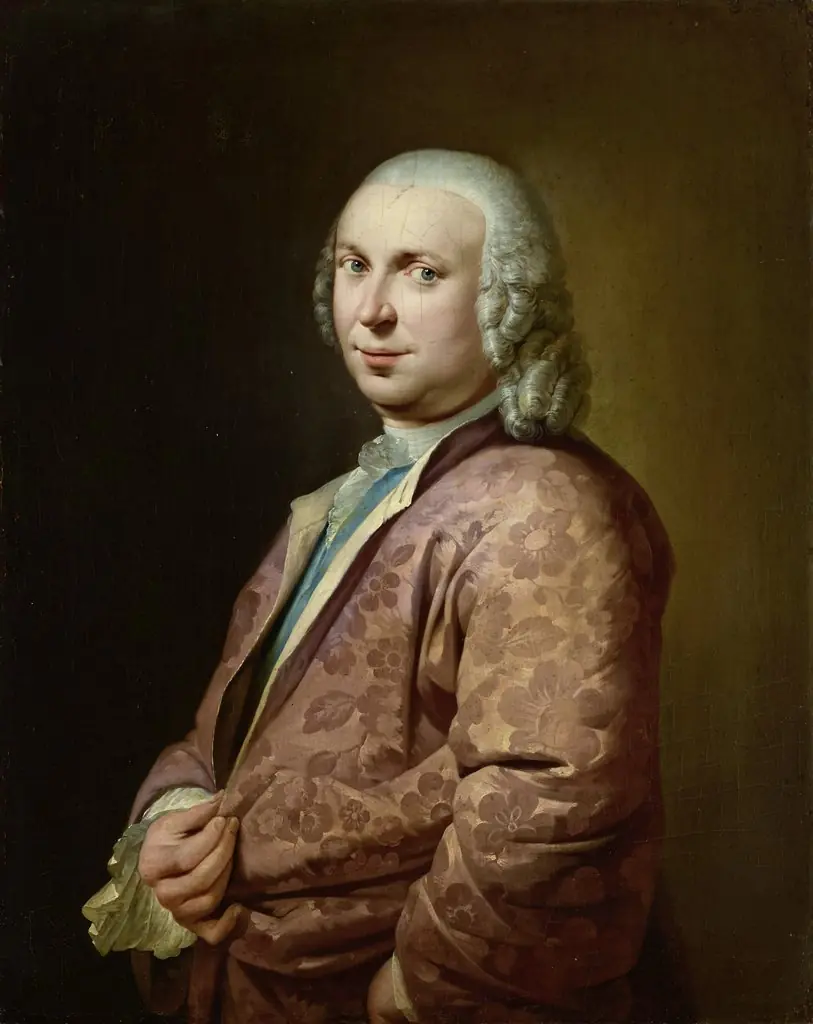 Portrait of a Man
 Portrait of Isaac van Rijneveld
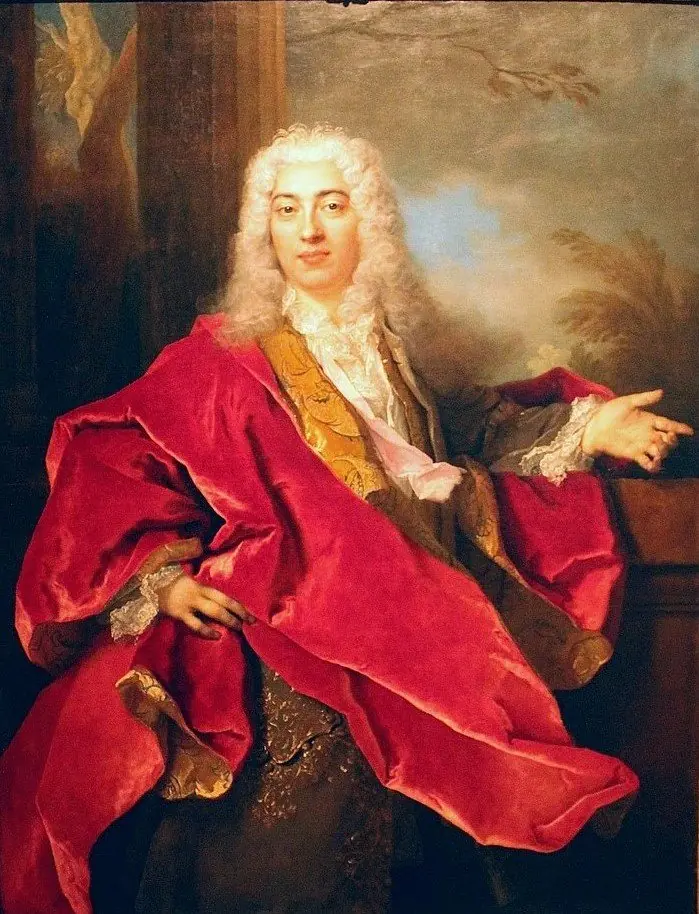 Portrait of Monsieur de Noirmont
 Portrait of Frederik Berregaard