Artwork
Portrait of Jacob Mossel, Governor-General of the Dutch East India Company
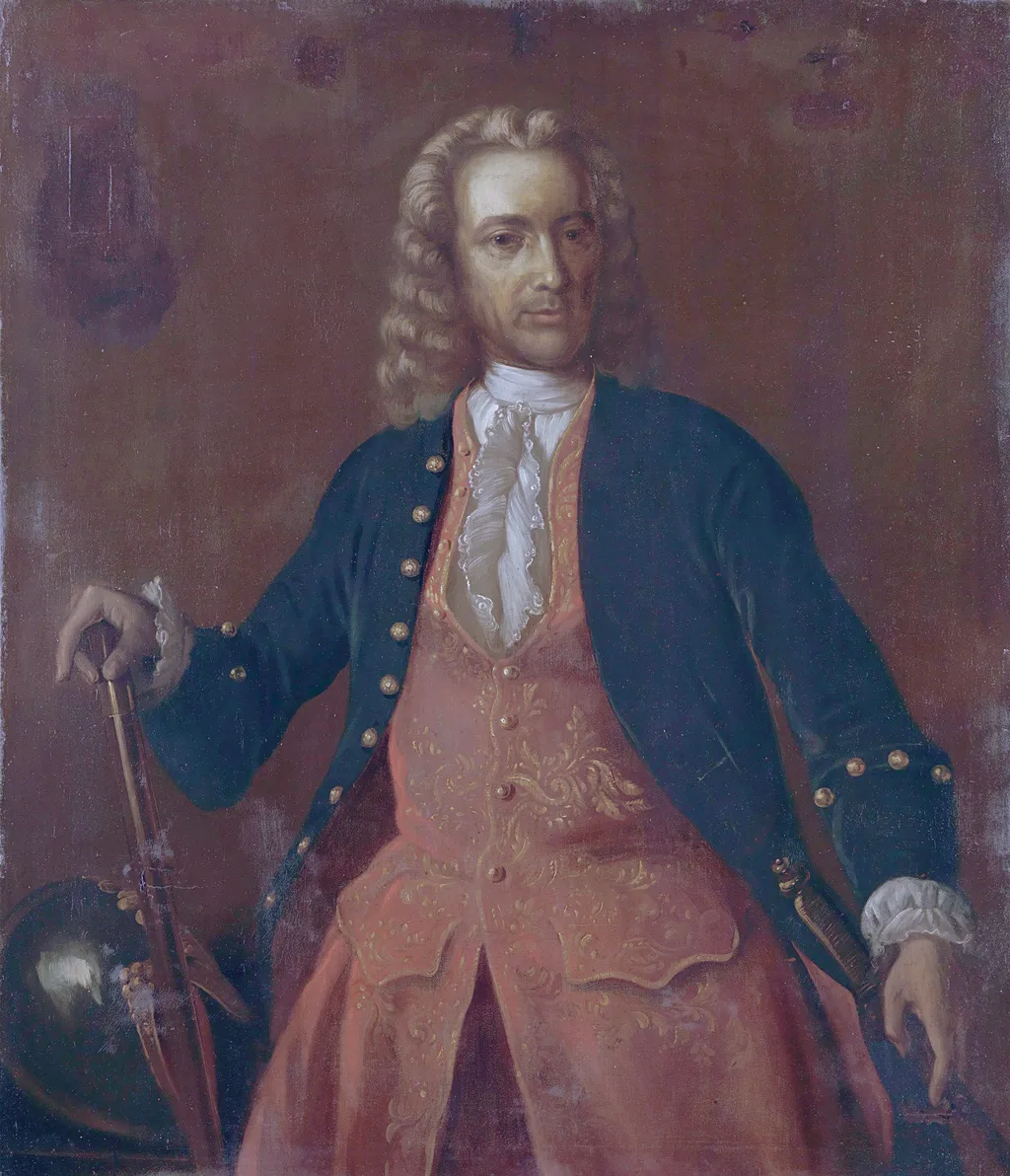
Portrait of Jacob Mossel, Governor-General of the Dutch East India Company is an oil painting. It dates from 1750 and is held in the collection of the Rijksmuseum. The oil painting depicts Jacob Mossel, who served as Governor‑General of the Dutch East India Company.
About this work
Overview
The oil painting depicts Jacob Mossel, who served as Governor‑General of the Dutch East India Company. He is rendered in a formal pose, wearing a red and gold costume with a dark blue coat, a powdered wig, and holding a walking stick. The figure stands before a flat, dark background that isolates him from any surrounding context.
Subject & Meaning
Mossel’s attire and accessories—gold‑trimmed buttons, lace detailing, and the staff—signal his high rank and official capacity within the Dutch colonial administration. The portrait functions as a visual assertion of authority, presenting the governor‑general as a dignified representative of the company's power in the East Indies.
Technique & Style
The artist employs chiaroscuro, using strong contrasts of light and shadow to model the sitter’s face and clothing, giving a three‑dimensional quality to the flesh and fabric. The rendering of textures, from the sheen of the silk to the delicate lace, demonstrates a meticulous approach to surface detail typical of 17th‑century Dutch portraiture.
History & Provenance
Created during Mossel’s tenure in the mid‑18th century, the work was likely commissioned for official display by the Dutch East India Company. It later entered museum collections, where it has been preserved as a representative example of colonial portraiture.
Artist & collection

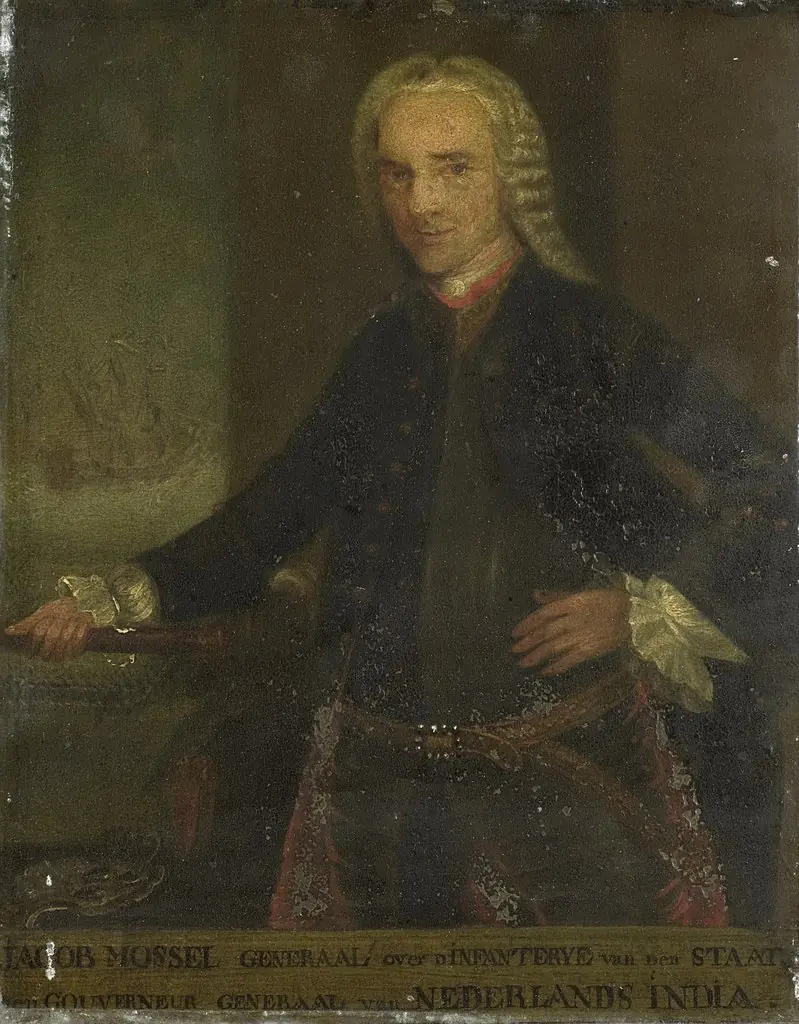 Portrait of Jacob Mossel (1704-1761)
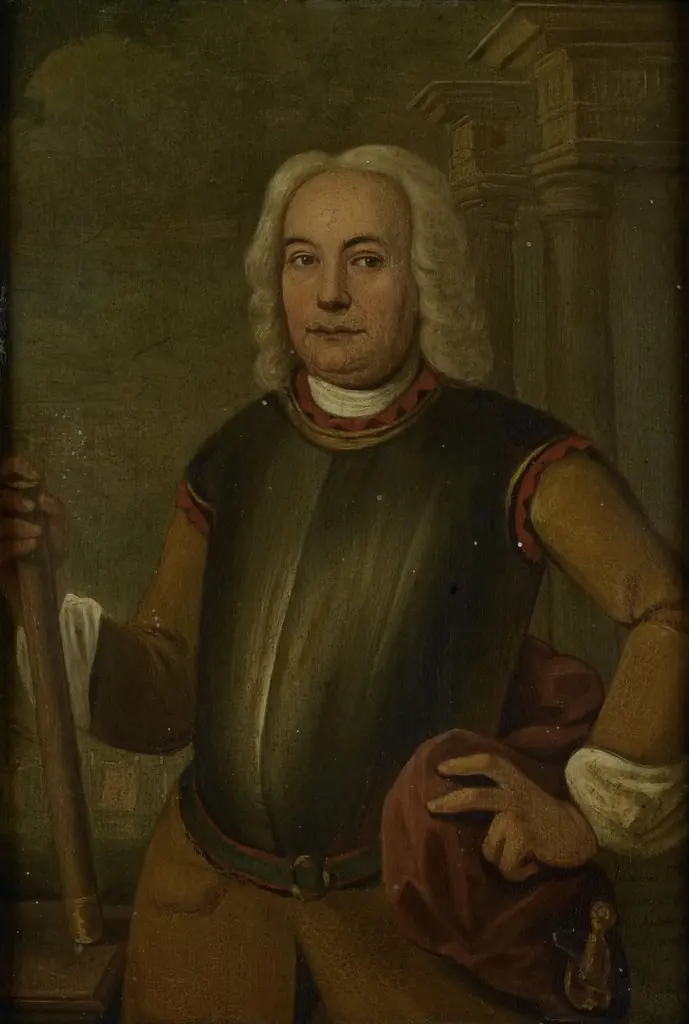
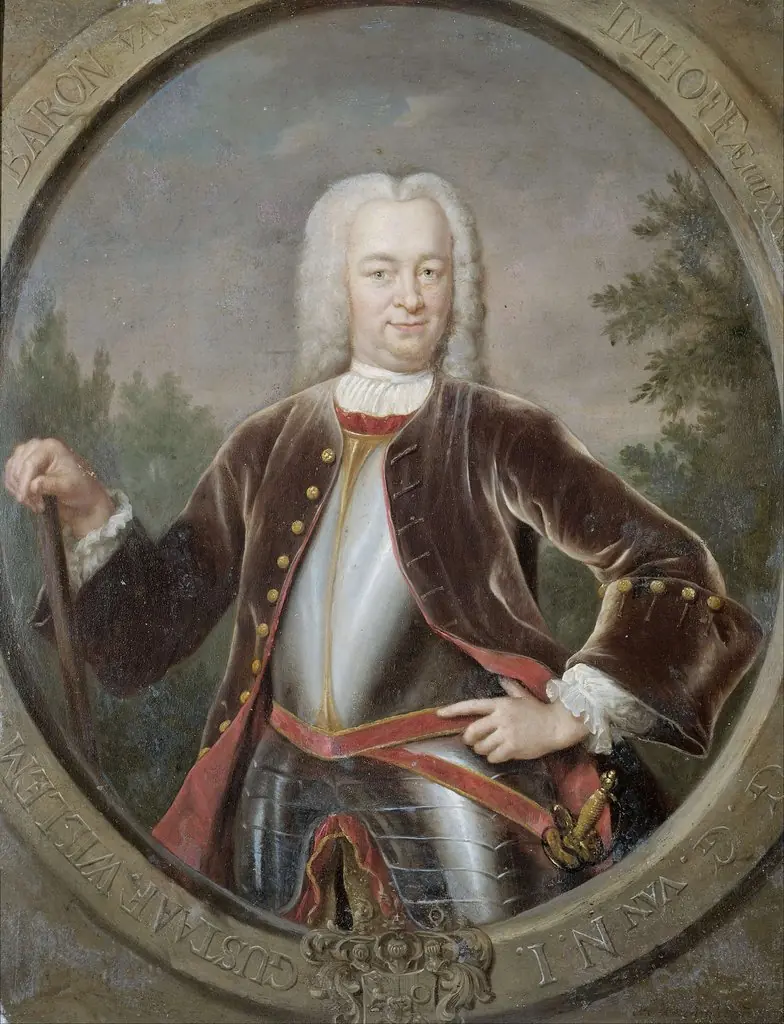 Portrait of Gustaaf Willem, Baron van Imhoff, Governor-General of the Dutch East India Company
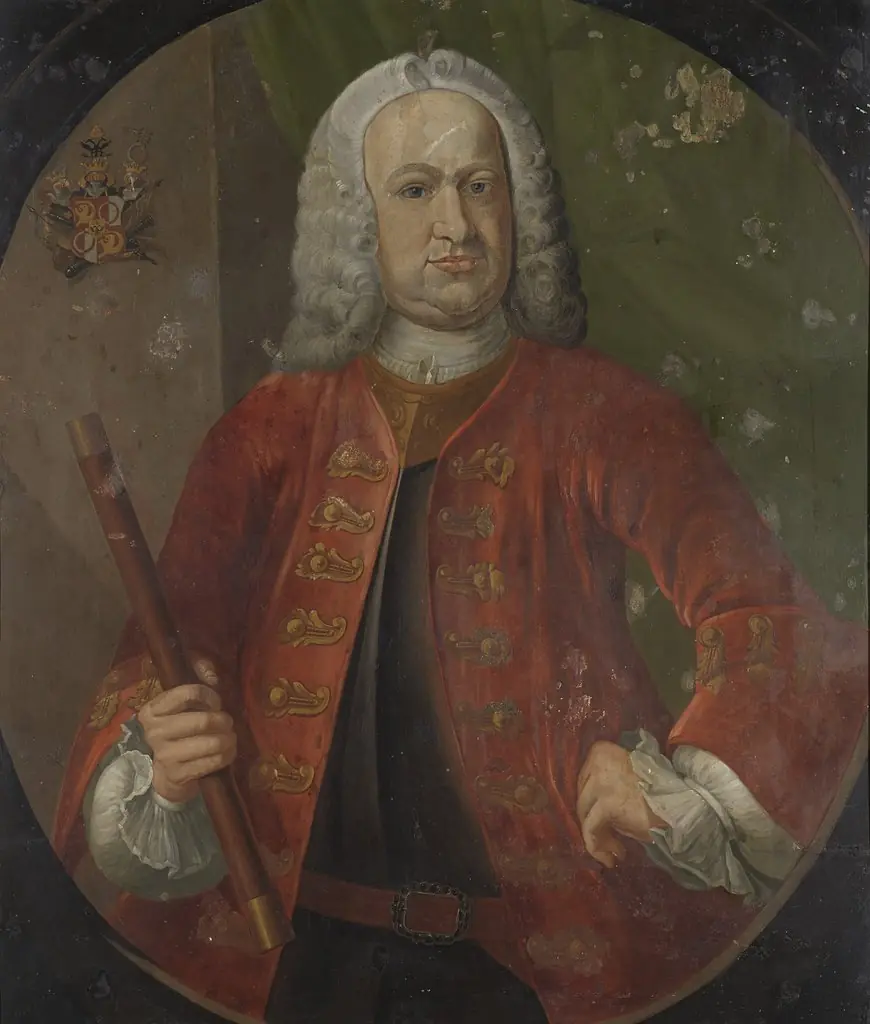 Portrait of Gustaaf Willem, Baron van Imhoff, Governor-General of the Dutch East India Company
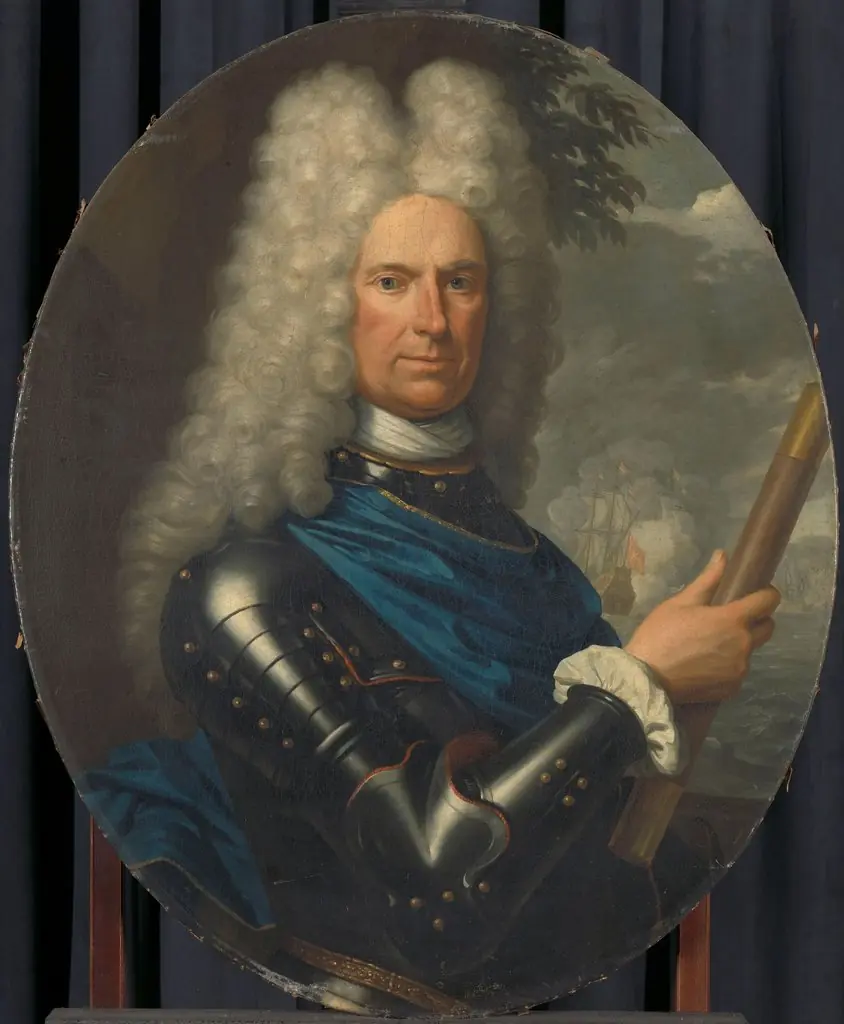
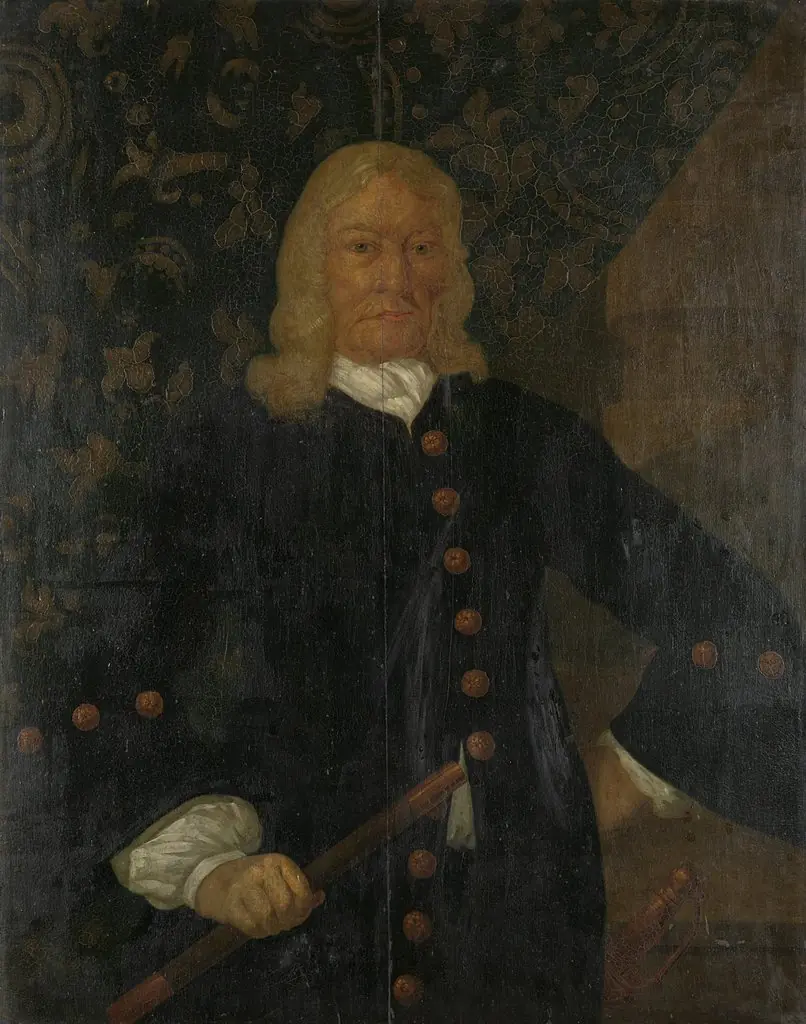 Portrait of Willem van Outhoorn, Governor-General of the Dutch East Indies
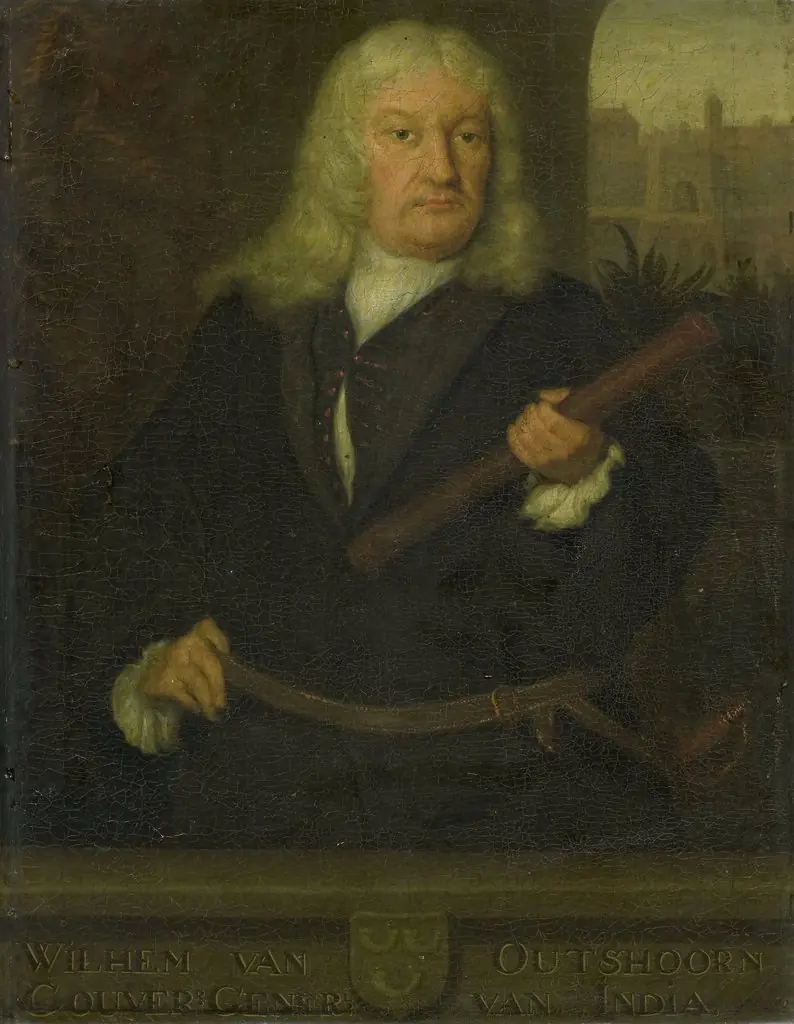 Portrait of Willem van Outhoorn, Governor General of the Dutch East Indies