Artwork
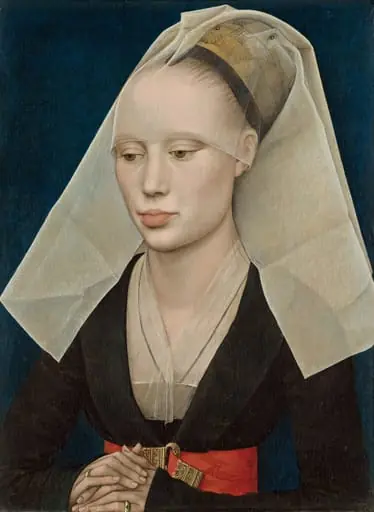
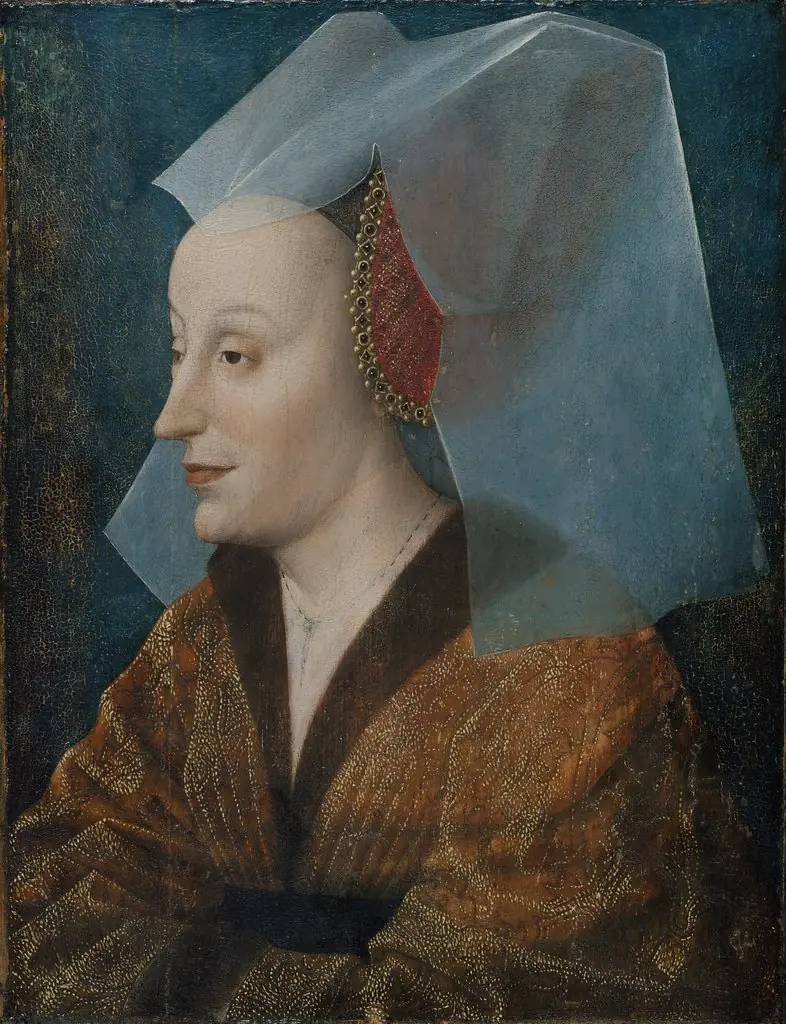
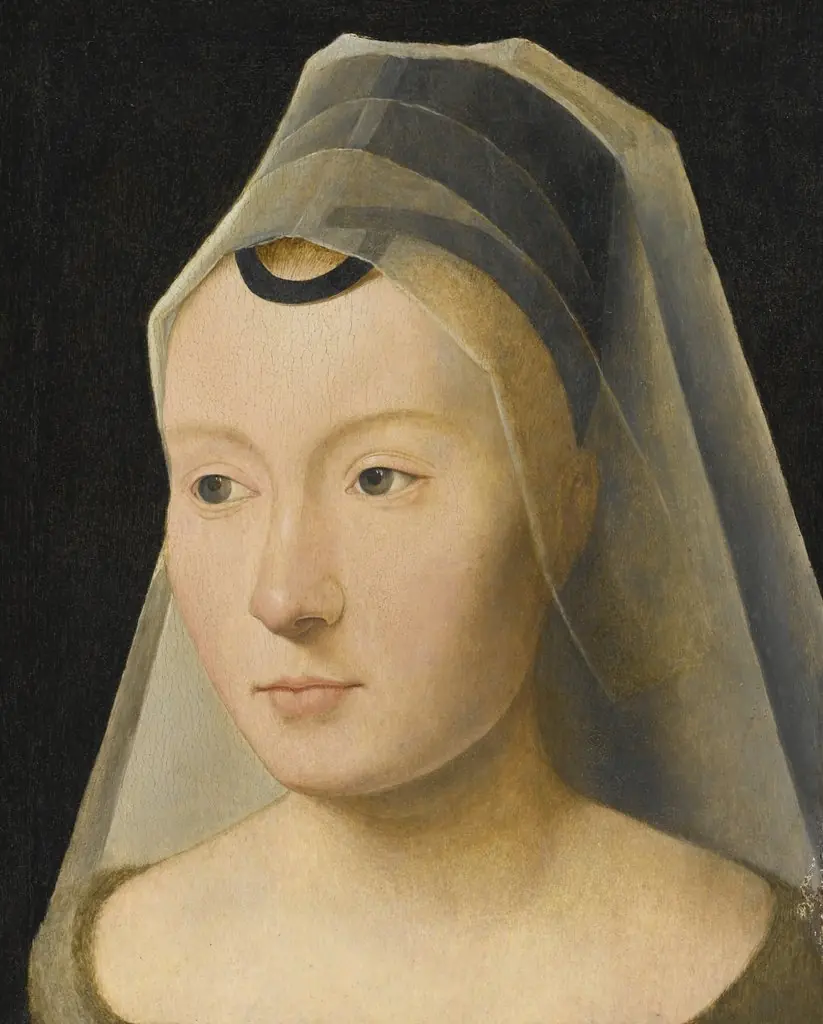
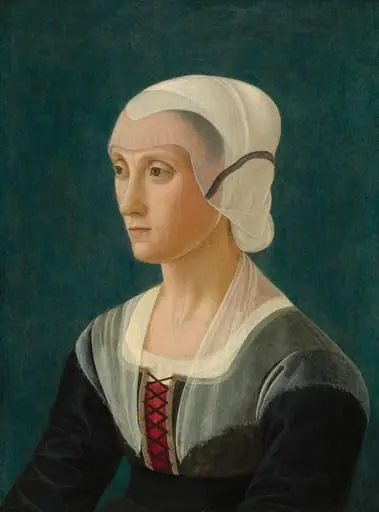
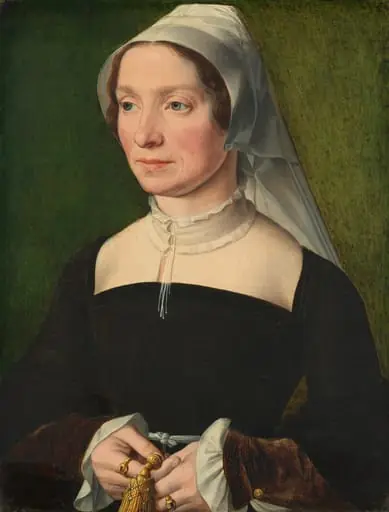
Portrait of a woman
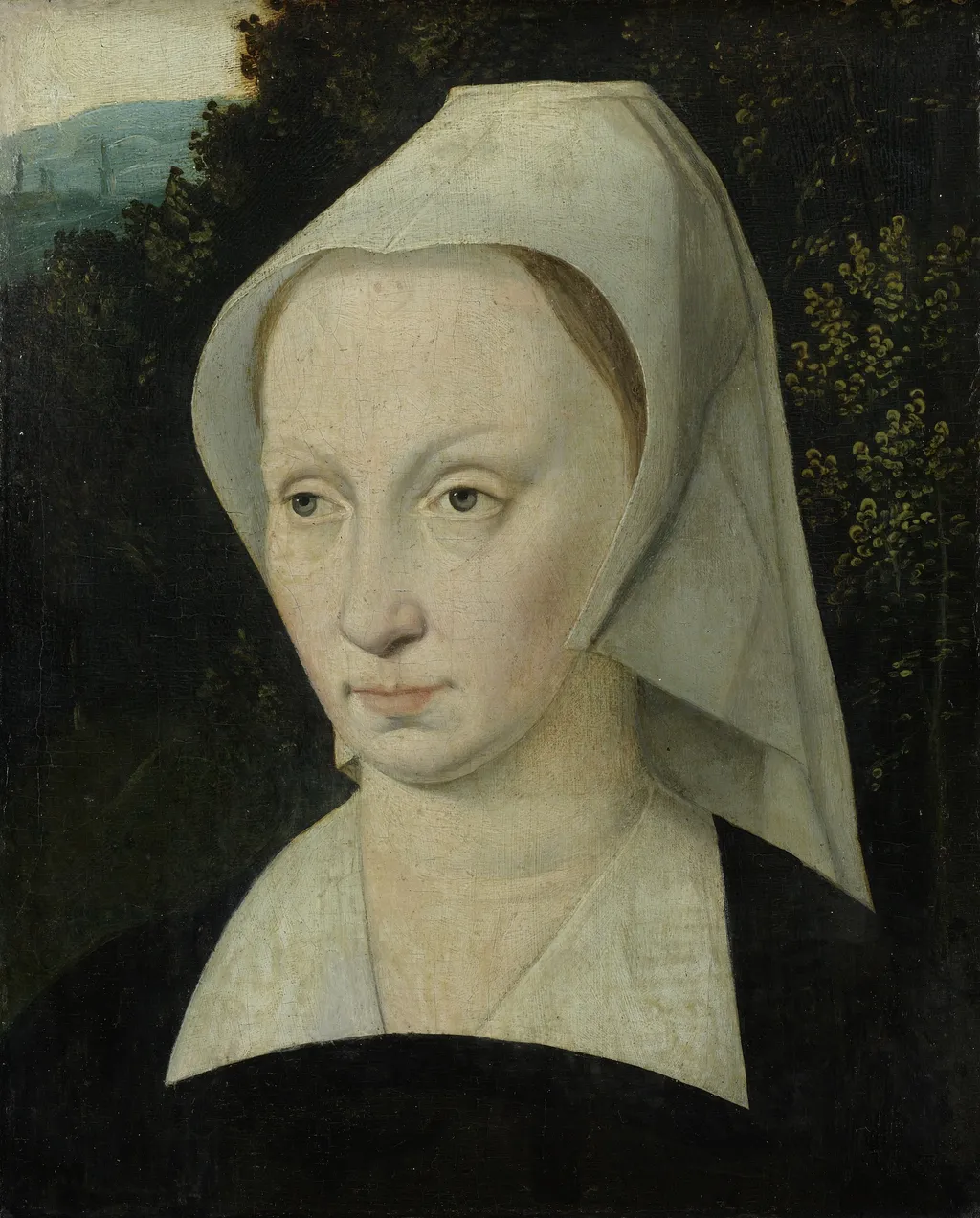
Portrait of a woman is an oil painting by the Mannerist artist Pieter Gerritsz.. It is held in the collection of the Rijksmuseum.
About this work
Overview
Created around 1550, this oil painting by Pieter Gerritsz. presents a solitary female sitter. The work is part of the Rijksmuseum’s collection and exemplifies mid‑sixteenth‑century portraiture in the Northern Netherlands. Its modest dimensions and restrained composition focus attention on the figure rather than any elaborate setting.
Subject & Meaning
The portrait shows a woman with pale skin and a composed, serious expression. She is dressed in a simple white cap and a light veil that falls over her shoulders, suggesting modesty and perhaps a middle‑class status. The lack of overt symbols leaves her identity ambiguous, inviting viewers to consider the universal qualities of poise and dignity.
Technique & Style
Gerritsz. employs a subtle chiaroscuro, using a soft, directional light to illuminate the sitter’s face while the surrounding space recedes into darkness. This contrast renders the skin with a gentle glow and defines the folds of the veil. The brushwork is restrained, with careful attention to the texture of fabric and the delicate modeling of facial features.
History & Provenance
The painting has been in the Rijksmuseum’s holdings since the early twentieth century, though its earlier ownership records are sparse. It was likely acquired from a private collection that had preserved the work in relatively good condition, allowing the museum to display it as an example of Pieter Gerritsz.’s oeuvre.
Context
During the mid‑1500s, Dutch portraiture began to emphasize realism and individual character, moving away from the more stylized medieval conventions. This work reflects that shift, aligning with contemporary trends toward naturalistic lighting and a focus on the sitter’s inner presence rather than elaborate background narratives.
Own this work as a print
Artist & collection
Artist
This Dutch painter worked in the mid-1500s, leaving behind a single surviving portrait of a bearded man in a dark cap and fur collar.