Artwork
Portrait of Pieter Both (....-1615)
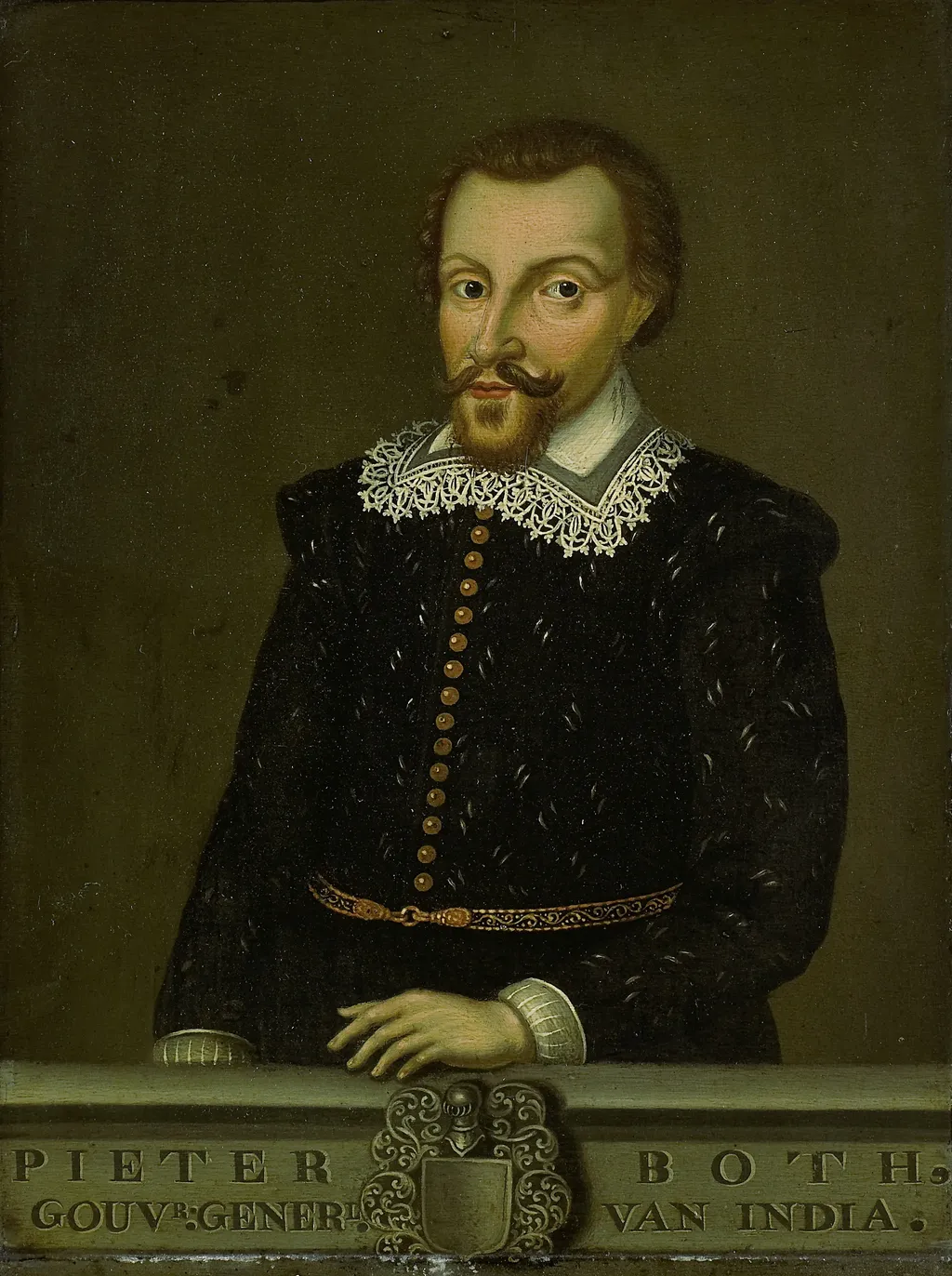
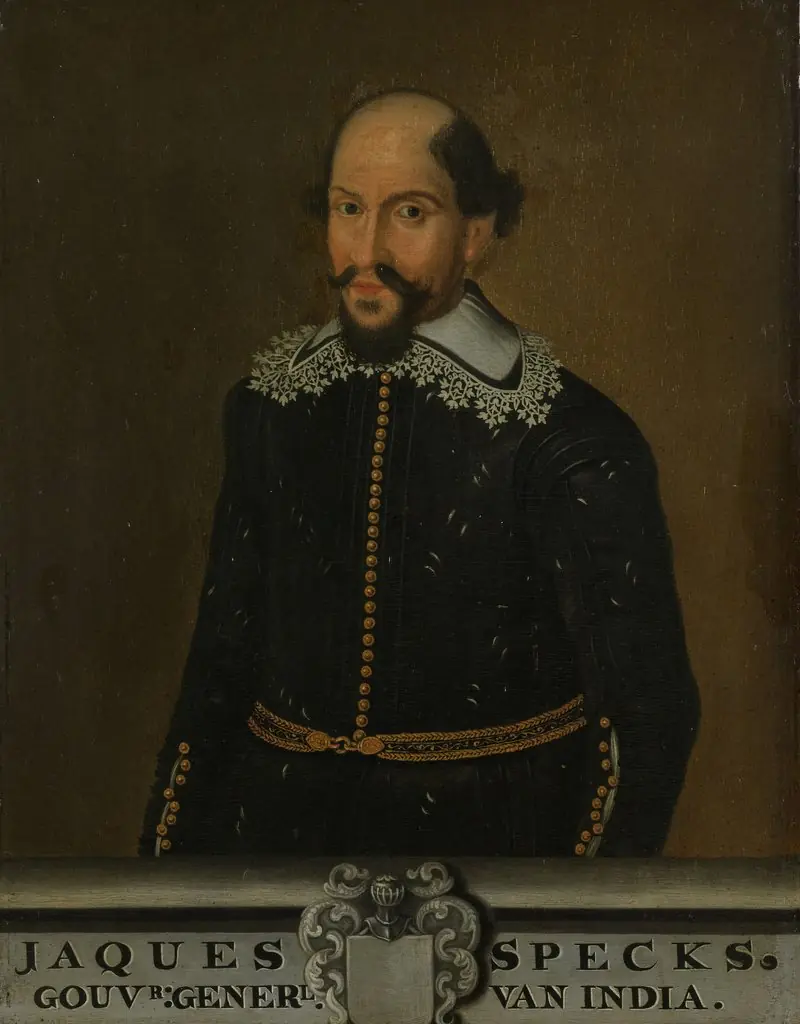
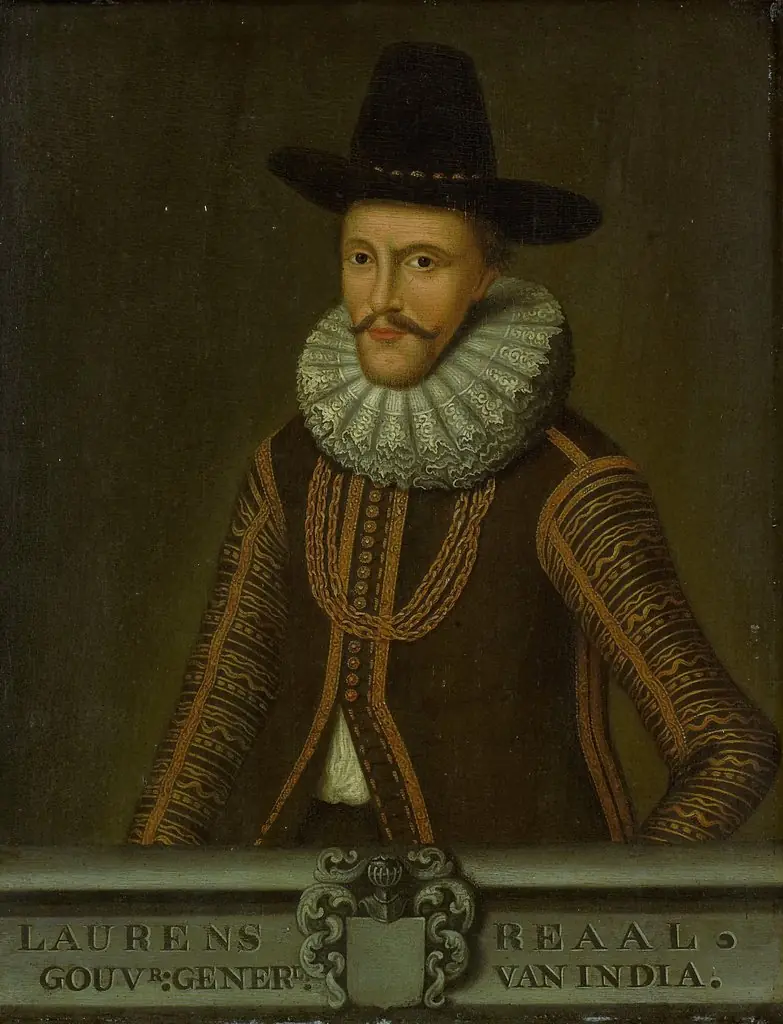
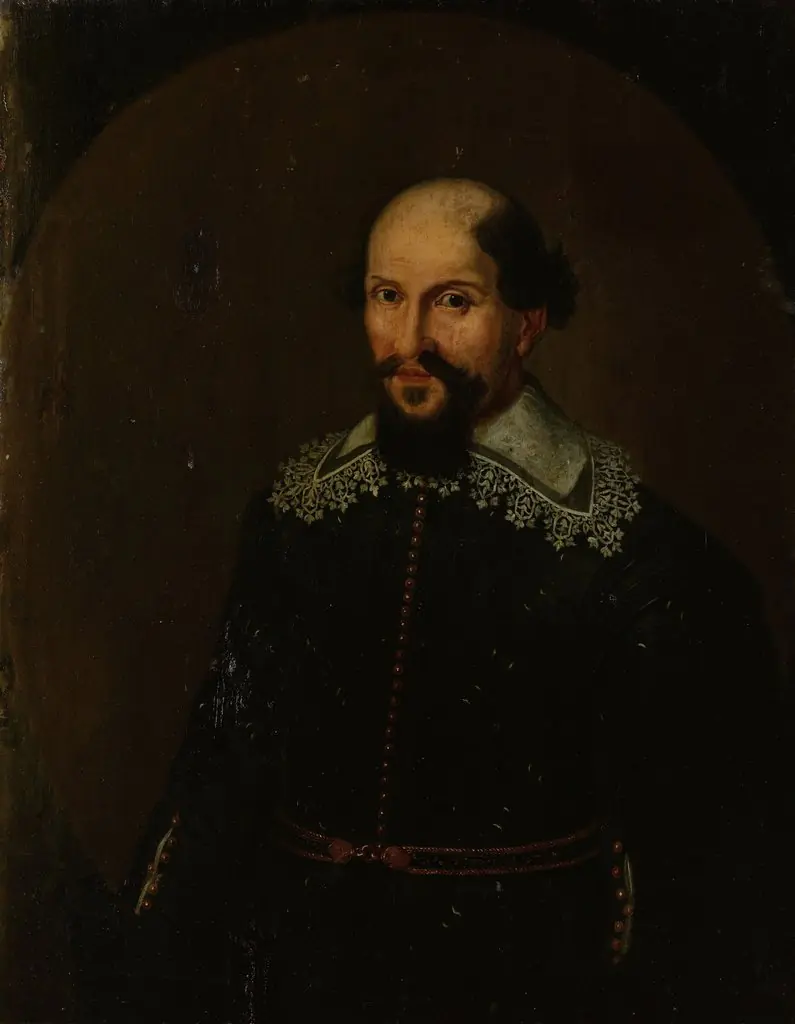
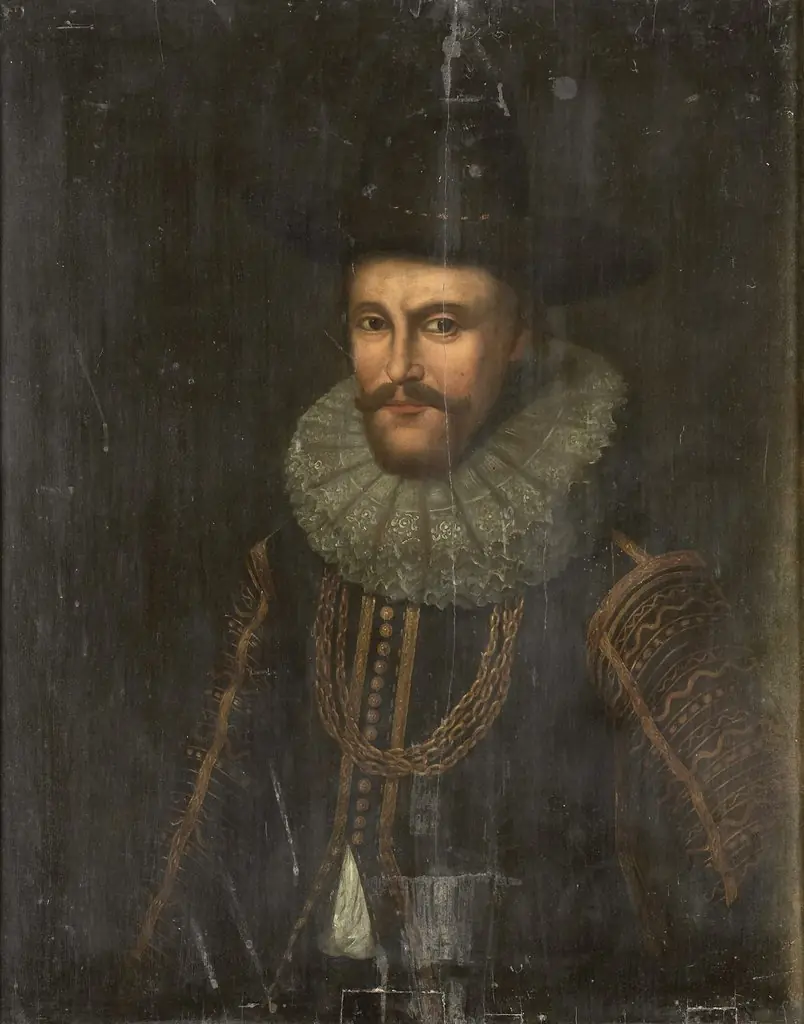
Portrait of Pieter Both (....-1615) is an oil painting. It dates from 1775 and is held in the collection of the Rijksmuseum. The work is an oil painting that portrays a seated gentleman with dark hair and a moustache.
About this work
Overview
The work is an oil painting that portrays a seated gentleman with dark hair and a moustache. He wears a black jacket trimmed with white lace at the collar and cuffs, a brown belt, and rests his hands on a ledge that bears an inscription. The composition follows the conventions of formal portraiture from an earlier period, emphasizing the sitter’s status through clothing and pose.
Subject & Meaning
The figure is identified as Pieter Both, a notable individual whose name suggests a connection to early 17th‑century Dutch society. The careful rendering of his attire and the inclusion of an inscribed ledge imply a desire to convey both personal identity and social standing, typical of portraiture intended to memorialize prominent persons.
Technique & Style
Executed in oil on canvas, the painting displays a restrained palette dominated by deep blacks and muted earth tones, contrasted by the bright white lace detailing. Fine brushwork captures the texture of the fabrics and the subtle modeling of the face, while the illuminated inscription adds a textual element that anchors the composition.
History & Provenance
Created sometime before 1615, the portrait reflects the artistic conventions of the early Dutch Golden Age. Its provenance is not fully documented, but the work has been associated with collections that focus on early modern Dutch portraiture, indicating its relevance to the period’s visual culture.
Context
Portraits of this type served both as personal commemoration and as visual affirmations of civic or commercial achievement. In the early 1600s, such images were often displayed in private homes or offices, reinforcing the sitter’s role within the social and economic networks of the Dutch Republic.
Artist & collection