Artwork
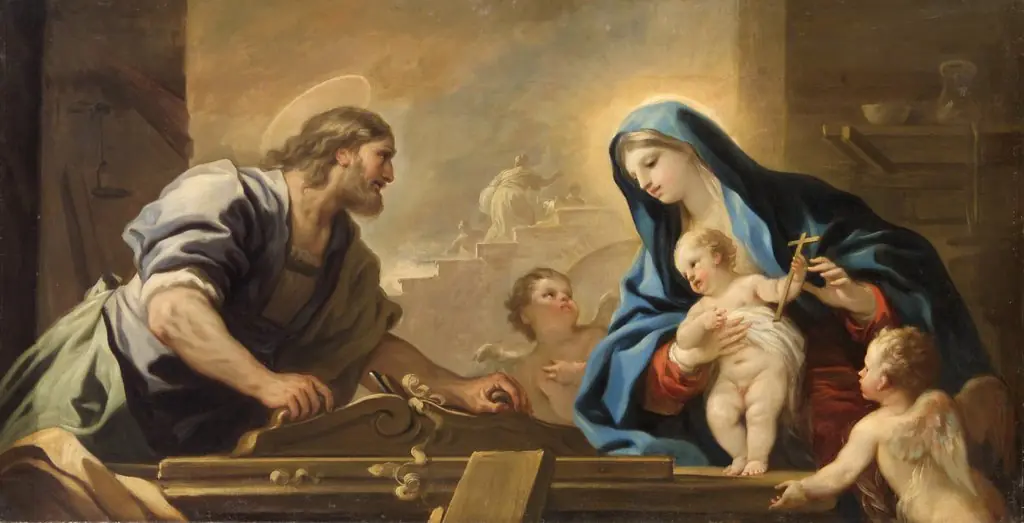
The House at Nazareth
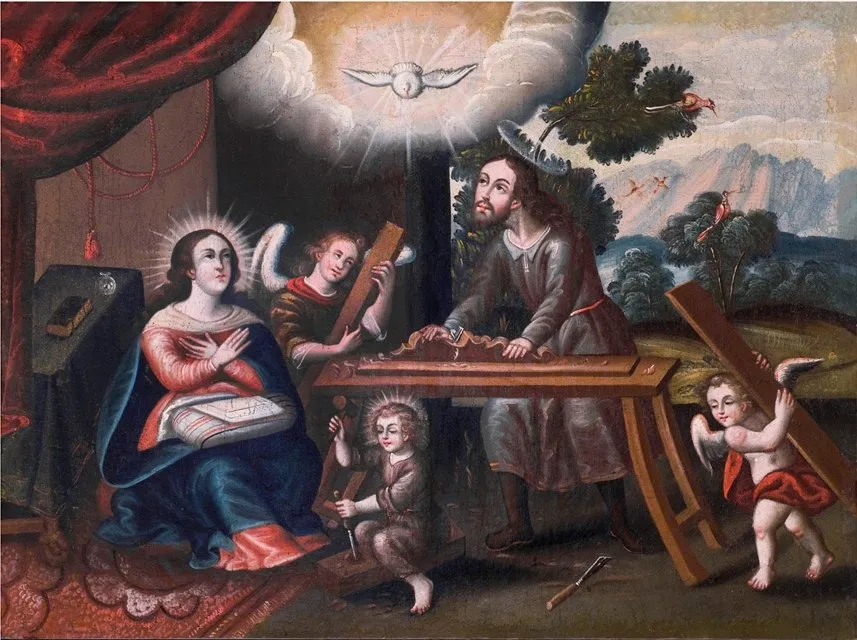
The House at Nazareth is an oil painting by the Rococo painting artist Unknown. It dates from 1750 and is held in the collection of the Philadelphia Museum of Art.
About this work
Overview
An oil painting titled The House at Nazareth portrays a quiet domestic interior with figures engaged in ordinary activities. The composition centers on a man at a table, a seated woman, and two children, all rendered with calm precision. Soft lighting and muted tones contribute to a still, contemplative mood, evoking a sense of daily life rather than narrative drama.
Subject & Meaning
The scene suggests a family moment in a humble home, possibly referencing the Holy Family’s life in Nazareth. The woman’s blue robe and red sash, along with the man’s gray tunic and matching sash, imply modest status and symbolic color associations common in religious art. The presence of children and domestic objects reinforces themes of quiet devotion and familial harmony.
Technique & Style
The painting employs careful brushwork to define textures—fabric folds, wooden surfaces, and natural elements—with restrained detail.
The painting employs careful brushwork to define textures—fabric folds, wooden surfaces, and natural elements—with restrained detail. Light falls evenly across the interior, minimizing shadows to enhance serenity. The background landscape, though simplified, integrates naturally with the interior, blurring boundaries between inside and outside in a manner consistent with early 20th-century American realism.
History & Provenance
The work is associated stylistically with the Philadelphia Museum of Art’s collection, suggesting it may have been created by an artist connected to that institution’s circle or influenced by its aesthetic priorities. No documented provenance or artist attribution is established in available records, and its origin remains unverified.
Context
Created during a period when American artists increasingly turned to intimate, everyday subjects, the painting reflects a broader trend away from grand historical themes. Its emphasis on domestic tranquility aligns with early 20th-century interests in personal spirituality and the dignity of ordinary life, particularly within religiously inspired art.
Legacy
Though not widely exhibited or documented, the painting contributes to a lesser-known body of work that reimagines biblical settings through secular realism. Its quiet composition offers a counterpoint to more dramatic religious imagery, preserving a nuanced vision of sacred life grounded in the mundane.
Artist & collection

 Domestic Scene
 Giacomo and Cardinal Marco, investing Andrea, Abbot of San Zeno, with his Benefice
 The Nymph of Fontainebleau
 Portrait of a Woman
 Madonna and Child with Saints in the Enclosed Garden
 Venus and Minerva
 Family Group of Four on Sofa
 Wall painting from Room H of the Villa of P. Fannius Synistor at Boscoreale
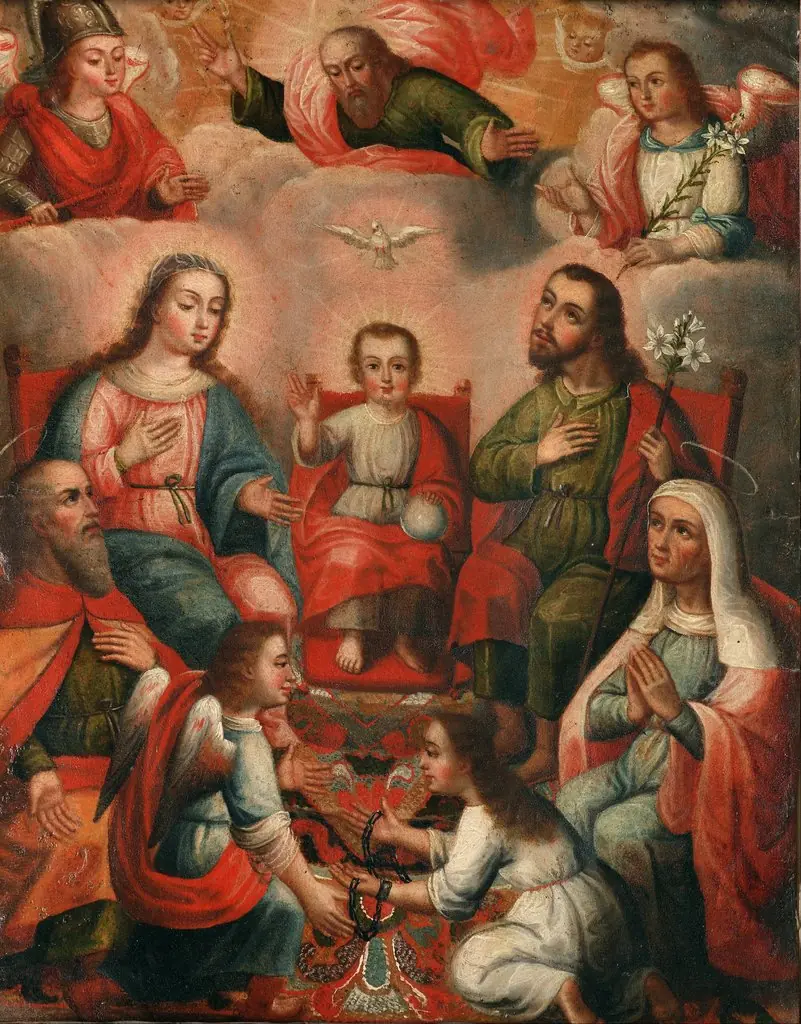 The family of Christ Child with the imprisoned soul of Divine Love
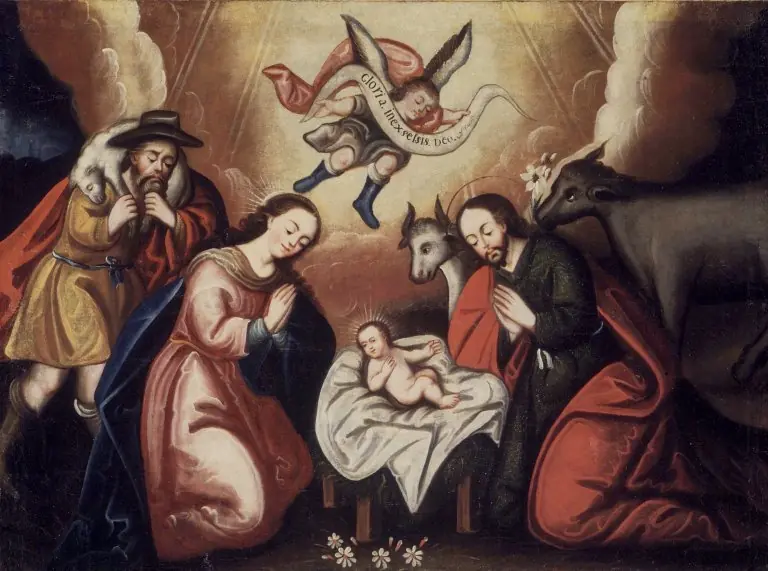 The Nativity
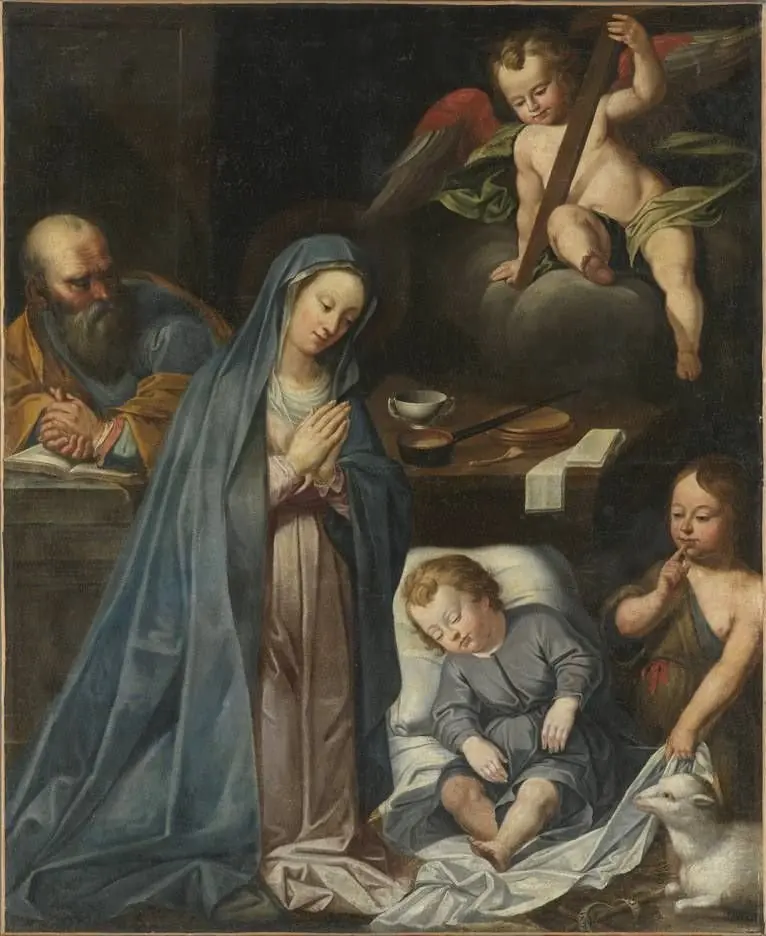 Heilige Familie mit Johannesknaben (Kopie nach)
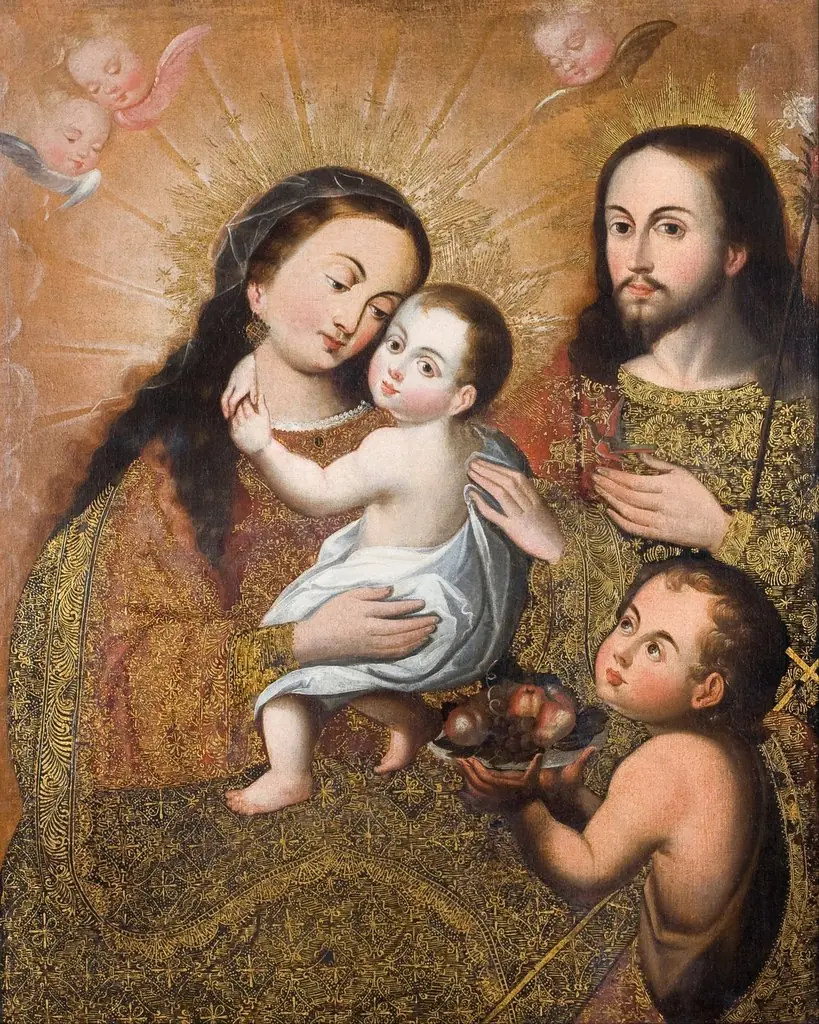 Holy Family with Saint John and a Goldfinch
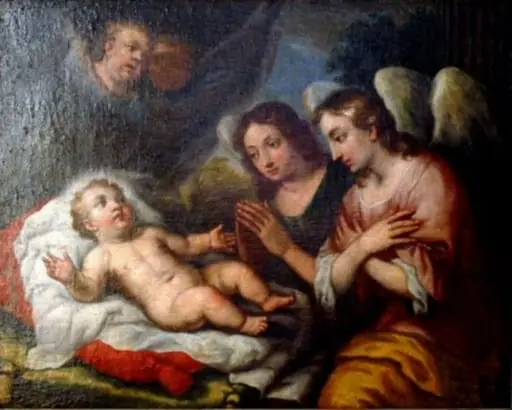 Îngeri adorând pe Iisus
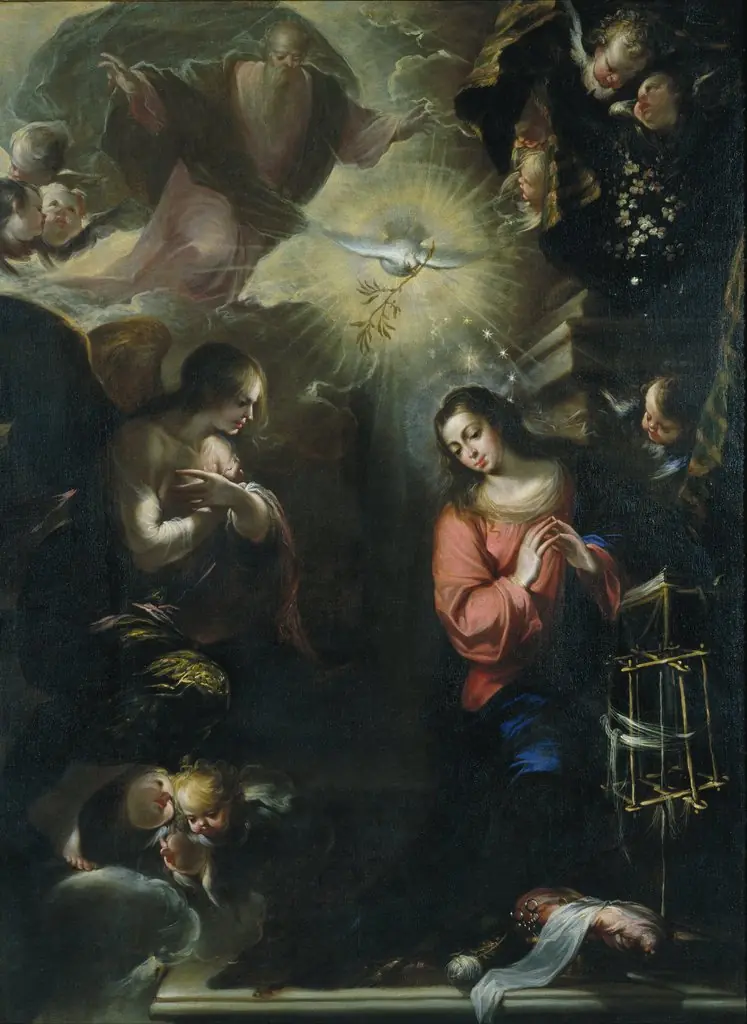 Annunciation
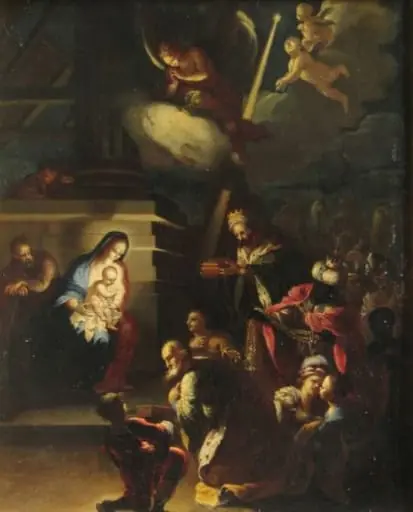 Închinarea Magilor
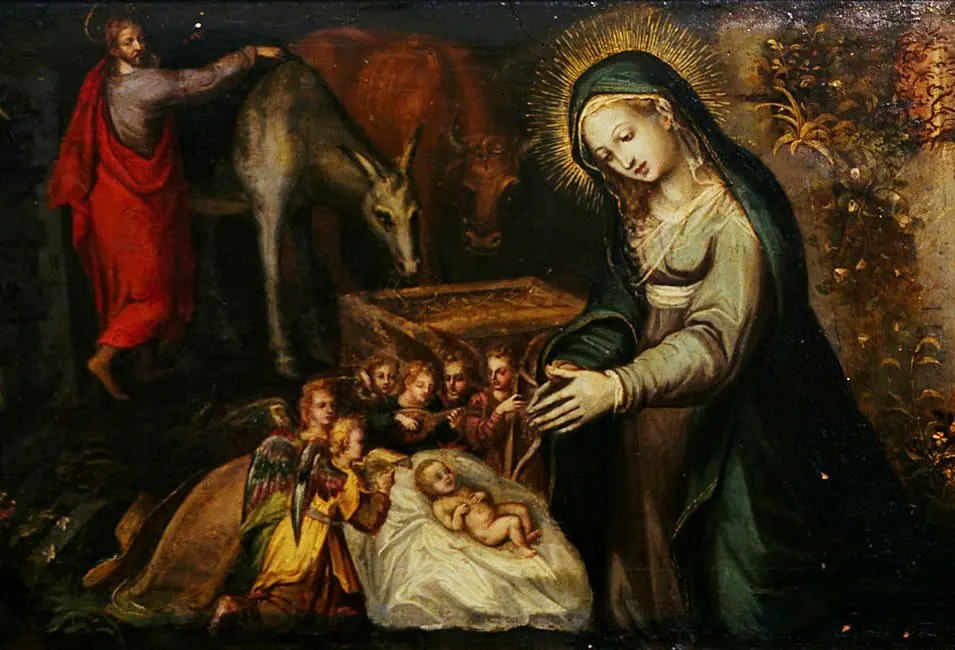 A Natividade
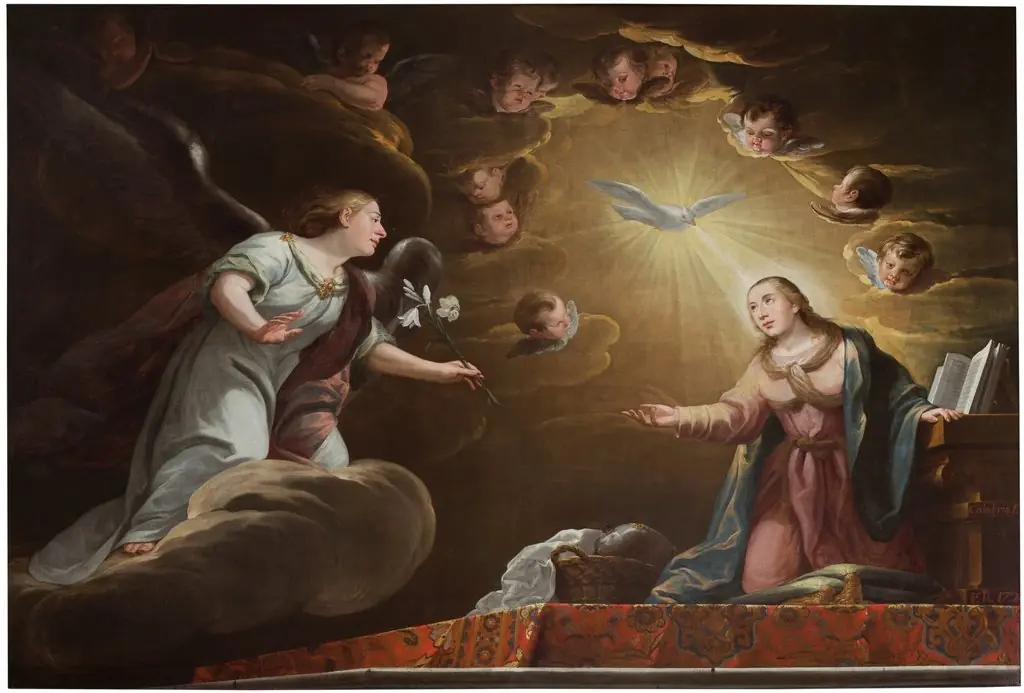 The Annunciation
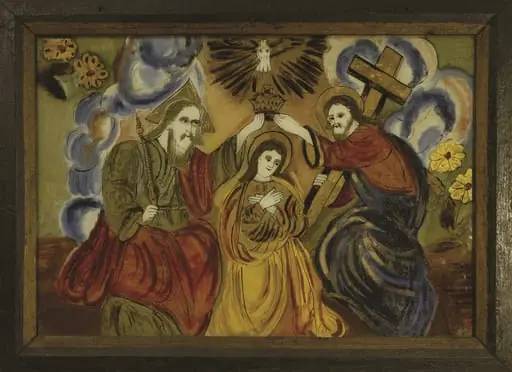 Încoronarea Fecioarei
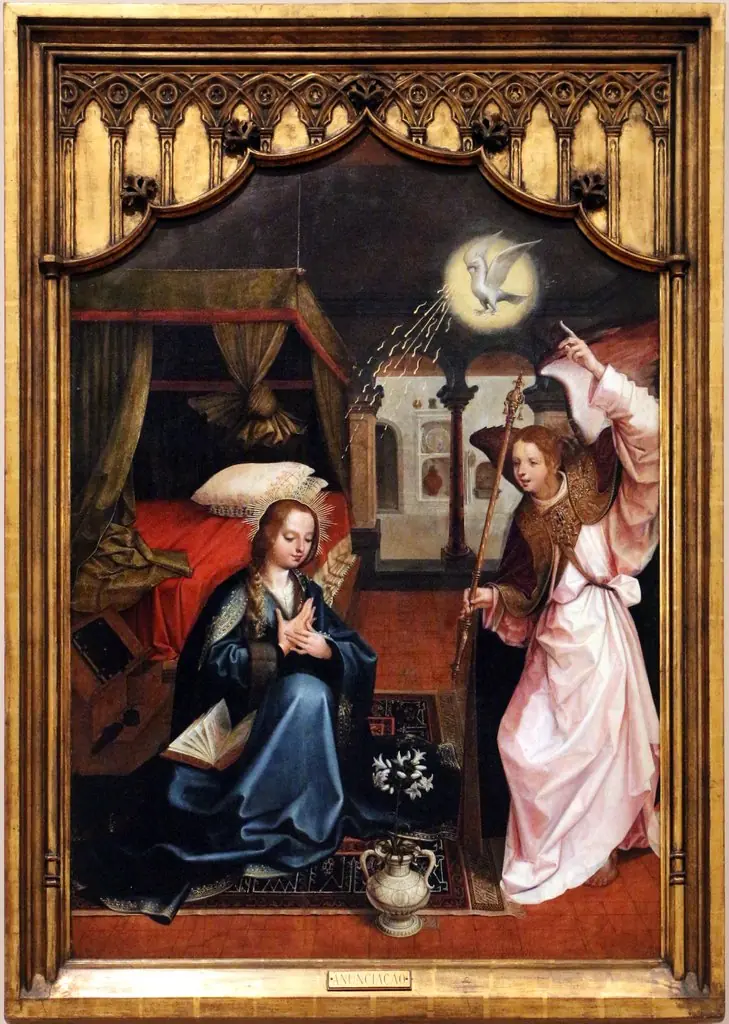 Anunciação
 Holy Family with Joseph at the Carpenter's Bench