Artwork
August Pellegrini da Mori; Geheimschreiber des Erzherzog Ferdinand Karl von Tirol
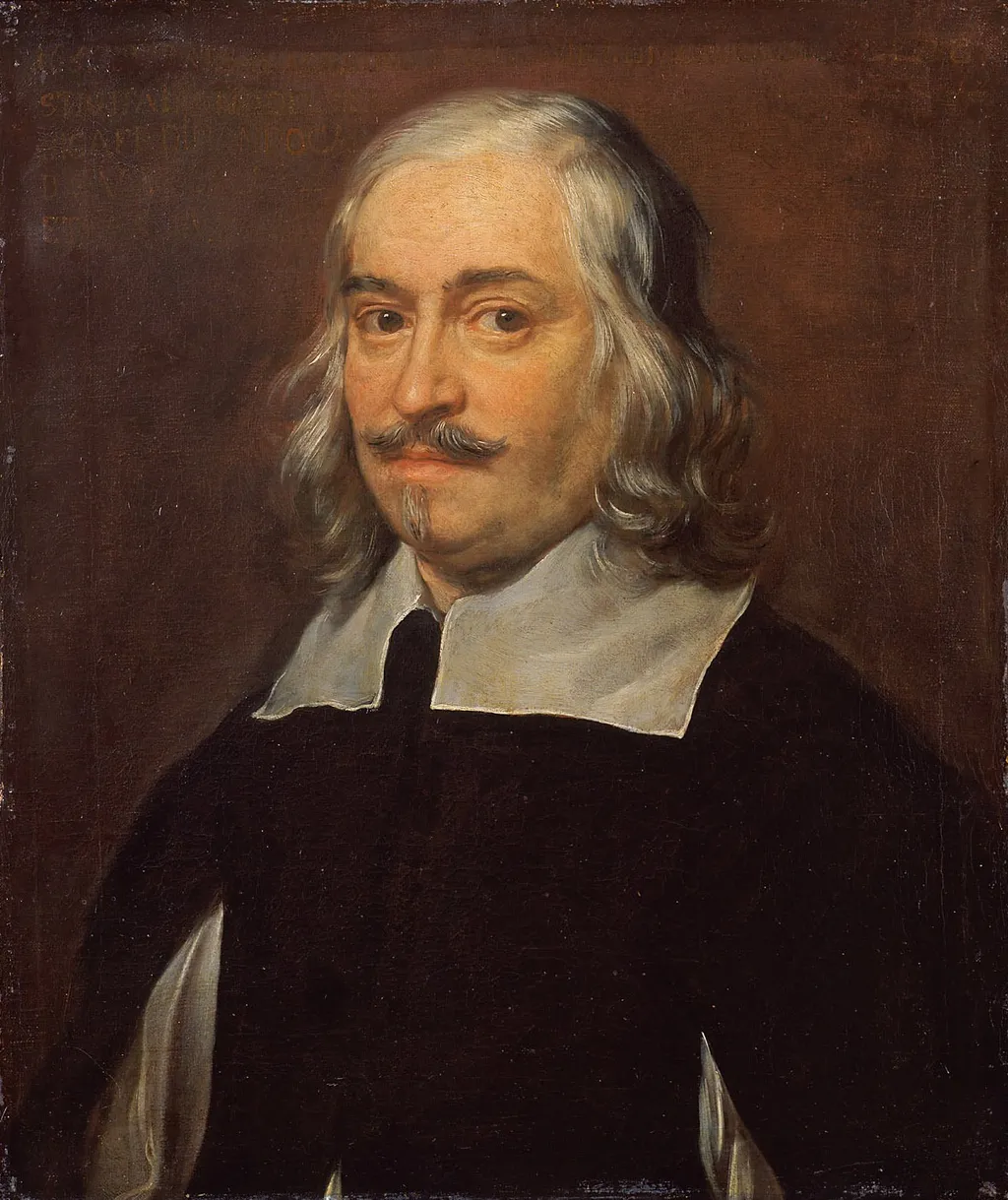
August Pellegrini da Mori; Geheimschreiber des Erzherzog Ferdinand Karl von Tirol is an unspecified painting by the Dutch Golden Age artist Unknown. It dates from 1657 and is held in the collection of the Kunsthistorisches Museum.
About this work
Overview
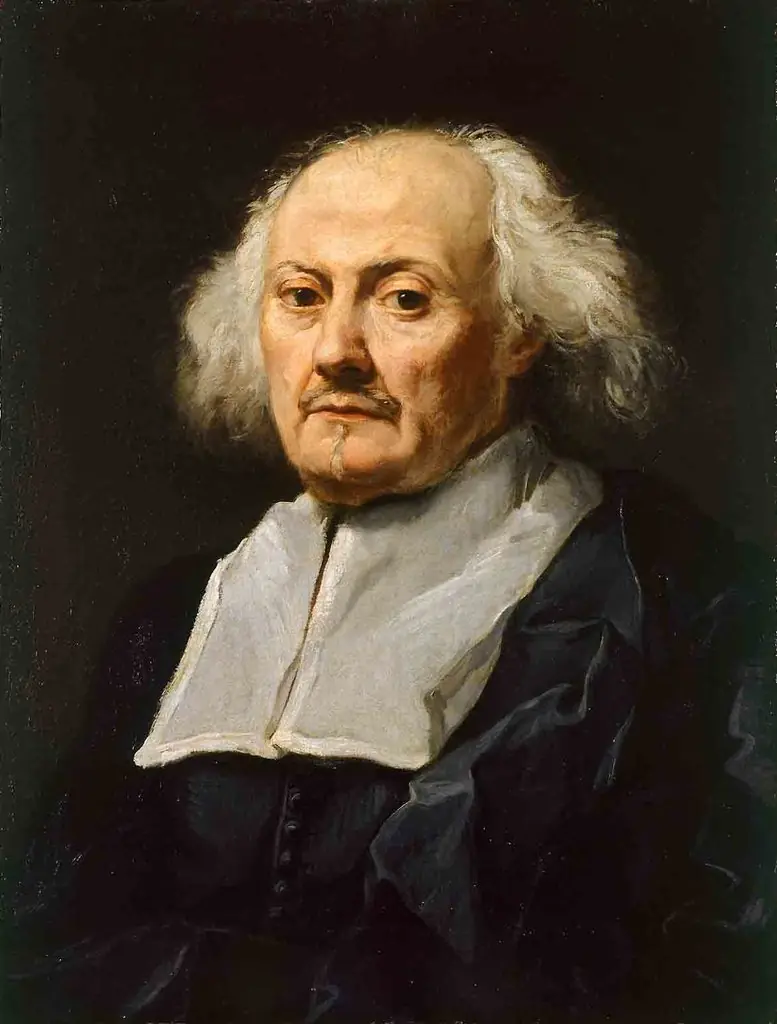
The work is a portrait of August Pellegrini da Mori, identified as the secretarial official—Geheimschreiber—of Archduke Ferdinand Karl of Tyrol. Rendered in oil on canvas, the painting presents the figure in a solemn pose, set against a warm, dark brown backdrop that emphasizes his dignified presence.
Subject & Meaning
Pellegrini da Mori, a high‑ranking bureaucrat in the Tyrolean court, is depicted with long, greying hair and a neatly trimmed mustache, attire that signals his status in the 17th‑century aristocratic milieu. The portrait likely served to affirm his official role and personal prestige within the archduke’s administration.
Technique & Style
The artist employs chiaroscuro, contrasting the illuminated face and white‑collared shirt with the surrounding shadow, creating a three‑dimensional effect. The muted palette and restrained brushwork reflect the conventions of court portraiture of the period, focusing attention on the sitter’s features rather than decorative excess.
History & Provenance
The painting’s provenance traces to the Tyrolean court archives, where it was probably commissioned by the archduke or his household. Documentation links the work to the administrative circle of Ferdinand Karl, though the artist’s identity remains unrecorded.
Context
In the late 1600s, portraits of officials were common in Central European courts, serving both as records of service and as visual affirmations of loyalty. Pellegrini’s role as Geheimschreiber placed him at the nexus of political correspondence, a position often commemorated through formal portraiture.
Artist & collection

 Domestic Scene
 Giacomo and Cardinal Marco, investing Andrea, Abbot of San Zeno, with his Benefice
 The Nymph of Fontainebleau
 Portrait of a Woman
 Madonna and Child with Saints in the Enclosed Garden
 Venus and Minerva
 Family Group of Four on Sofa
 Wall painting from Room H of the Villa of P. Fannius Synistor at Boscoreale
 The Painter Andrea Sacchi
 Portrait of Jan Corneliszoon Geelvinck
 Self-portrait
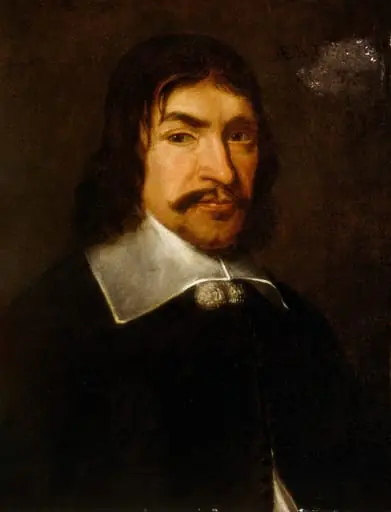 Portrait of a Man
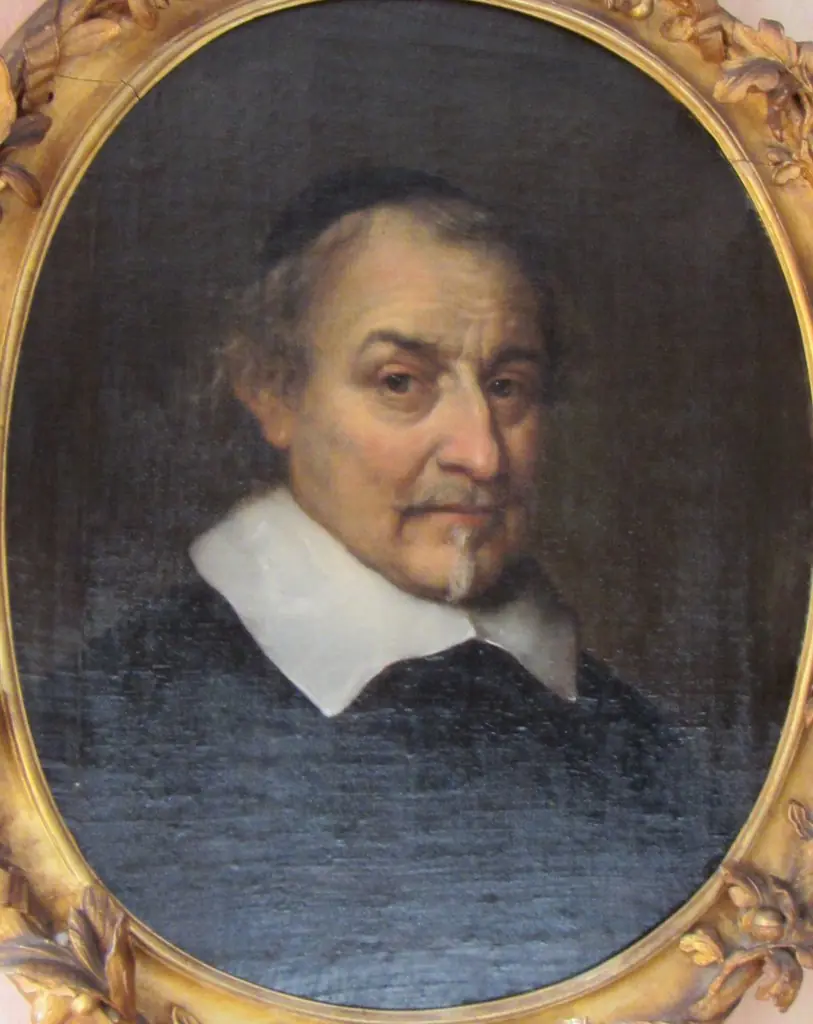 Portrait of Joost van den Vondel
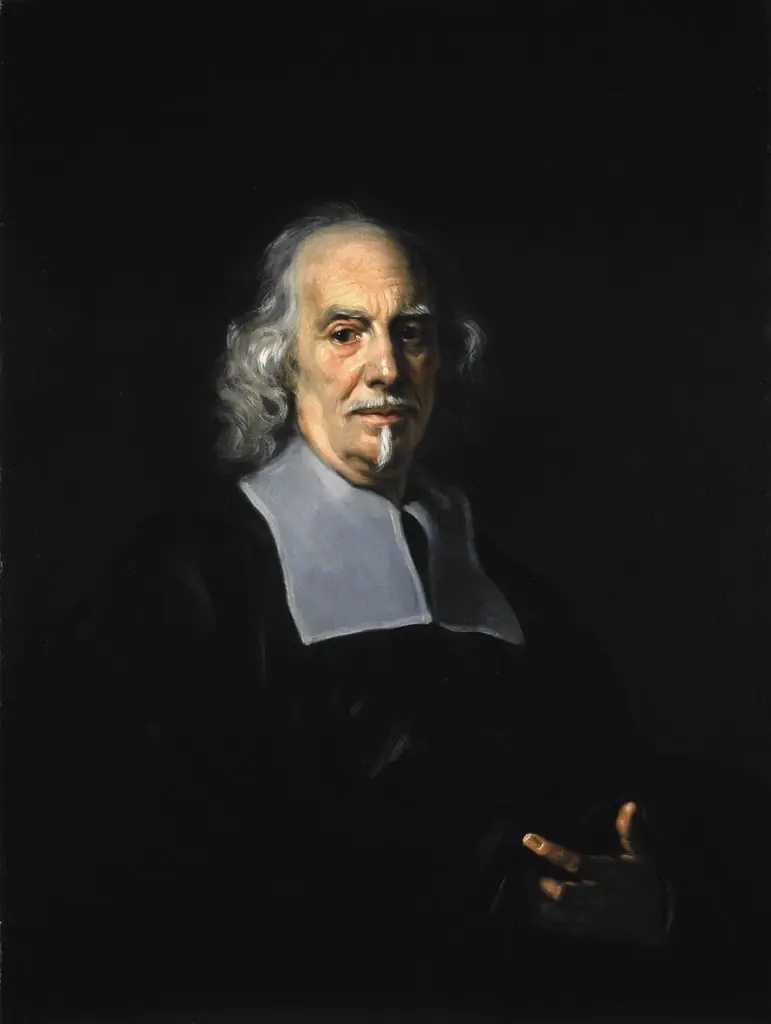 Portrait of Gianlorenzo Bernini (1598 - 1680)
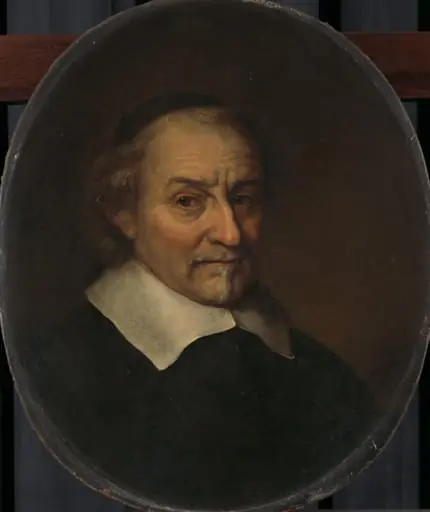 Joost van den Vondel (1587-1679), Poet
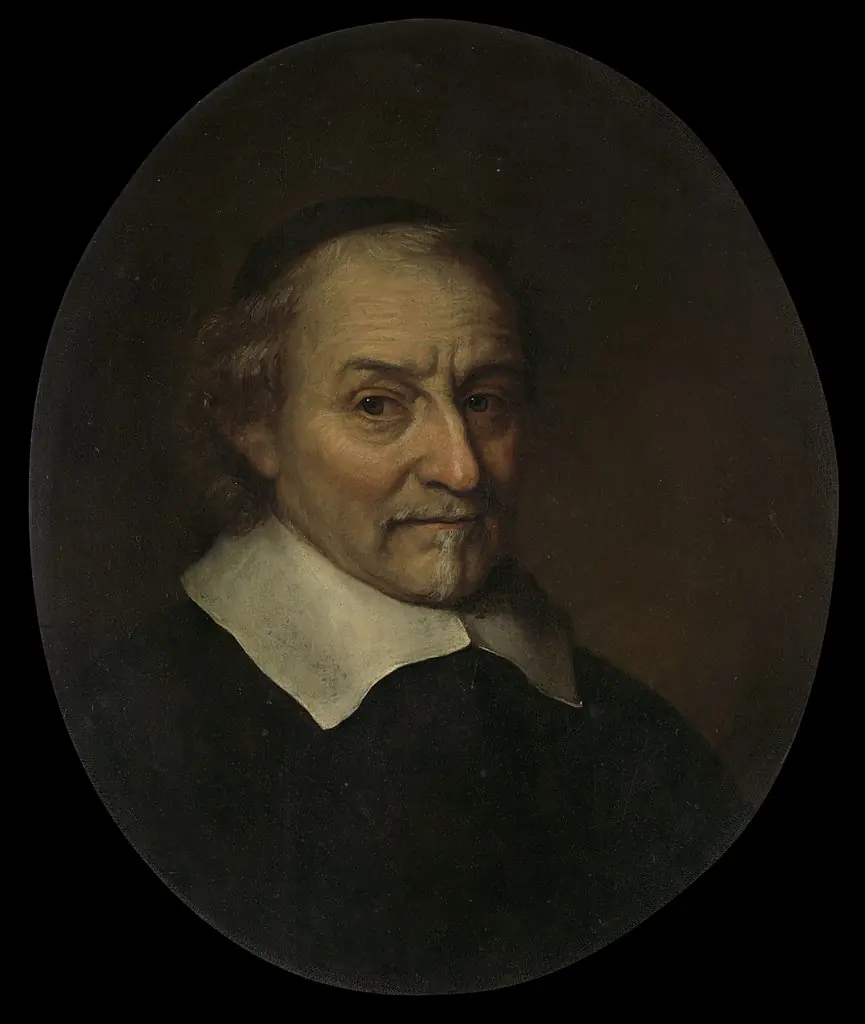 Joost van den Vondel (1587–1679). Poet
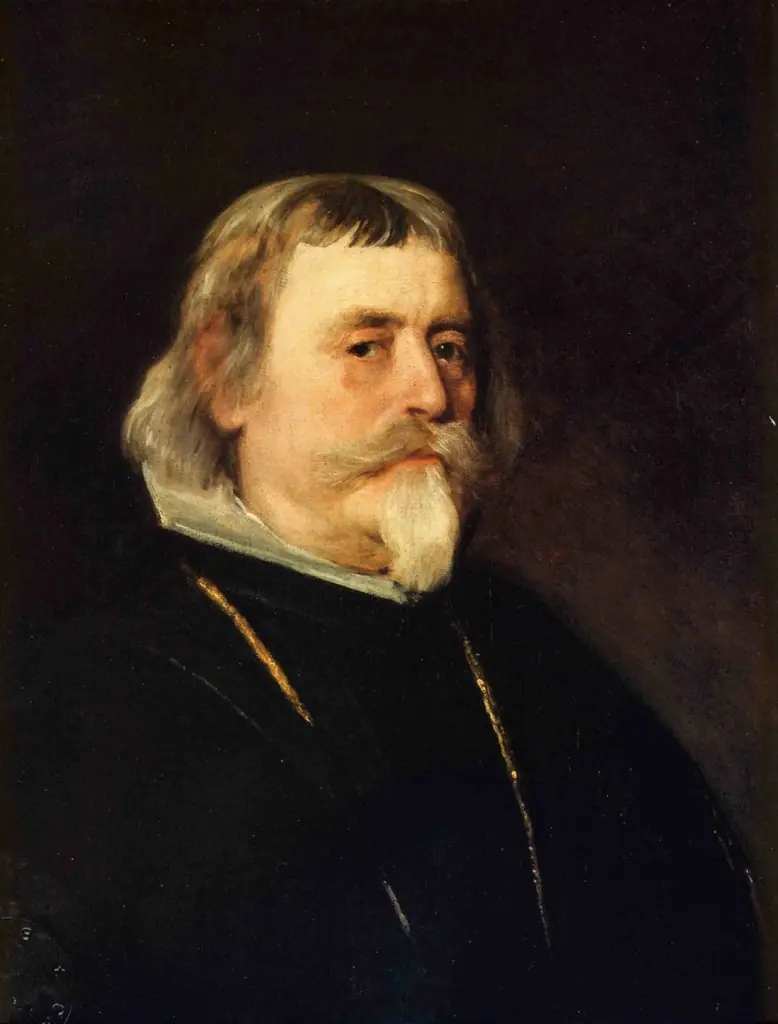 Portrait of a Knight of the Order of Christ, probably Francisco de Andrade Leitão
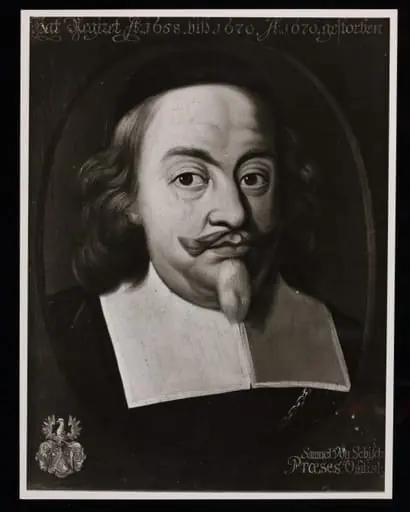 Säbisch, Samuel von
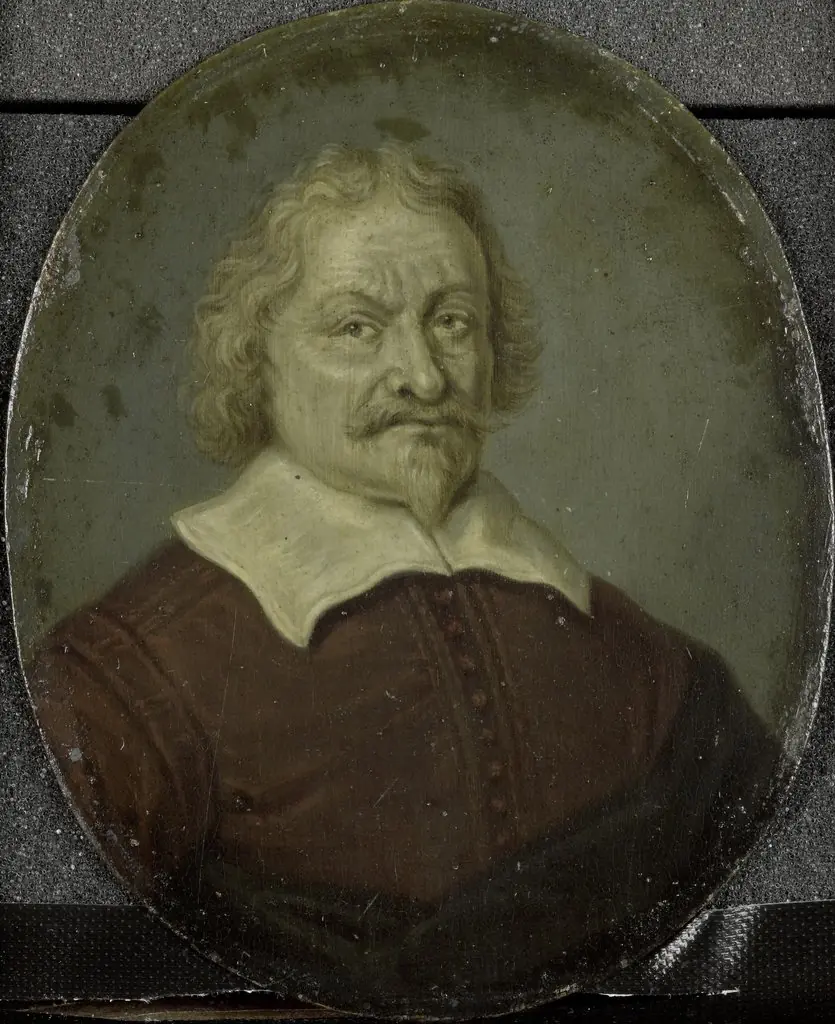 Portrait of David Lingelbach I, Founder of the Nieuwe Doolhof (New Labyringh), Amsterdam
 Bildnis eines Geistlichen