Artwork
Two Peasants Smoking by a Fire ('Silent Companions')
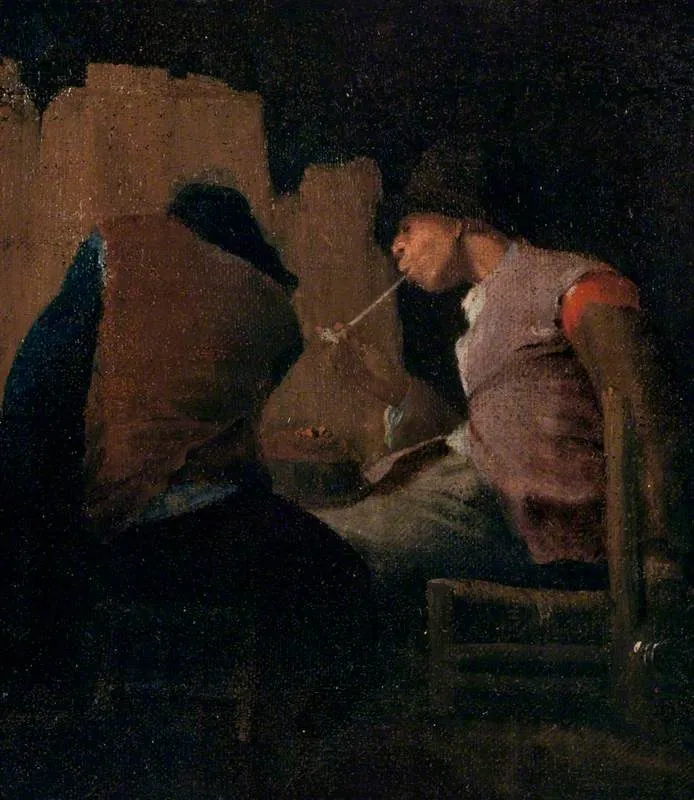
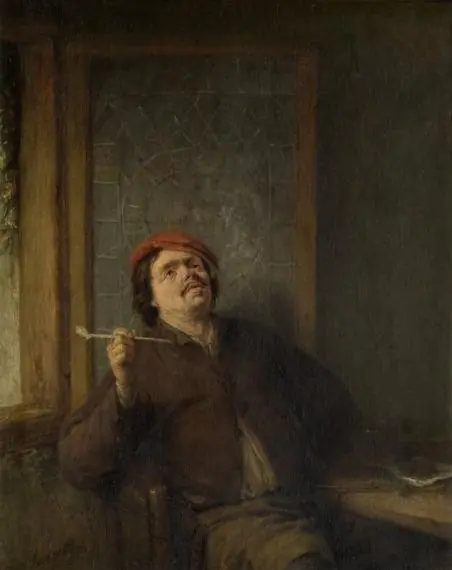
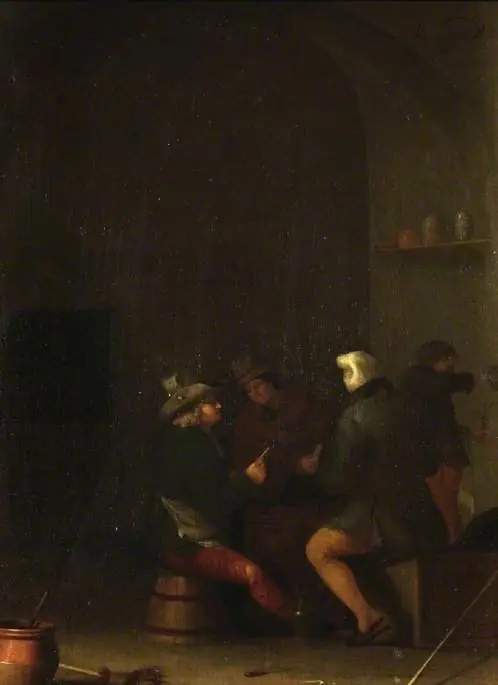
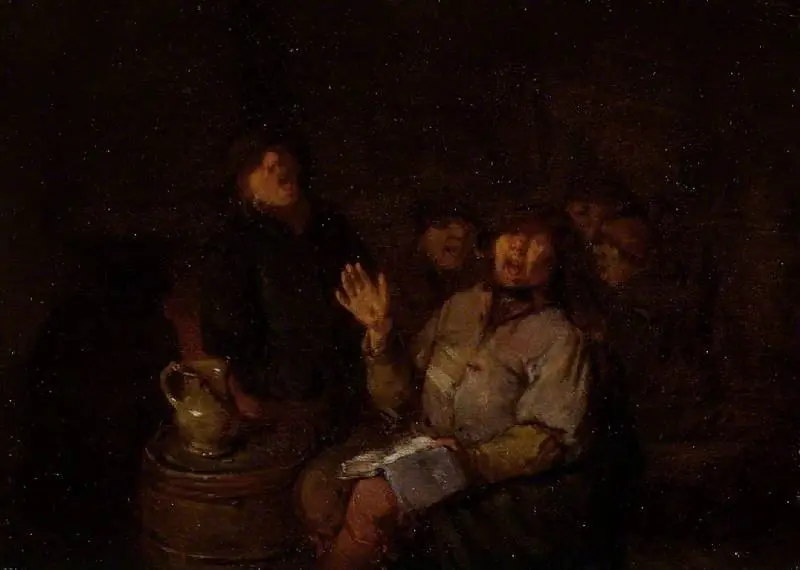
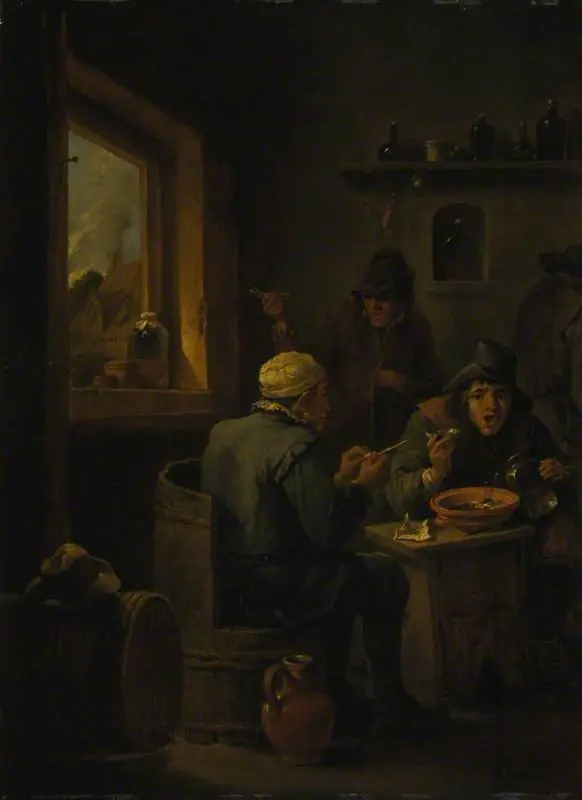
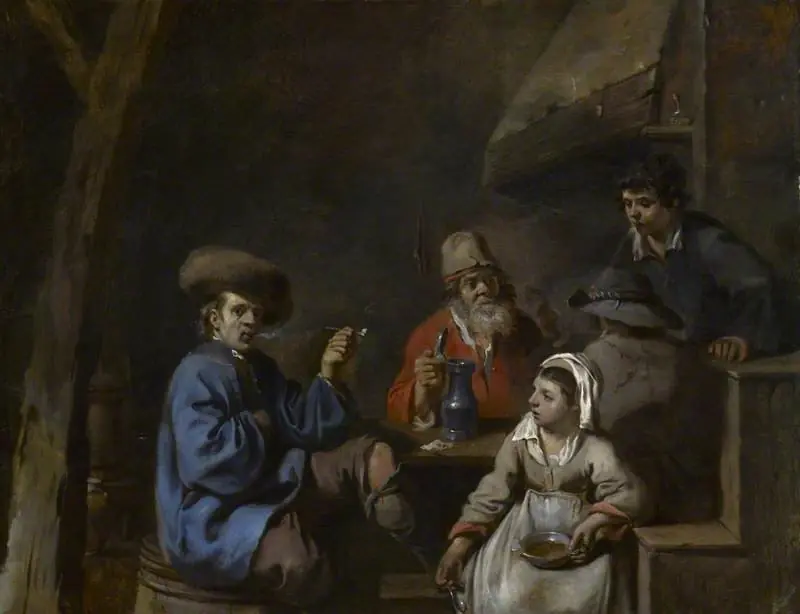
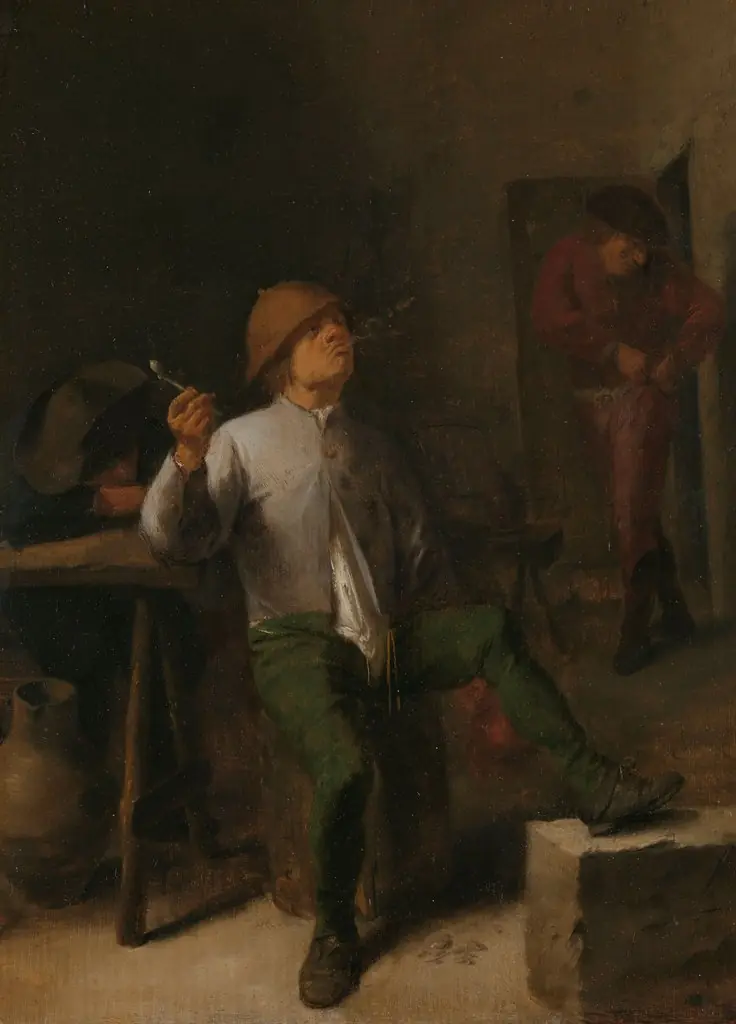
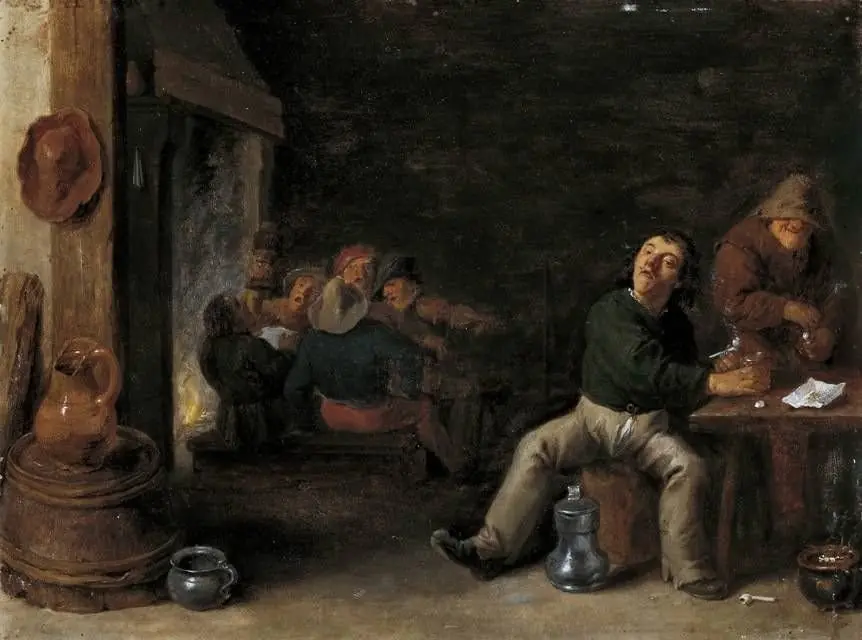
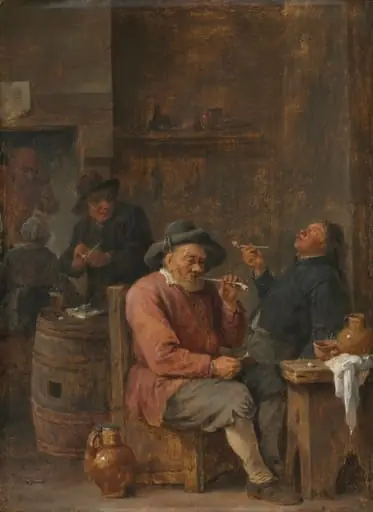
Two Peasants Smoking by a Fire ('Silent Companions') is an oil painting by the Dutch Golden Age artist Unknown. It dates from 1700 and is held in the collection of the National Galleries Scotland. This oil painting portrays two rural laborers seated near a small fire, their postures still and introspective.
About this work
Overview
The figures, dressed in modest attire, are rendered with subtle detail, emphasizing their quiet dignity amid a dim, enveloping environment.
This oil painting portrays two rural laborers seated near a small fire, their postures still and introspective. The composition centers on the quiet intimacy of the moment, with the fire serving as both light source and emotional anchor. The figures, dressed in modest attire, are rendered with subtle detail, emphasizing their quiet dignity amid a dim, enveloping environment. The artist avoids narrative drama, instead focusing on atmosphere and presence.
Subject & Meaning
The two figures, likely agricultural workers, are shown in a moment of rest, their shared act of smoking suggesting companionship and respite from labor. Their expressions are unguarded, conveying fatigue and quiet contemplation rather than hardship. The absence of dialogue or action invites viewers to consider the inner lives of those often overlooked in art, framing their stillness as a form of resilience rather than poverty.
Technique & Style
The artist employs chiaroscuro to model the figures with soft, directional light from the fire, creating volume against the deep shadows of the background. Warm ochres and browns in the clothing and embers contrast with cooler grays and blues in the surrounding space, enhancing spatial depth. Brushwork is restrained, favoring smooth transitions over texture, which reinforces the hushed, meditative tone of the scene.
History & Provenance
The painting’s early ownership is undocumented, but it emerged in late 19th-century European collections, likely from a regional artist influenced by Realist traditions. It was acquired by a private collector in the early 20th century and later entered a public museum’s holdings in the 1950s. No exhibition records or critical commentary from its time of creation survive, suggesting it was not widely known during the artist’s lifetime.
Context
Created during a period when rural life was increasingly romanticized or idealized in art, this work avoids sentimentality. It aligns with regional Realist movements that sought to depict peasant existence without moralizing, reflecting broader social interest in the lives of the rural poor. Unlike urban-focused Realism, it captures solitude and quiet endurance in the countryside, away from industrial change.
Legacy
Though not widely reproduced or studied, the painting remains a quiet example of 19th-century peasant portraiture that prioritizes mood over message. Its restrained approach influenced later regional artists interested in everyday stillness. Today, it is valued for its unembellished humanity and its contribution to the understated tradition of European genre painting that favors observation over spectacle.
Artist & collection

 Domestic Scene
 Giacomo and Cardinal Marco, investing Andrea, Abbot of San Zeno, with his Benefice
 The Nymph of Fontainebleau
 Portrait of a Woman
 Madonna and Child with Saints in the Enclosed Garden
 Venus and Minerva
 Family Group of Four on Sofa
 Wall painting from Room H of the Villa of P. Fannius Synistor at Boscoreale