Artwork
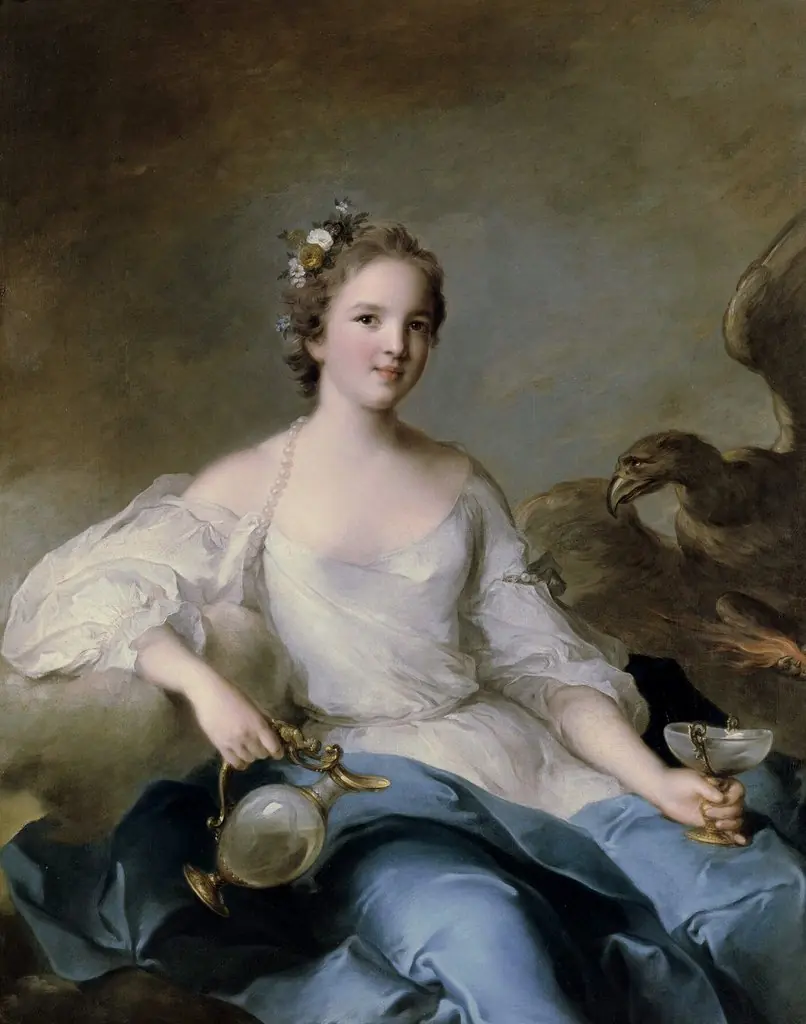
Louise Henriette de Bourbon, future Duchess of Orleans, as Hebe
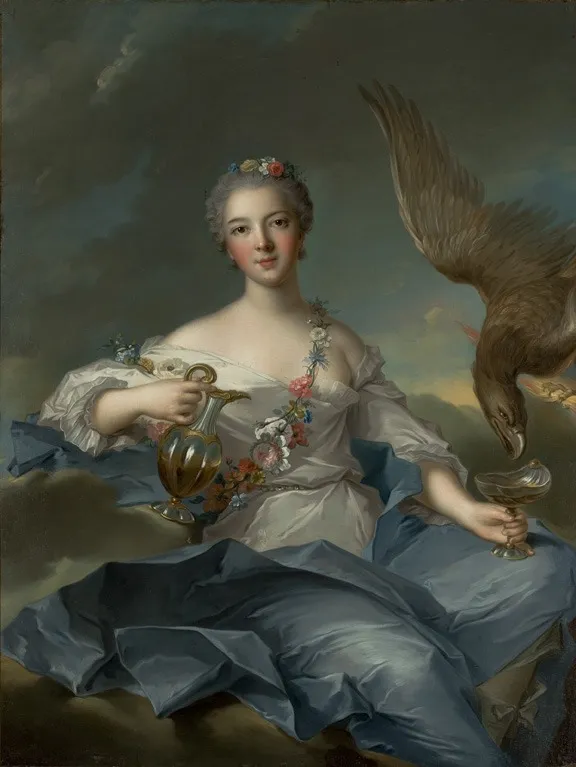
Louise Henriette de Bourbon, future Duchess of Orleans, as Hebe is an oil painting by the Rococo painting artist Unknown. It dates from 1747 and is held in the collection of the São Paulo Museum of Art.
About this work
Overview
This oil painting portrays Louise Henriette de Bourbon in a mythological guise, dressed in an elaborately embroidered white gown and seated atop a blue drapery. She holds a golden pitcher and goblet, accompanied by a bird with spread wings. The cloudy sky background and subtle chiaroscuro enhance the figure’s presence, emphasizing grace and poise without overt theatricality.
Subject & Meaning
The figure is depicted as Hebe, the Greek goddess of youth and cupbearer to the gods, symbolizing purity and divine service. The pitcher and goblet reference her mythological role, while the bird may allude to an eagle, associated with Jupiter. The portrayal aligns aristocratic identity with classical virtue, reflecting Enlightenment-era ideals of refined nobility.
Technique & Style
The artist employs soft chiaroscuro to model the figure’s form, lending volume to the fabric and skin tones. Delicate brushwork captures the embroidery on the gown and the texture of the bird’s feathers. The composition is restrained, with attention to tactile details—lace, metal, and silk—enhancing the painting’s quiet realism within a mythological framework.
History & Provenance
Commissioned during Louise Henriette’s youth, likely before her marriage to the Duke of Orleans in 1743, the portrait served as a dynastic statement. It remained within French royal circles, later entering a private collection. Its survival through the Revolution suggests it was valued for its artistic merit rather than political association.
Context
Painted in the mid-18th century, the work reflects the French court’s fascination with classical allegory as a vehicle for aristocratic self-representation. Unlike overtly grandiose royal portraits, this piece favors intimacy and subtlety, aligning with emerging tastes for refined elegance over baroque spectacle.
Legacy
The painting stands as an example of how French aristocratic portraiture absorbed mythological symbolism without losing its grounding in individual identity. It influenced later depictions of noblewomen in classical roles, contributing to a quieter, more psychologically nuanced tradition in 18th-century French painting.
Artist & collection

 Domestic Scene
 Giacomo and Cardinal Marco, investing Andrea, Abbot of San Zeno, with his Benefice
 The Nymph of Fontainebleau
 Portrait of a Woman
 Madonna and Child with Saints in the Enclosed Garden
 Venus and Minerva
 Family Group of Four on Sofa
 Wall painting from Room H of the Villa of P. Fannius Synistor at Boscoreale
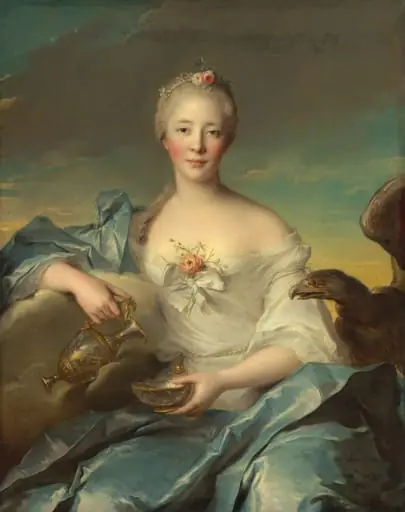 Madame Le Fèvre de Caumartin as Hebe
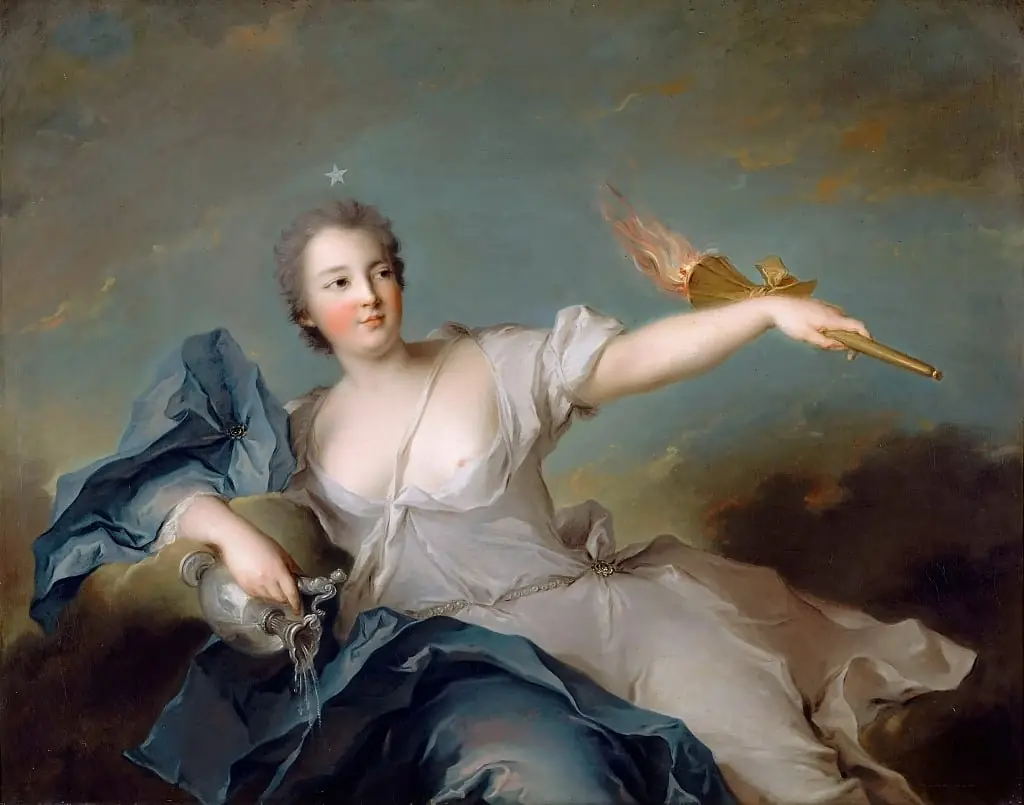 Portrait of Marie-Anne de Nesle, Marquise de la Tournelle, Duchesse de Châteauroux (1717-1744)
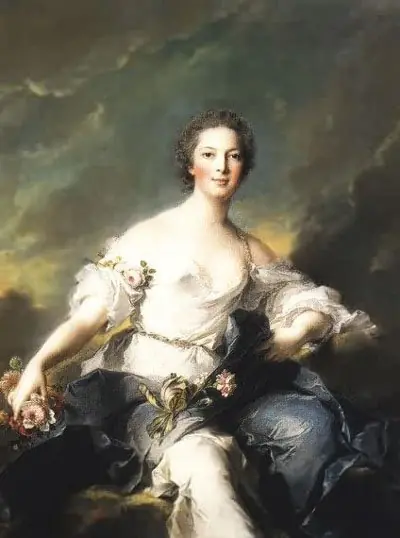 Marquioness of Baglion as Flora
 Portrait of Charlotte-Louise de Rohan-Guéméné, princesse de Masseran (1722-1786)
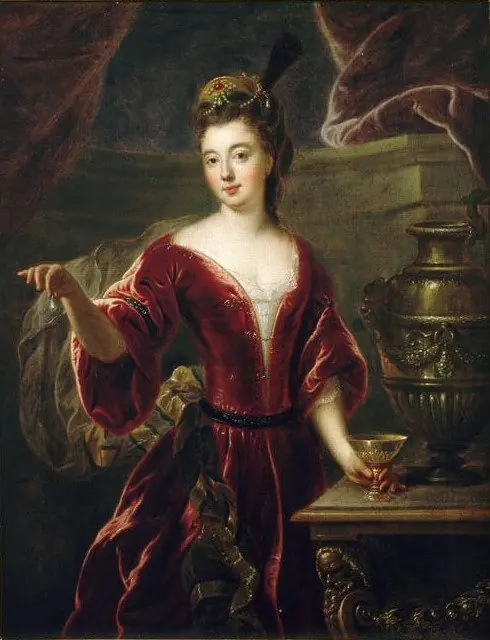 The Duchess of Maine as Cleopatra
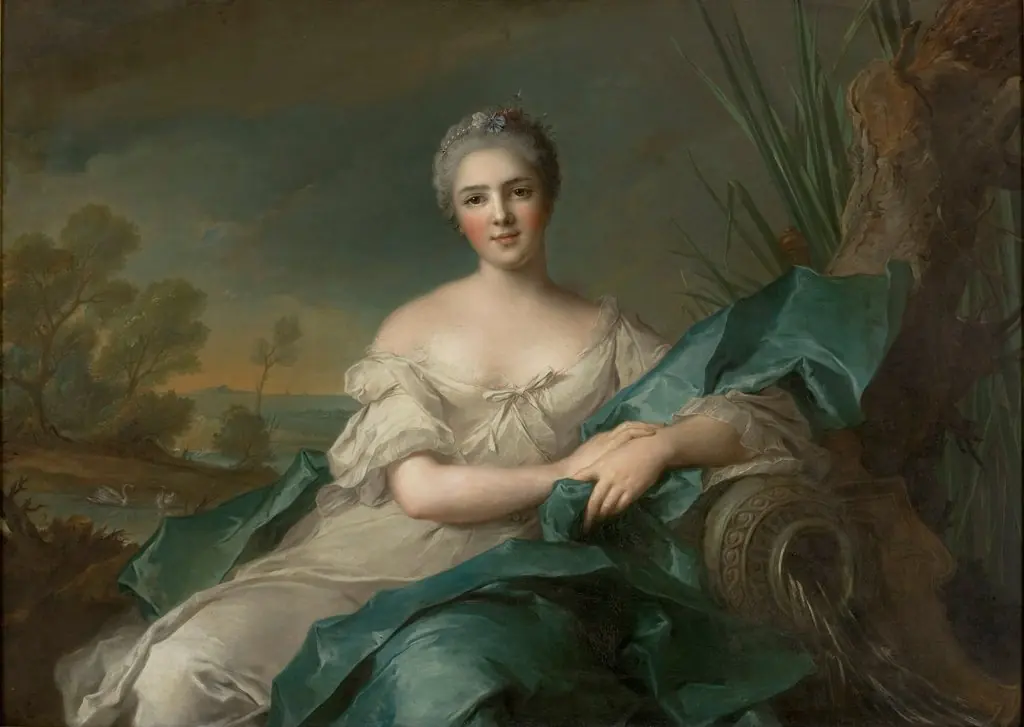 Princess Victoire of France - The Water
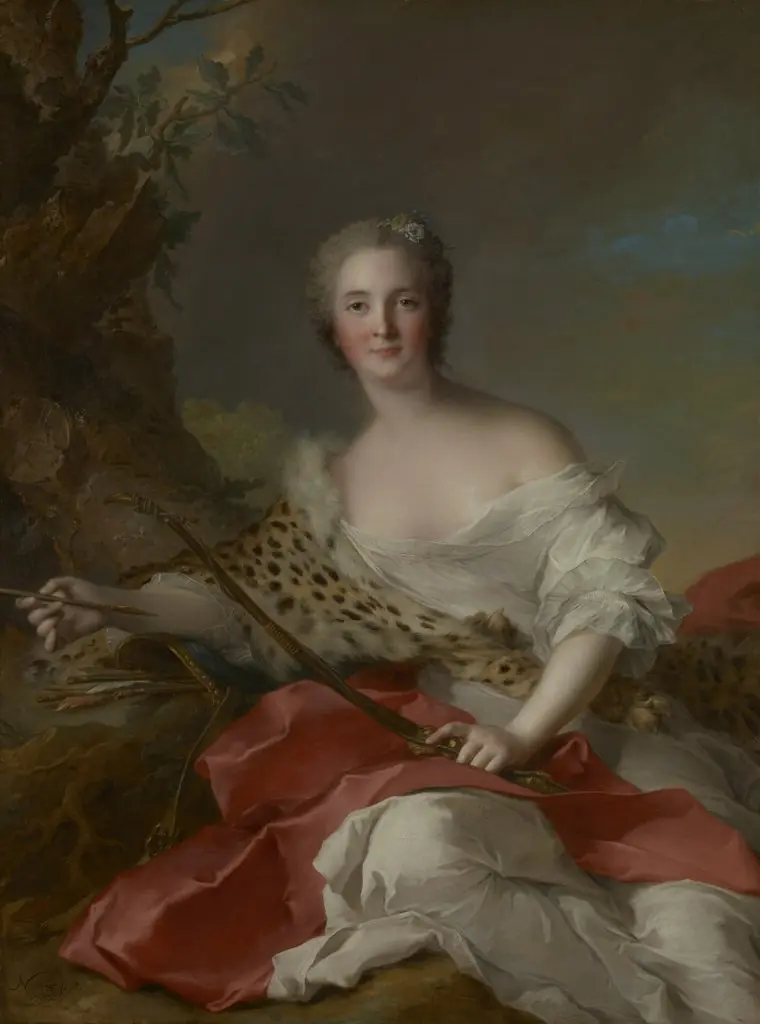 Portrait of Madame Bonnier de la Mosson as Diana (Constance-Gabrielle-Magdeleine du Monciel de Lauraille