Artwork
Reverend John Davies, Cardiff, 1823-1874
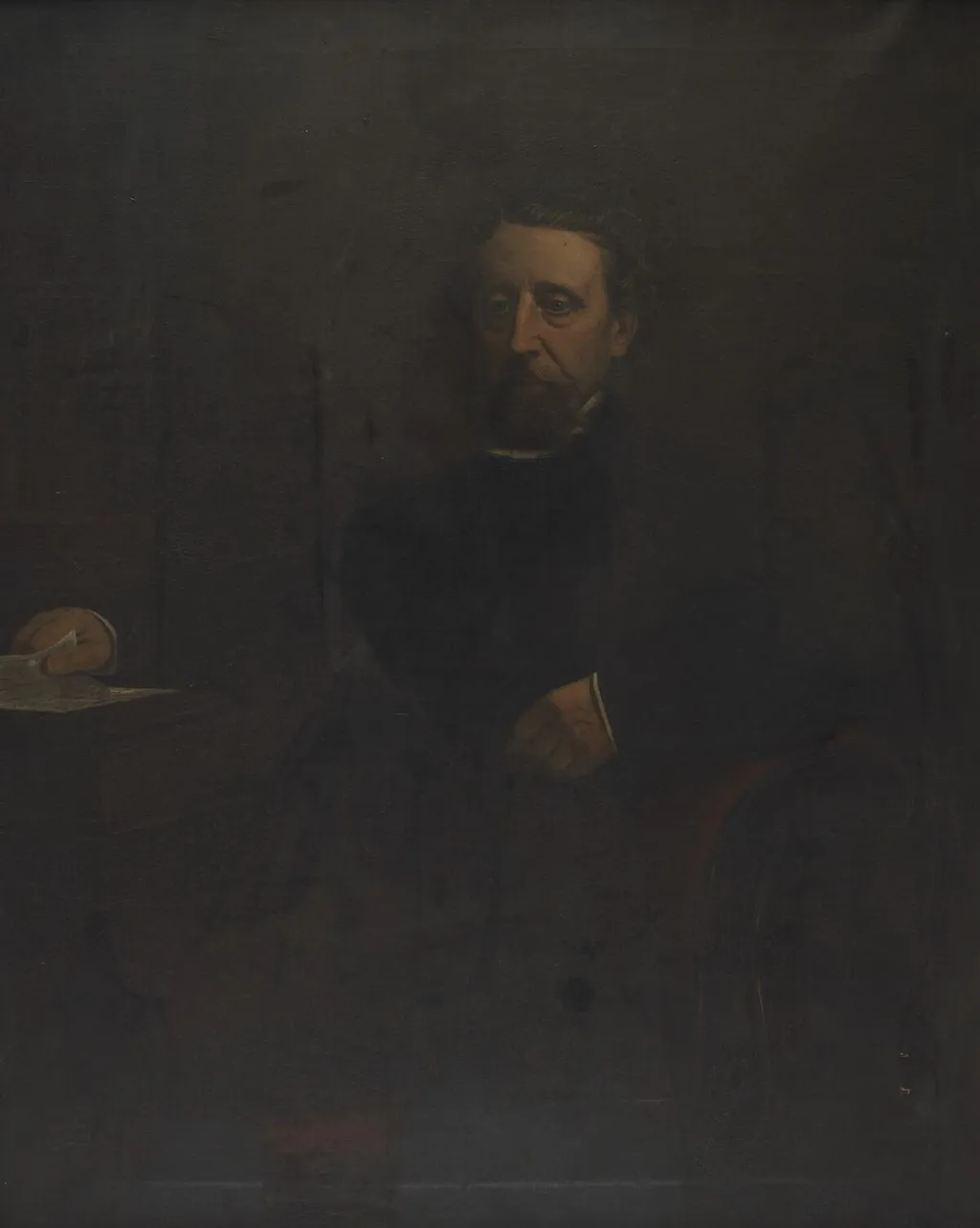
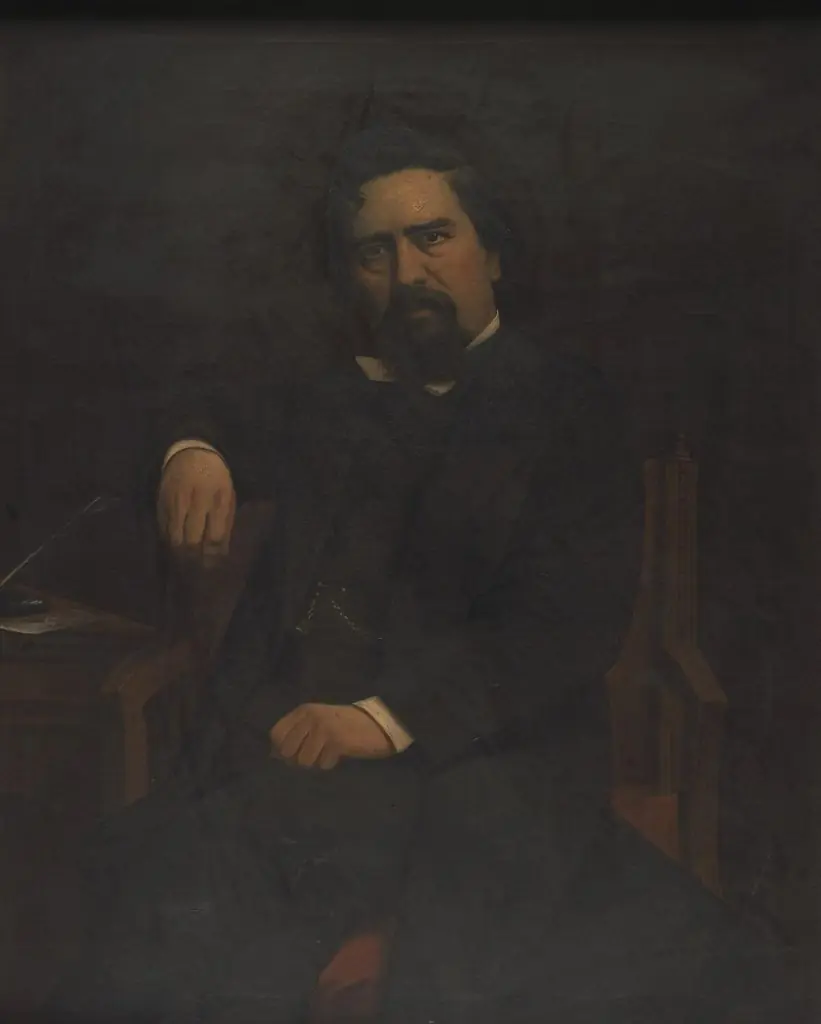
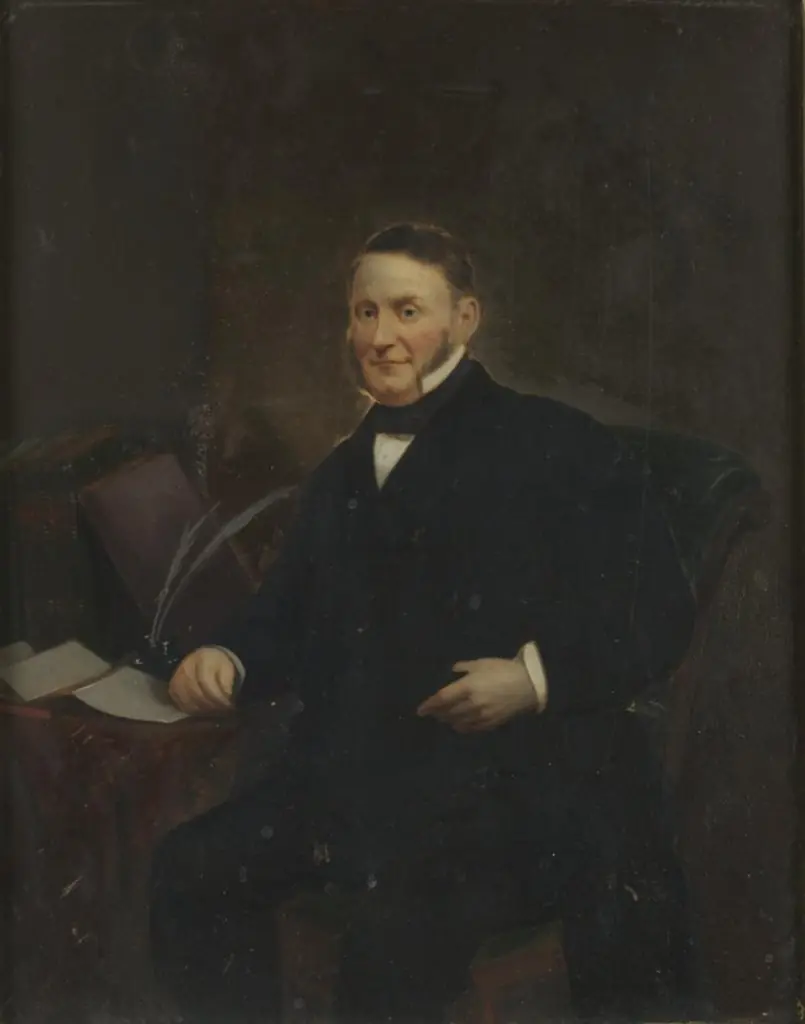
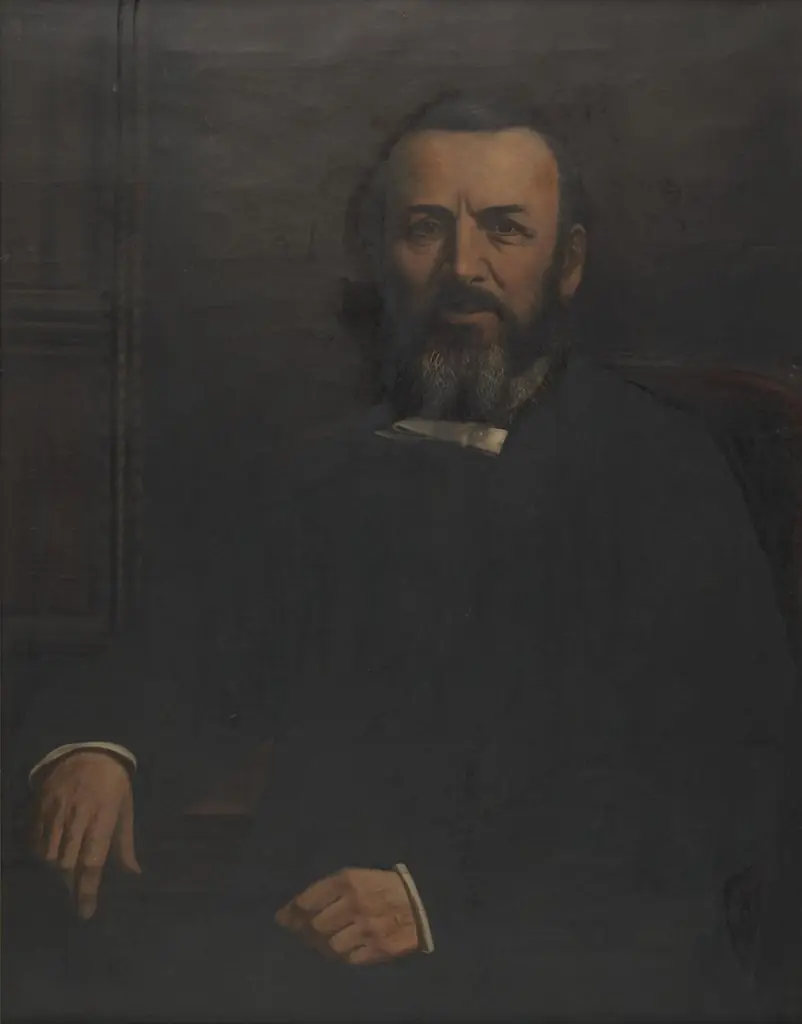
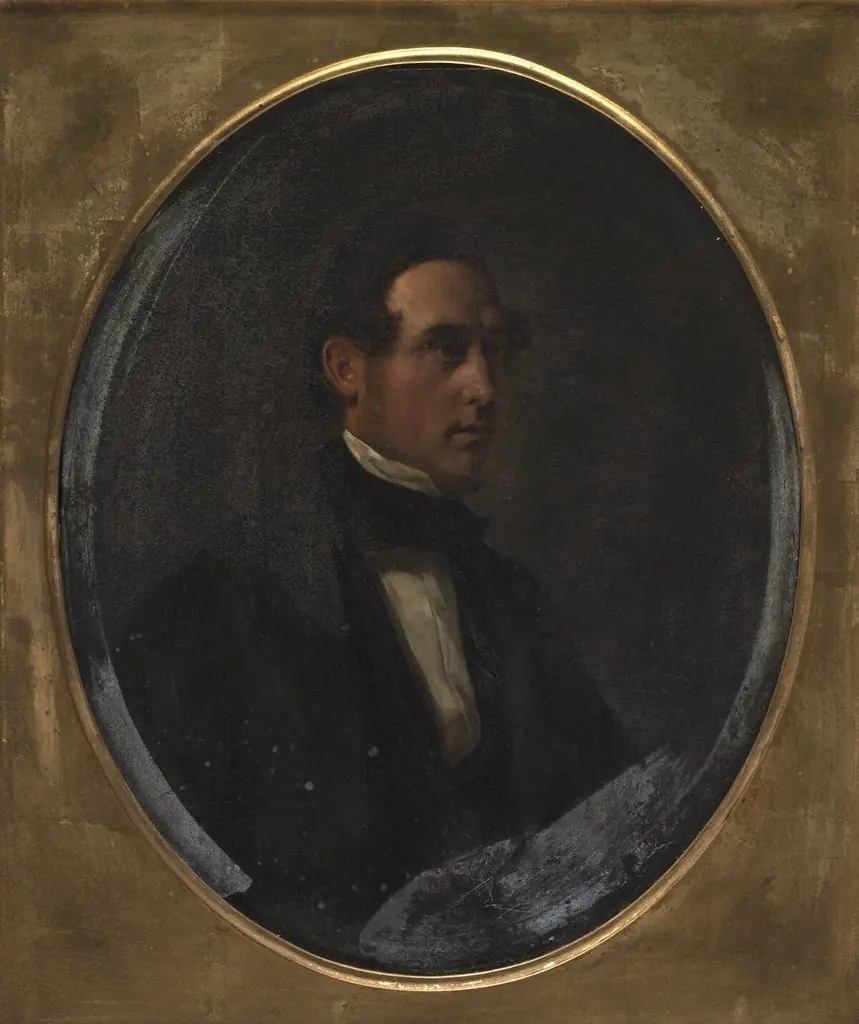
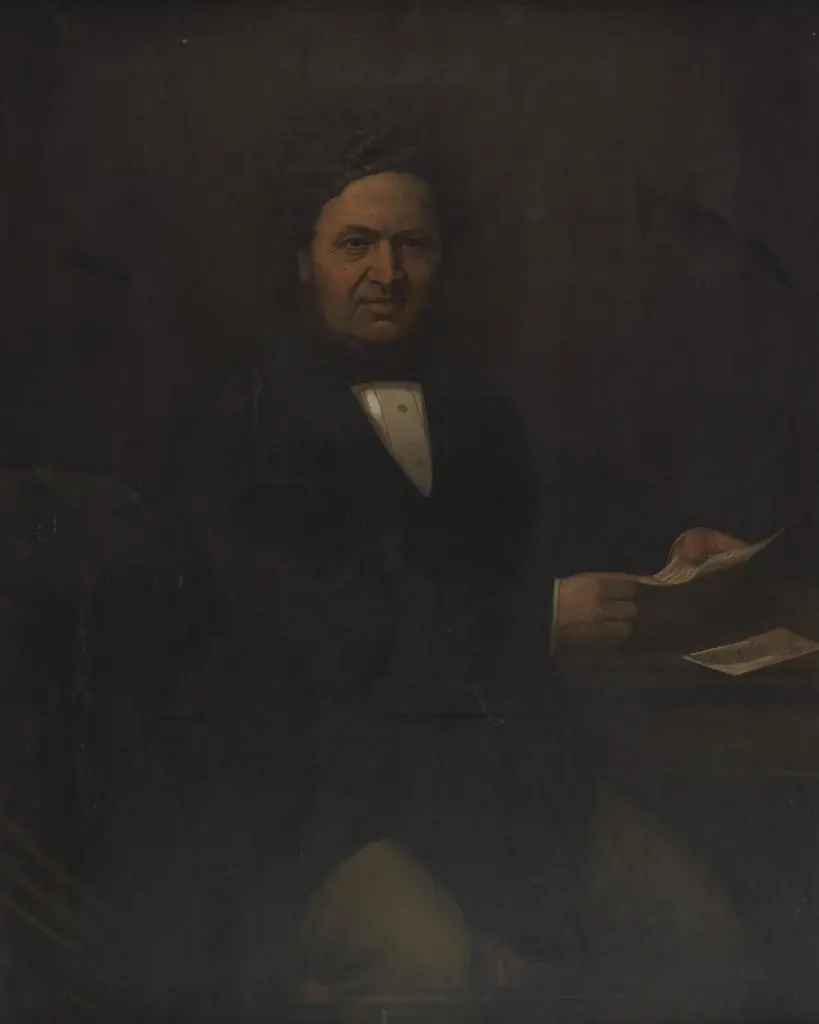
Reverend John Davies, Cardiff, 1823-1874 is an oil painting by the British Romanticist artist Unknown. It dates from 1800 and is held in the collection of the National Library of Wales. This oil painting depicts Reverend John Davies, a Welsh clergyman active in the mid-19th century.
About this work
Overview
The scene conveys stillness and introspection, focusing attention on the subject’s presence rather than his surroundings.
This oil painting depicts Reverend John Davies, a Welsh clergyman active in the mid-19th century. Rendered in a dimly lit interior, the figure is centered at a simple table, engaged in quiet activity. The composition emphasizes his face and upper torso, contrasting sharply with the surrounding shadows. The scene conveys stillness and introspection, focusing attention on the subject’s presence rather than his surroundings.
Subject & Meaning
Reverend John Davies is portrayed not in ceremonial attire but in everyday dress, suggesting a moment of private labor—perhaps writing a sermon or correspondence. The presence of a quill, paper, and a small loaf of bread implies routine, humility, and the intersection of spiritual and material life. His serious expression reinforces a sense of duty and contemplation, aligning with Victorian ideals of clerical devotion.
Technique & Style
The artist employs chiaroscuro to model the figure, using strong contrasts between light and shadow to define form and direct focus. The face, illuminated by an unseen source, becomes the visual anchor, while the rest of the room recedes into near-obscurity. Brushwork is restrained, favoring tonal gradation over detail, enhancing the painting’s intimate, contemplative mood.
History & Provenance
Painted in 1823–1874, the work likely originated in Cardiff, where Davies served as a minister. It remained within family or local ecclesiastical circles before entering institutional collection. No record of public exhibition during the artist’s lifetime exists, suggesting it was intended as a private portrait rather than a public commission.
Context
In early Victorian Wales, portraits of clergy often emphasized moral character over status. Davies’s depiction aligns with a regional tradition of understated realism, where religious figures were shown in domestic settings to reflect piety through simplicity. The absence of ecclesiastical symbols reinforces this quiet, personal mode of representation.
Legacy
The painting endures as an example of provincial British portraiture that prioritizes psychological presence over grandeur. Its restrained use of light and focus on ordinary ritual offer insight into the private lives of 19th-century clergy. Though not widely known, it contributes to the broader understanding of non-elite portraiture in industrializing Wales.
Artist & collection

 Domestic Scene
 Giacomo and Cardinal Marco, investing Andrea, Abbot of San Zeno, with his Benefice
 The Nymph of Fontainebleau
 Portrait of a Woman
 Madonna and Child with Saints in the Enclosed Garden
 Venus and Minerva
 Family Group of Four on Sofa
 Wall painting from Room H of the Villa of P. Fannius Synistor at Boscoreale