Artwork
Philip Herbert (1584–1650)
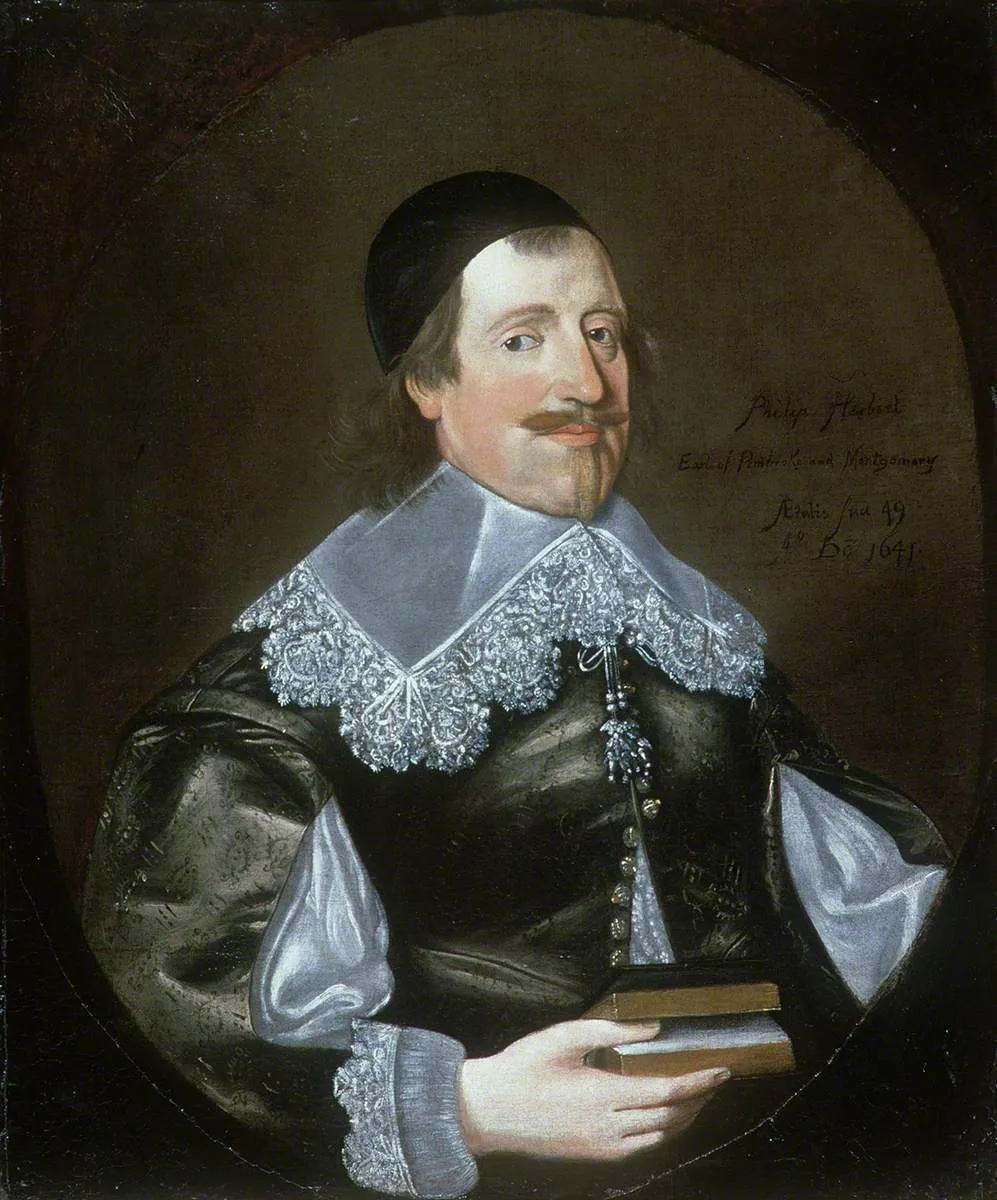
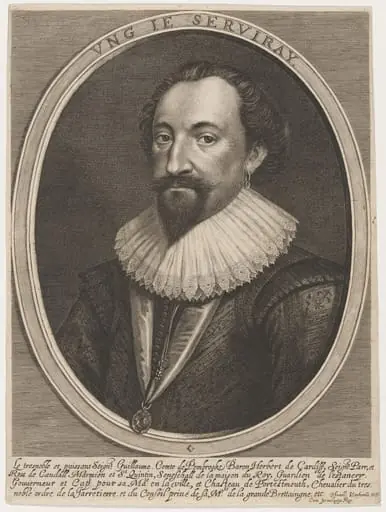
Philip Herbert (1584–1650) is an oil painting by the Rococo painting artist Unknown. It dates from 1700 and is held in the collection of the National Library of Wales. The oil portrait presents Philip Herbert, the fourth Earl of Pembroke, rendered in a restrained seventeenth‑century manner.
About this work
The use of chiaroscuro, a technique that uses strong contrasts between light and dark to create a sense of volume, adds depth to the painting.
This portrait painting depicts a man with a mustache and a hat, wearing a dark jacket with a white collar and cuffs. He is holding a book in his left hand.
The man's attire and the style of the painting suggest that it is from the 17th century. The use of chiaroscuro, a technique that uses strong contrasts between light and dark to create a sense of volume, adds depth to the painting.
The painting is a representation of Philip Herbert, 4th Earl of Pembroke, and is held at the National Library of Wales. To learn more about the artist's use of chiaroscuro, look up the technique.
Overview
The oil portrait presents Philip Herbert, the fourth Earl of Pembroke, rendered in a restrained seventeenth‑century manner. He is shown in a dark coat trimmed with white collar and cuffs, a moustache framing his face, and a hat perched atop his head. In his left hand he holds a book, a conventional attribute indicating learning or status. The work is part of the National Library of Wales collection.
Subject & Meaning
As a member of the English aristocracy, Herbert’s depiction emphasizes both rank and intellect. The inclusion of a book suggests scholarly pursuits or legal authority, while the formal attire and composed pose convey the dignity expected of a peer. The portrait thus functions as a visual record of personal identity and social standing within the early Stuart court.
Technique & Style
The painter employs chiaroscuro, contrasting illuminated areas of the face and hands with a deep, shadowed background to model volume. Subtle gradations of tone give the flesh a three‑dimensional quality, while the crisp rendering of the white collar and cuffs highlights material texture. The overall composition reflects the restrained realism typical of English portraiture in the 1600s.
History & Provenance
Created during the mid‑seventeenth century, the portrait has remained in public custody, eventually entering the holdings of the National Library of Wales. Its survival in a library setting underscores the work’s documentary value as a likeness of a notable political figure rather than solely as a decorative object.
Artist & collection

 Domestic Scene
 Giacomo and Cardinal Marco, investing Andrea, Abbot of San Zeno, with his Benefice
 The Nymph of Fontainebleau
 Portrait of a Woman
 Madonna and Child with Saints in the Enclosed Garden
 Venus and Minerva
 Family Group of Four on Sofa
 Wall painting from Room H of the Villa of P. Fannius Synistor at Boscoreale
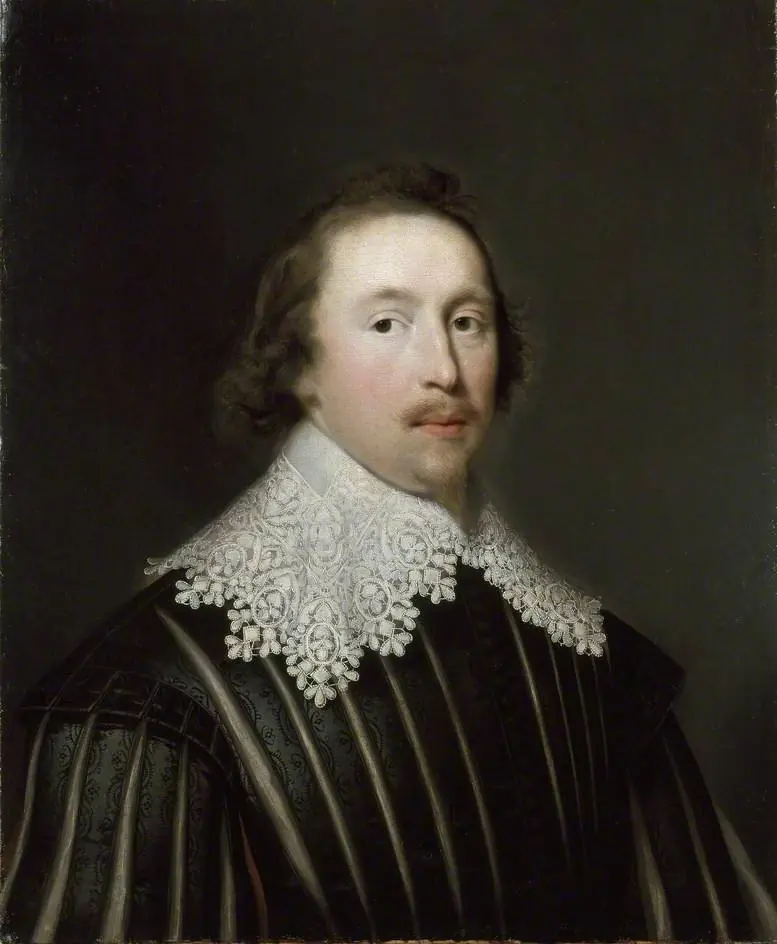 Portrait of a Man
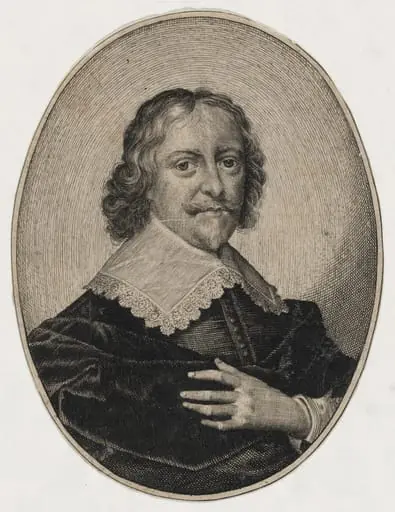 Portrait of a Man with a Broad Collar
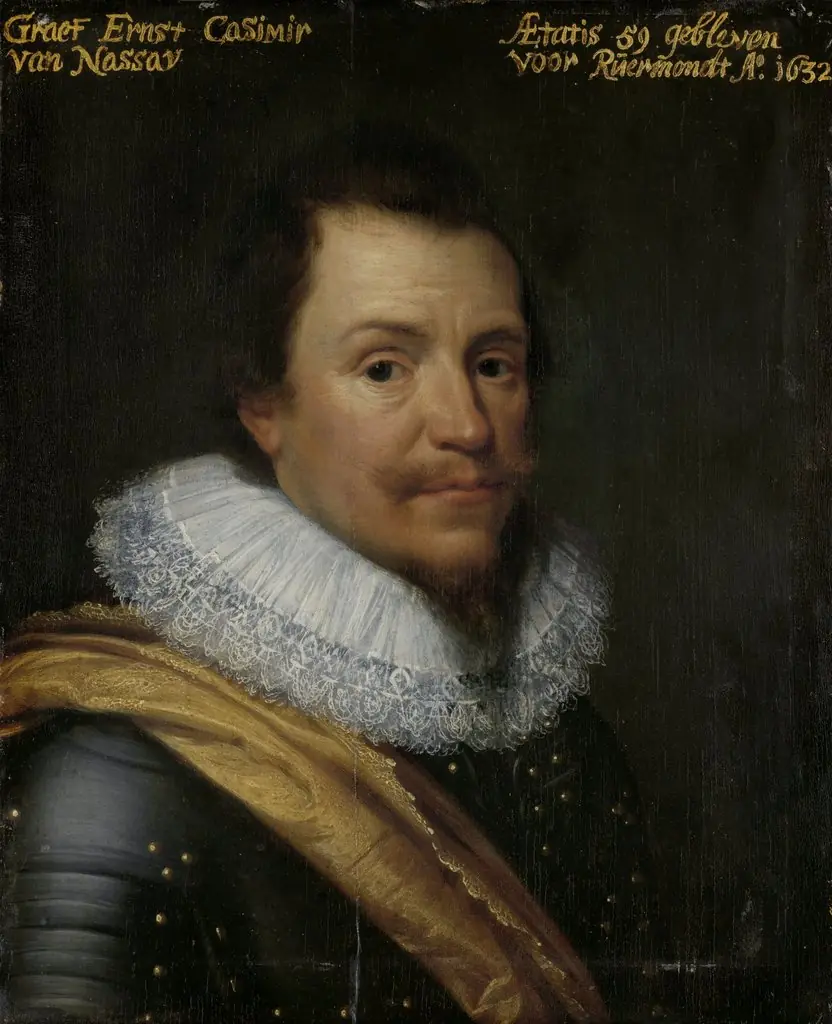 Portrait of Ernst Casimir (1573-1632), Count of Nassau-Dietz
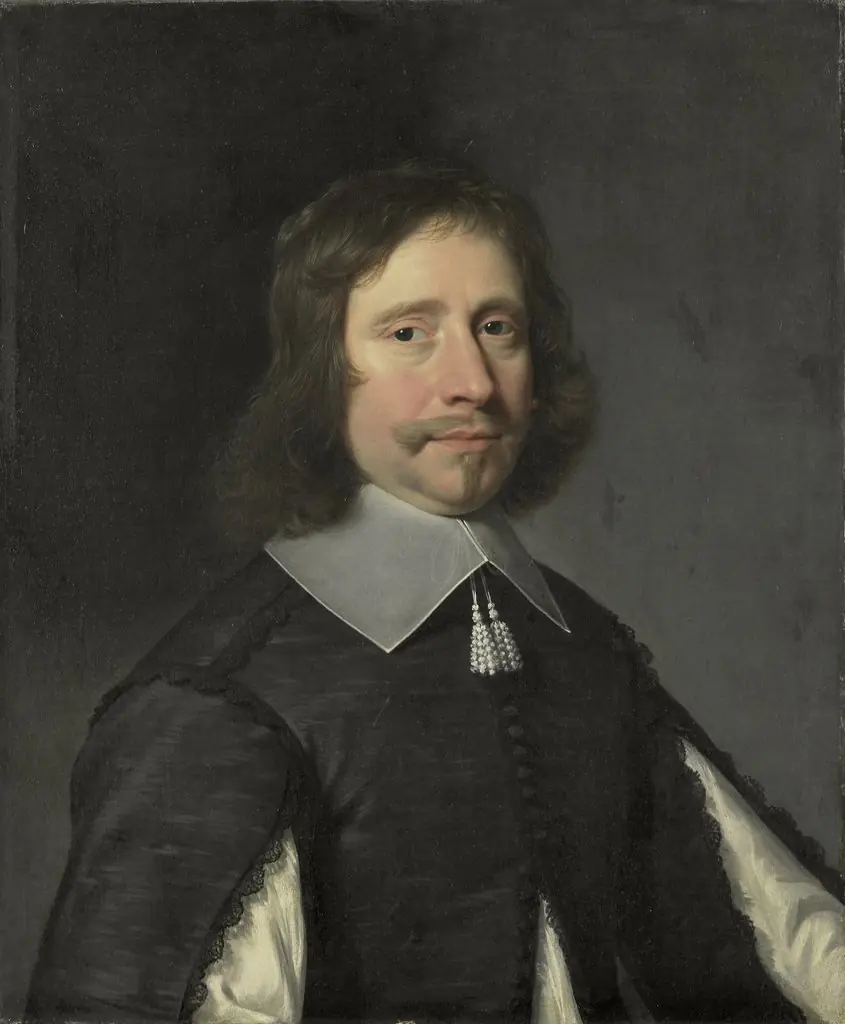 Portrait of a man, perhaps Philippe de la Trémoïlle (1596-?), count of Olonne
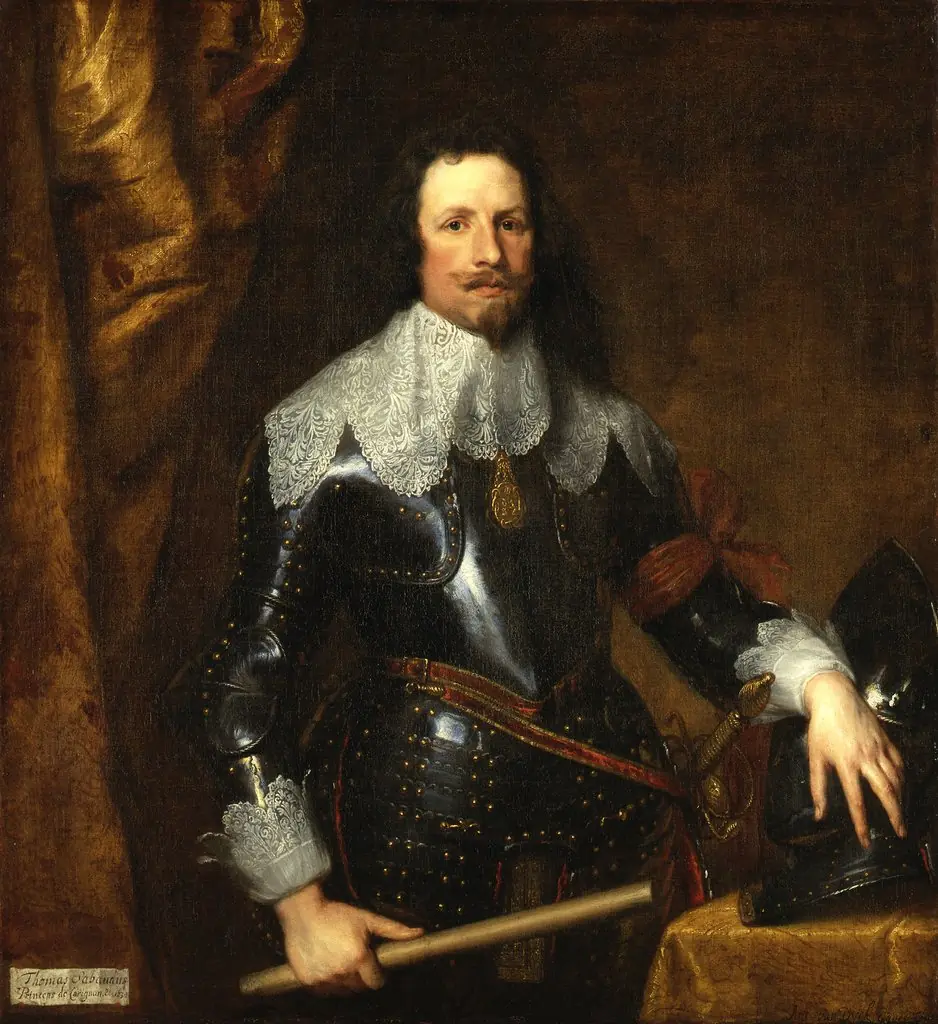 Portrait of Tomaso di Savoia-Carignano
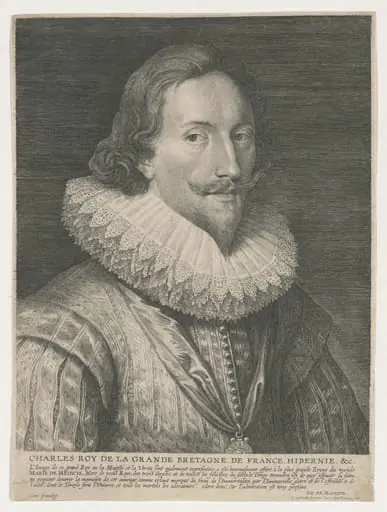 Charles I
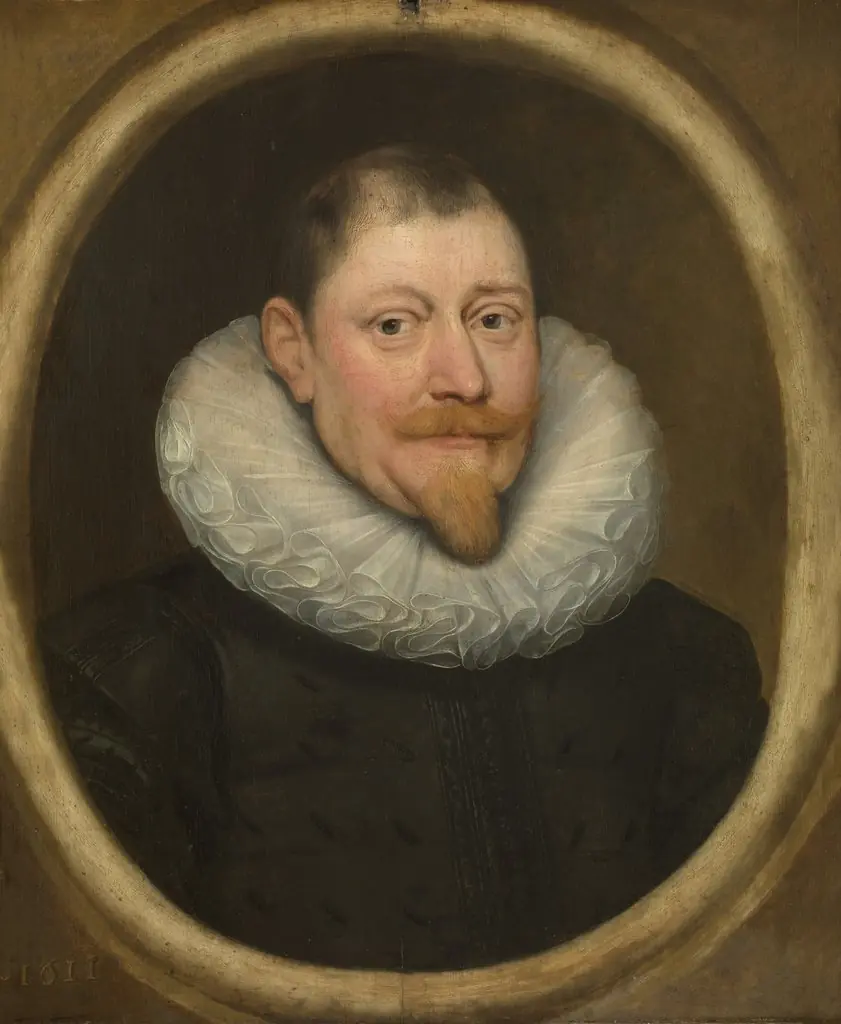 Portrait of a Man
 Portrait of Frederik Hendrik (1584-1647), Prince of Orange
 Portrait of Karel Reyniersz, Governor-General of the Dutch East Indies
 Portrait of Albert (1596-1626), Count of Nassau-Dillenburg
 Portrait of Johann Philipp Schönborn, elector of Mainz
 William Herbert, Third Earl of Pembroke