Artwork
Prince and Attendants Hunting
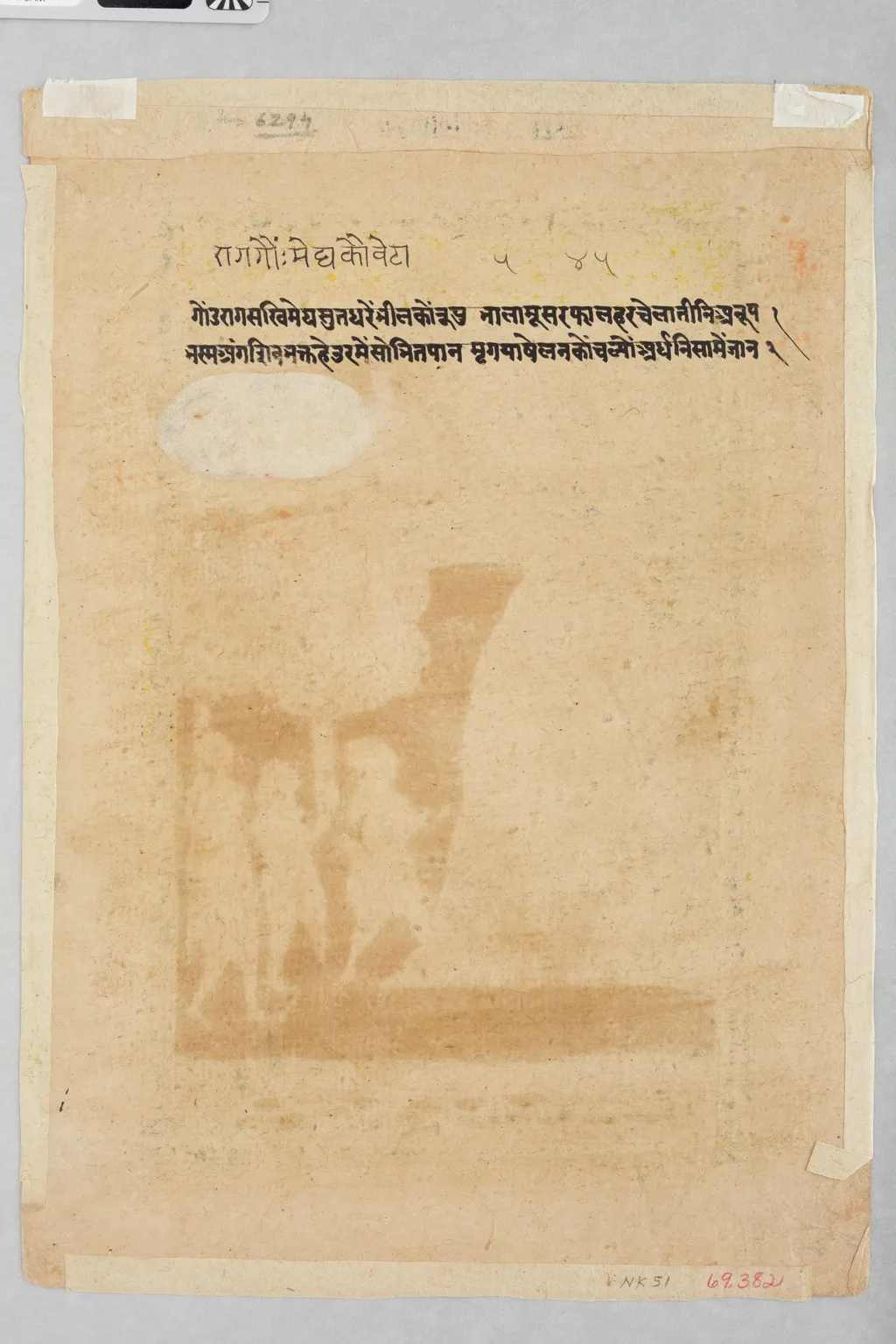
Prince and Attendants Hunting is an unspecified painting by Unknown. It is held in the collection of the Detroit Institute of Arts. This painting captures a moment of royal hunting activity, centered on a prince accompanied by his attendants.
About this work
Overview
The use of chiaroscuro enhances spatial depth and lends a quiet intensity to the moment, distinguishing it from more decorative courtly scenes of the period.
This painting captures a moment of royal hunting activity, centered on a prince accompanied by his attendants. Rendered in a restrained palette of earth tones, the scene emphasizes naturalism over ornamentation. The composition directs focus to the prince, who holds a spear, while others around him prepare or observe. The use of chiaroscuro enhances spatial depth and lends a quiet intensity to the moment, distinguishing it from more decorative courtly scenes of the period.
Subject & Meaning
The scene portrays a prince engaged in a traditional aristocratic pursuit, reinforcing his status and martial readiness. His central position and active posture contrast with the more passive or preparatory stances of his attendants, suggesting hierarchy and leadership. Hunting was not merely recreation but a symbolic act of control over nature and a demonstration of noble virtue. The absence of overt spectacle implies a focus on discipline rather than spectacle.
Technique & Style
The artist employs chiaroscuro with precision, using subtle gradations of light and shadow to model figures and define spatial relationships. The muted background, devoid of elaborate detail, isolates the figures and heightens their three-dimensionality. Brushwork is controlled and deliberate, avoiding flamboyance in favor of quiet realism. This restrained approach aligns with a broader trend toward naturalism in courtly portraiture during the period.
History & Provenance
The painting’s origins are tied to a royal atelier, likely commissioned to commemorate a specific hunting expedition. Its survival suggests it was preserved within a noble collection, possibly passed down through generations. While the artist’s identity remains unconfirmed, stylistic elements point to a regional school known for blending Persian and indigenous traditions in courtly imagery. No documented exhibition history exists prior to the 20th century.
Context
Hunting scenes were common in royal art across Eurasia, serving as visual affirmations of power and connection to the land. In this context, the painting reflects a cultural moment where aristocratic identity was expressed through controlled, disciplined activity rather than overt display. The subdued tones and intimate scale contrast with grander battle or ceremonial paintings, suggesting a preference for personal, private virtue over public spectacle.
Legacy
The painting contributes to a broader corpus of non-Western naturalist portraiture that predates European realism’s dominance. Its quiet composition and emphasis on psychological presence influenced later regional artists seeking to depict nobility with restraint. Though not widely exhibited, it remains a reference point in studies of courtly visual culture, valued for its understated technical mastery and avoidance of theatricality.
Artist & collection

 Domestic Scene
 Giacomo and Cardinal Marco, investing Andrea, Abbot of San Zeno, with his Benefice
 The Nymph of Fontainebleau
 Portrait of a Woman
 Madonna and Child with Saints in the Enclosed Garden
 Venus and Minerva
 Family Group of Four on Sofa
 Wall painting from Room H of the Villa of P. Fannius Synistor at Boscoreale
 Prince with Two Lotus Blooms in Forest
 Krishna, Balarama and Gopis Swimming
 Princes Juggling Balls in Courtyard
 Hero and Heroine Subject: Lovers in Pavilion; Two Attendants in Courtyard
 Holding Hands in a Pavilion
 Cow Worship
 Hero and Heroine Subject: Couple Standing on Terrace
 Hero and Heroine Subject: Lady Applying Makeup
 Raja on White Elephant with Female Attendants
 Muni Shri Sukdevji Preaching to the Raja Parikshit