Artwork
Ascension of Christ
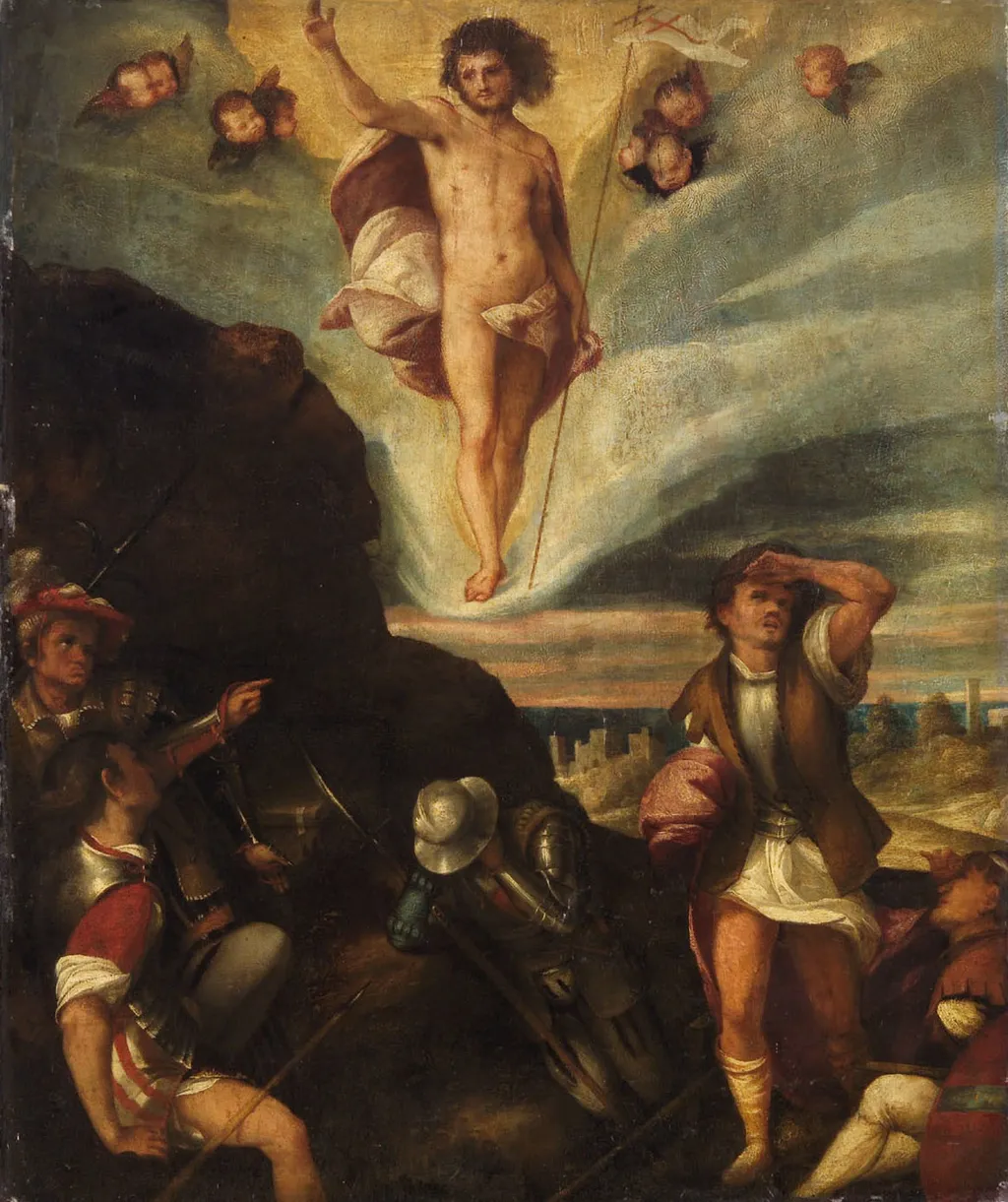
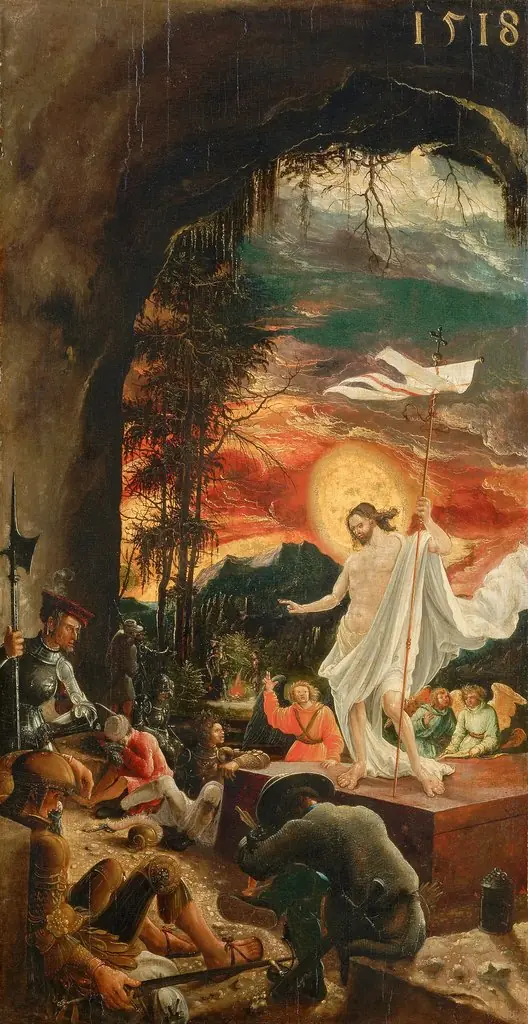
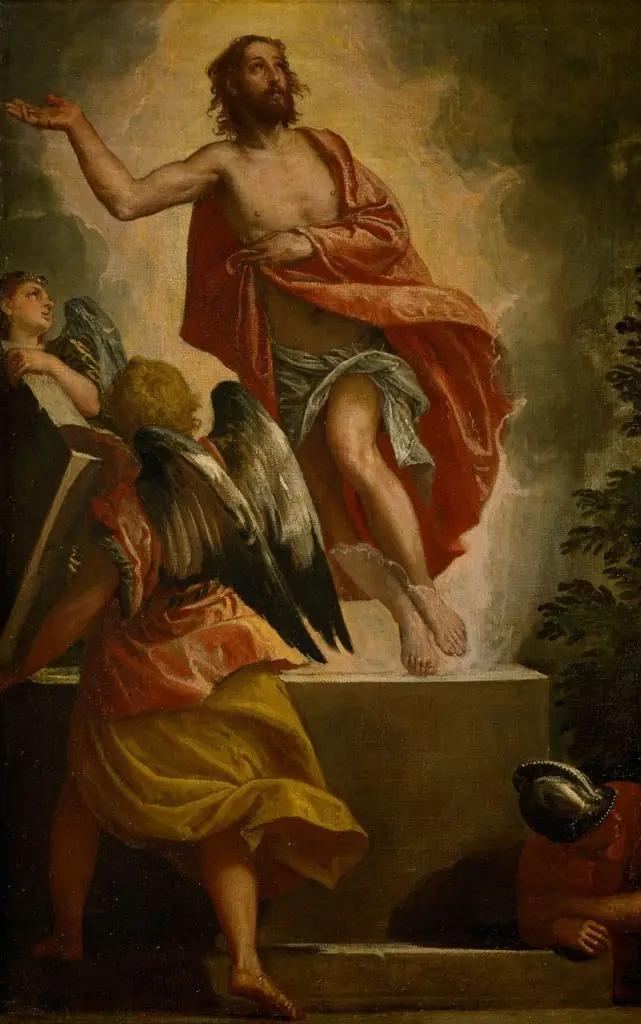
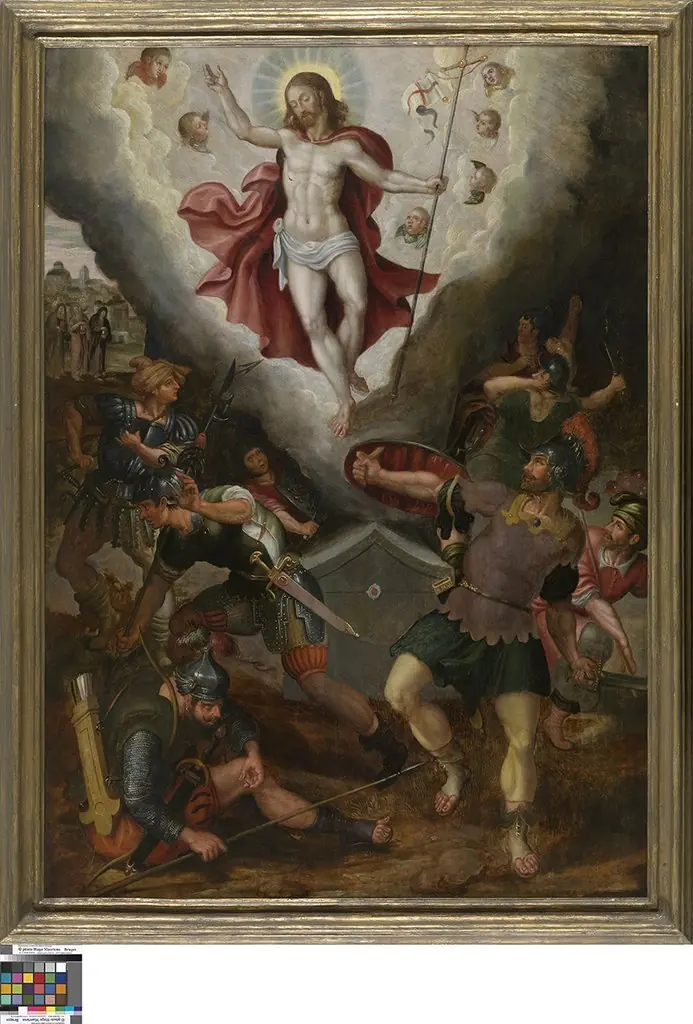
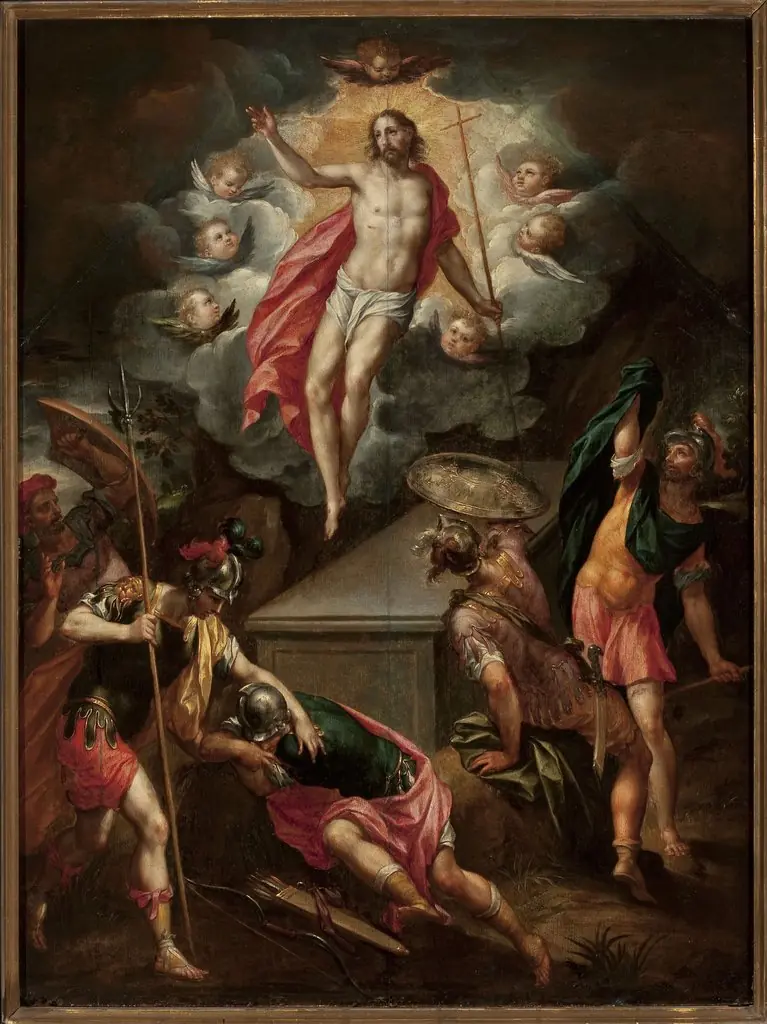
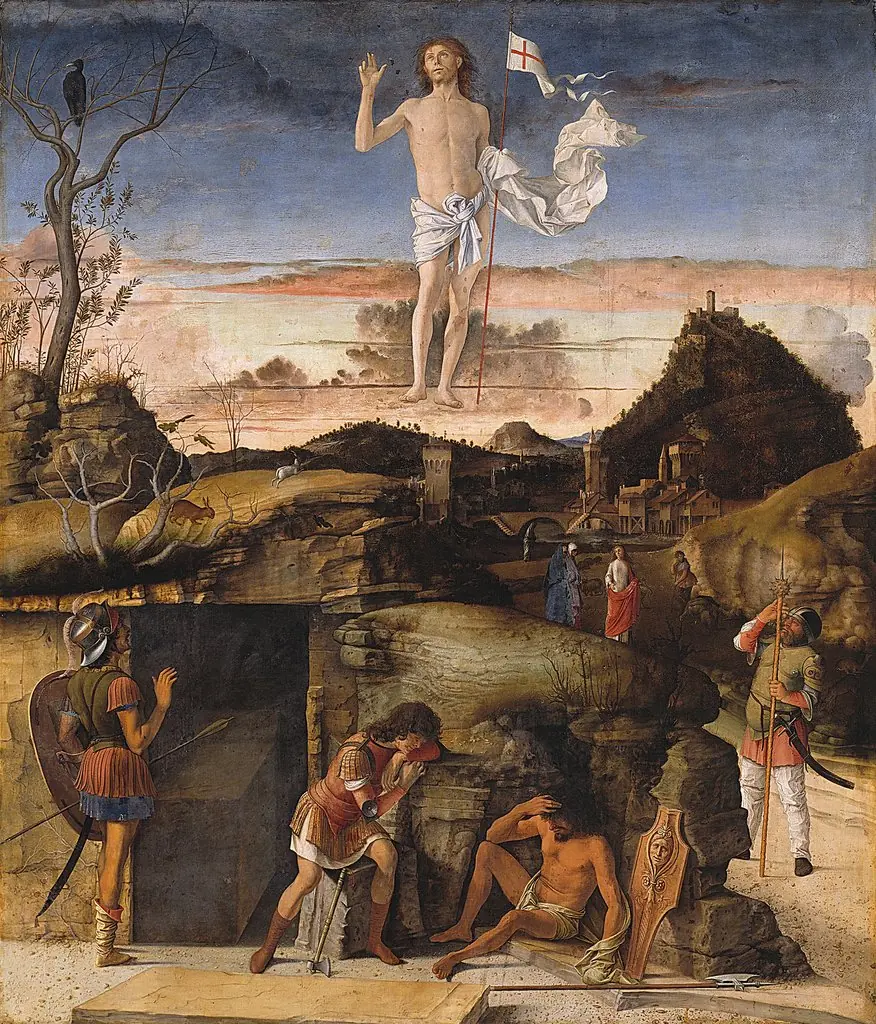
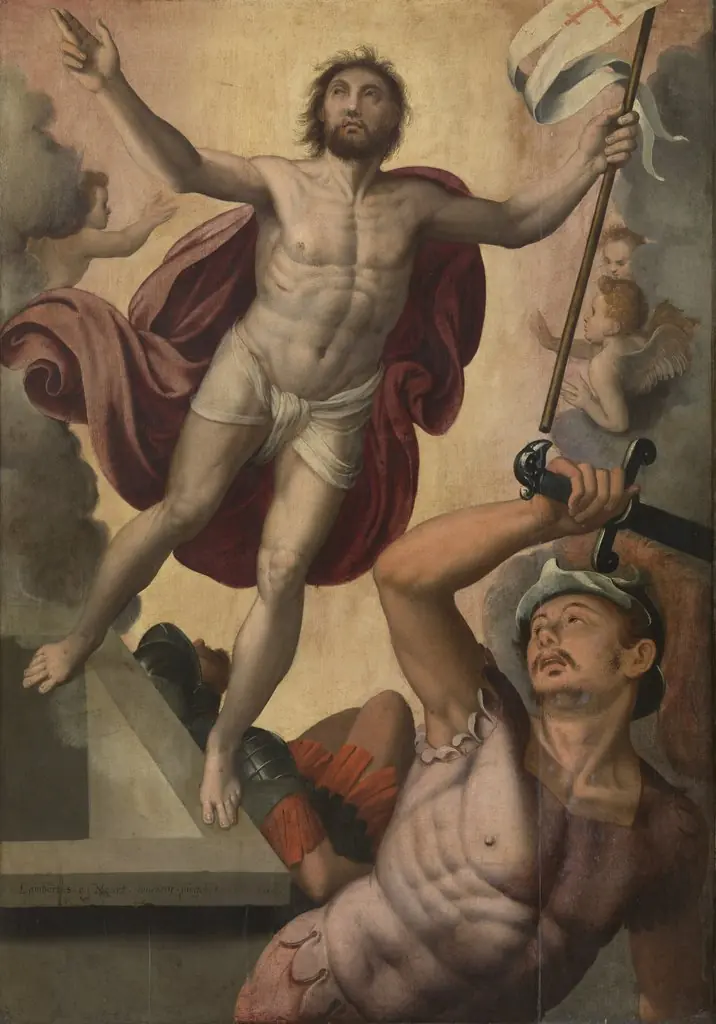
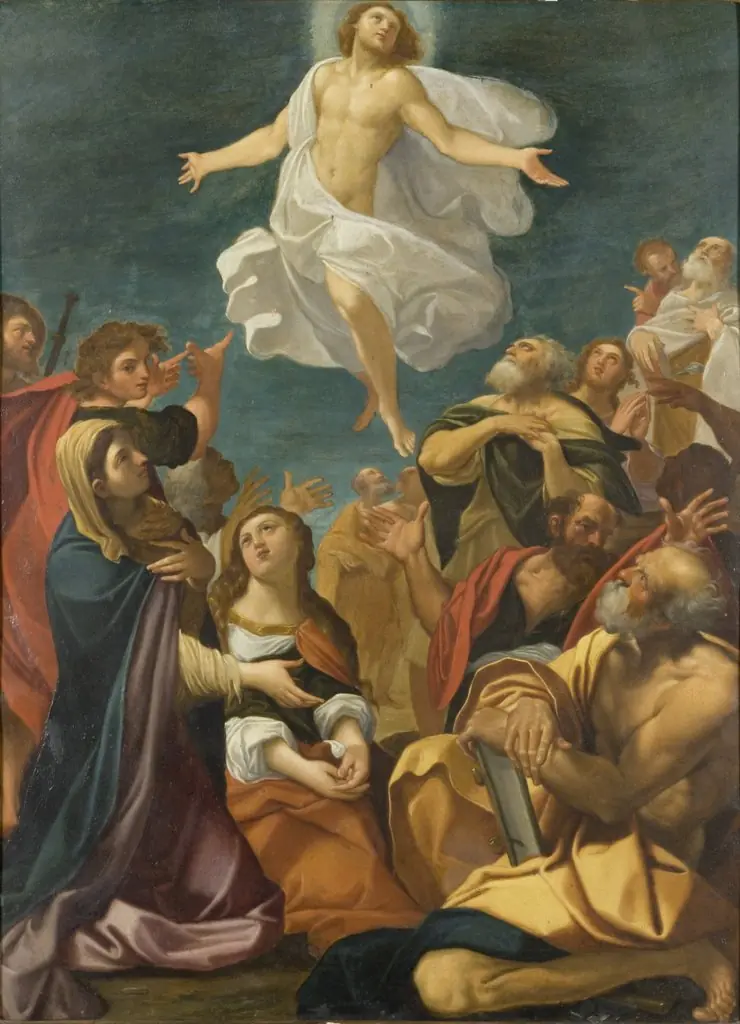
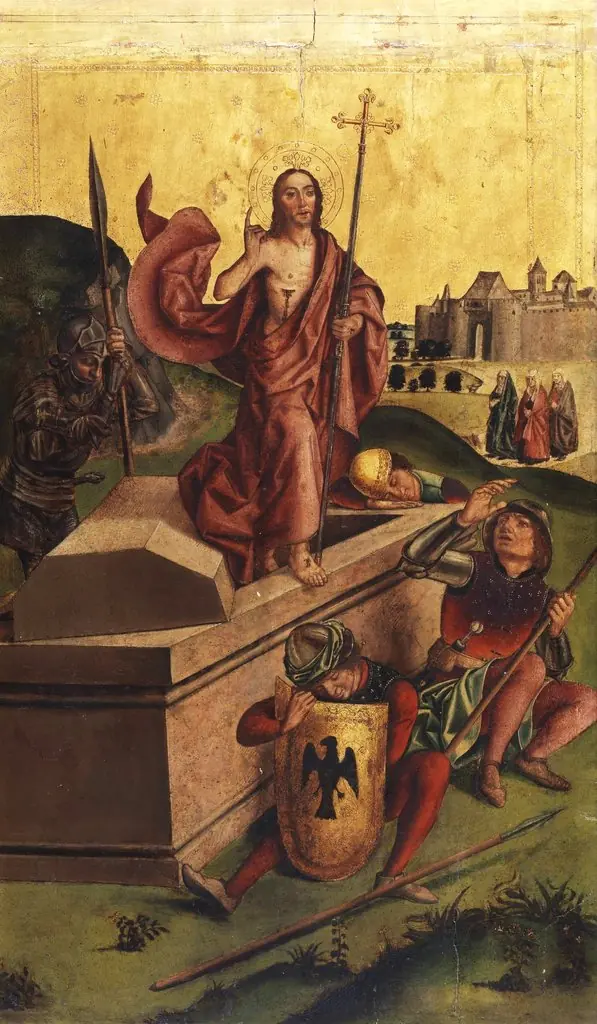
Ascension of Christ is an oil painting by the Mannerist artist Unknown. It dates from 1520 and is held in the collection of the Kunsthistorisches Museum. The work depicts the moment of Christ’s ascent, with the figure rising toward a cloudy heavens.
About this work
Overview
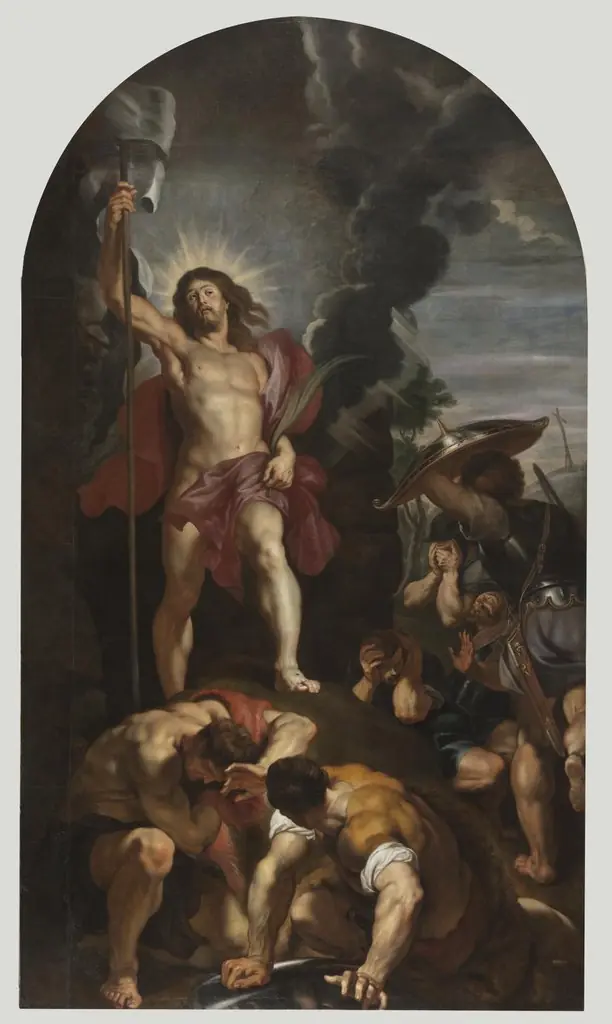
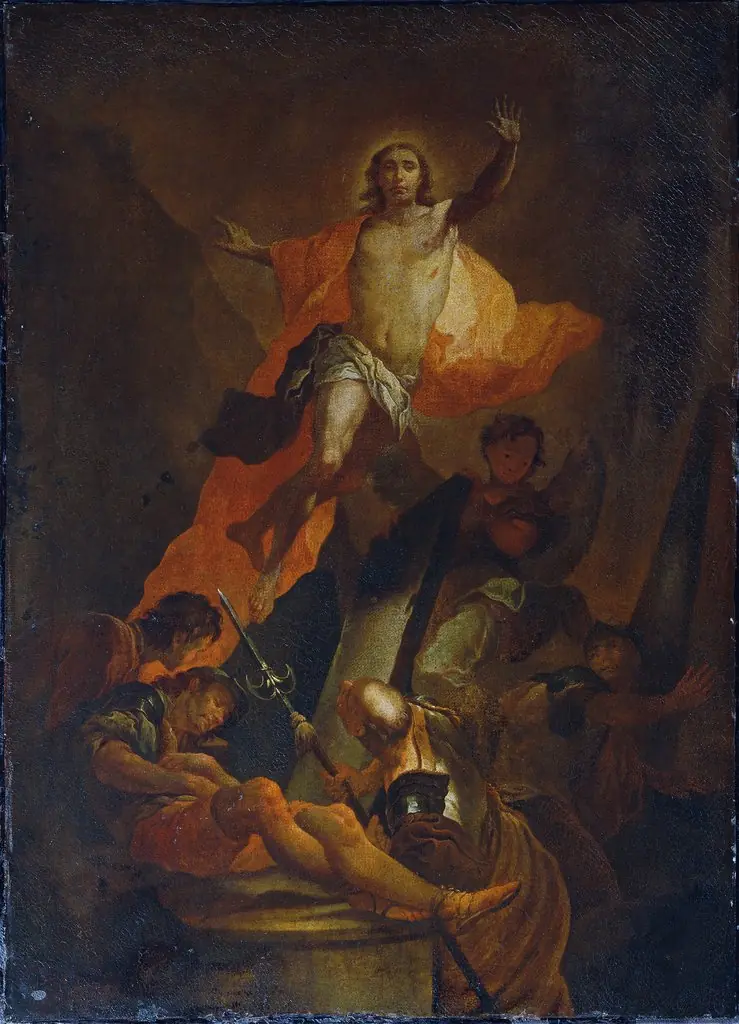
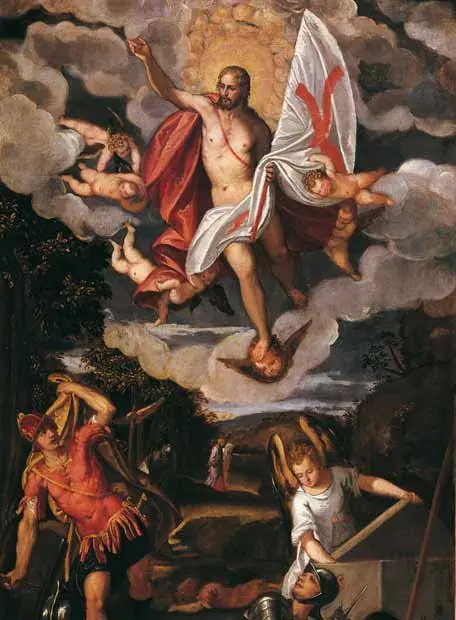
The work depicts the moment of Christ’s ascent, with the figure rising toward a cloudy heavens. He is shown nude beneath a white drapery, a halo encircling his head, his right hand uplifted and a staff grasped in the left. Below, a group of onlookers, some clad in armor, gaze upward, while faint angels occupy the sky above.
Subject & Meaning
The contrast between the exposed, vulnerable body and the protective white cloth underscores both humanity and sanctity.
The composition illustrates the theological event of Christ’s return to the divine realm after his earthly ministry. The contrast between the exposed, vulnerable body and the protective white cloth underscores both humanity and sanctity. The presence of armed figures may symbolize earthly authority acknowledging the spiritual transition, while the angels suggest heavenly endorsement of the ascent.
Technique & Style
Executed in oil, the painting employs a restrained palette of browns, grays, and muted tones. Strong chiaroscuro creates pronounced modeling, giving depth to the figures and a dramatic interplay of light and shadow. The soft, diffused illumination around the halo and the celestial background enhances the sense of otherworldly elevation.
Context
The work aligns with a tradition of depicting Christ’s ascension that emerged in late medieval and early modern art, often emphasizing the contrast between the divine and the mortal realm. Its muted coloration and dramatic lighting reflect a period when artists favored sober realism over the vivid coloration of earlier Renaissance interpretations.
Artist & collection

 Domestic Scene
 Giacomo and Cardinal Marco, investing Andrea, Abbot of San Zeno, with his Benefice
 The Nymph of Fontainebleau
 Portrait of a Woman
 Madonna and Child with Saints in the Enclosed Garden
 Venus and Minerva
 Family Group of Four on Sofa
 Wall painting from Room H of the Villa of P. Fannius Synistor at Boscoreale