Artwork
Justus de Huybert
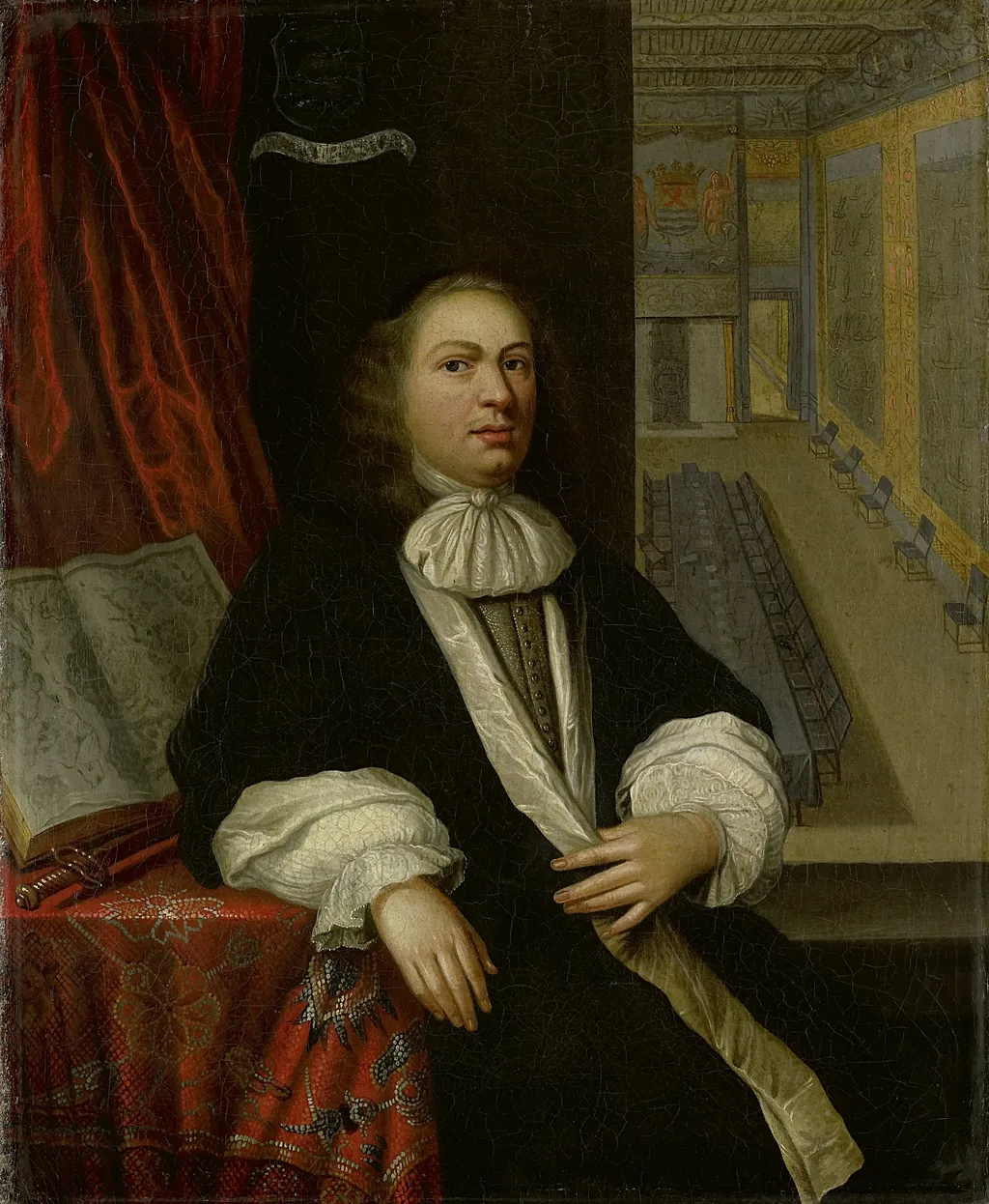
Justus de Huybert is an oil painting. It dates from 1665 and is held in the collection of the Rijksmuseum.
About this work
Behind him, a red curtain frames the scene, while outside, a courtyard with a stone staircase and a few figures is faintly visible.
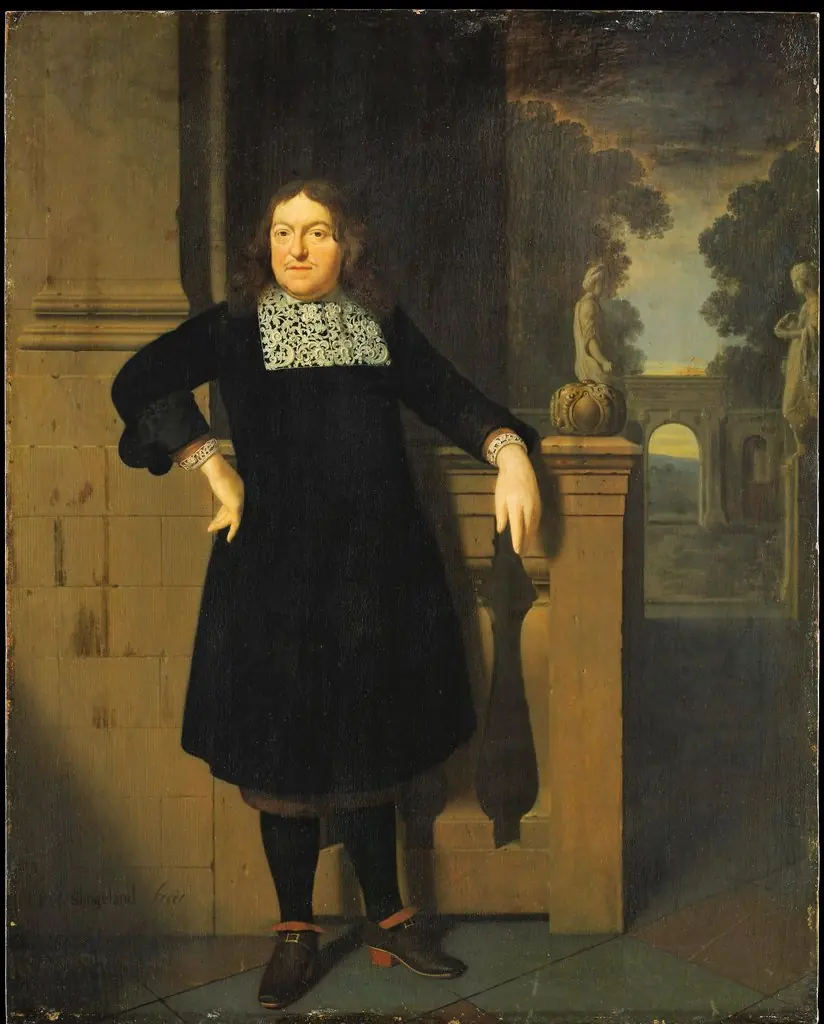
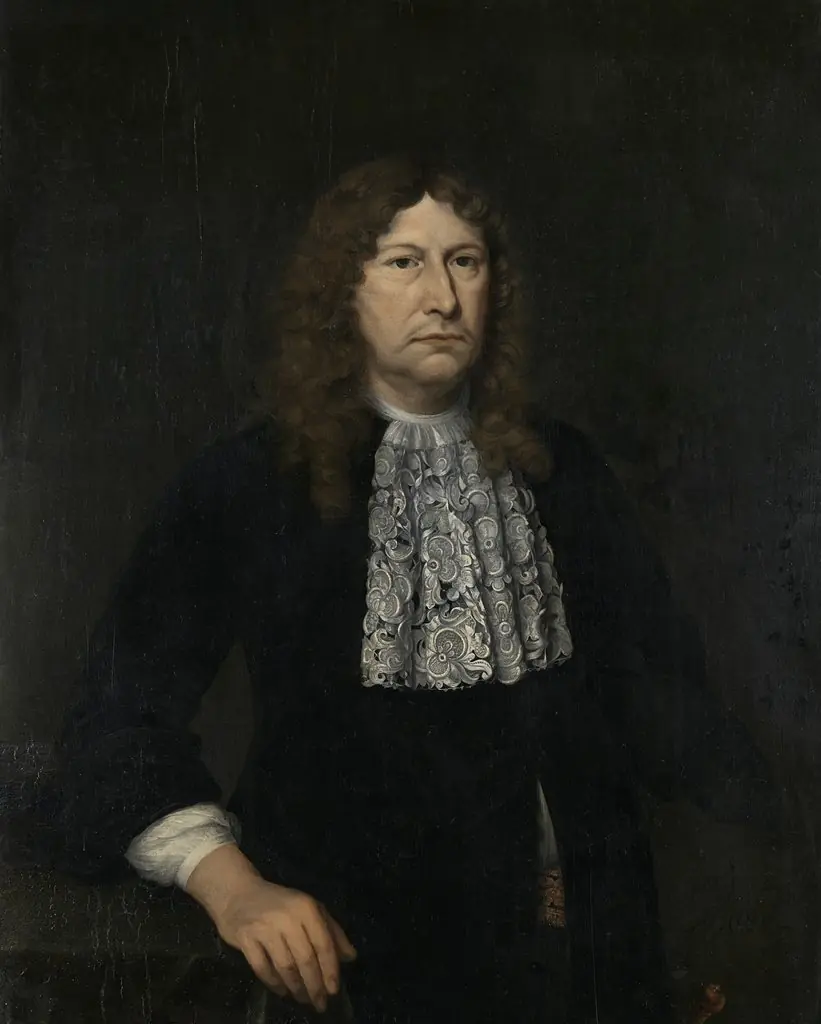
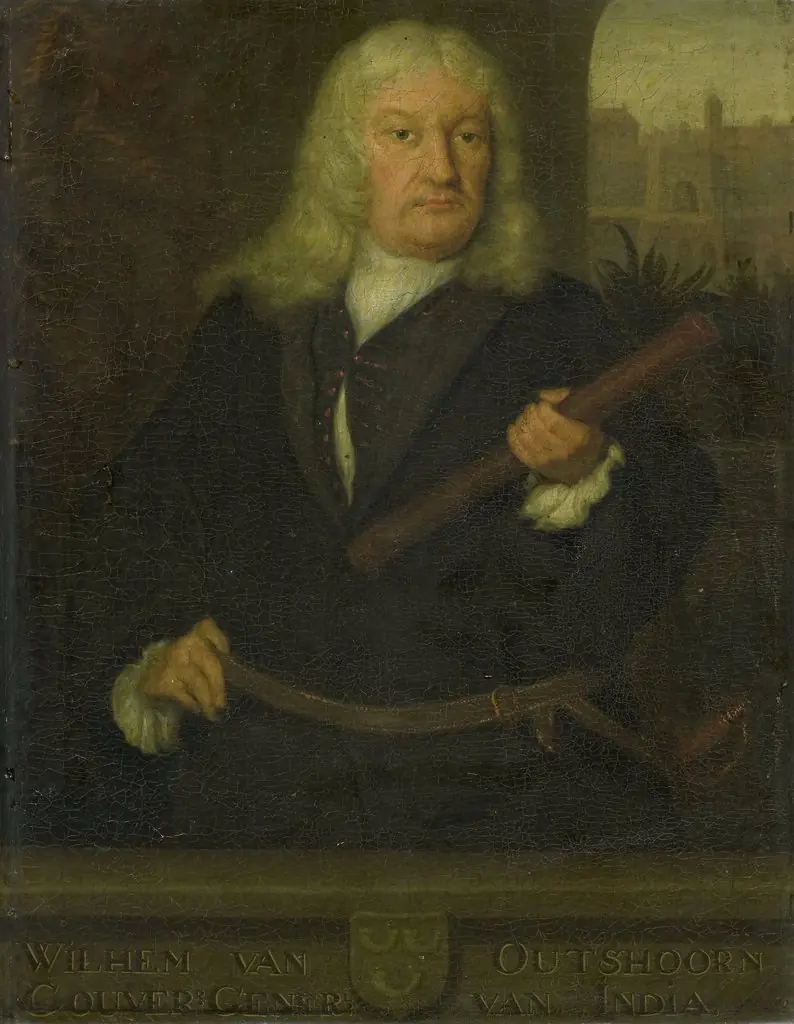
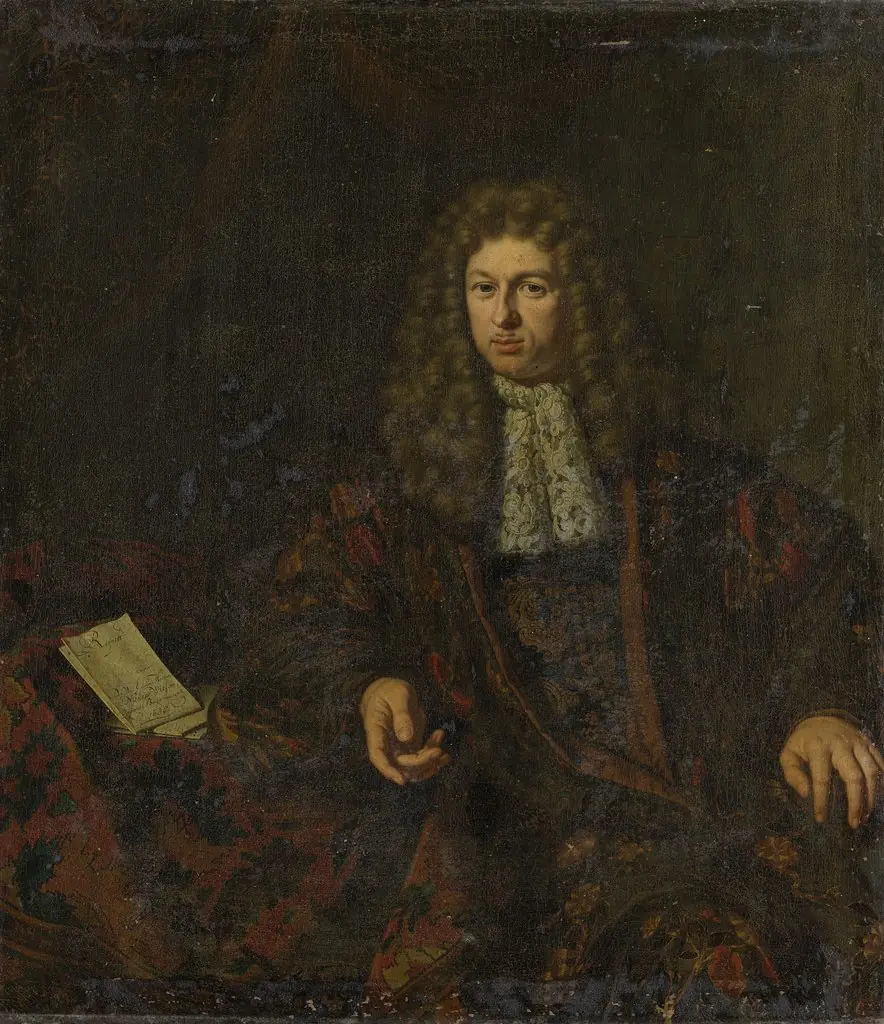
A man in a dark coat and white ruffled collar sits with his arm resting on a windowsill. Behind him, a red curtain frames the scene, while outside, a courtyard with a stone staircase and a few figures is faintly visible. His expression is calm, and his outfit looks rich but slightly worn.
This portrait was painted in 1665, showing a man named Justus de Huybert. The artist paid close attention to the folds of his clothing and the play of light on his face.
Look up chiaroscuro to see how this lighting technique works.
Overview
The 1665 oil portrait depicts Justus de Huybert seated before a window, his arm resting on the sill. He wears a dark coat with a white ruffled collar, his expression calm and his attire suggesting wealth tempered by modest wear. A deep red curtain frames the composition, while a muted view of a courtyard with a stone staircase and distant figures can be seen through the window.
Subject & Meaning
Justus de Huybert, the sitter, is presented as a dignified figure, his composed demeanor reflecting the social standing typical of mid‑seventeenth‑century Dutch portraiture. The inclusion of the interior setting and the glimpse of an exterior courtyard may allude to his connection to both private domestic life and public civic space, underscoring a balance between personal identity and communal role.
Technique & Style
The painter employs chiaroscuro, contrasting the illuminated face and clothing folds with the darker background to model form and convey volume. Careful rendering of the fabric’s drapery highlights the texture of the coat and collar, while subtle light reflects off the skin, creating a realistic yet restrained portraiture typical of the Dutch Baroque period.
History & Provenance
Created in 1665, the work has remained documented as a portrait of Justus de Huybert, though the artist’s identity is not recorded in the surviving sources. The painting has passed through private collections before entering a public institution, where it is now displayed as an example of mid‑seventeenth‑century Dutch portraiture.
Artist & collection