Artwork
Legend of Durga
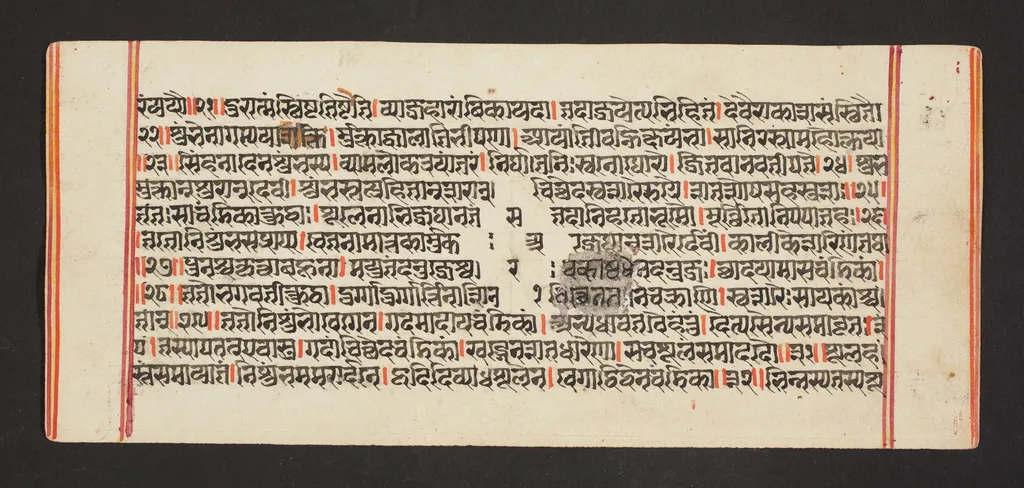
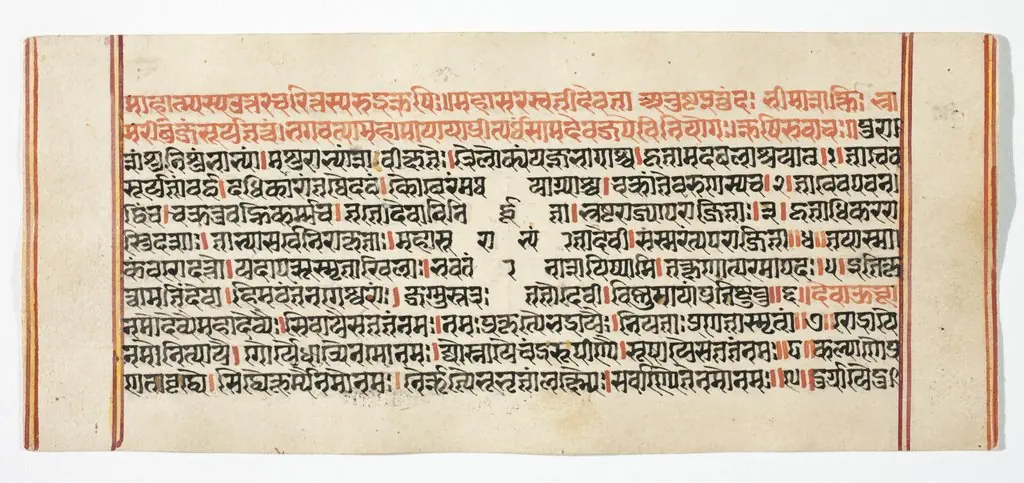
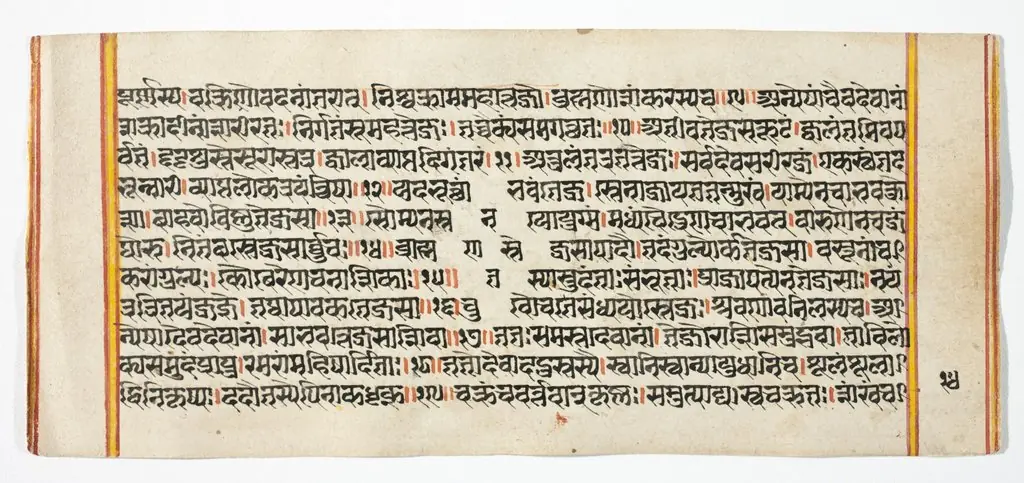
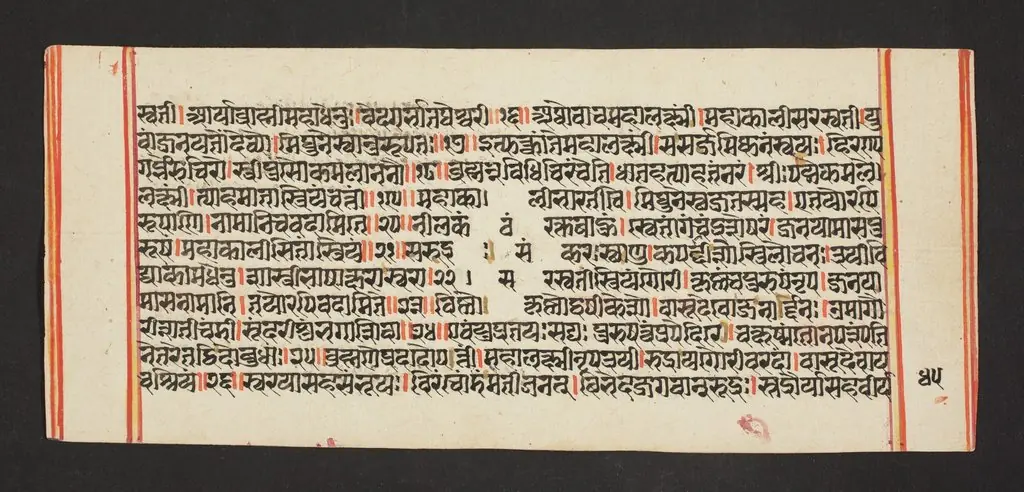
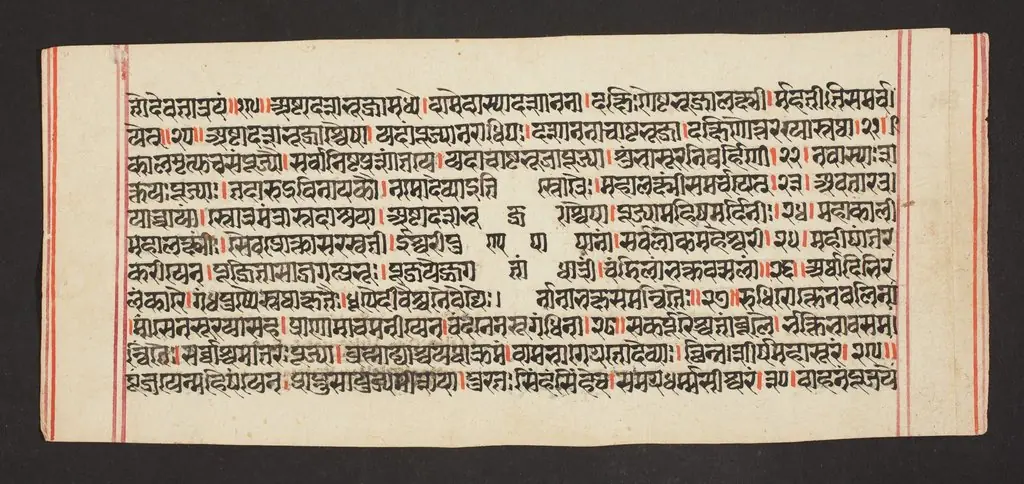
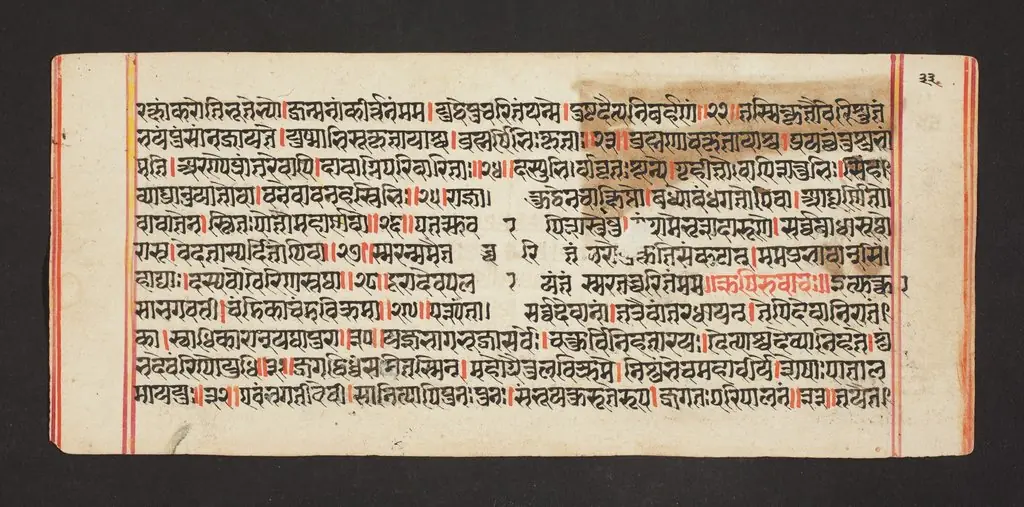
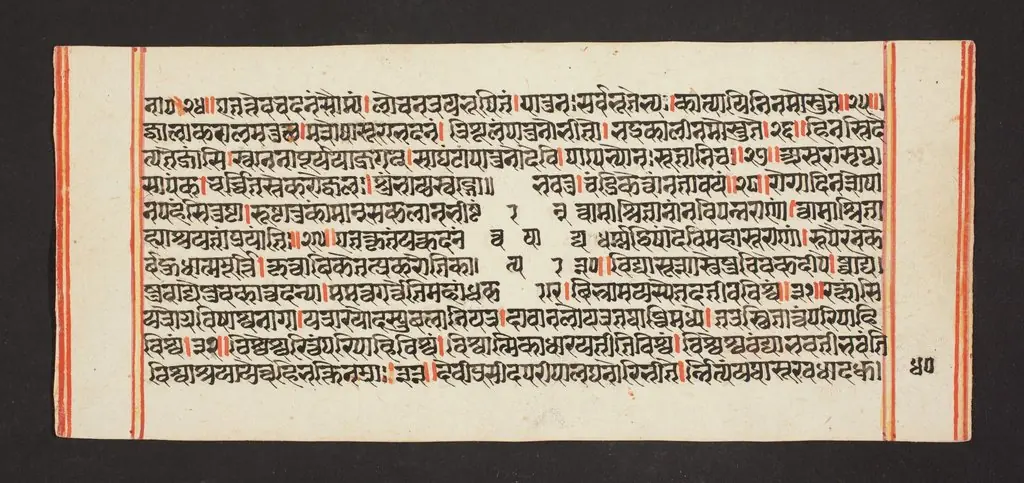
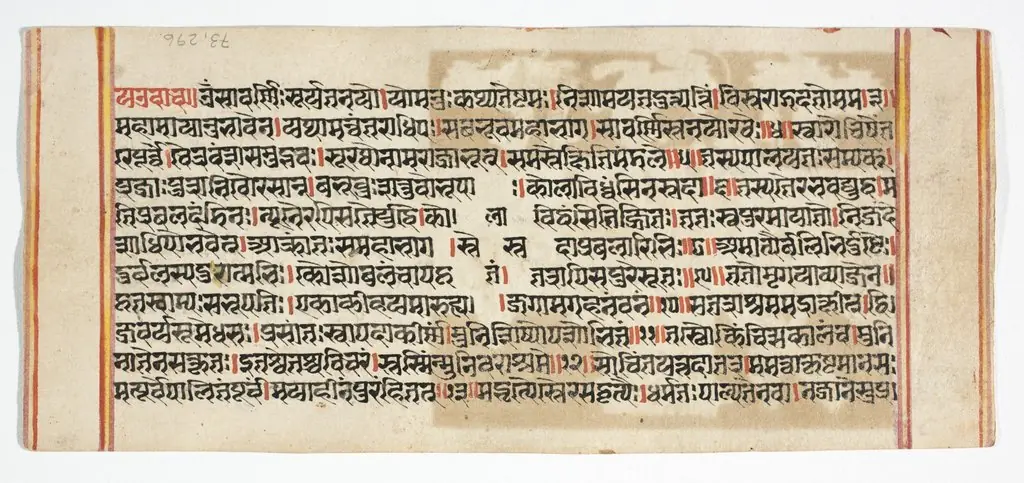
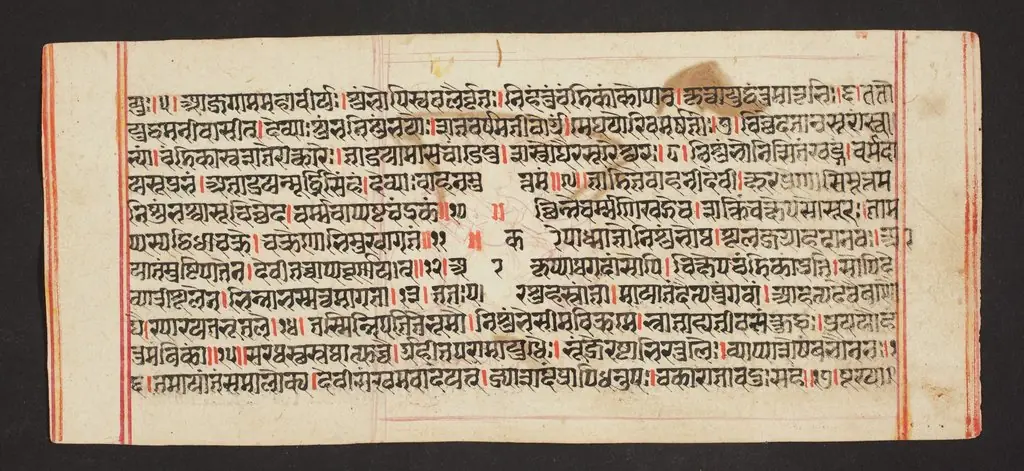
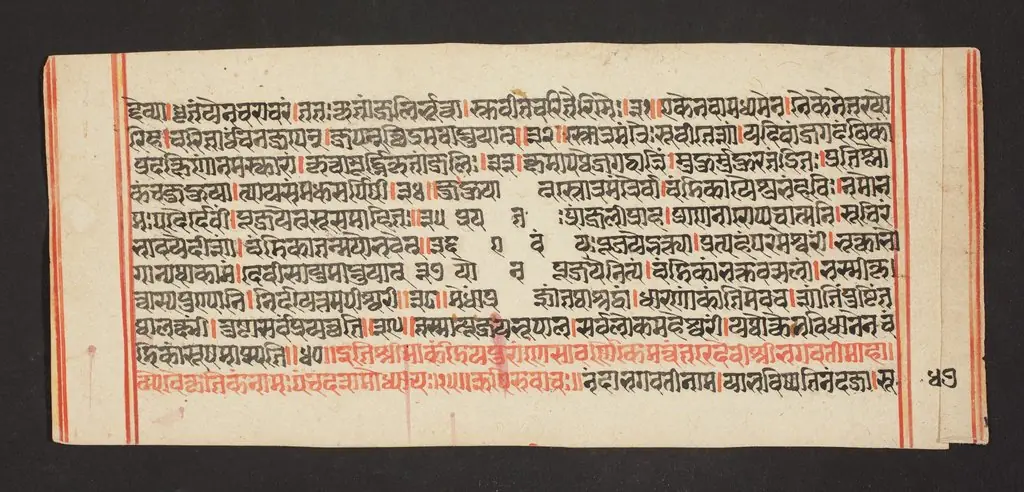
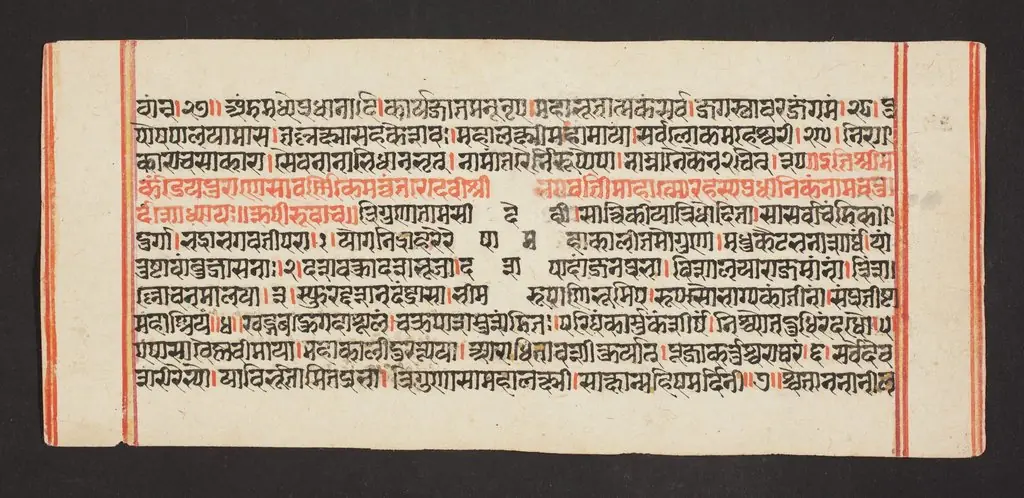
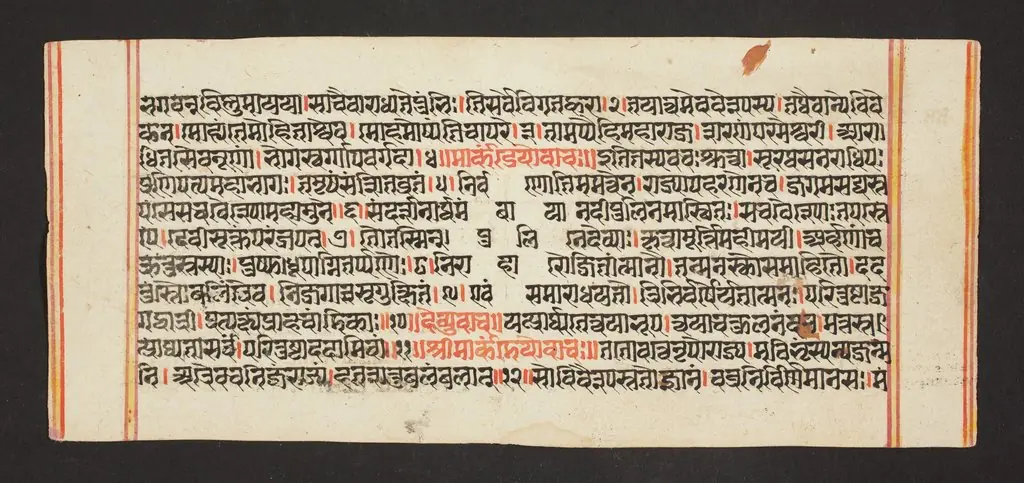
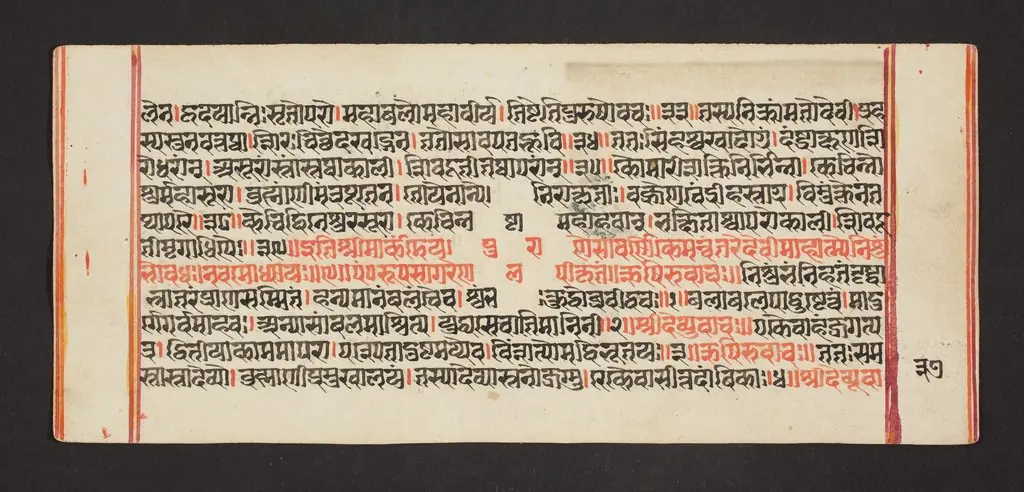
Legend of Durga is an unspecified painting by Unknown. It is held in the collection of the Detroit Institute of Arts. This painting illustrates a narrative from the Hindu mythological cycle centered on the goddess Durga.
About this work
Overview
Rendered in vivid hues and dense ornamentation, the composition centers on her triumphant form amid a dynamic array of figures and symbols.
This painting illustrates a narrative from the Hindu mythological cycle centered on the goddess Durga. Rendered in vivid hues and dense ornamentation, the composition centers on her triumphant form amid a dynamic array of figures and symbols. The visual language blends naturalistic elements with stylized patterns, creating a layered scene that balances movement and stillness. Textual inscriptions woven into the design contribute to its ritual and narrative function.
Subject & Meaning
The central figure represents Durga in her role as a divine warrior, defeating the buffalo demon Mahishasura. Surrounding her are attendants, celestial beings, and symbolic animals, each reinforcing her power and cosmic authority. The inscribed script, likely Sanskrit or a regional variant, may contain mantras or verses from sacred texts, deepening the painting’s spiritual resonance. The scene functions not only as storytelling but as a devotional object meant to invoke protection and strength.
Technique & Style
The artist employs mineral pigments and fine brushwork to achieve intense color saturation and intricate detail. Gold leaf accents highlight key elements, while the flowing script is rendered with precision, integrating text as both decoration and sacred utterance. Patterns in clothing and background draw from regional decorative traditions, emphasizing symmetry and repetition. The composition avoids perspective in favor of hierarchical scaling, placing Durga at the visual and spiritual apex.
History & Provenance
The painting likely originates from a devotional tradition in northern or eastern India, possibly linked to manuscript illustration or temple art. Its style suggests production during the late Mughal or early colonial period, when religious themes persisted despite shifting patronage. While its exact origin and maker remain undocumented, similar works appear in collections from Rajasthan, Bengal, and the Punjab hills, indicating a widespread visual language for depicting Durga’s legend.
Context
This work emerges from a broader cultural practice of visualizing Hindu epics and Puranic tales through painting, often commissioned for private worship or festival use. The fusion of text and image reflects a long-standing Indian aesthetic where sacred words and visual symbols are inseparable. Such paintings were used in domestic shrines and ritual performances, reinforcing communal identity and religious devotion during seasonal festivals like Navaratri.
Legacy
The painting contributes to a continuous tradition of devotional art that persists in contemporary Indian religious practices. While modern reproductions and digital media have altered dissemination, the core visual vocabulary—bold color, symbolic hierarchy, and sacred script—remains influential. Scholars and conservators continue to study such works to understand regional variations in iconography and the transmission of myth through visual culture.
Artist & collection

 Domestic Scene
 Giacomo and Cardinal Marco, investing Andrea, Abbot of San Zeno, with his Benefice
 The Nymph of Fontainebleau
 Portrait of a Woman
 Madonna and Child with Saints in the Enclosed Garden
 Venus and Minerva
 Family Group of Four on Sofa
 Wall painting from Room H of the Villa of P. Fannius Synistor at Boscoreale