Artwork
Dewi Haran (David Evans) (1812–1885)
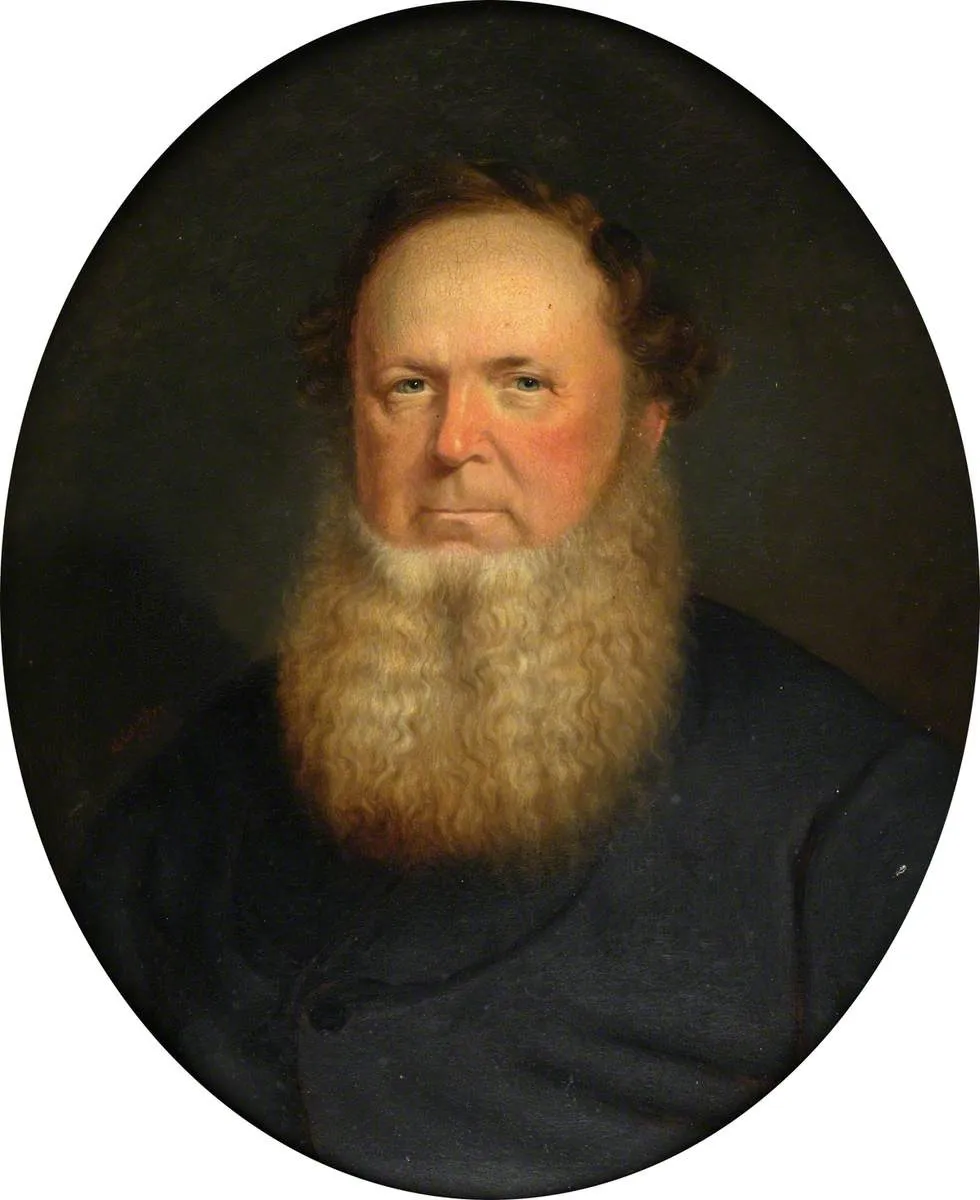
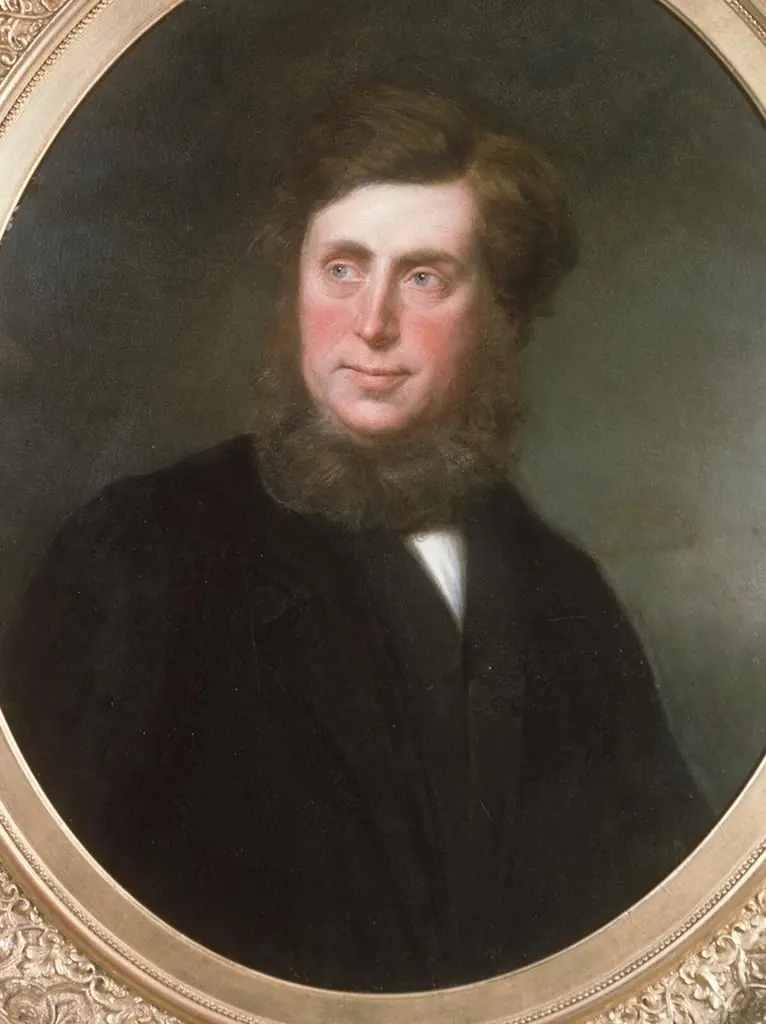
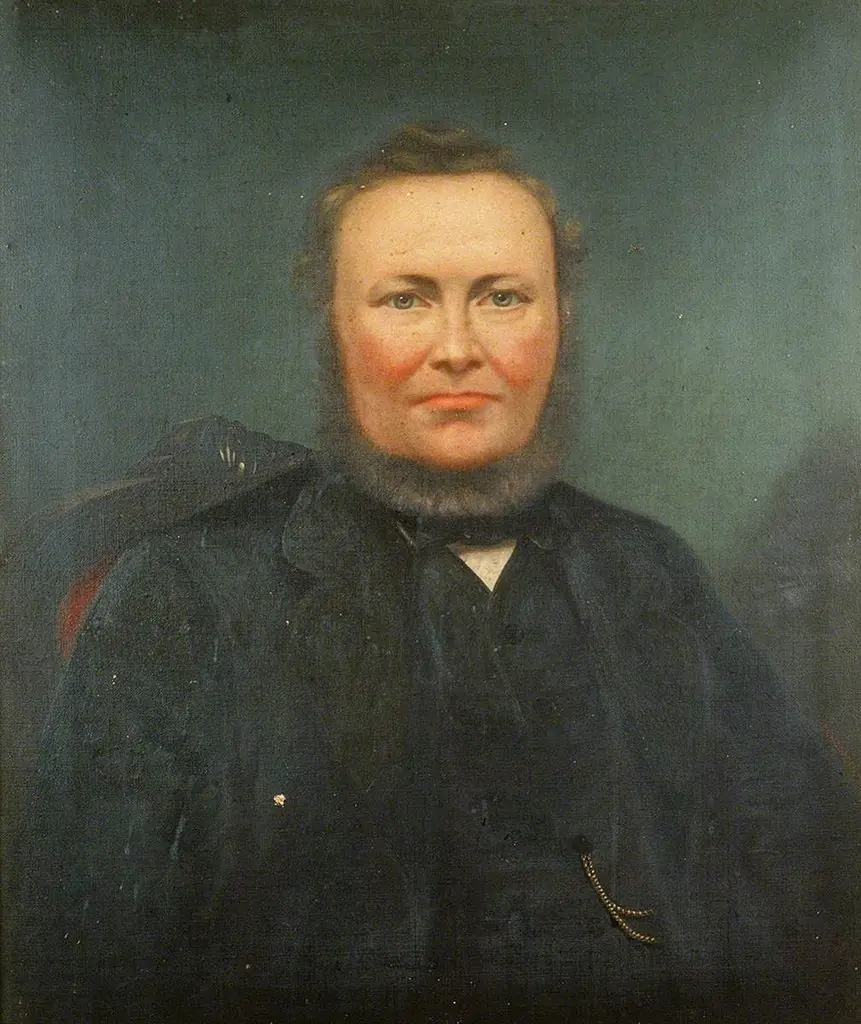
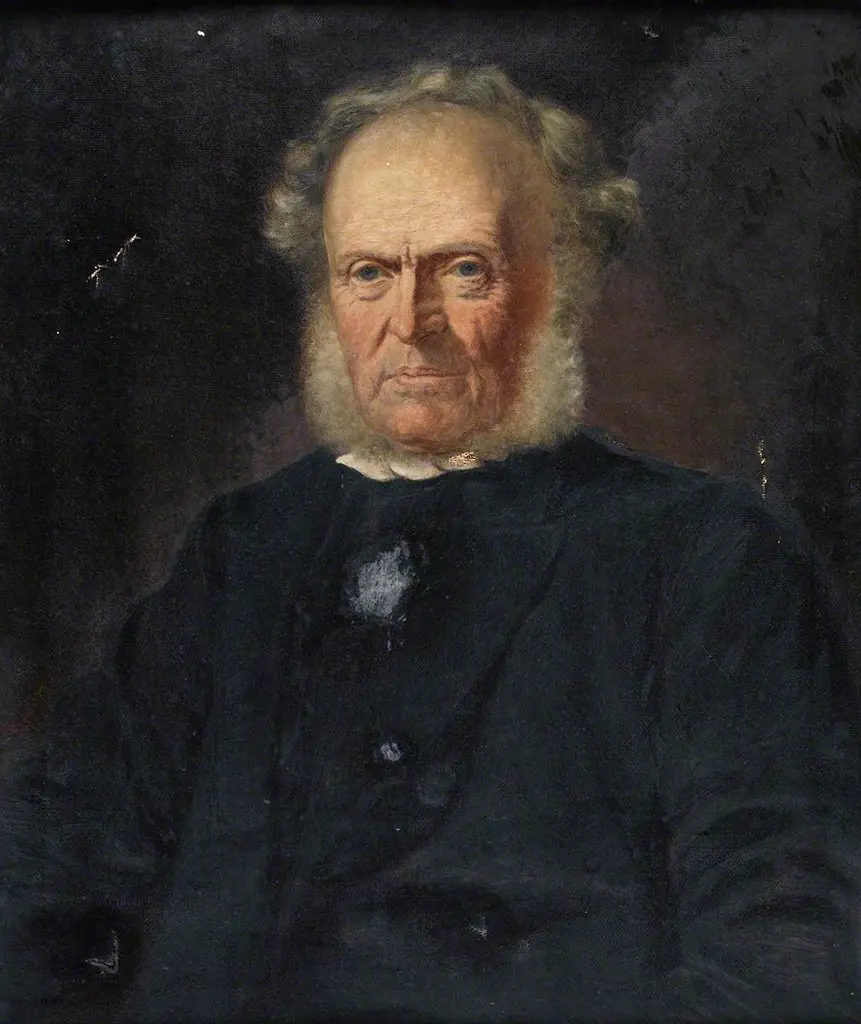
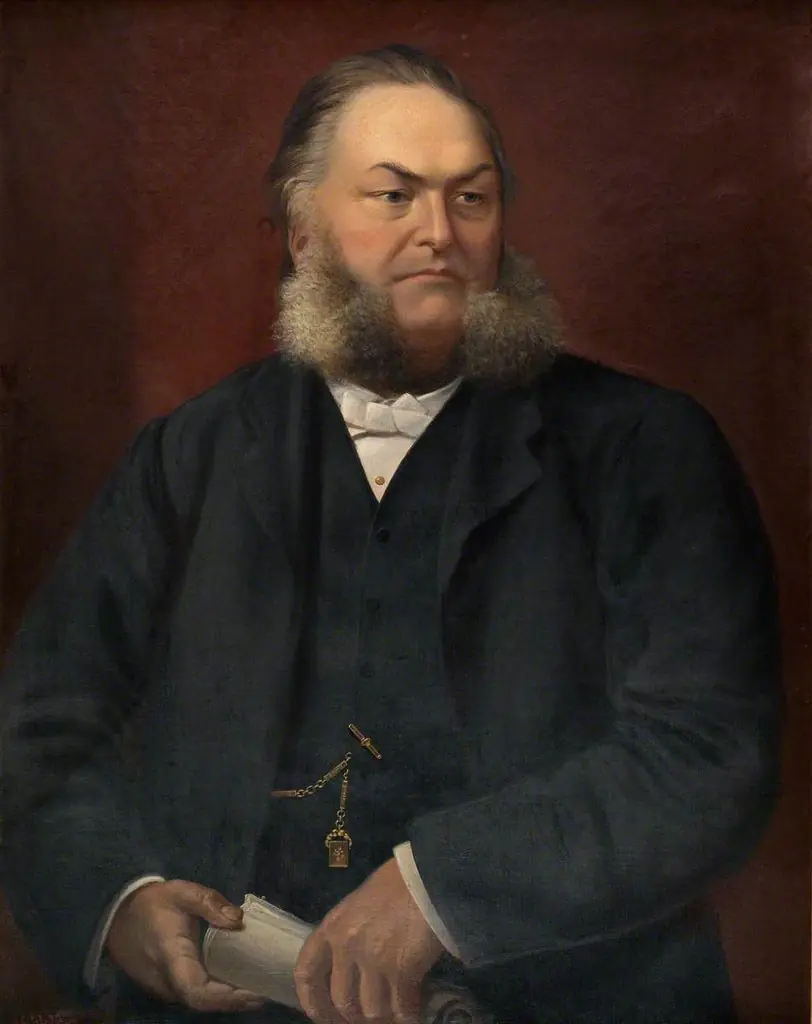
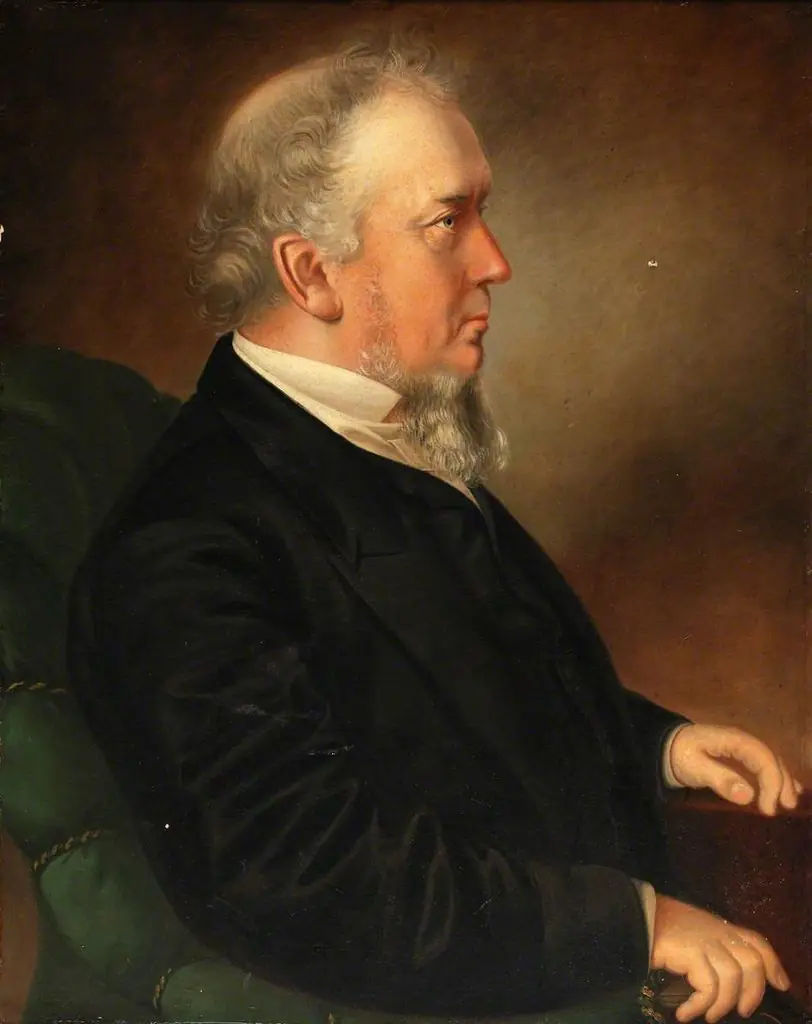
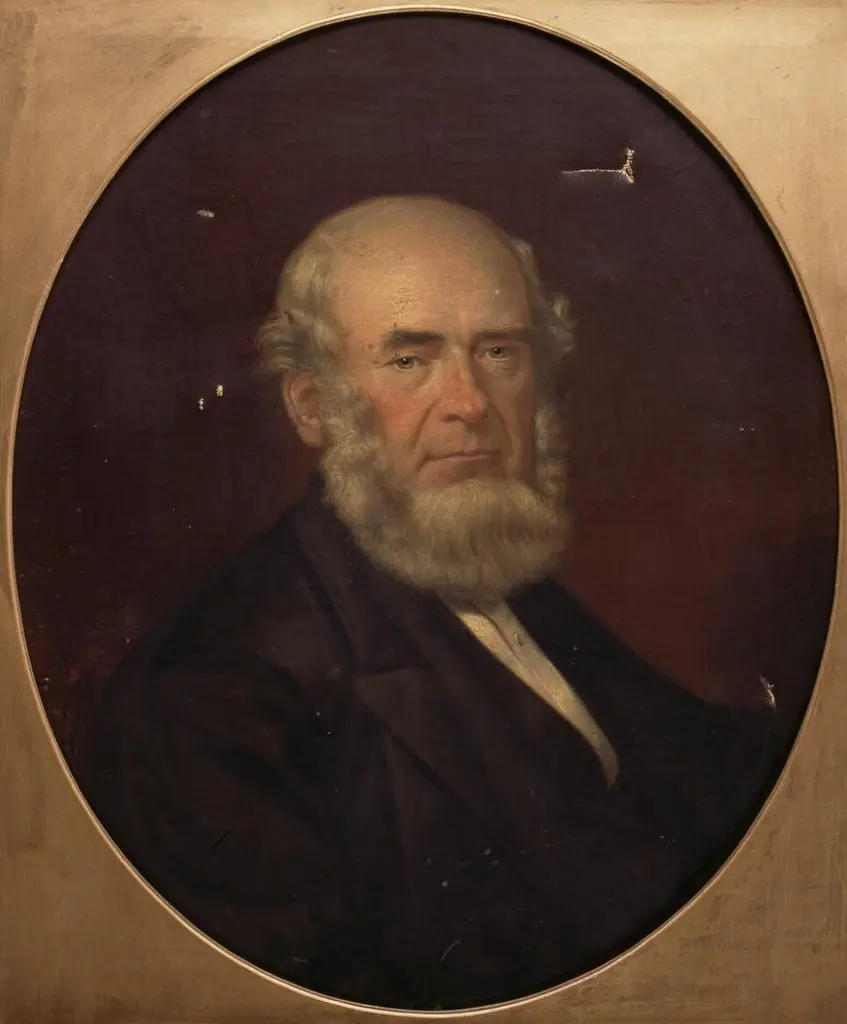
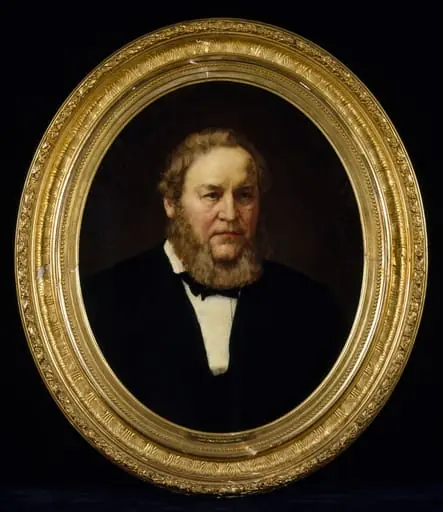
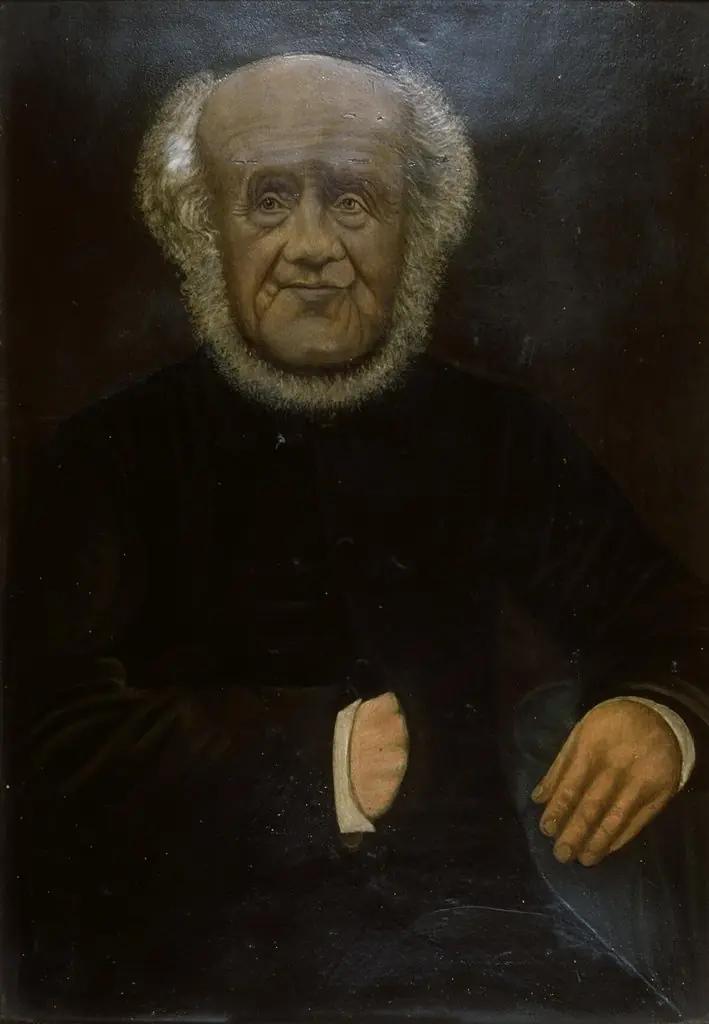
Dewi Haran (David Evans) (1812–1885) is an oil painting by the Realist artist Unknown. It dates from 1870 and is held in the collection of the National Library of Wales. This oil painting depicts Dewi Haran, a Welsh figure known for his role in religious and cultural life during the 19th century.
About this work
Overview
This oil painting depicts Dewi Haran, a Welsh figure known for his role in religious and cultural life during the 19th century.
This oil painting depicts Dewi Haran, a Welsh figure known for his role in religious and cultural life during the 19th century. Rendered in a restrained, intimate style, the portrait emphasizes the sitter’s age and presence without embellishment. The dark, unadorned background isolates the figure, drawing attention to his facial features and the texture of his beard, which becomes a focal point of the composition.
Subject & Meaning
Dewi Haran, a respected community member and preacher, is portrayed with solemn dignity. His thick white beard and mustache, along with his direct gaze, convey a sense of authority and quiet introspection. The absence of symbolic objects or elaborate attire suggests an emphasis on character rather than status, reflecting values of humility and spiritual gravity common in his milieu.
Technique & Style
The artist employs subtle chiaroscuro to model the face, using soft transitions between light and shadow to create volume. The beard is rendered with meticulous brushwork, each curl individually suggested rather than defined, lending a tactile realism. The dark coat merges into the background, reinforcing the focus on the head and upper torso through tonal contrast and restrained palette.
History & Provenance
Painted during the mid-19th century, the portrait likely originated in Wales, where Haran was active. It remained within family or local ecclesiastical circles before entering public collection. Documentation is limited, but its preservation suggests it held personal or communal significance, possibly commissioned to honor his contributions to religious life in his region.
Context
In early 19th-century Wales, portraiture among non-elite figures was uncommon, especially outside urban centers. Haran’s depiction reflects a growing interest in recording the likenesses of respected local figures, particularly within Nonconformist communities. The painting aligns with a broader trend of valuing individual character over aristocratic grandeur in regional art practices.
Legacy
Though not widely known beyond regional circles, the portrait stands as a quiet testament to the dignity afforded to ordinary yet influential individuals in Welsh cultural history. Its restrained technique and emotional stillness resonate with later 19th-century realist traditions, offering a modest but enduring example of vernacular portraiture in Britain.
Artist & collection

 Domestic Scene
 Giacomo and Cardinal Marco, investing Andrea, Abbot of San Zeno, with his Benefice
 The Nymph of Fontainebleau
 Portrait of a Woman
 Madonna and Child with Saints in the Enclosed Garden
 Venus and Minerva
 Family Group of Four on Sofa
 Wall painting from Room H of the Villa of P. Fannius Synistor at Boscoreale