Artwork
Die Köchin
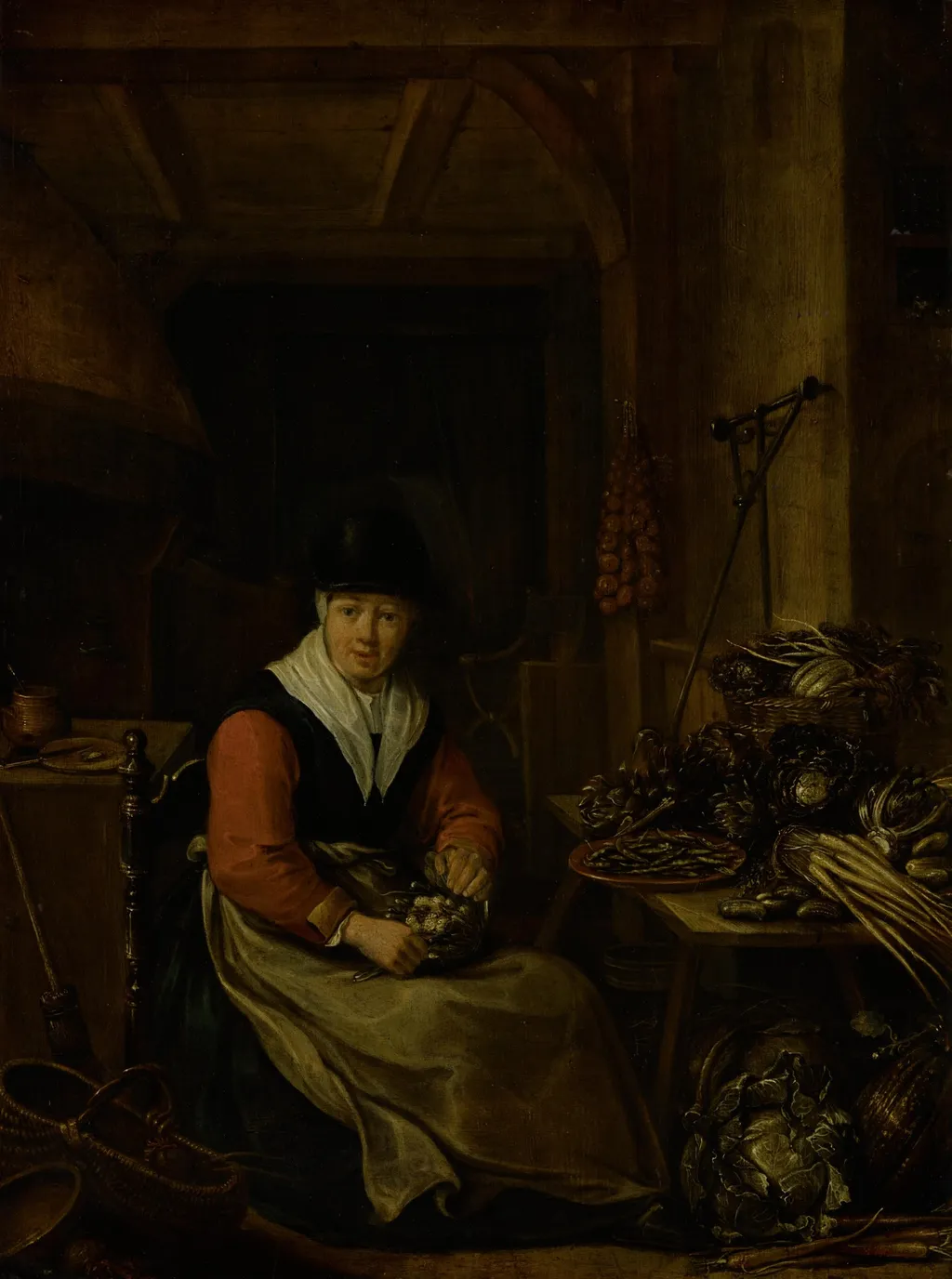
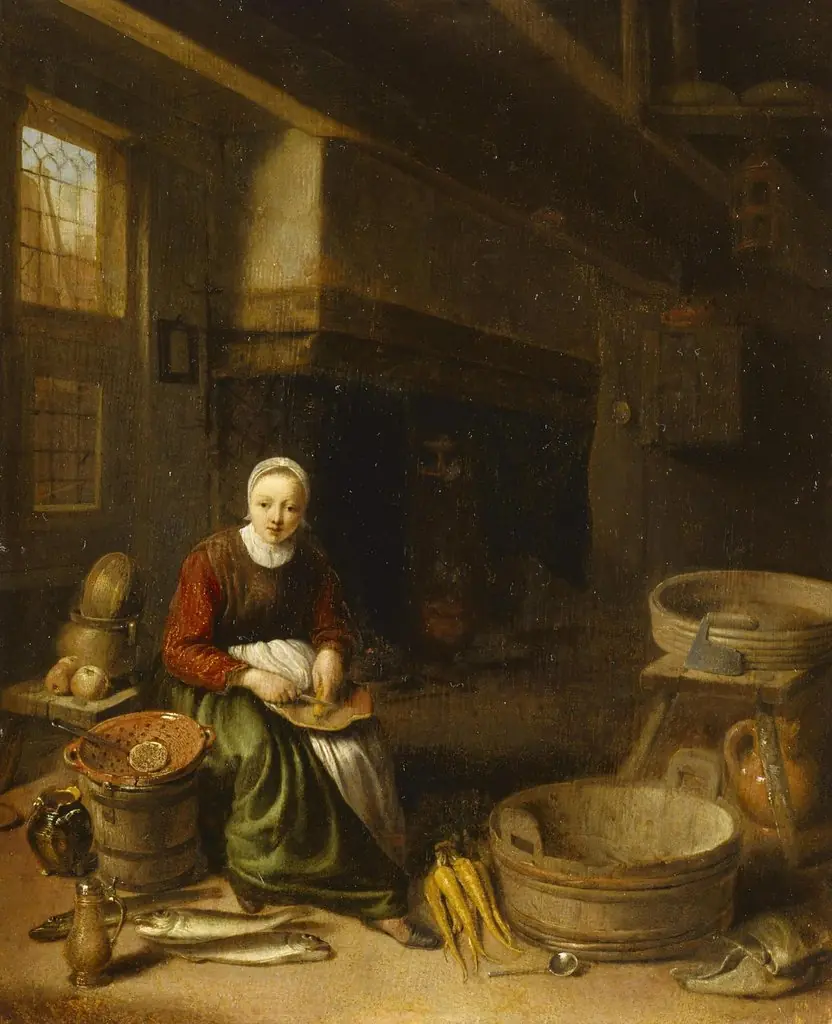
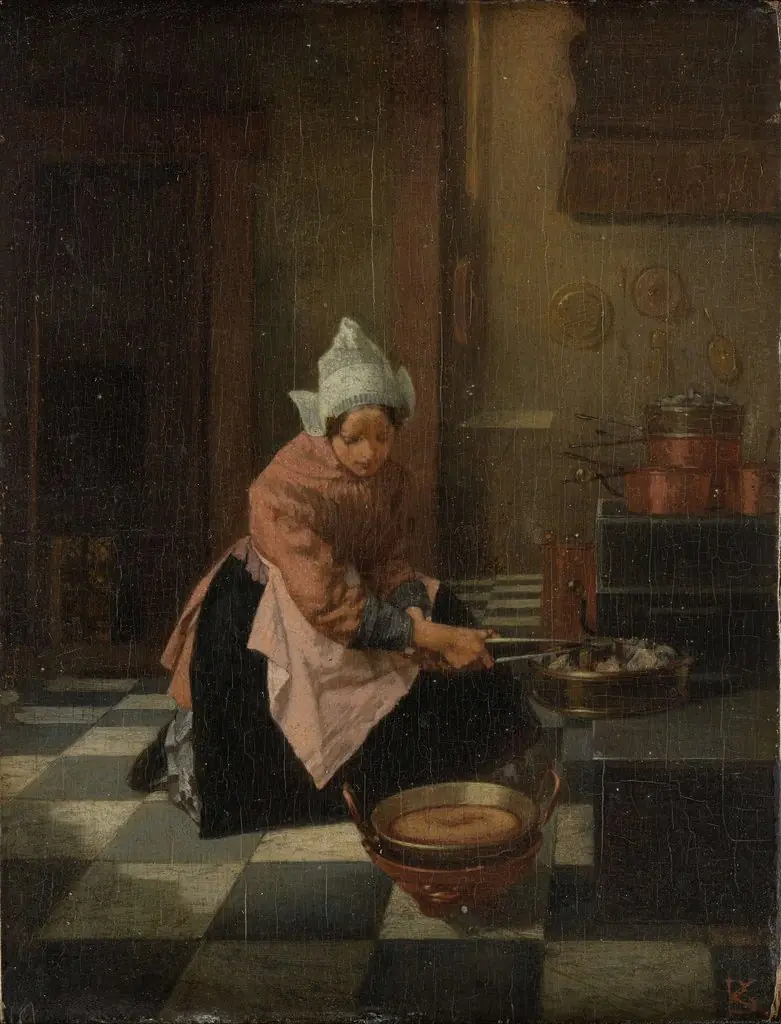
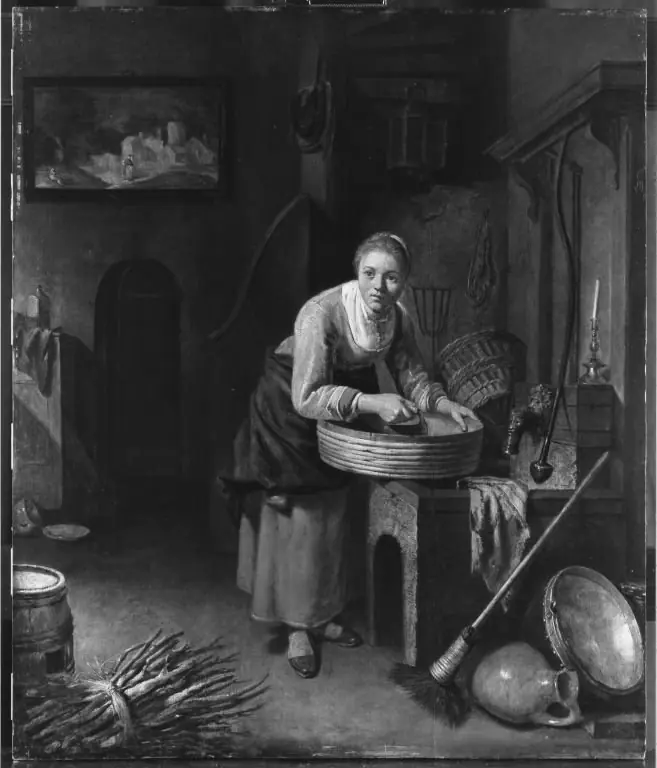
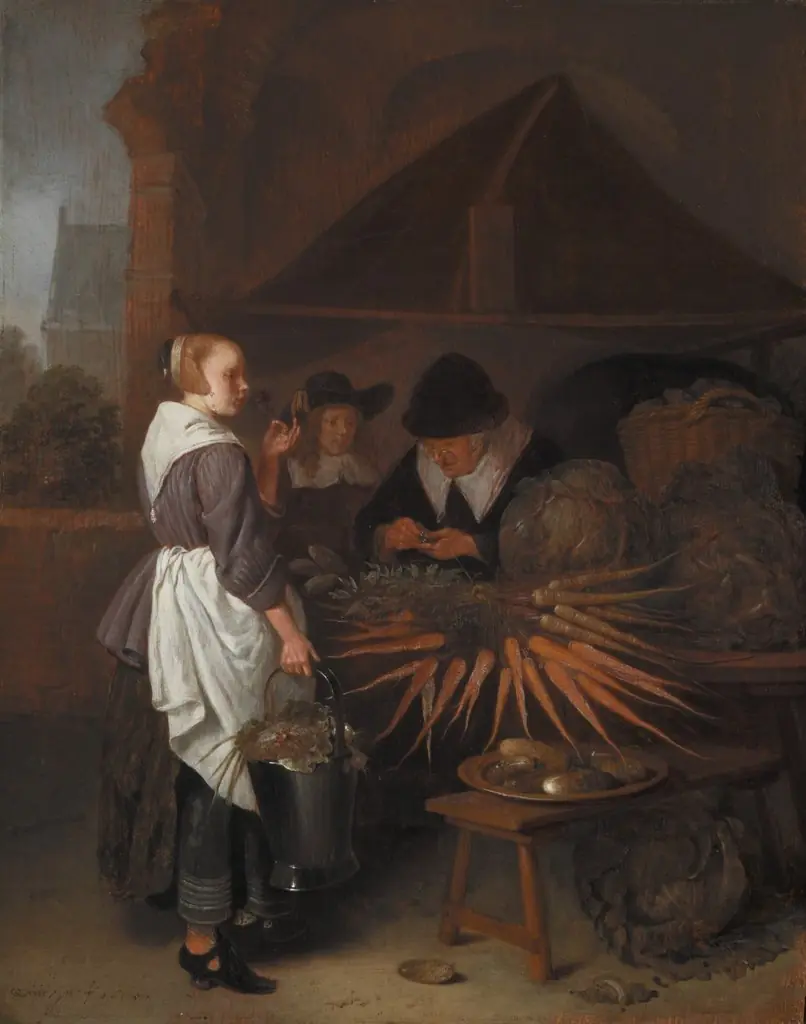
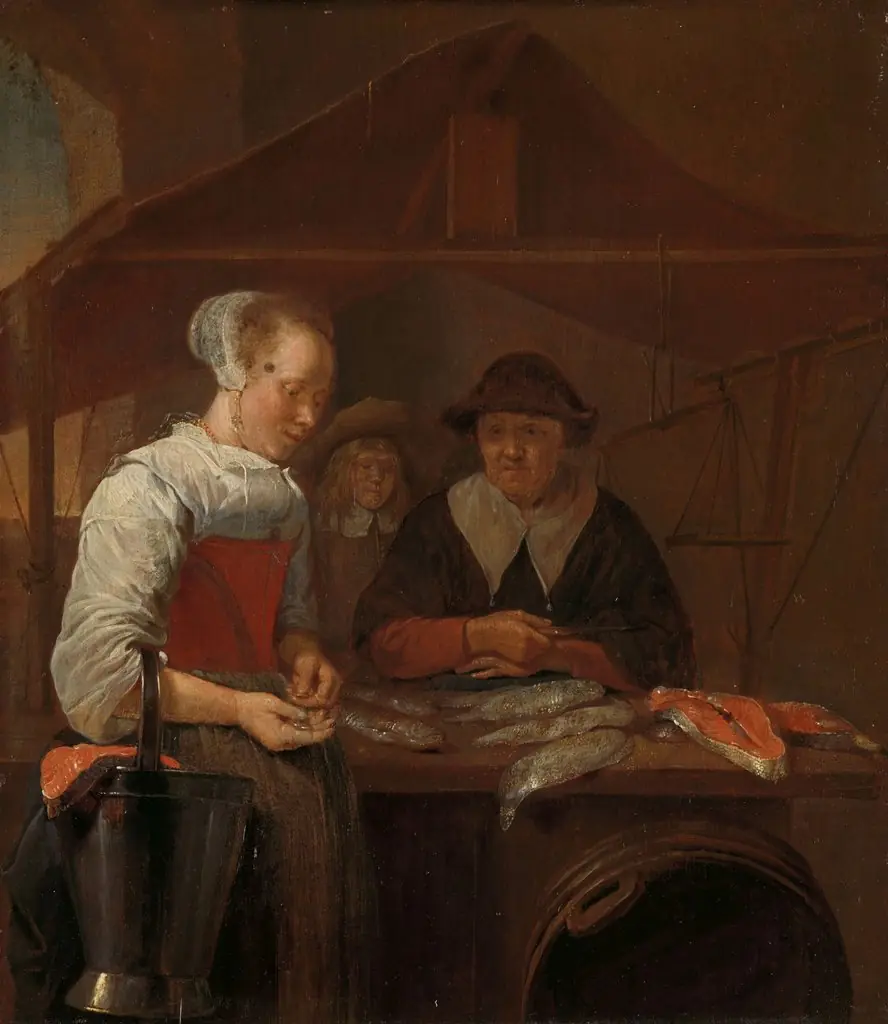
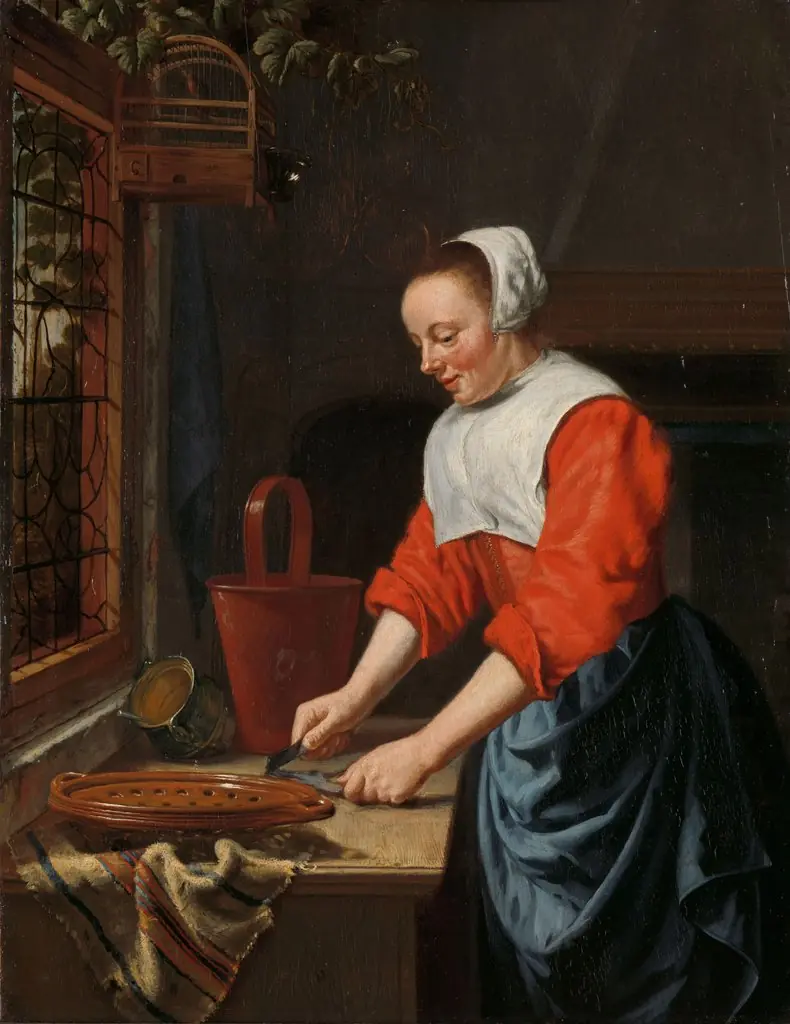
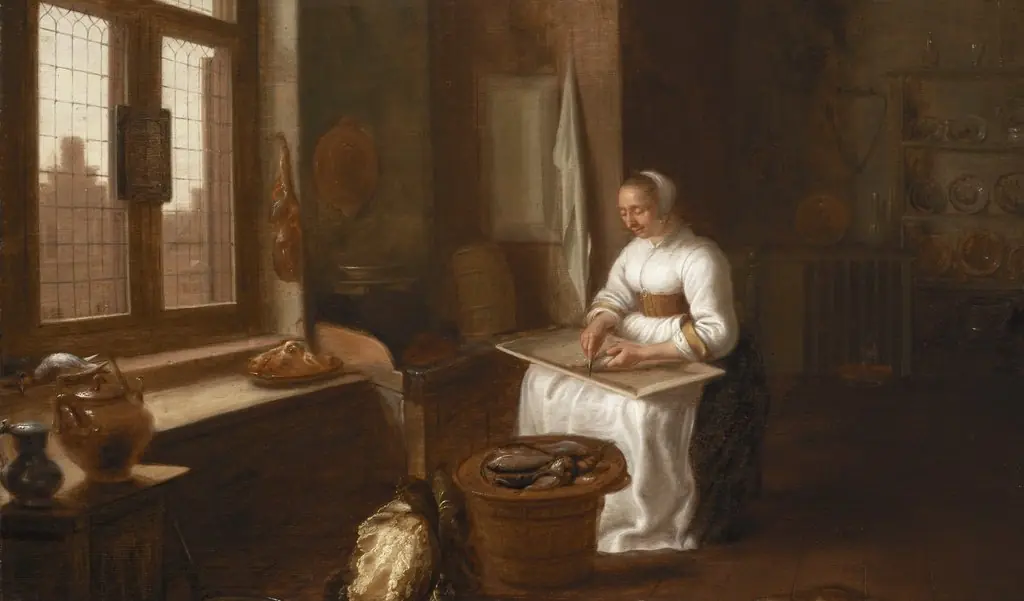
Die Köchin is a paint painting by the Flemish Baroque painting artist Unknown. It dates from 1650 and is held in the collection of the Gemäldegalerie Berlin. This painting portrays a woman engaged in domestic labor within a dimly lit interior.
About this work
Overview
Her posture and attire suggest routine activity, while the sparse lighting isolates her figure against a shadowy environment.
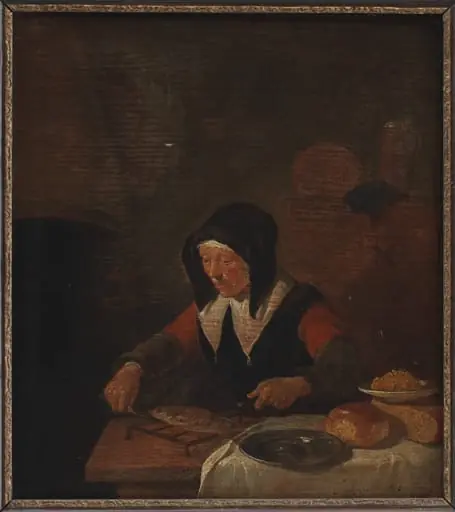
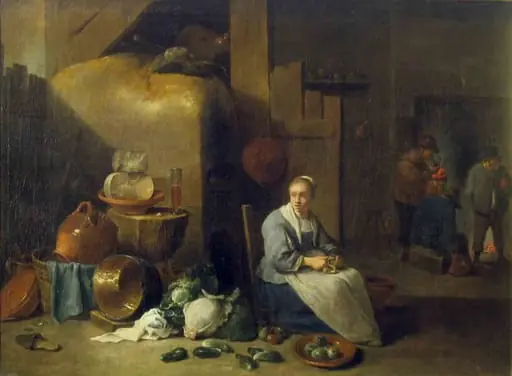
This painting portrays a woman engaged in domestic labor within a dimly lit interior. Her posture and attire suggest routine activity, while the sparse lighting isolates her figure against a shadowy environment. The composition emphasizes stillness and solitude, with no clear narrative context beyond the immediate scene. The artist focuses on atmosphere rather than action, inviting quiet contemplation.
Subject & Meaning
The figure is a kitchen worker, identified by her apron and headscarf, engaged in an unspoken moment of pause. Her face, partially hidden in shadow, resists identification, transforming her into a symbol of unseen labor. The absence of explicit narrative or emotional cues invites interpretation of her inner state—perhaps weariness, resolve, or quiet dignity—without imposing a single reading.
Technique & Style
The artist employs chiaroscuro to model form and direct attention, using stark contrasts between light and dark to sculpt the woman’s figure and the surrounding objects. Light enters sparingly through unseen windows, illuminating only fragments of fabric and surface. This controlled illumination enhances volume and texture while deepening the sense of enclosure and mystery within the space.
History & Provenance
The painting’s origin and early ownership remain undocumented in public records. It was likely created in the late 19th or early 20th century, during a period when domestic scenes gained renewed interest among realist and impressionist painters. Its current location and acquisition history are not publicly detailed, limiting contextual understanding of its initial reception.
Context
This work aligns with broader artistic trends that turned attention to everyday life, particularly the quiet rituals of domestic workers. Unlike idealized portrayals of household labor, this depiction avoids sentimentality, focusing instead on the physical presence and solitude of the figure. It reflects a shift toward psychological realism in genre painting during its time.
Legacy
Though not widely exhibited or reproduced, the painting contributes to a quieter lineage of works that honor ordinary individuals through restrained composition and light. Its emphasis on anonymity and atmosphere resonates with later 20th-century approaches to portraiture that prioritize mood over identity, influencing how labor and interiority are visually represented.
Artist & collection

 Domestic Scene
 Giacomo and Cardinal Marco, investing Andrea, Abbot of San Zeno, with his Benefice
 The Nymph of Fontainebleau
 Portrait of a Woman
 Madonna and Child with Saints in the Enclosed Garden
 Venus and Minerva
 Family Group of Four on Sofa
 Wall painting from Room H of the Villa of P. Fannius Synistor at Boscoreale