Artwork
Hunting on Horses
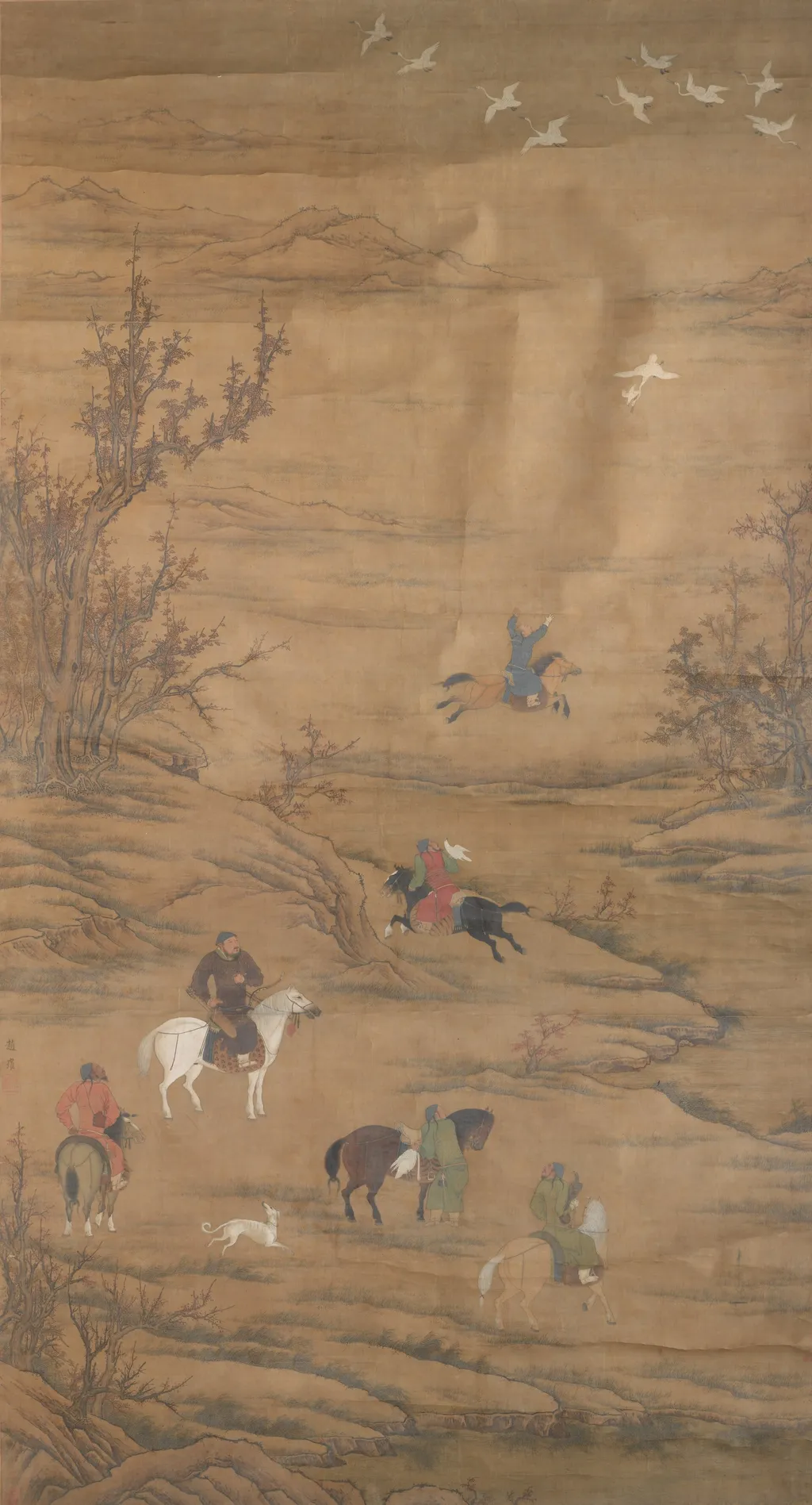
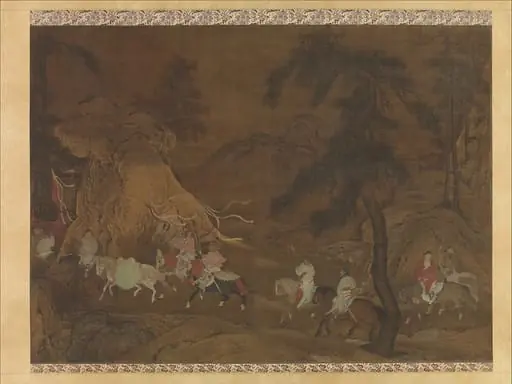
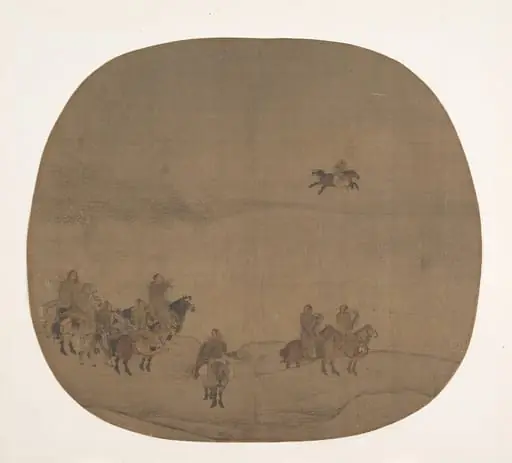
Hunting on Horses is an unspecified painting. It dates from 1750 and is held in the collection of the Cleveland Museum of Art. The canvas depicts a hunting party mounted on horses moving through an open landscape.
About this work
Overview
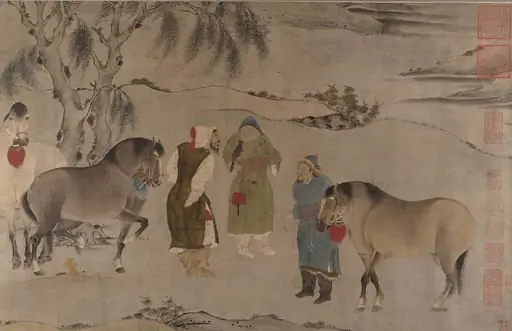
Figures in traditional dress are arranged across the composition, some astride their steeds while others stand beside them.
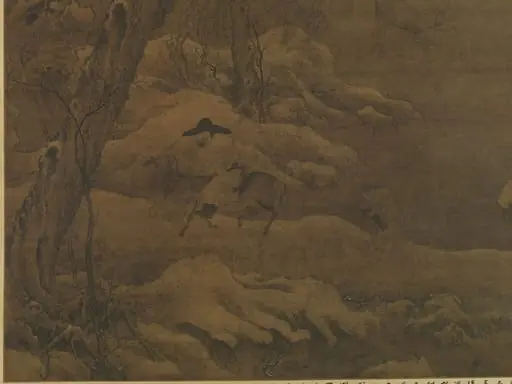
The canvas depicts a hunting party mounted on horses moving through an open landscape. Figures in traditional dress are arranged across the composition, some astride their steeds while others stand beside them. The background features a sparse arrangement of trees, rock outcrops and birds in flight, rendered in a restrained palette of browns, grays and beiges that give the scene a subdued atmosphere.
Subject & Meaning
The work illustrates a communal hunt, a motif that underscores the social and martial aspects of rural life. By showing riders of varied ages and attire, the artist highlights the collective nature of the activity, while the inclusion of wildlife and distant terrain suggests a harmonious relationship between humans, animals and the natural environment.
Technique & Style
The painter employs chiaroscuro to model the figures and horses, creating a sense of volume through contrasts of light and shadow. Brushwork is relatively smooth, allowing the muted tones to blend seamlessly, while the limited color range emphasizes form over decorative detail. The overall style reflects a realist approach common to 19th‑century genre scenes.
History & Provenance
The painting is part of the collection at the Cleveland Museum of Art. It entered the museum through acquisition in the early 20th century, though the exact date and donor are not recorded in the available documentation. Its presence in the museum’s European holdings situates it among other works depicting rural pursuits.
Context
Created during a period when hunting scenes were popular among European artists, the composition aligns with a broader interest in documenting traditional customs before industrial change. The artist’s choice of muted earth tones mirrors contemporary aesthetic preferences for naturalism and restraint, distinguishing the piece from more flamboyant romantic depictions of the same subject.
Artist & collection