Artwork
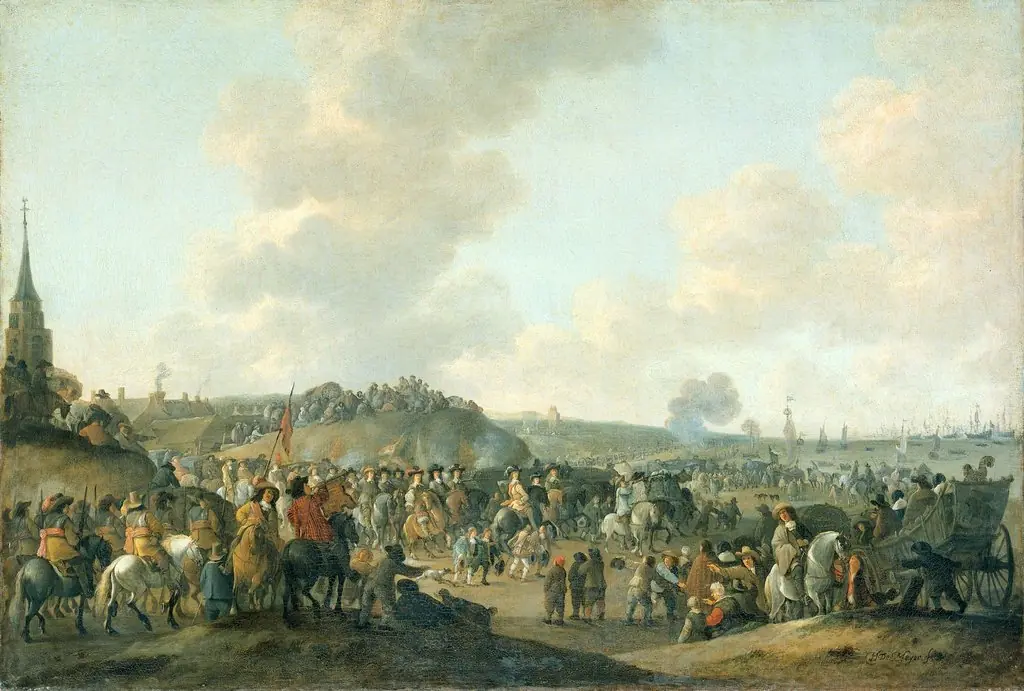
Entry of Joseph II into Frankfurt for his coronation in 1764
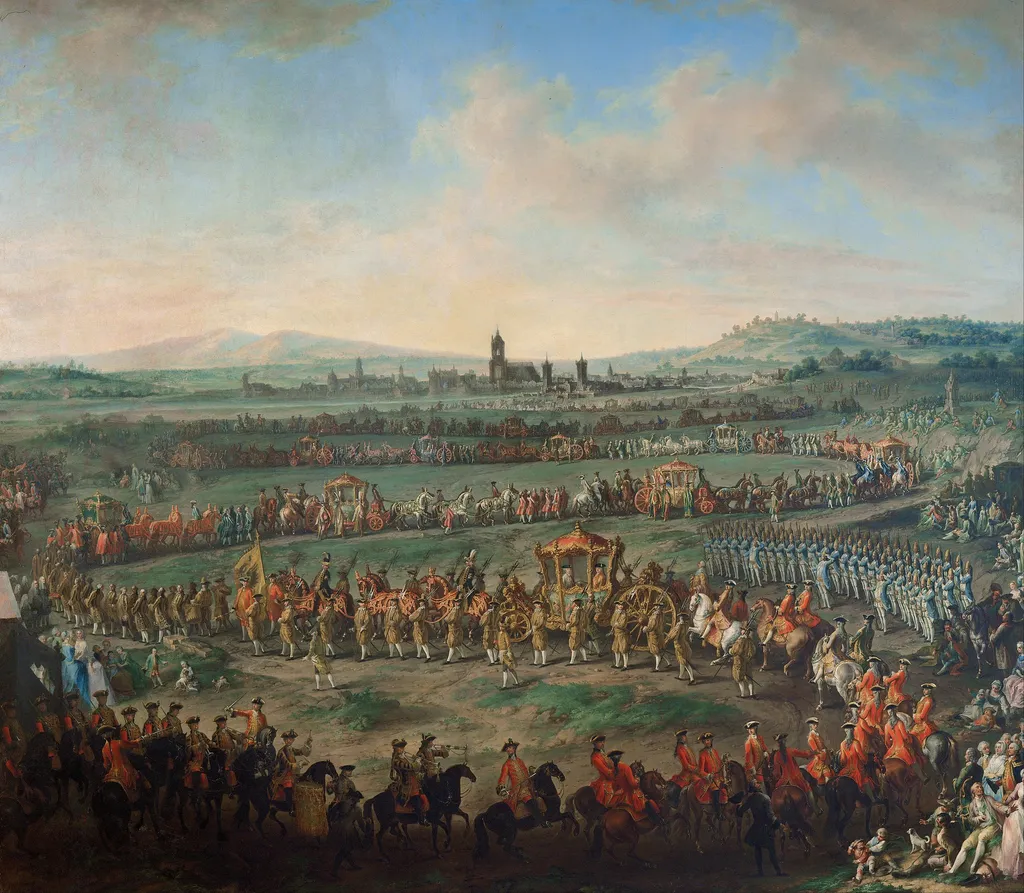
Entry of Joseph II into Frankfurt for his coronation in 1764 is an oil painting by the Rococo painting artist Unknown. It dates from 1764 and is held in the collection of the Kunsthistorisches Museum. This oil painting captures the ceremonial arrival of Joseph II in Frankfurt in 1764, ahead of his coronation as Holy Roman Emperor.
About this work
Overview
The scene is densely populated with soldiers, officials, and civilians, all arranged in a procession that moves through the urban landscape.
This oil painting captures the ceremonial arrival of Joseph II in Frankfurt in 1764, ahead of his coronation as Holy Roman Emperor. The scene is densely populated with soldiers, officials, and civilians, all arranged in a procession that moves through the urban landscape. The composition emphasizes scale and order, with a golden palanquin at its center, signaling the presence of a high-ranking figure. The artist renders the moment with meticulous attention to movement and spatial depth.
Subject & Meaning
The procession honors Joseph II’s formal entry into Frankfurt, a key step in his coronation as Holy Roman Emperor. The palanquin, carried by attendants, likely contains the emperor himself, surrounded by symbols of imperial authority. The disciplined ranks of red-coated soldiers and ornate carriages reflect the ceremonial grandeur expected of Habsburg rule. The event was not merely a transit but a public affirmation of legitimacy and power.
Technique & Style
The artist employs fine brushwork to distinguish individual uniforms, facial expressions, and architectural details, creating a sense of bustling realism. Chiaroscuro is used subtly to model forms and suggest atmospheric depth, particularly in the figures and carriages. The pale sky and distant church tower anchor the scene in a specific time and place, while the river adds horizontal rhythm, guiding the viewer’s eye through the procession.
History & Provenance
Commissioned to commemorate Joseph II’s coronation, the painting was likely created shortly after the event by a court artist or local painter familiar with imperial ceremonies. Its early provenance is tied to Frankfurt’s civic or Habsburg collections, though its exact ownership history before modern times remains partially undocumented. It has since been preserved as a record of 18th-century imperial ritual.
Context
Frankfurt was the traditional site for imperial coronations in the Holy Roman Empire, making Joseph II’s entry a politically significant occasion. The procession followed centuries-old protocols, blending religious, military, and civic elements. The presence of diverse uniforms and vehicles reflects the empire’s multi-ethnic composition and the elaborate etiquette governing such events, which were designed to impress both subjects and foreign dignitaries.
Legacy
The painting serves as a visual archive of Habsburg ceremonial practice and urban life in mid-18th-century Germany. Its detailed depiction of processionals influenced later historical painters documenting state rituals. Though not widely exhibited today, it remains a valuable resource for scholars studying imperial symbolism, public spectacle, and the intersection of art and politics in early modern Europe.
Artist & collection

 Domestic Scene
 Giacomo and Cardinal Marco, investing Andrea, Abbot of San Zeno, with his Benefice
 The Nymph of Fontainebleau
 Portrait of a Woman
 Madonna and Child with Saints in the Enclosed Garden
 Venus and Minerva
 Family Group of Four on Sofa
 Wall painting from Room H of the Villa of P. Fannius Synistor at Boscoreale
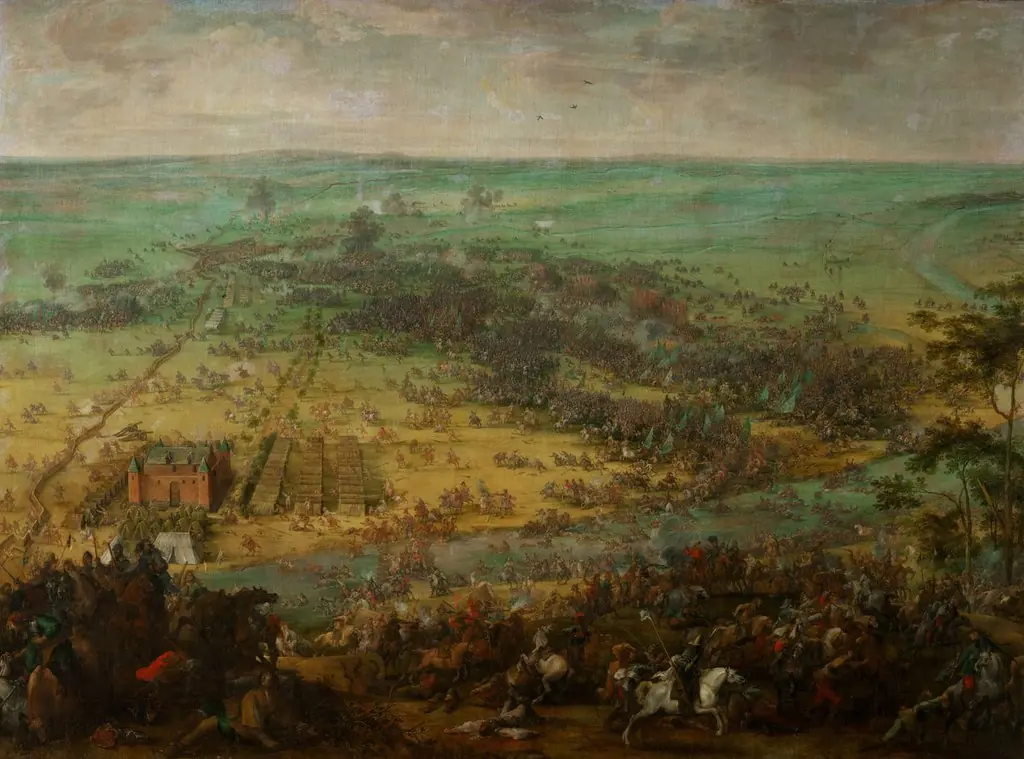 The defeat at Grancourt, 1639
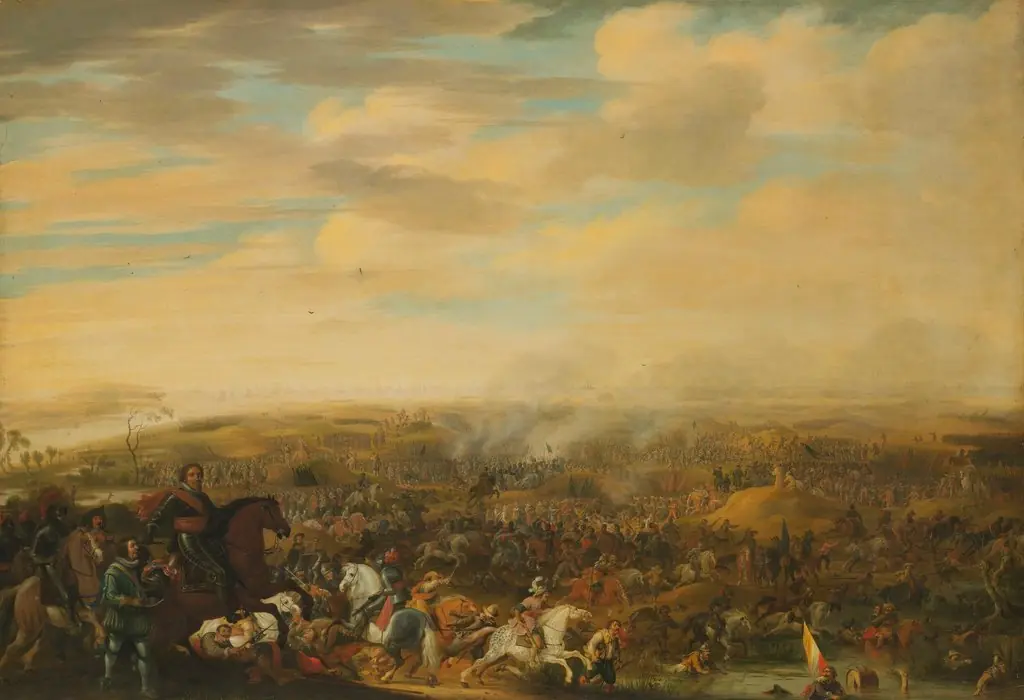 Prince Maurits at the Battle of Nieuwpoort, 2 July 1600
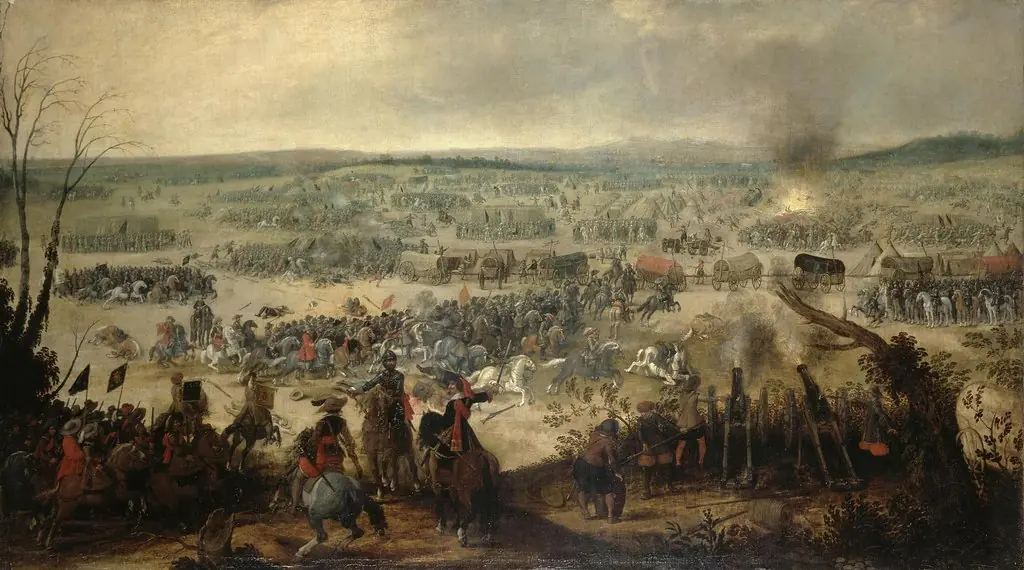 Battle of Vimpfen on 6 May 1622
 The Battle of Lauffeldt
 The Munich Affair
 Frederik Hendrik at the surrender of Maastricht, 22 August 1632
 The Digging Out of the Ghent-Bruges Canal
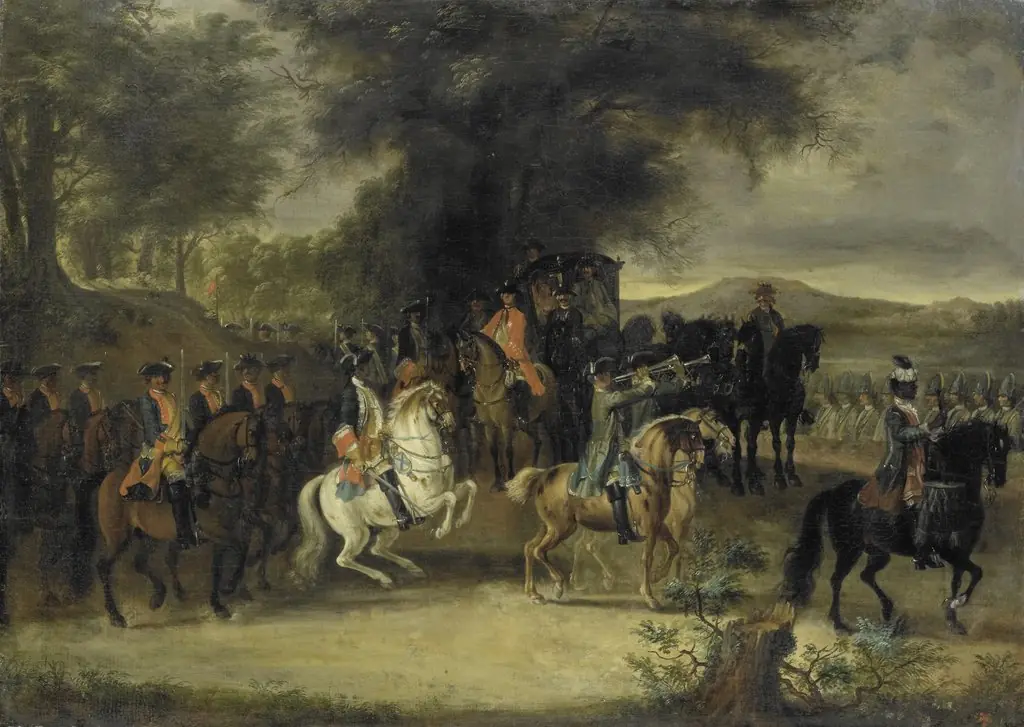 Inspection of a Cavalry Regiment, perhaps by William of Hesse-Homburg
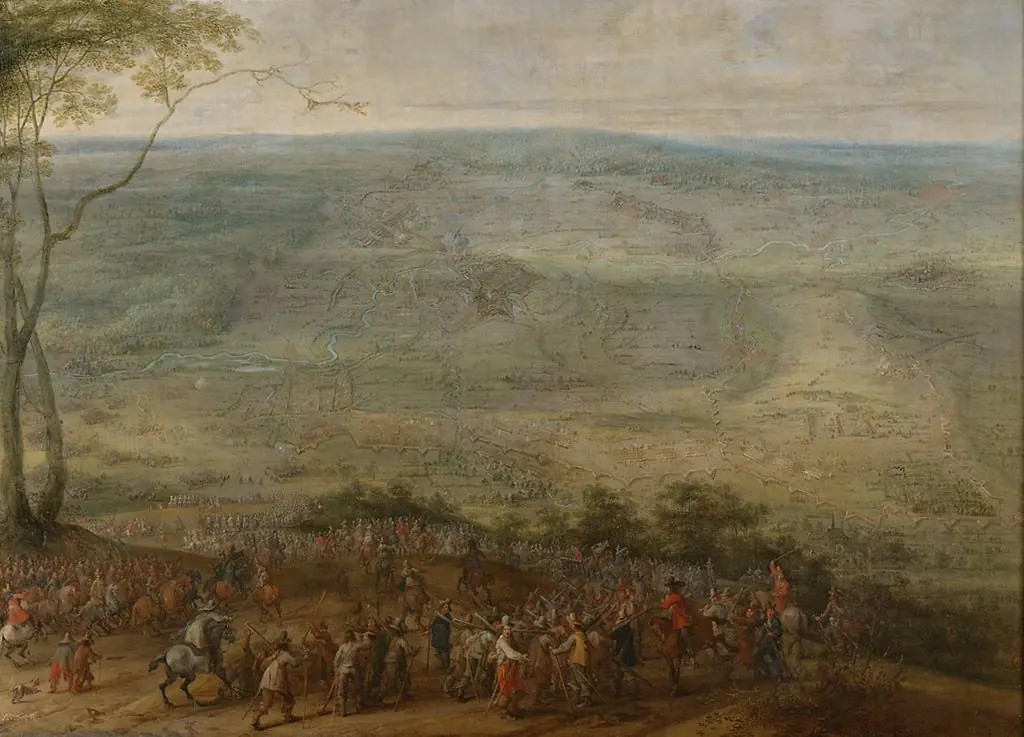 Scene from the Thirty Years' War
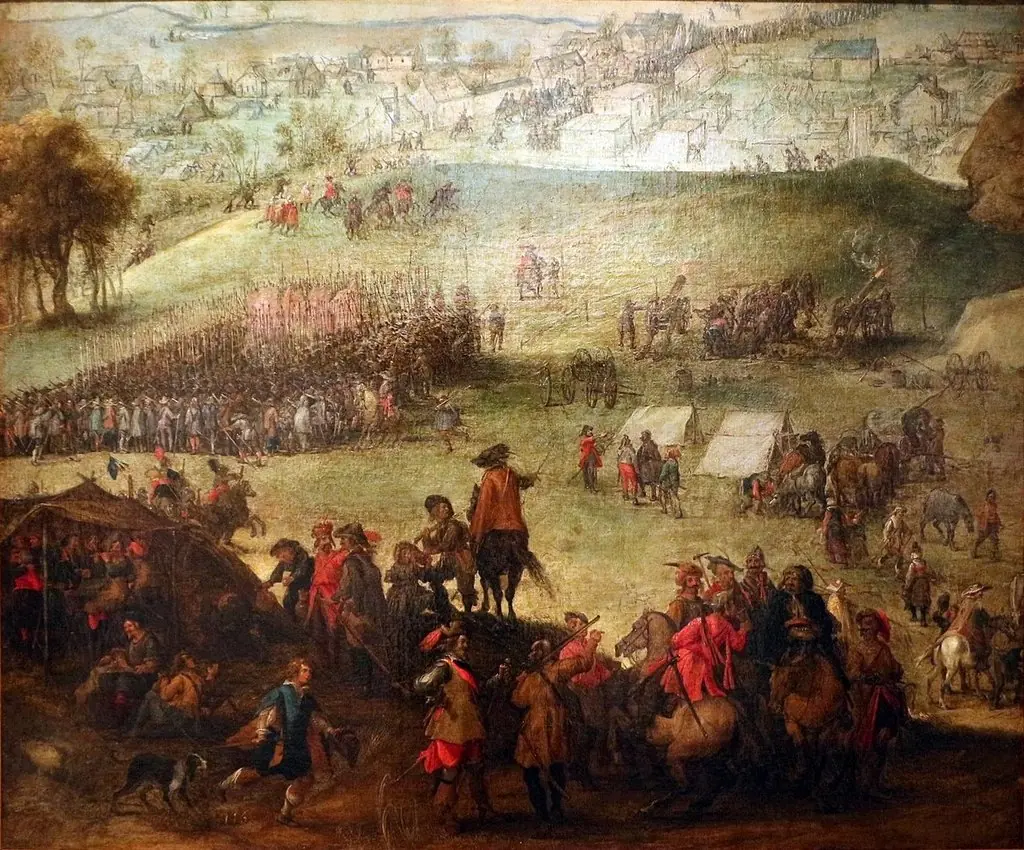 Rendição de uma cidade
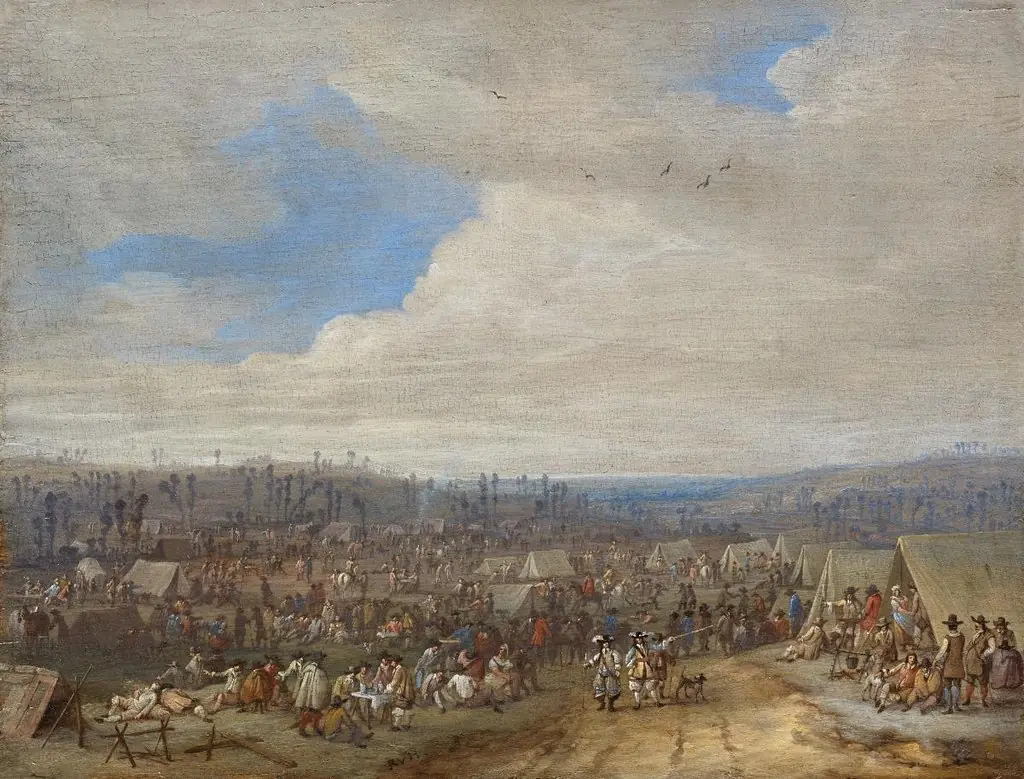 Soldaten im Lager
 Departure of Charles II of England at Scheveningen, June 2, 1660