Artwork
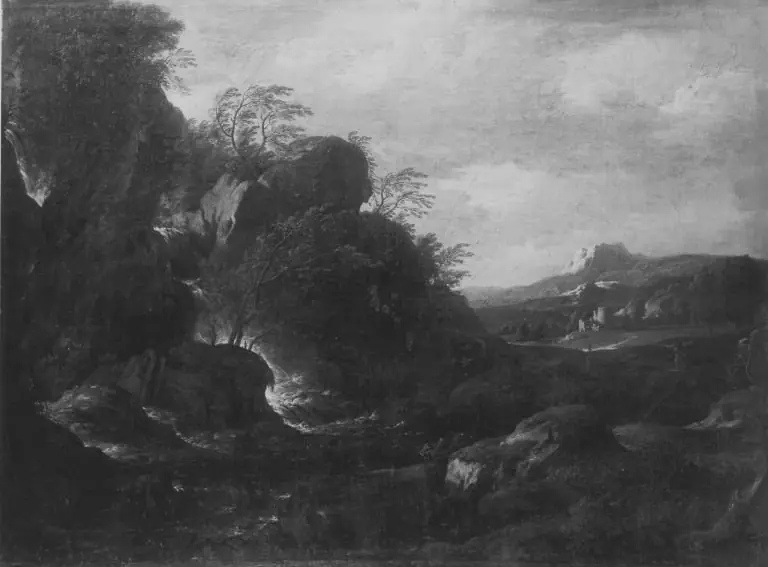
Felsenlandschaft (Art des)
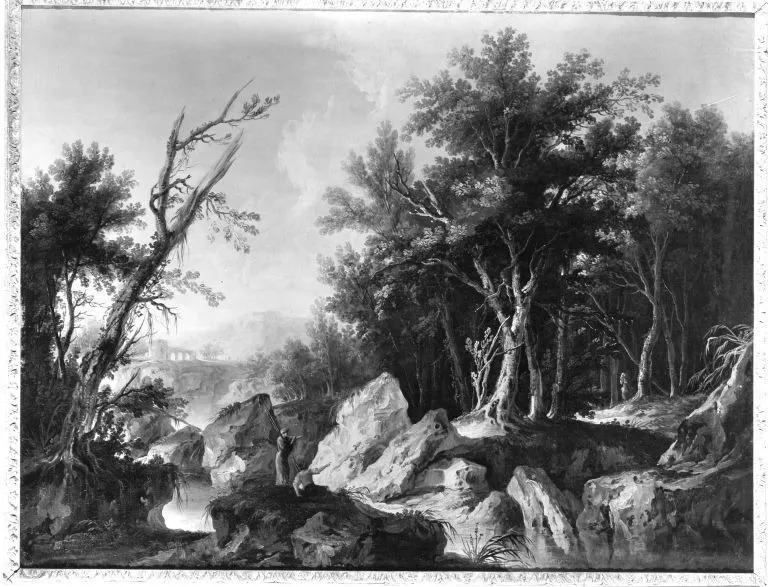
Felsenlandschaft (Art des) is an unspecified painting by the Rococo painting artist Hubert Robert. It dates from 1770 and is held in the collection of the Bavarian State Painting Collections.
About this work
Overview
Felsenlandschaft (Art des), painted in 1770 by Hubert Robert, is a landscape work that blends observed natural forms with imaginative architectural elements.
Felsenlandschaft (Art des), painted in 1770 by Hubert Robert, is a landscape work that blends observed natural forms with imaginative architectural elements. Though Robert is often linked to Romanticism, this piece reflects the lingering influence of Rococo sensibilities, particularly in its delicate treatment of atmosphere and composition. It resides in the Alte Pinakothek in Munich, part of a broader body of work centered on evocative, semi-fictive scenery.
Subject & Meaning
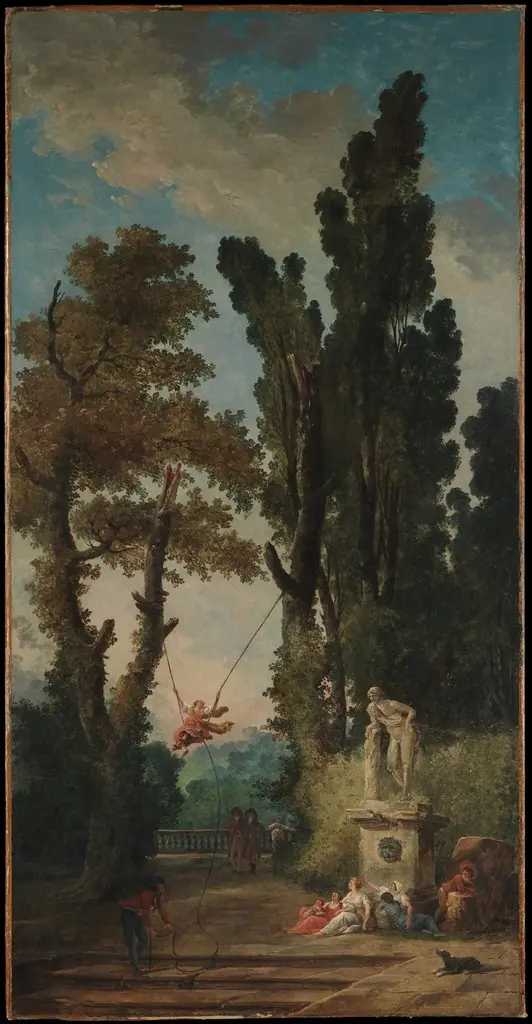
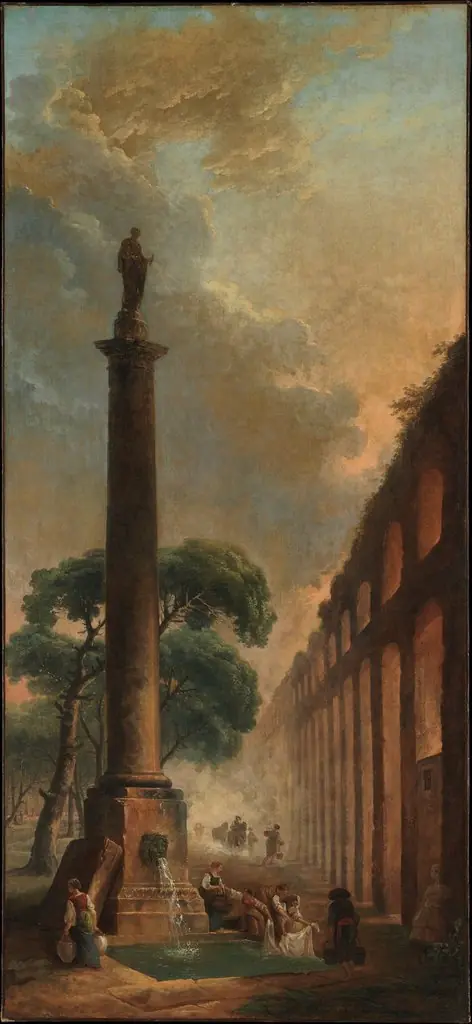
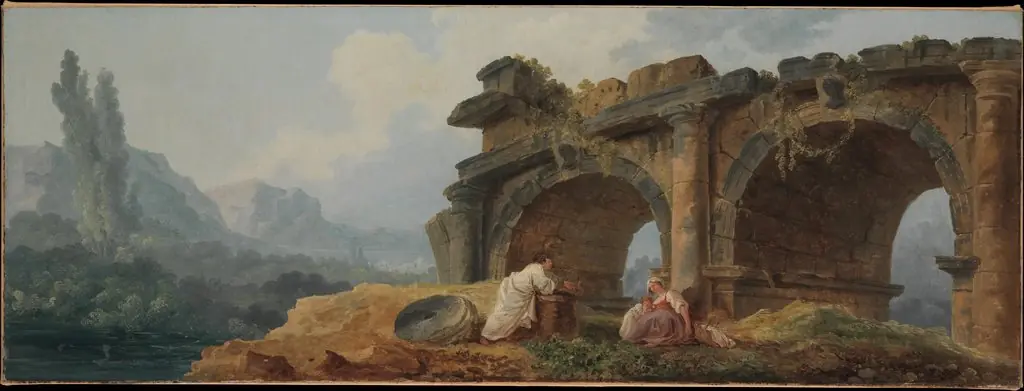
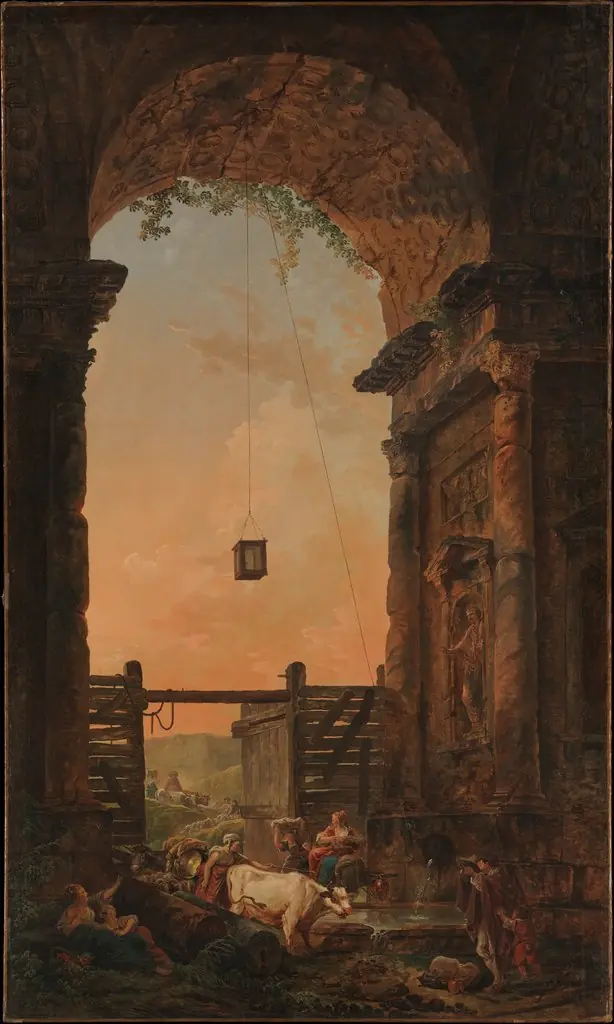
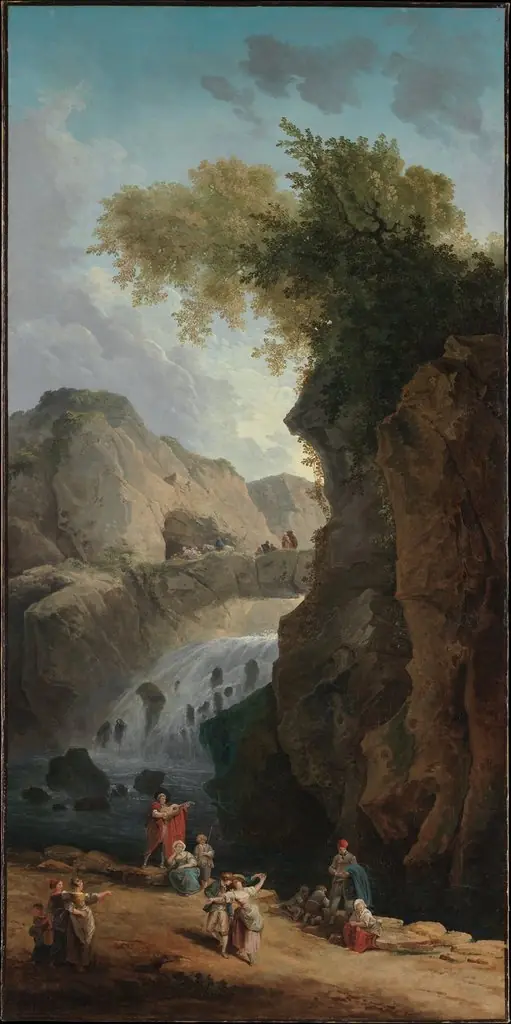
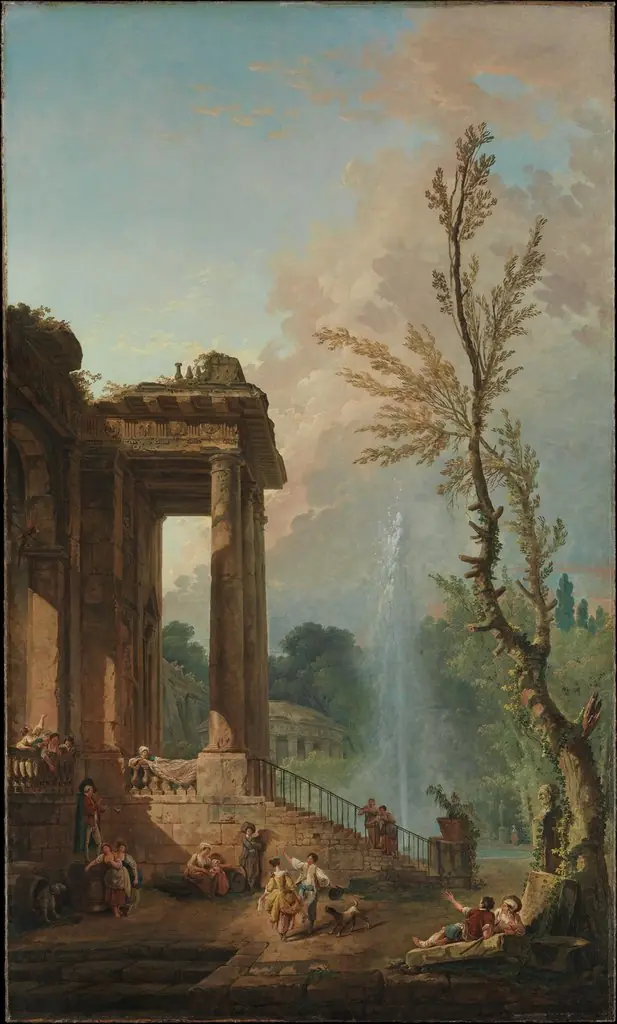
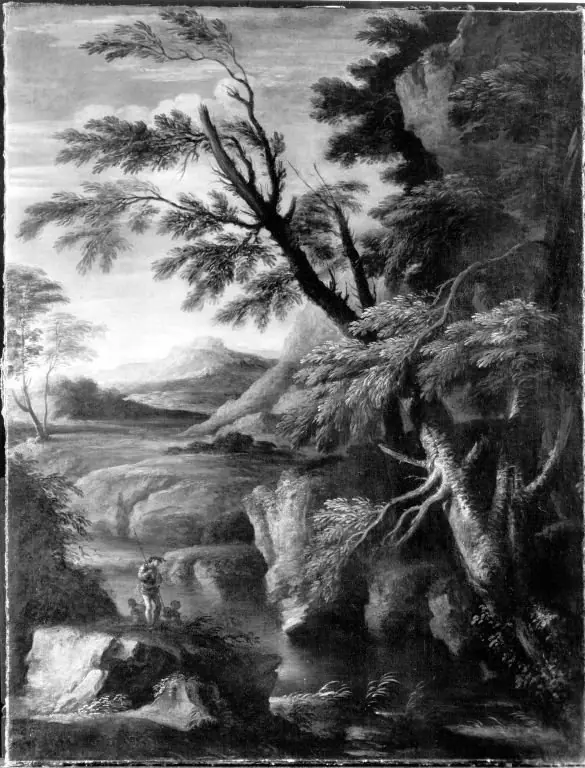
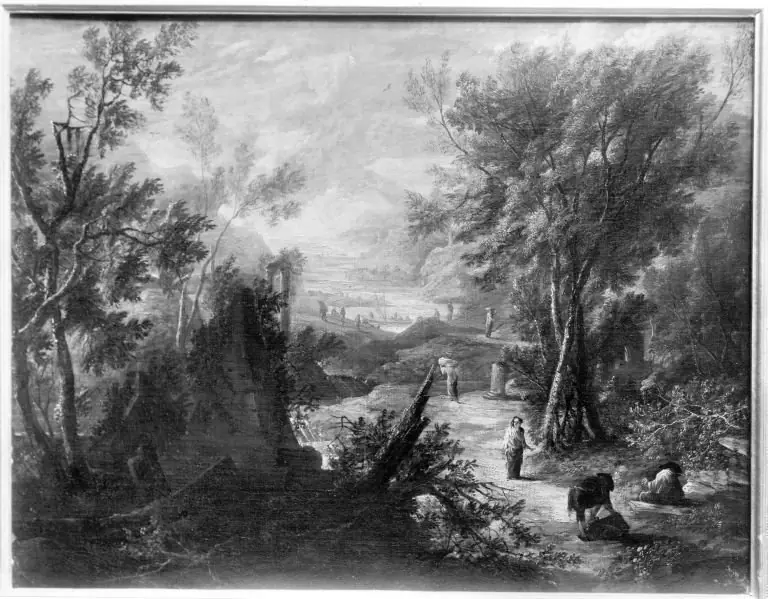
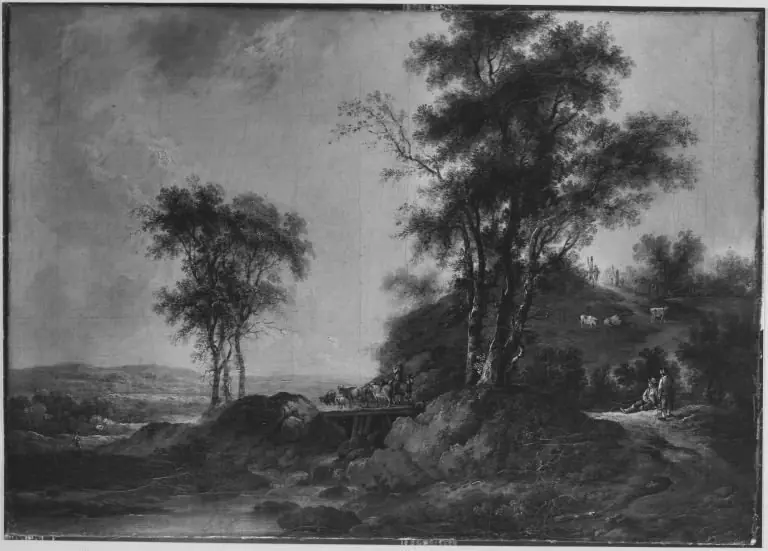
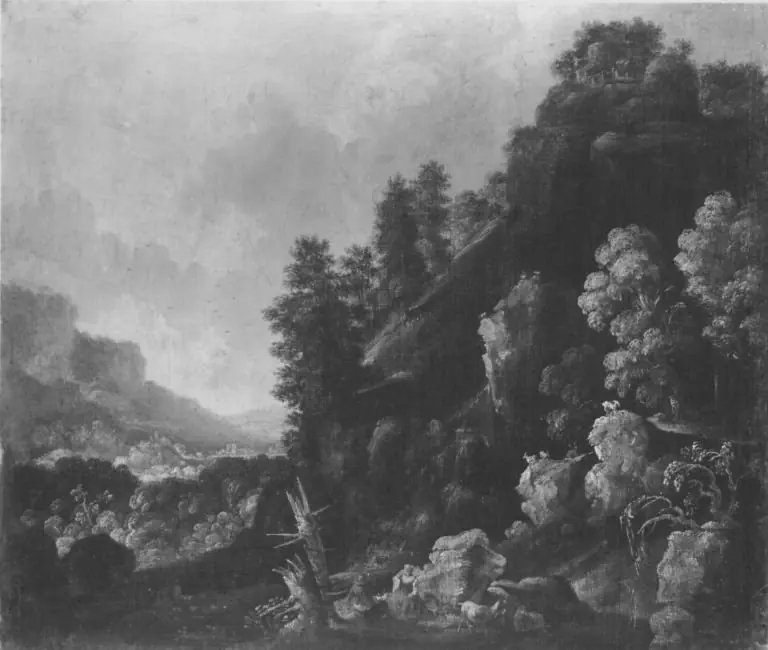
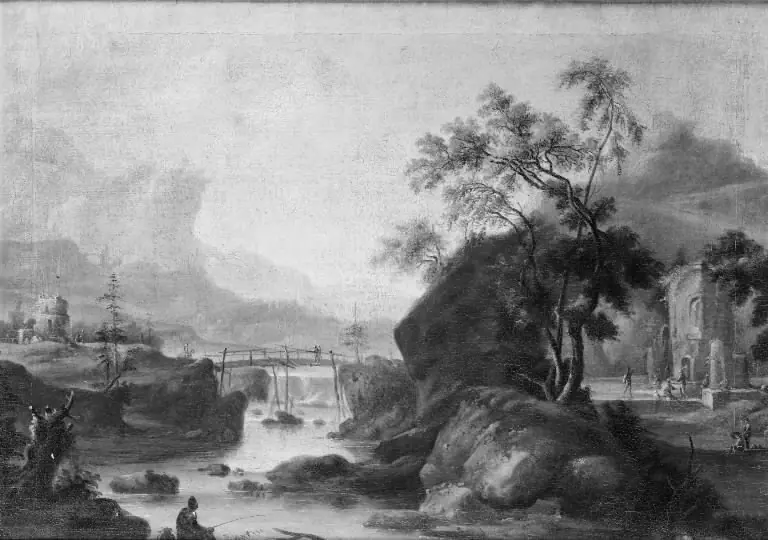
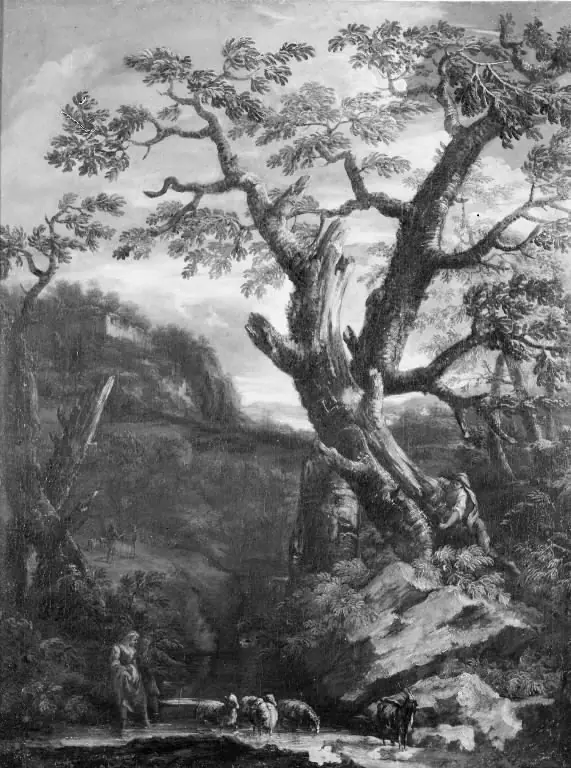
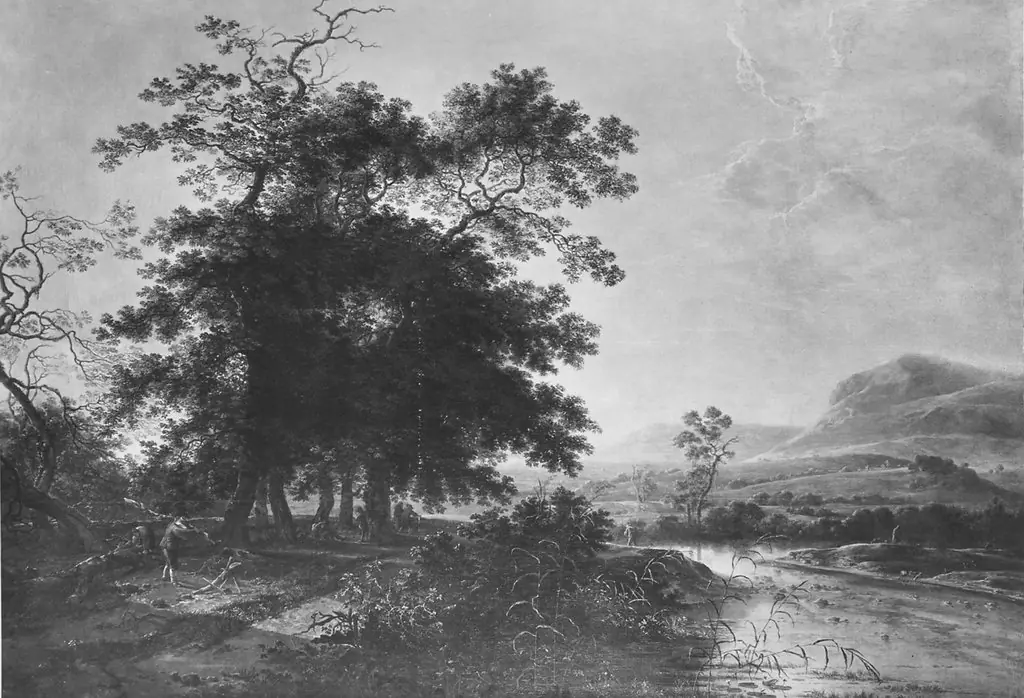
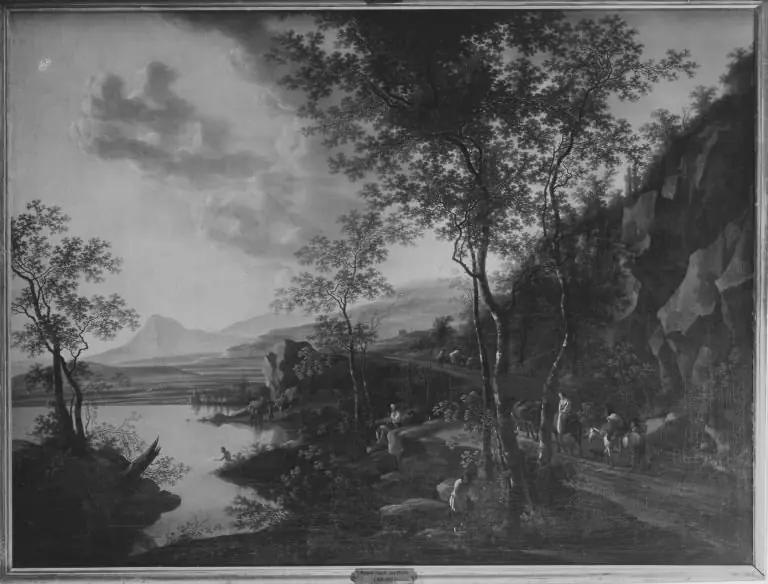
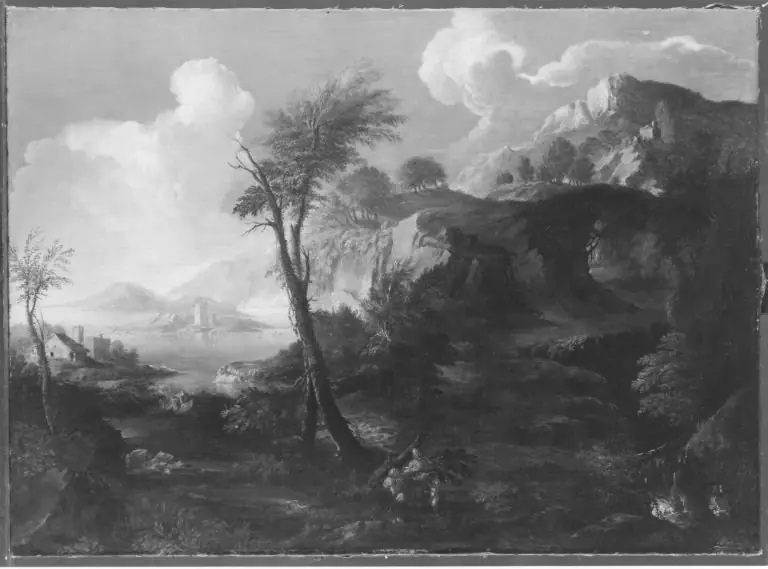
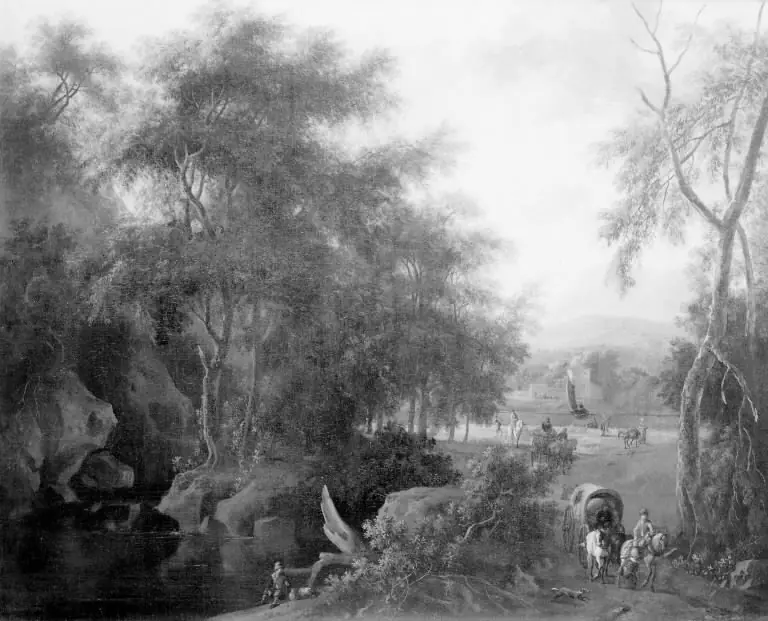
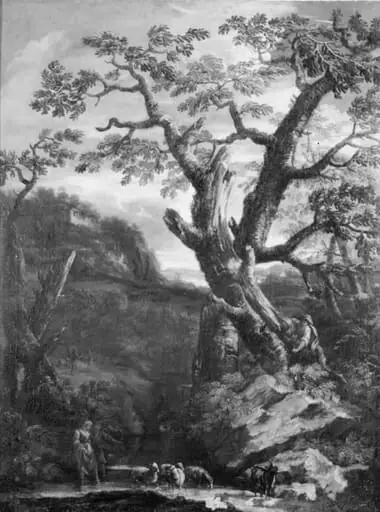
The painting presents a tranquil rocky terrain with scattered boulders and mature trees, framed by a distant, indistinct structure. Rather than documenting a specific site, Robert constructs an idealized setting where nature and ruin coexist harmoniously. The ambiguity of the building invites contemplation, suggesting the passage of time and the quiet reclamation of architecture by the wild—common themes in his capricci.
Technique & Style
Robert employs subtle gradations of light and shadow to model the rocky foreground and suggest spatial depth. The brushwork is precise yet fluid, capturing the texture of stone and foliage without overt detail. Atmospheric perspective softens the background, enhancing the sense of distance. His style balances naturalism with a poetic restraint, avoiding theatricality in favor of quiet, meditative composition.
History & Provenance
Created during Robert’s early career, the painting predates his well-known Roman ruins by a few years but already reveals his fascination with architectural remnants in nature. It entered the Alte Pinakothek’s collection in the 19th century, likely through royal or aristocratic acquisition. Its preservation reflects its status as a representative example of French landscape painting from the late 18th century.
Context
In the 1770s, French artists were increasingly drawn to landscapes that evoked emotion through solitude and decay, moving beyond the ornamental ideals of earlier Rococo. Robert’s work responded to this shift, drawing inspiration from Italian ruins and the growing interest in the picturesque. His paintings offered viewers a contemplative alternative to grand historical or mythological subjects.
Legacy
Hubert Robert’s approach to landscape—blending real observation with imaginative reconstruction—influenced later generations of painters interested in ruins and atmospheric effects. While not widely celebrated in his time, his capricci laid groundwork for 19th-century Romantic landscape traditions. Felsenlandschaft exemplifies this transitional role, bridging decorative art and emerging emotional naturalism.
Artist & collection
Artist
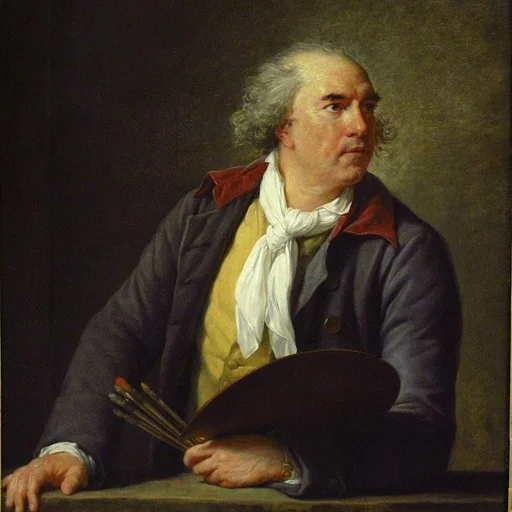
Hubert Robert (French pronunciation: ; 22 May 1733 – 15 April 1808) was a French painter in the school of Romanticism, noted especially for his landscape paintings and capricci, or semi-fictitious picturesque depictions of ruins in Italy…