Artwork
Mr John Jones, L'pool. printer, preacher
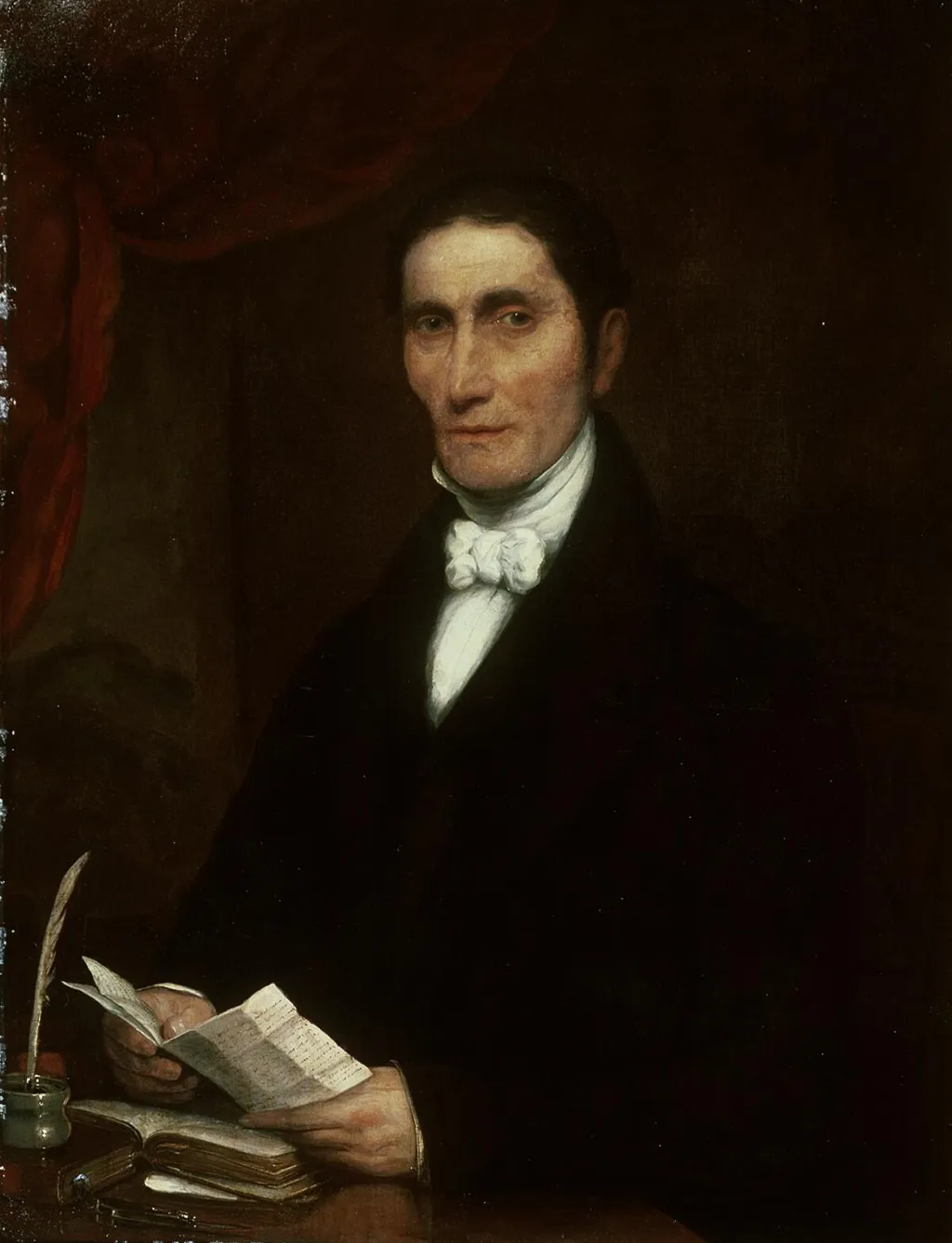
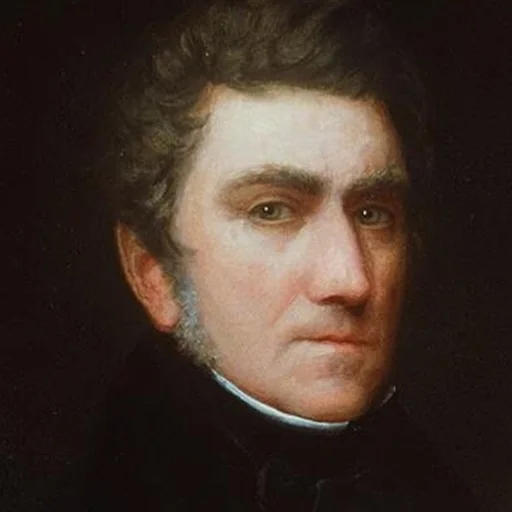
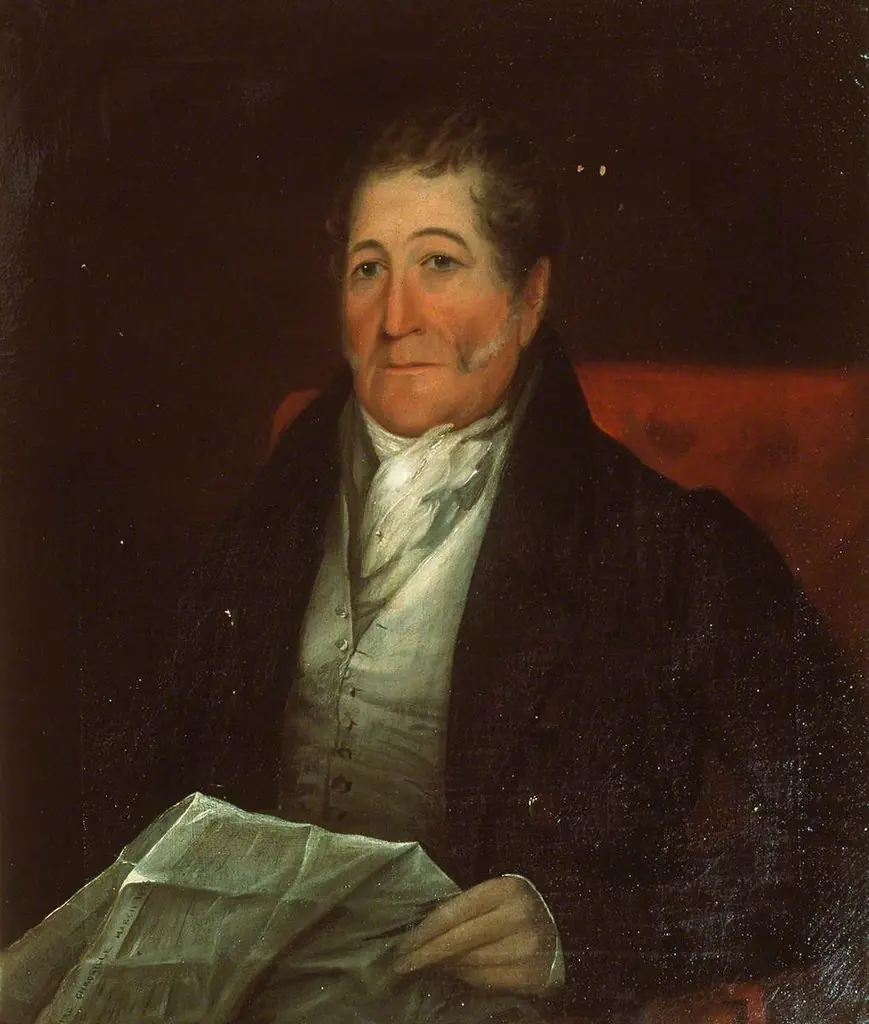
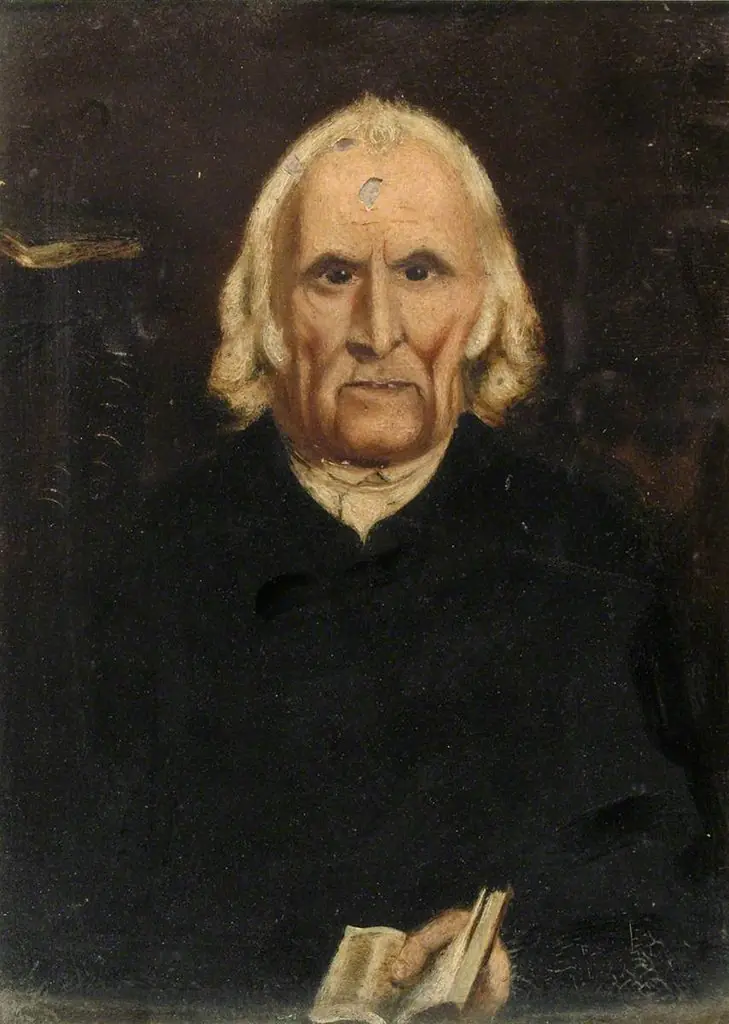
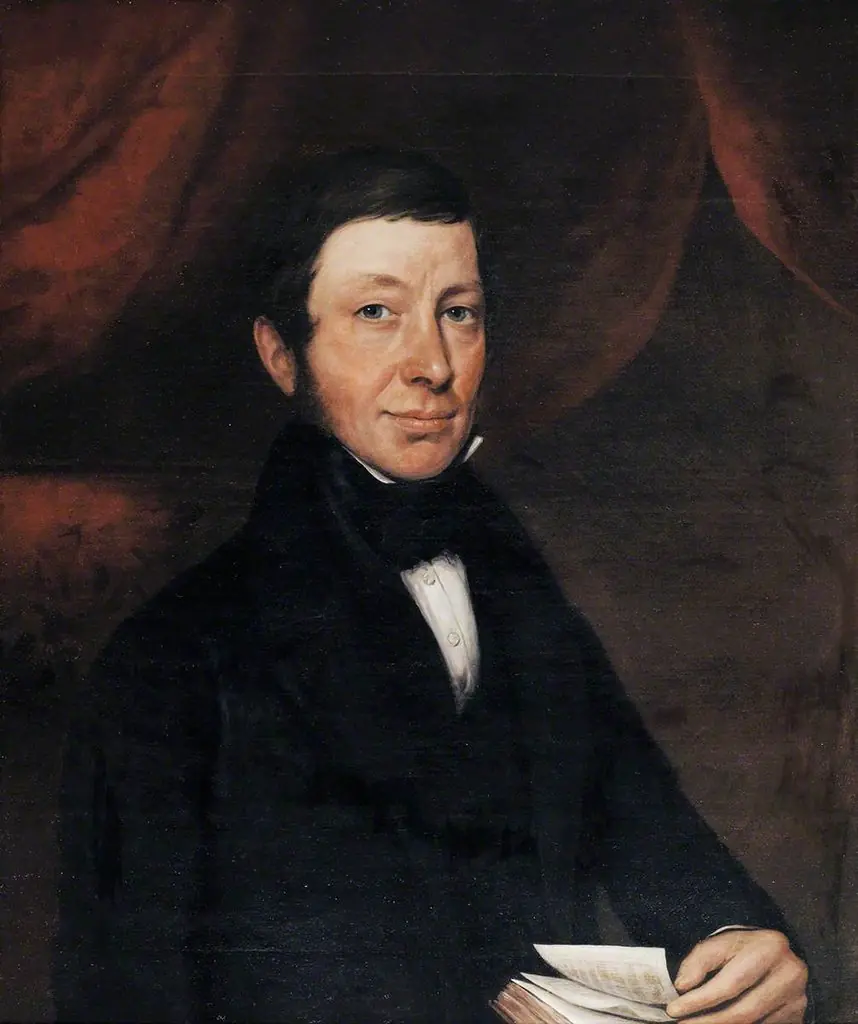
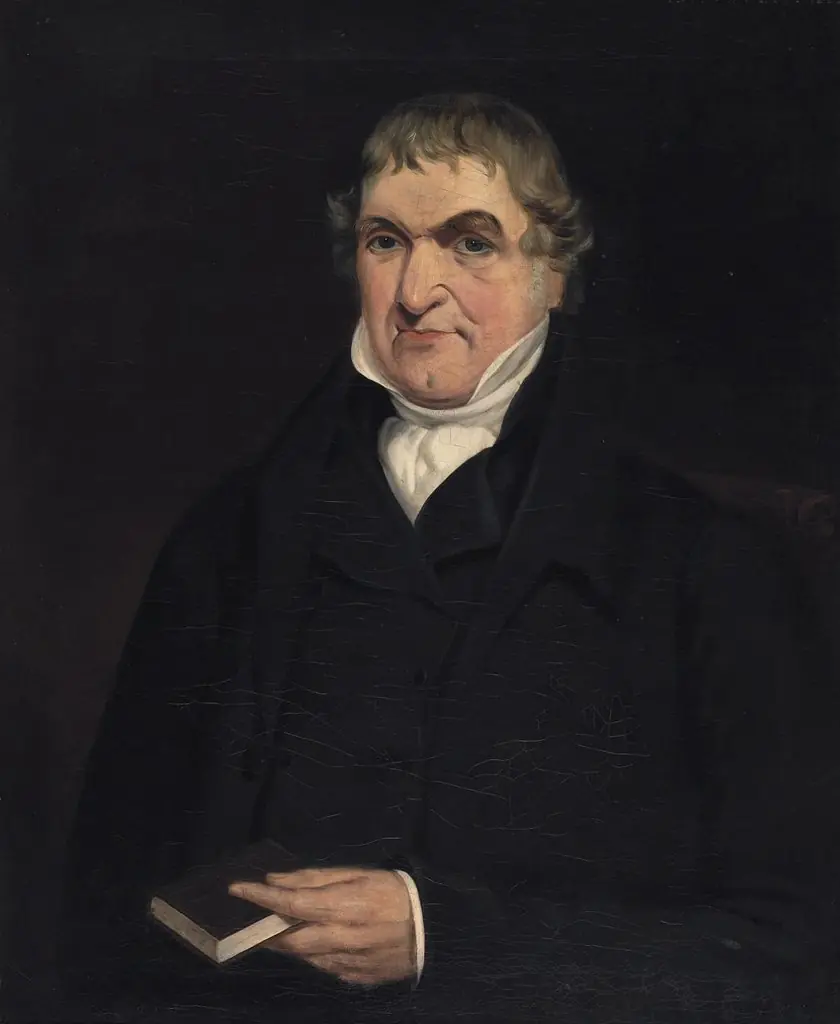
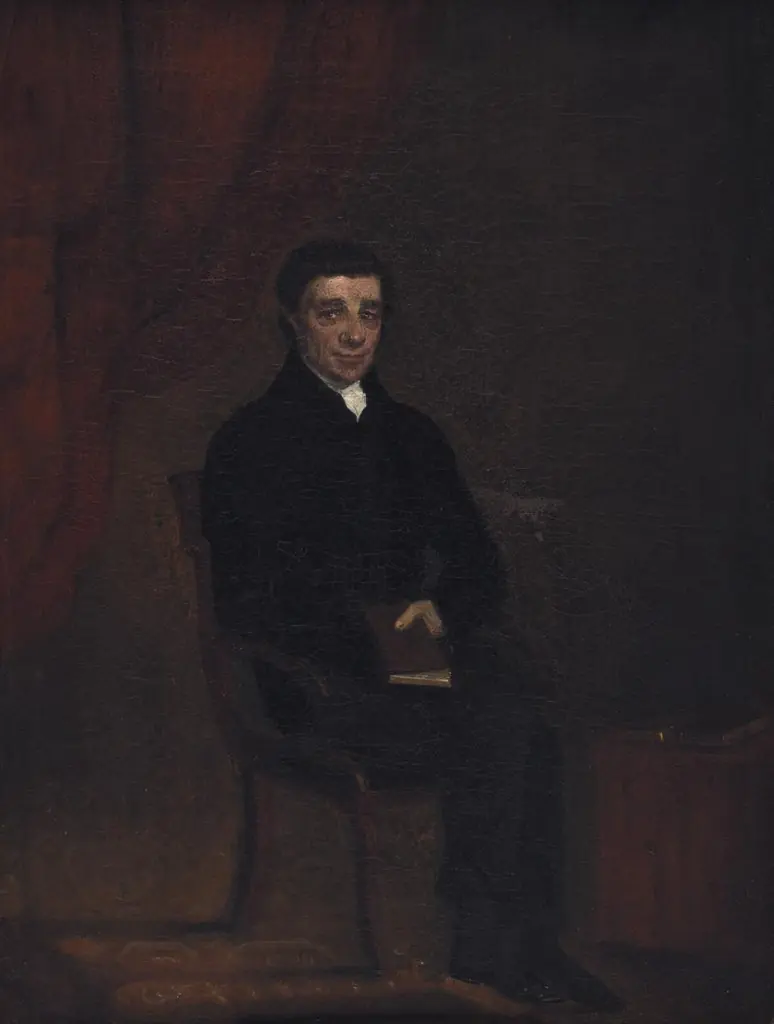
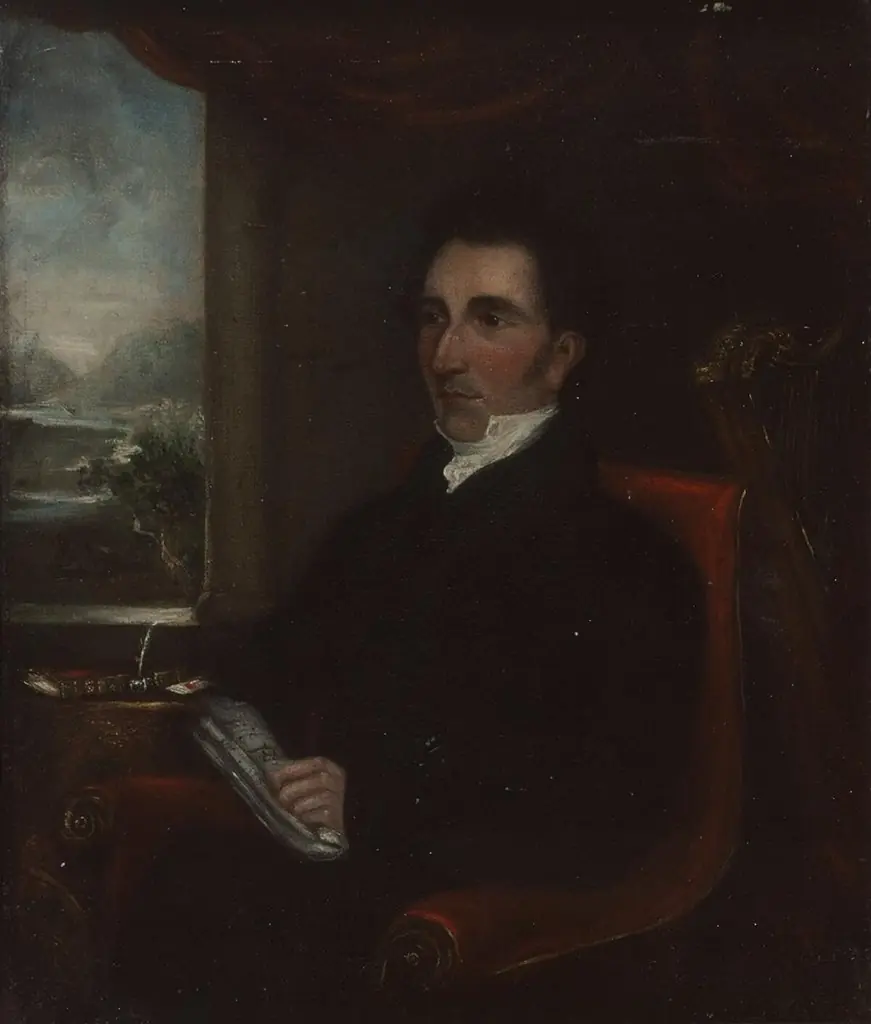
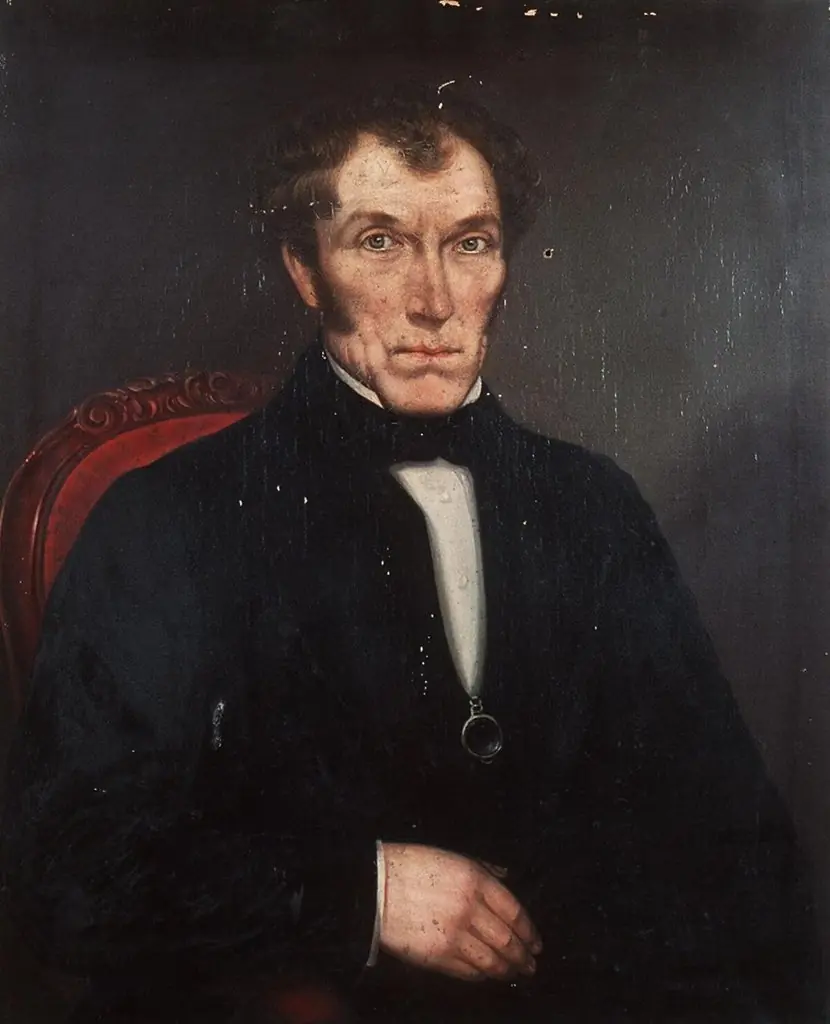
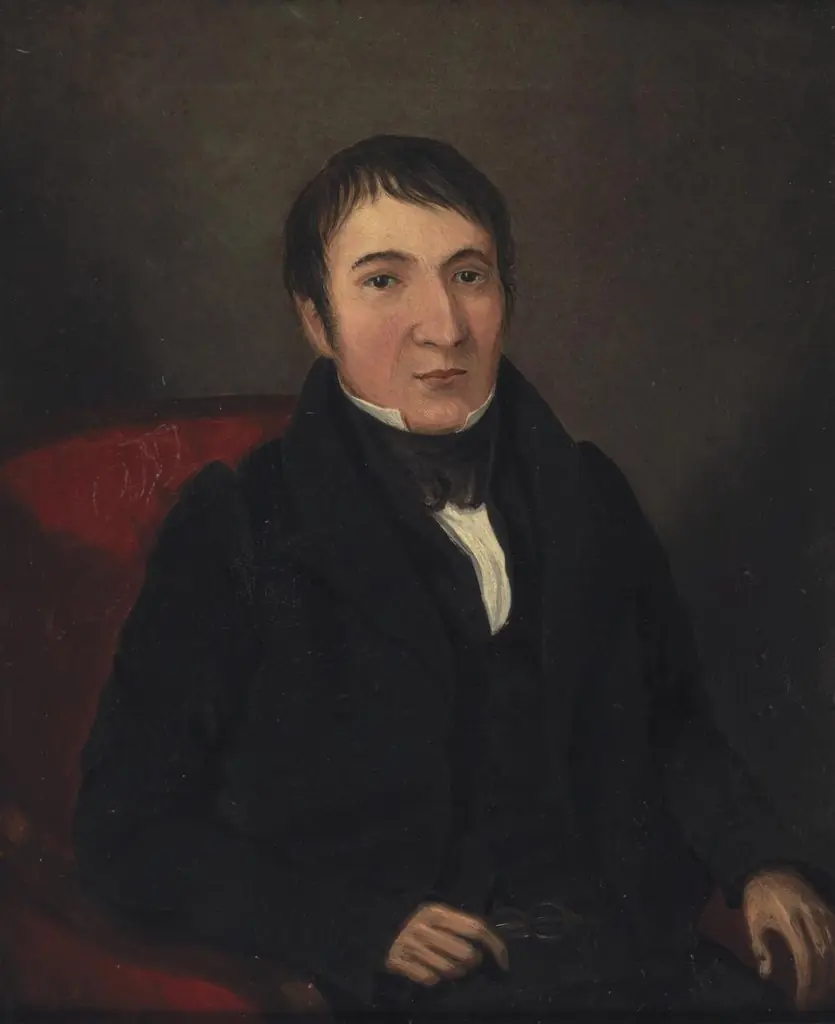
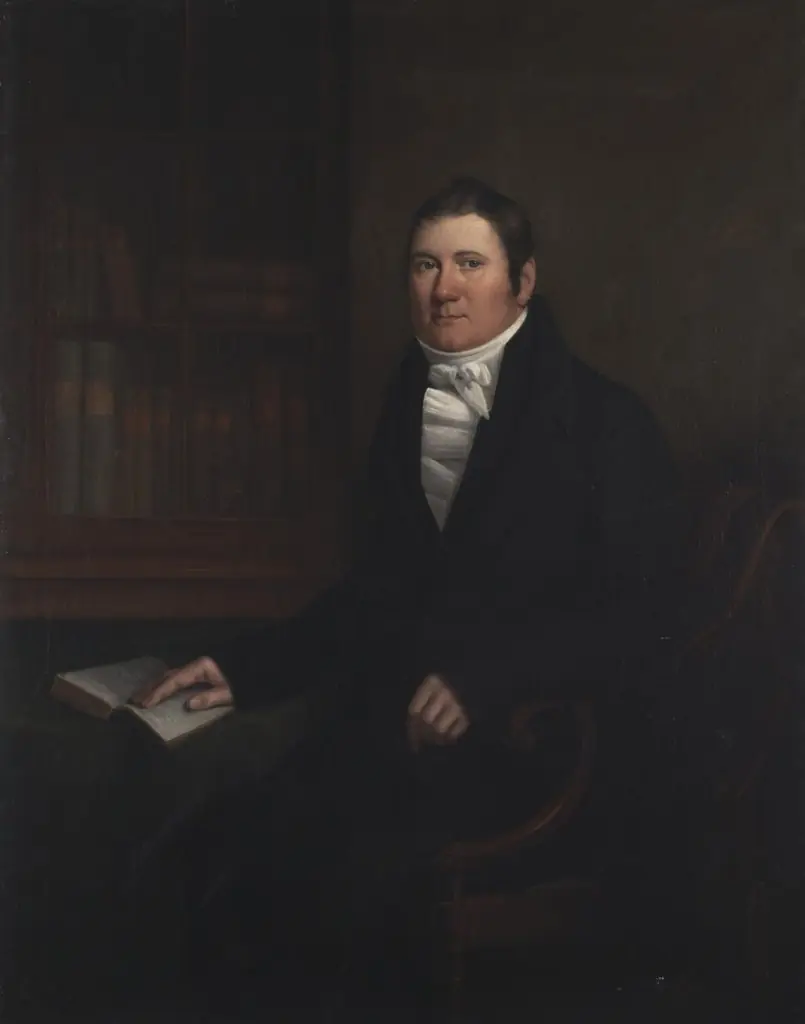
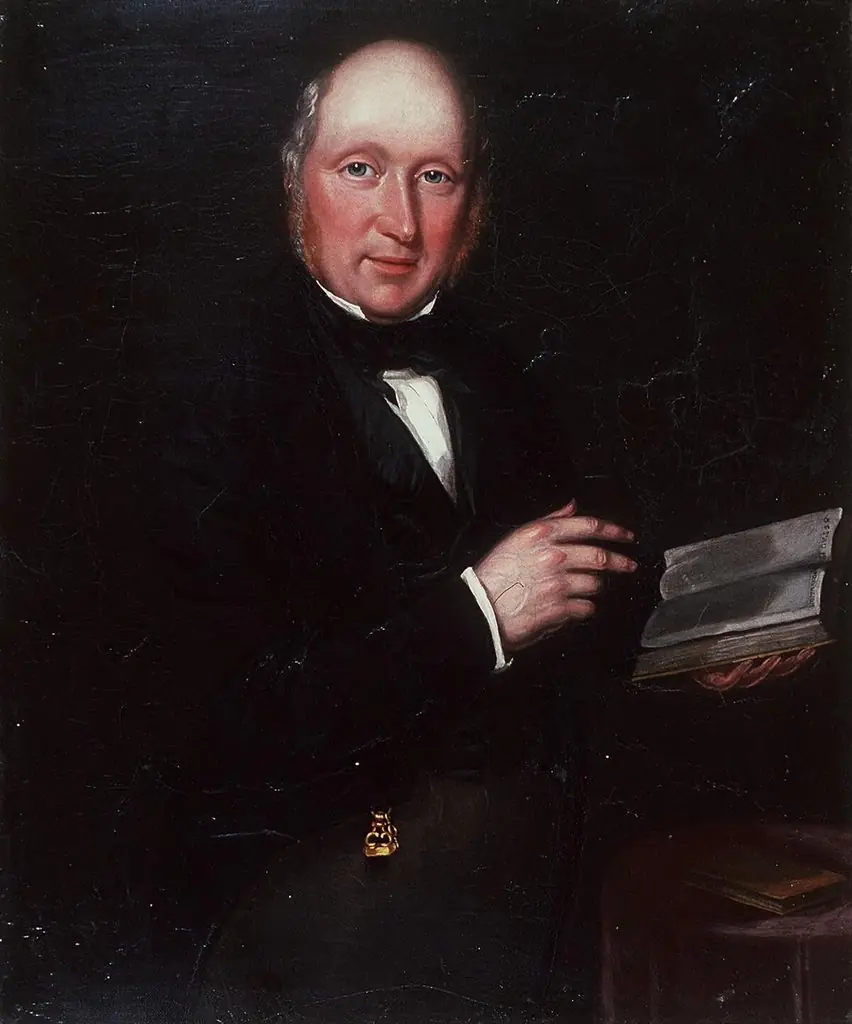
Mr John Jones, L'pool. printer, preacher is an oil painting by Hugh Hughes. It dates from 1842 and is held in the collection of the National Library of Wales.
About this work
Overview
Painted in 1842 by Hugh Hughes, this oil portrait captures John Jones, a printer and preacher from Liverpool. The work is part of the National Library of Wales collection, where it remains as a record of a modest yet influential figure in 19th-century Welsh intellectual life. Its restrained composition and somber palette reflect the values of its subject and the era’s portraiture conventions.
Subject & Meaning
John Jones is portrayed as a man of letters and faith, his dual roles as printer and preacher evident in the objects surrounding him.
John Jones is portrayed as a man of letters and faith, his dual roles as printer and preacher evident in the objects surrounding him. The book and quill suggest scholarly activity, while his composed demeanor conveys quiet conviction. The absence of ornate detail or symbolic flourishes emphasizes his humility and dedication to intellectual and spiritual labor, aligning with Nonconformist ideals of the time.
Technique & Style
Hugh Hughes employs a muted tonal range and subtle chiaroscuro to model the subject’s face and hands, drawing attention to his thoughtful expression. The dark background isolates Jones, enhancing the intimacy of the portrait. Textures are rendered with precision—fabric folds, wood grain, and inkwell surfaces—without theatricality, reflecting a务实, observational approach common in provincial British portraiture.
History & Provenance
The painting was likely commissioned by Jones or his community, given his local prominence. It entered the National Library of Wales’ collection through documented acquisition, possibly as part of a broader effort to preserve records of Welsh cultural figures. Its survival and preservation reflect its significance as a personal and historical artifact rather than a work of elite patronage.
Context
In early Victorian Wales, printers like Jones played vital roles in disseminating religious and educational materials, especially among Nonconformist communities. Portraits of such figures were rare compared to those of the gentry, making this work a rare visual testament to the rise of literate, self-made individuals outside traditional power structures.
Legacy
The portrait endures as a quiet emblem of Welsh intellectual and religious life in the 1840s. It offers insight into the material culture of non-elite professionals and the visual language used to represent them. Though not widely exhibited, it remains a key reference for scholars studying the intersection of print, faith, and identity in 19th-century Wales.
Own this work as a print
Artist & collection