Artwork
Richard Williams, Gaerwen, Anglesey
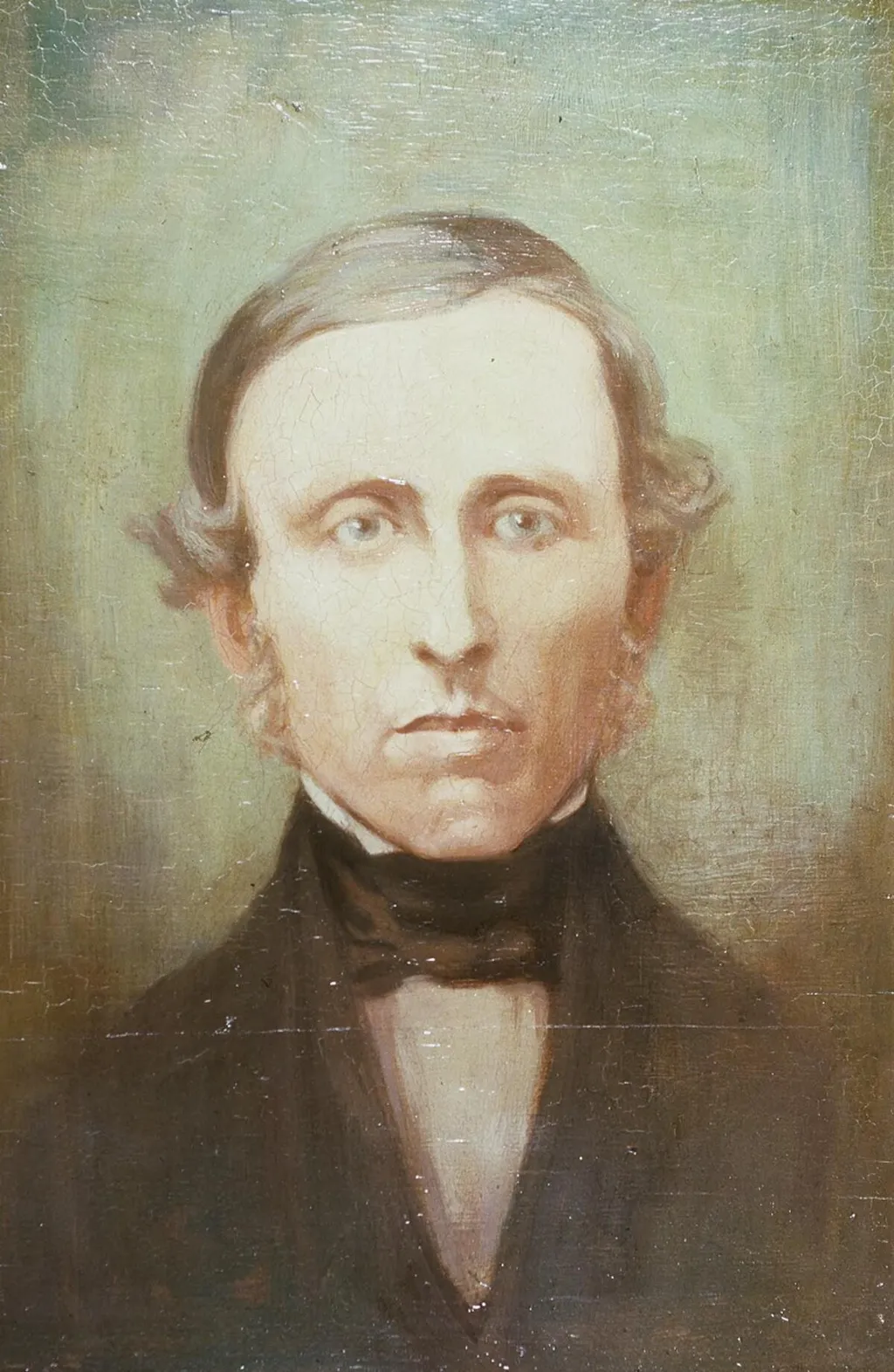
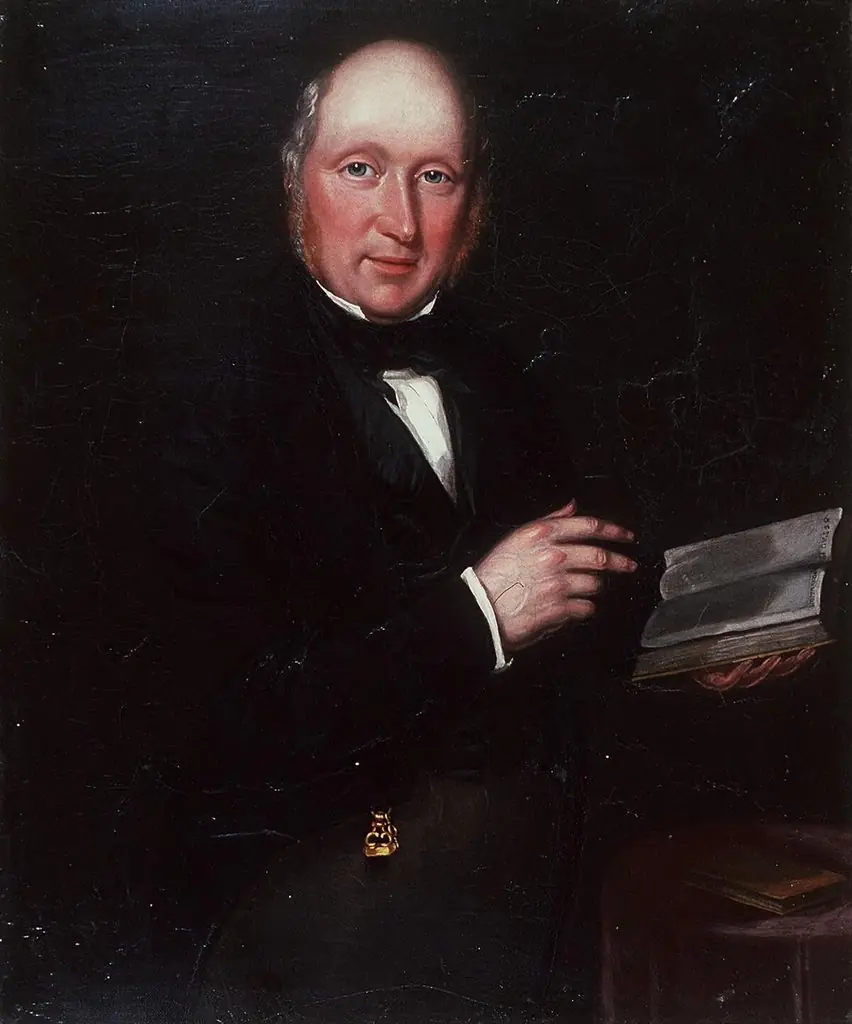
Richard Williams, Gaerwen, Anglesey is an oil painting by the British Romanticist artist Hugh Williams. It dates from 1840 and is held in the collection of the National Library of Wales.
About this work
Overview
Painted in 1840 by Hugh Williams, this oil portrait captures Richard Williams of Gaerwen, Anglesey. The work is part of the National Library of Wales collection. It presents a straightforward depiction of a man, rendered with attention to detail and a restrained palette. The composition centers on the sitter’s face, emphasizing presence over narrative.
Subject & Meaning
The subject, Richard Williams, is portrayed without adornment or symbolic elements, suggesting a focus on individual identity rather than social status. His neutral expression and plain attire convey quiet dignity. The choice to depict him in his local context—Gaerwen, Anglesey—hints at regional pride or familial record, common in 19th-century Welsh portraiture.
Technique & Style
Hugh Williams employed a realistic approach, using fine brushwork to render texture in the fabric of the dark jacket and the subtle tones of the skin. The light green background isolates the figure, directing focus to the face. Lighting is even and soft, avoiding dramatic contrast, which supports the portrait’s calm, observational tone.
History & Provenance
The painting entered the collection of the National Library of Wales, where it remains today. Its survival suggests it was preserved within the Williams family or local community before institutional acquisition. No record of public exhibition or significant alteration exists, indicating its role as a private, enduring likeness.
Context
In early 19th-century Wales, portraiture often served to document local figures, especially among landowning or professional classes. Hugh Williams, active in north Wales, contributed to this tradition. This work reflects a regional artistic practice distinct from metropolitan centers, prioritizing accuracy over embellishment.
Legacy
The portrait stands as a quiet example of Welsh domestic portraiture from the mid-1800s. It contributes to the visual record of local life and the work of regional artists like Hugh Williams. While not widely known outside Wales, it holds value as a historical document of individual and community identity.
Artist & collection
Artist
Hugh Williams painted the people he knew, rarely leaving his Welsh island—except in his mind.

 John Thomas
 The Grandfather of William Williams
 Portrait of James Henry Cottingham (1762-1820)
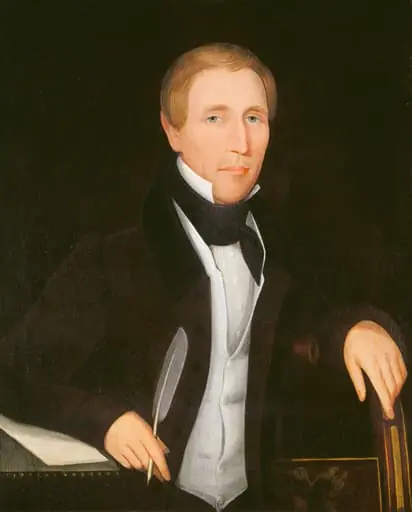 Henry Teller
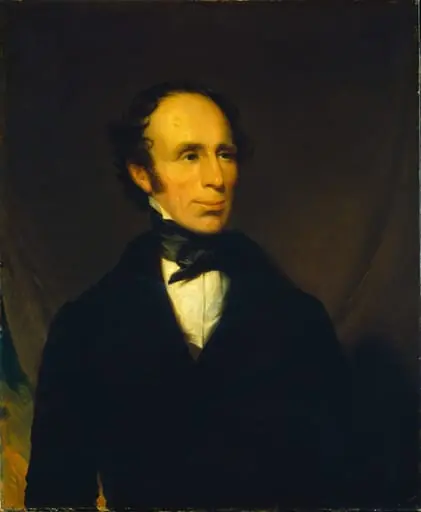 George Dodd
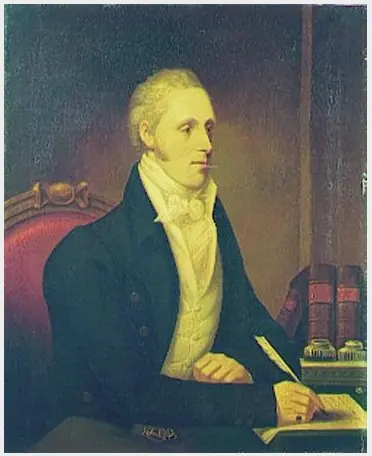 Portrait of Mr Cottingham
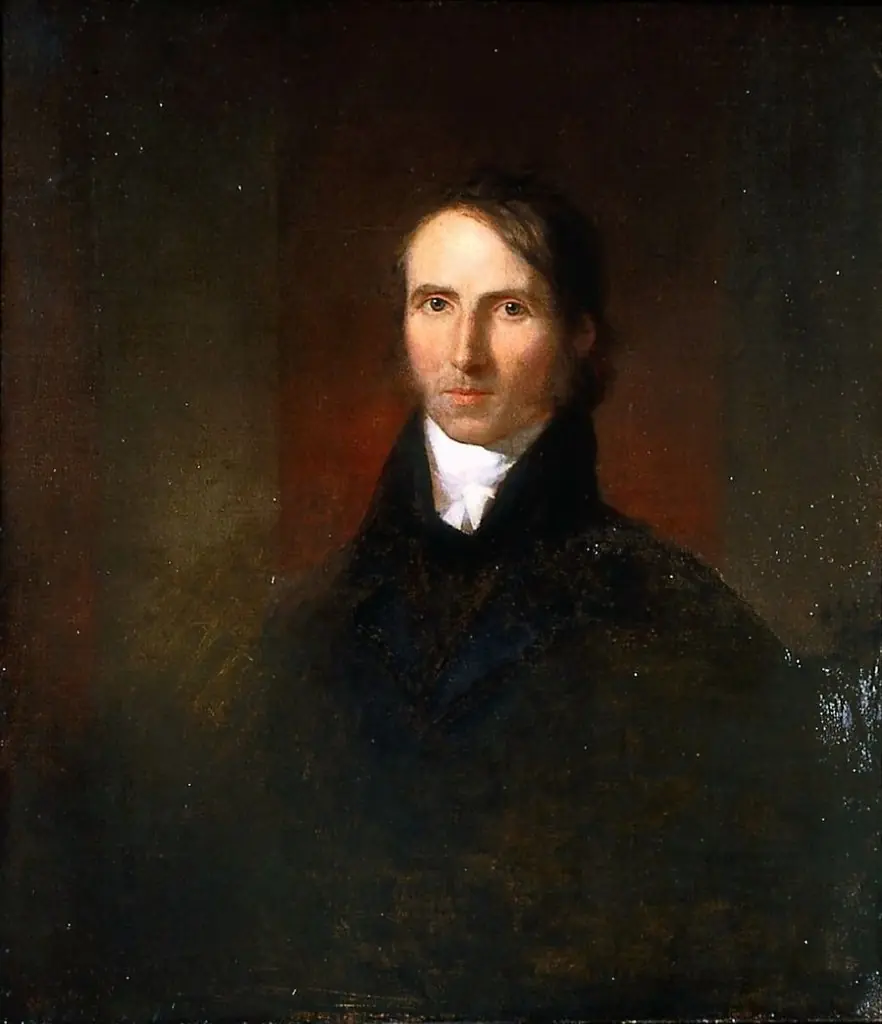 William Ellery Channing
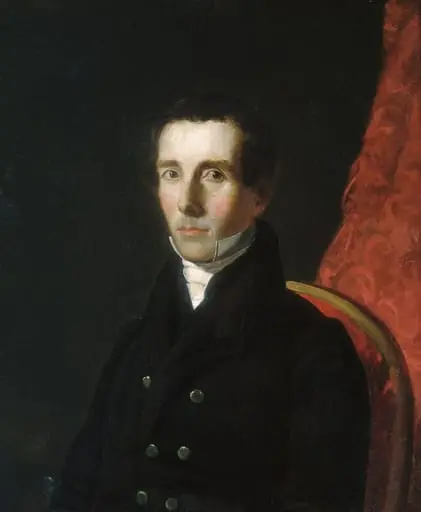 Moses Pond
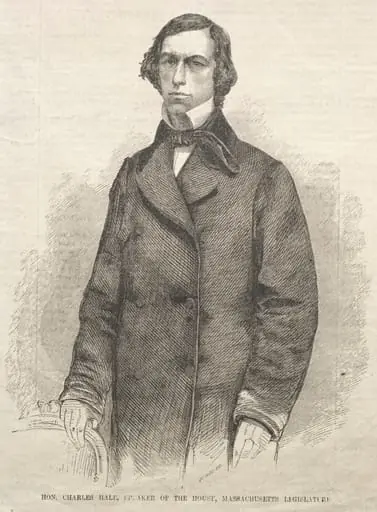 Hon. Charles Hale, Speaker of the House, Massachusetts Legislature
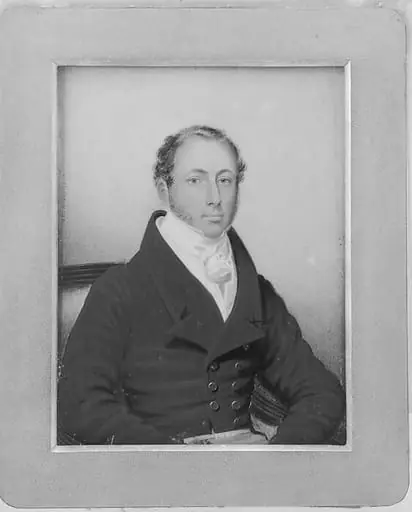 Portrait of a Gentleman
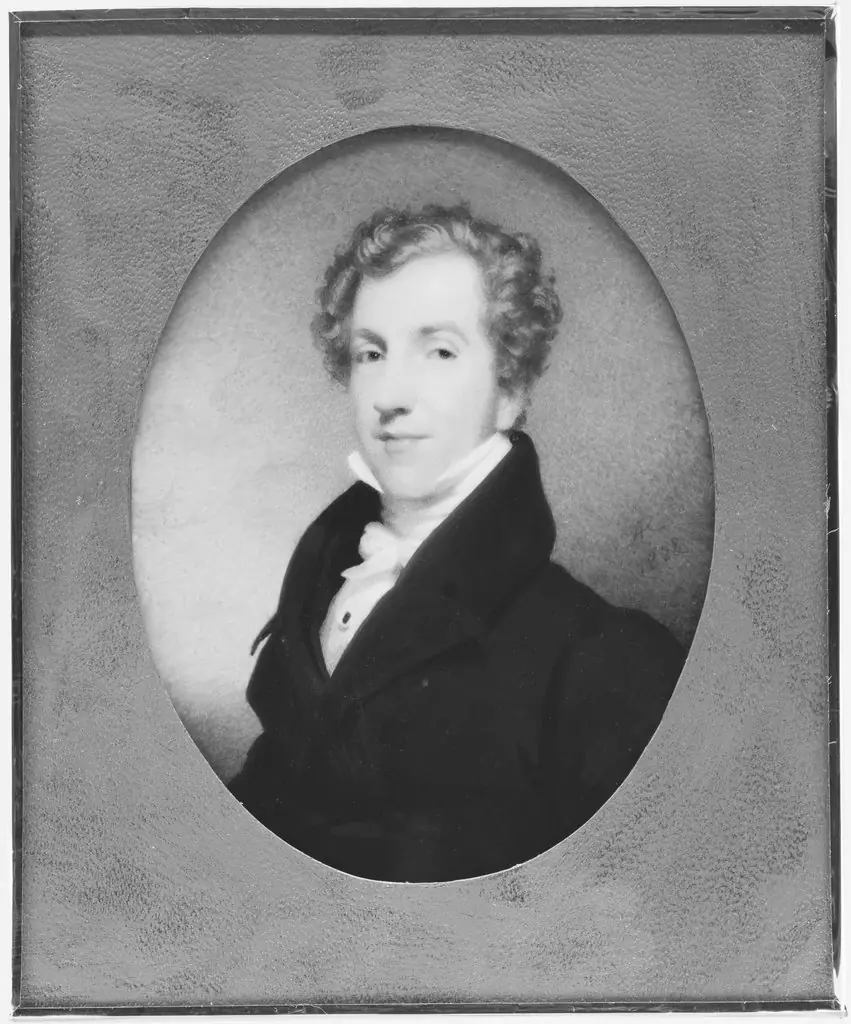 Portrait of a Man
 Portrait of an unidentified cleric