Artwork
The Scarlet Letter
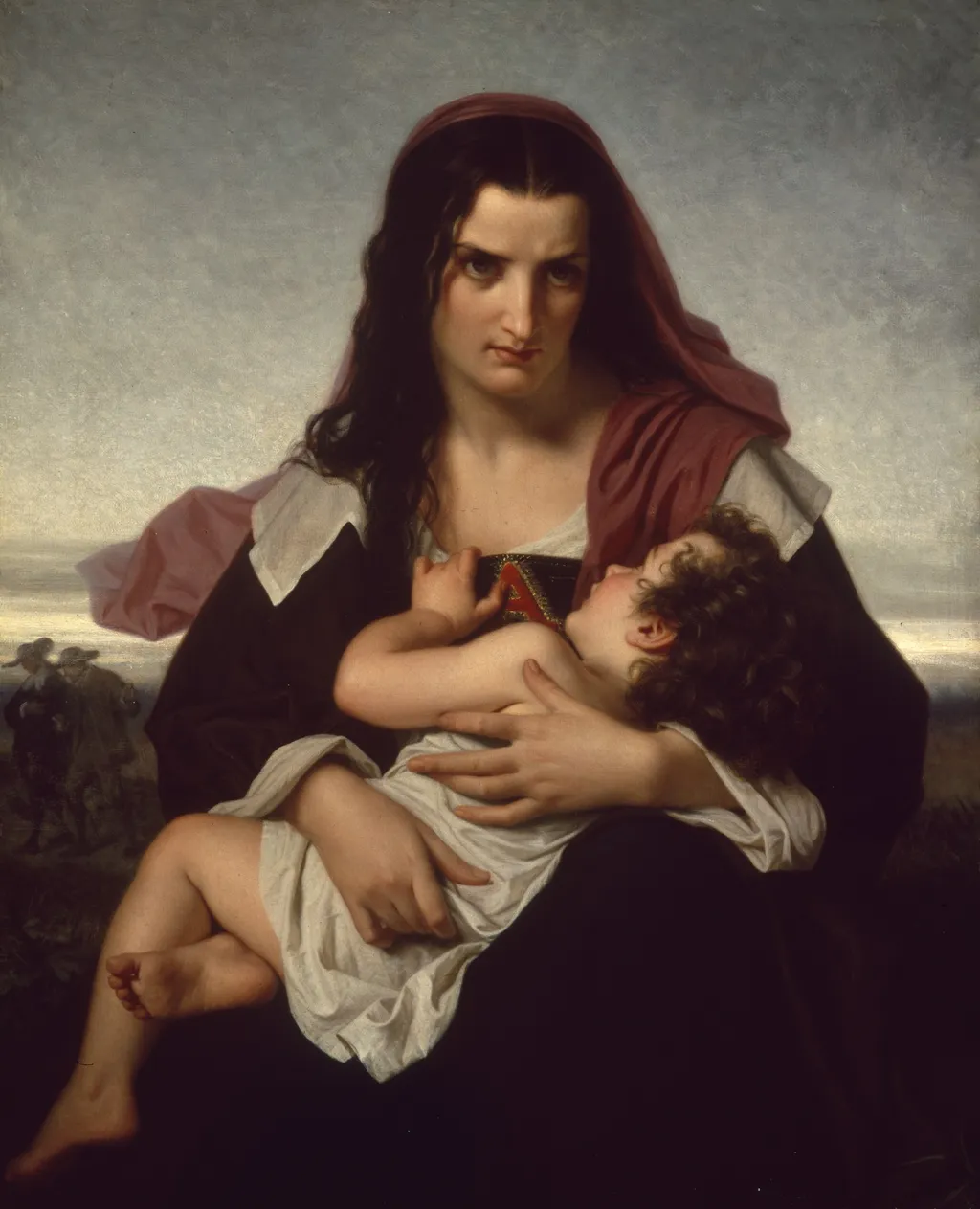
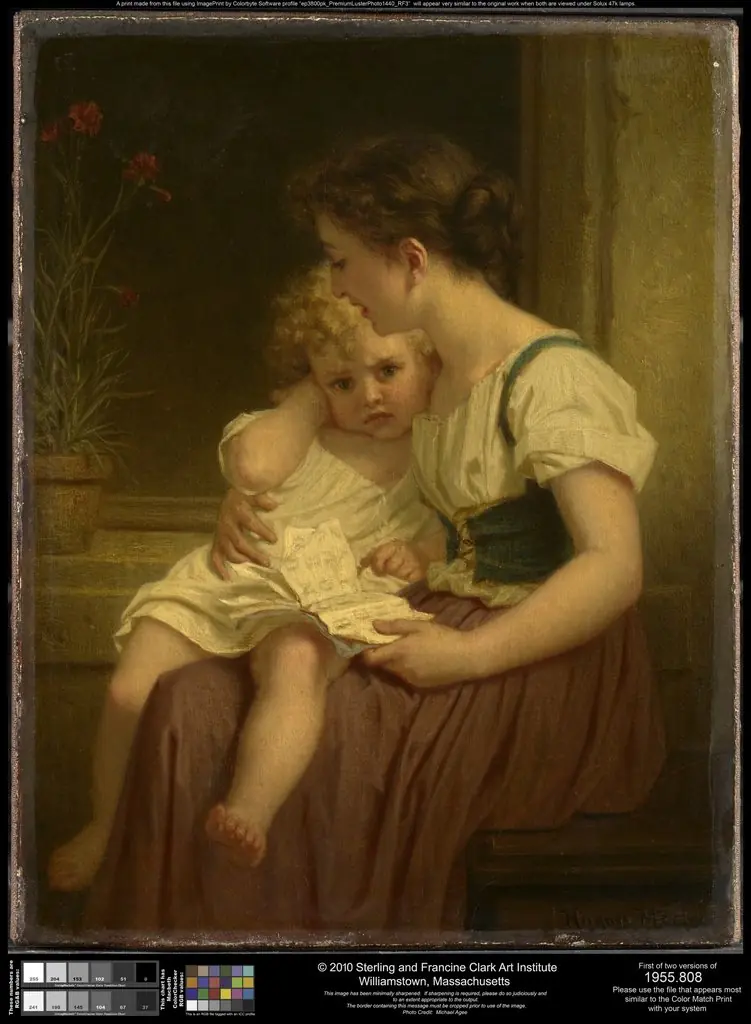
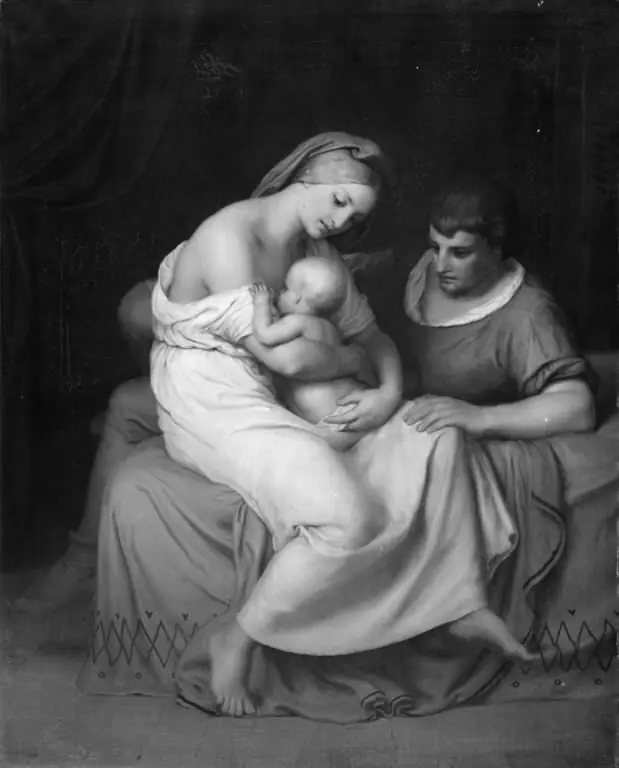
The Scarlet Letter is an oil painting by the Realist artist Hugues Merle. It dates from 1861 and is held in the collection of the Walters Art Museum.
About this work
Overview
Hugues Merle’s 1861 oil painting titled *The Scarlet Letter* exemplifies the Realist tendency toward moral narrative. Executed in the mid‑nineteenth century, the work presents a quiet, introspective scene that reflects the artist’s preference for sentimental and instructional subjects.
Subject & Meaning
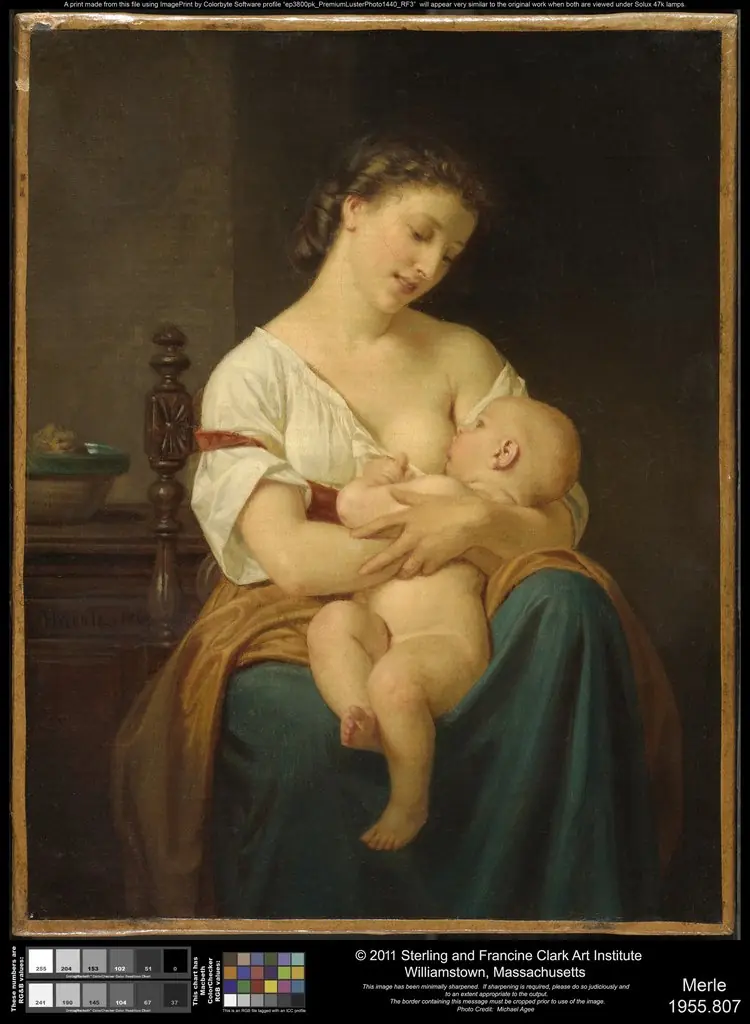
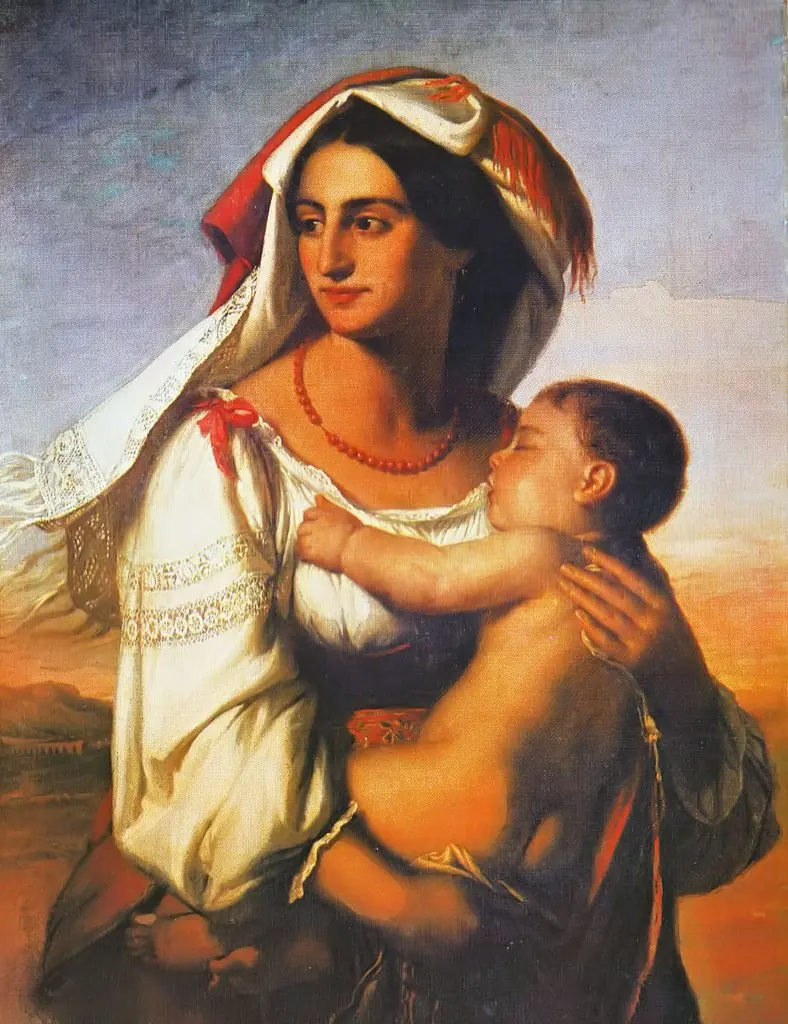
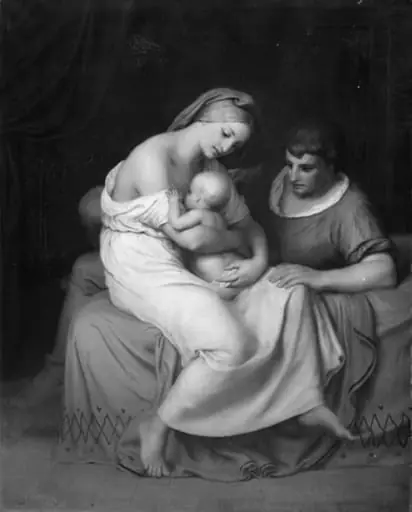
The composition centers on a woman in a dark gown, draped with a vivid red shawl, cradling an infant who nurses from her breast. Her gaze is directed downward, conveying a solemn, contemplative mood that suggests themes of motherhood, sacrifice, and societal judgment.
Technique & Style
Merle employs chiaroscuro, contrasting the illuminated figures against a subdued background to model form and create depth. The muted palette and careful rendering of light on the woman's face and the infant’s cloth enhance the painting’s restrained emotional tone.
Context
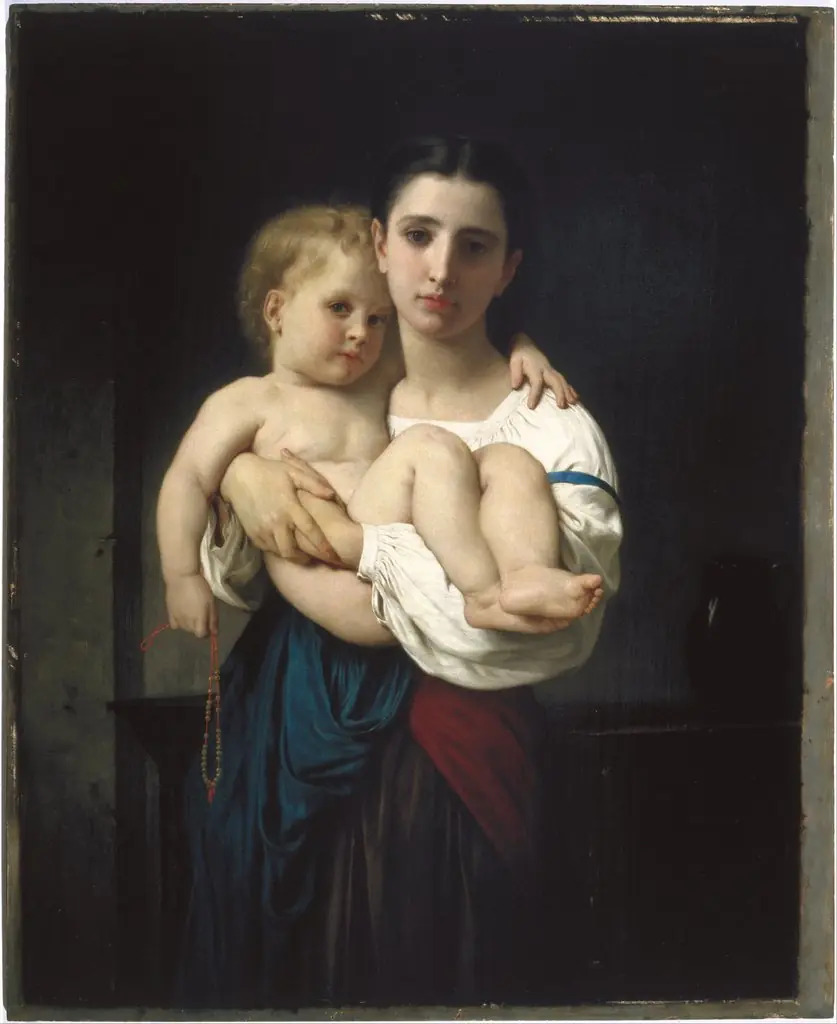
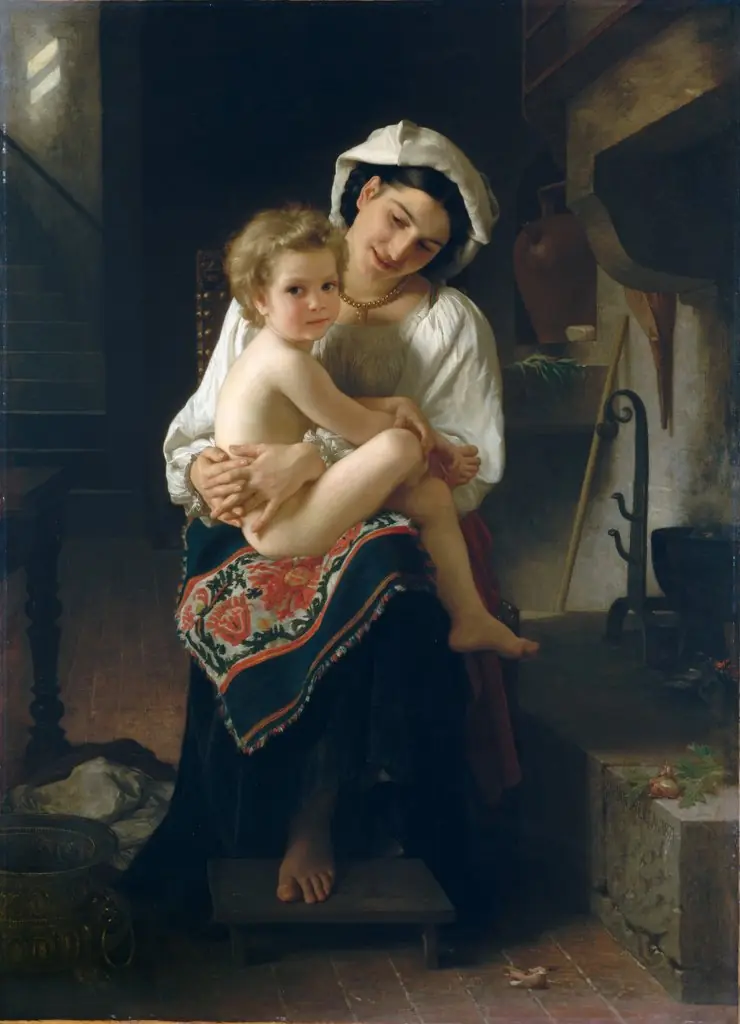
Created during a period when French Realists often addressed moral and didactic topics, the work aligns with Merle’s broader oeuvre, which frequently explored tender or instructive scenes. Comparisons are frequently drawn between Merle and his contemporary William‑Adolphe Bouguereau, who shared similar thematic interests.
History & Provenance
The painting was produced in 1861, the year Merle was actively exhibiting in Parisian salons. While specific ownership records are limited, the work remains associated with the artist’s catalogue of Realist pieces and is referenced in scholarly surveys of nineteenth‑century French painting.
Own this work as a print
Artist & collection
Artist
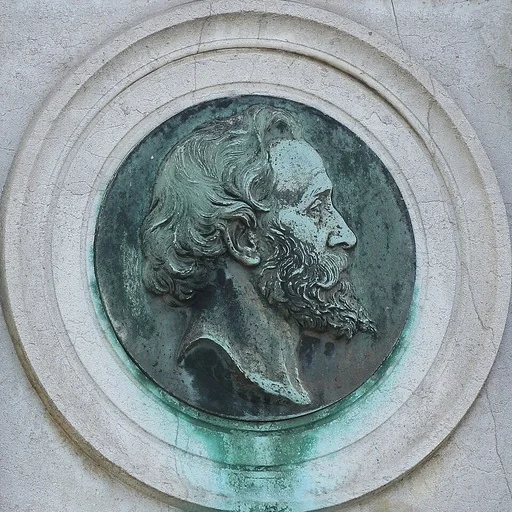
Hugues Merle (1822–1881) was a French painter who mostly depicted sentimental or moral subjects. He has often been compared to William-Adolphe Bouguereau.