Artwork
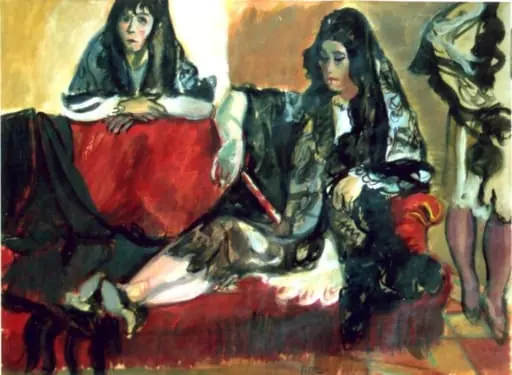
Două nuduri în interior
Două nuduri în interior is a print by Iosif Iser. It dates from 1929 and is held in the collection of the National Museum of Art of Romania. This object is a wooden picture frame, empty and aged, dating to around 1929.
About this work
Overview
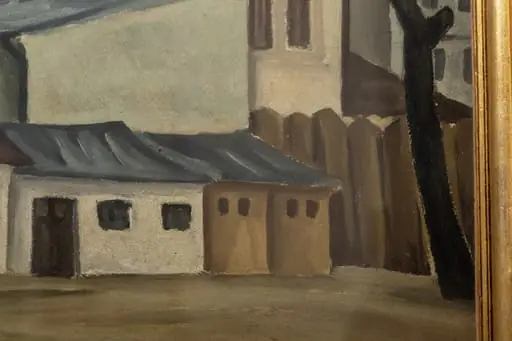
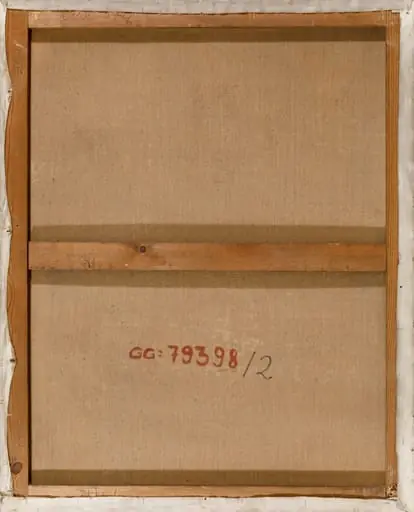
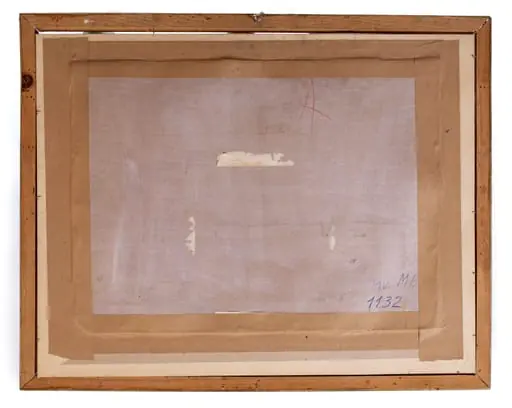
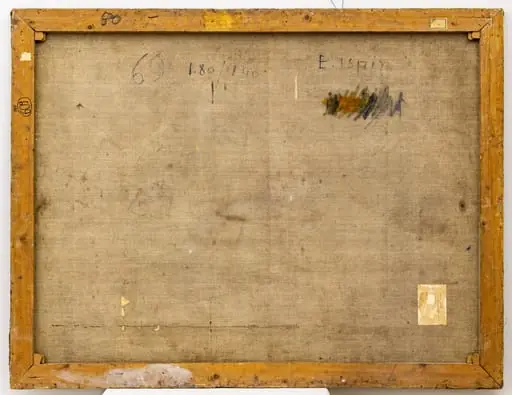
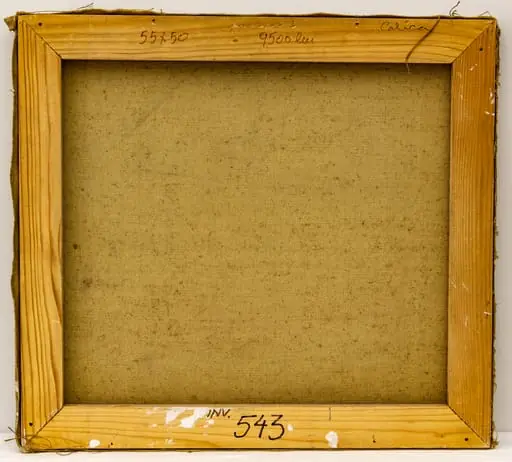
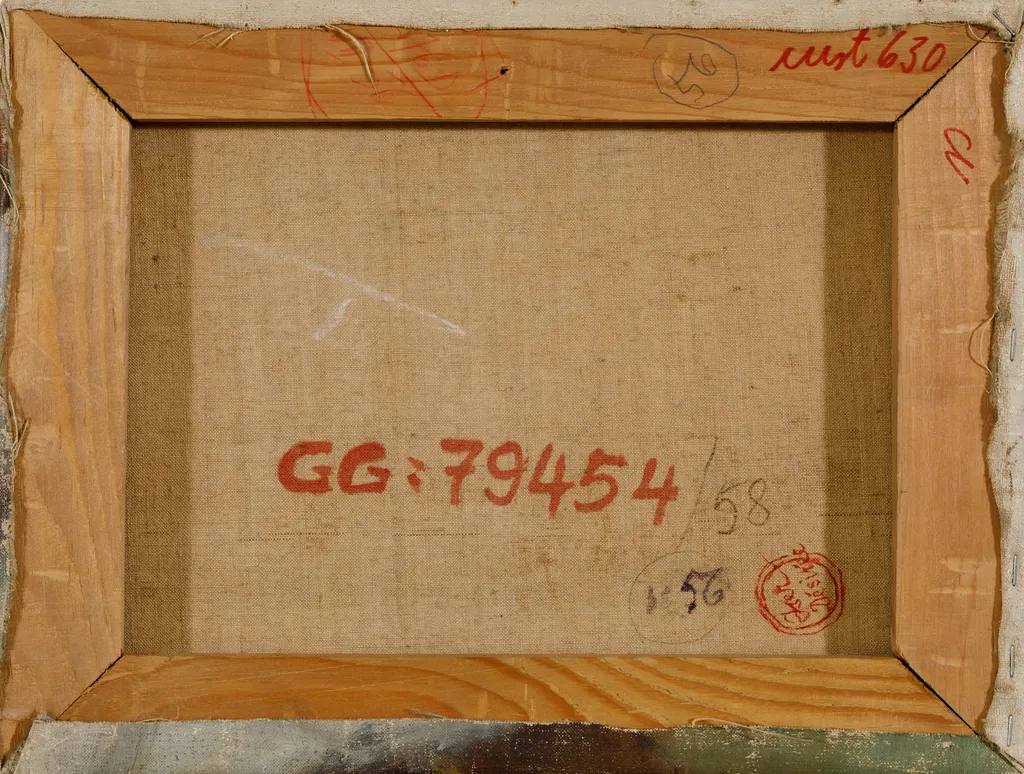
This object is a wooden picture frame, empty and aged, dating to around 1929. It bears traces of prior use—faded surface texture, flaking paint, and red ink markings on the reverse, including a catalog number and a stamped symbol. Though no image remains within, its condition suggests it was once part of a curated collection, likely handled with care in a institutional setting.
Subject & Meaning
The title 'Două nuduri în interior' implies the frame once held a depiction of two nude figures in an interior space, a theme associated with Iosif Iser’s figurative work. The absence of the image transforms the frame into a relic of loss, prompting reflection on what was once present and how art is preserved—or erased—through time and institutional practice.
Technique & Style
The frame is constructed of plain, weathered wood with minimal ornamentation. Its surface shows natural wear and paint deterioration, consistent with decades of handling and storage. The red handwritten annotations and stamps reflect a utilitarian, archival approach rather than decorative intent, emphasizing function over aesthetics in its current state.
History & Provenance
The red markings, including 'GG:79454' and a circular stamp, indicate this frame was cataloged within a formal collection, possibly a Romanian museum or archive. Its survival without the original artwork suggests it was retained for its physical association with a documented piece, preserving a trace of Iser’s lost work through institutional record-keeping.
Context
In late 1920s Romania, artists like Iser engaged with modernist themes, including the nude figure in domestic settings. While the original image is no longer extant, the frame’s survival reflects the era’s growing institutional interest in documenting and preserving Romanian modern art—even when the works themselves were lost, damaged, or dispersed.
Legacy
This frame endures not as a vessel of art, but as a mute witness to its absence. It invites inquiry into the fragility of artistic records and the role of cataloging in sustaining cultural memory. Its physical traces—stamps, numbers, wear—offer a quiet testament to the systems that once sought to preserve what time has since removed.
Artist & collection