Artwork
Nud
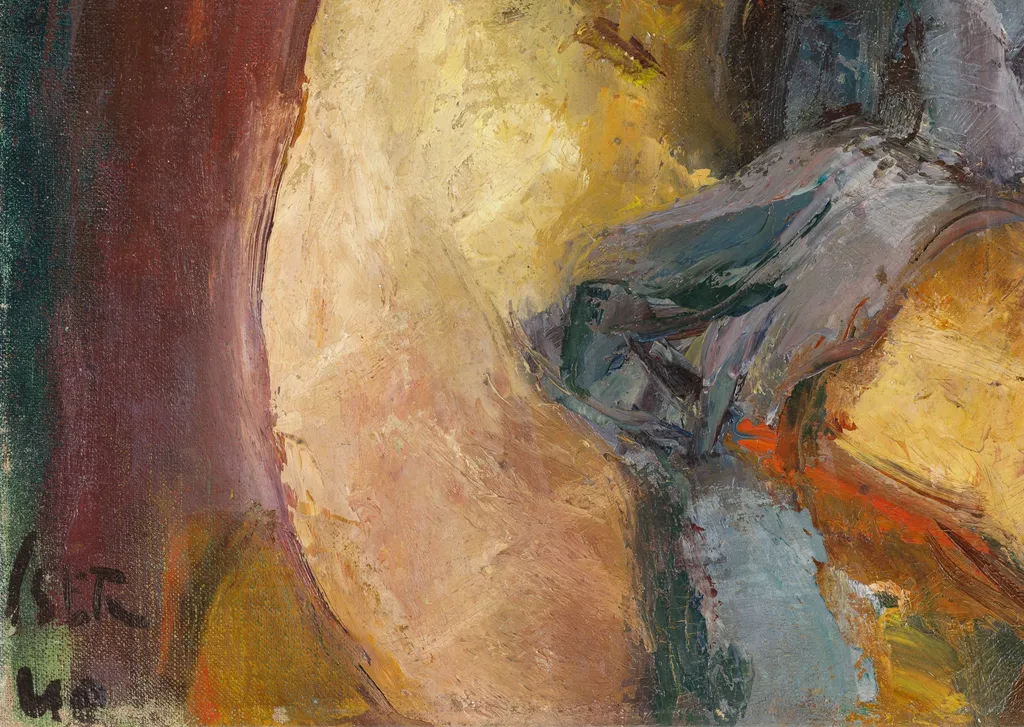
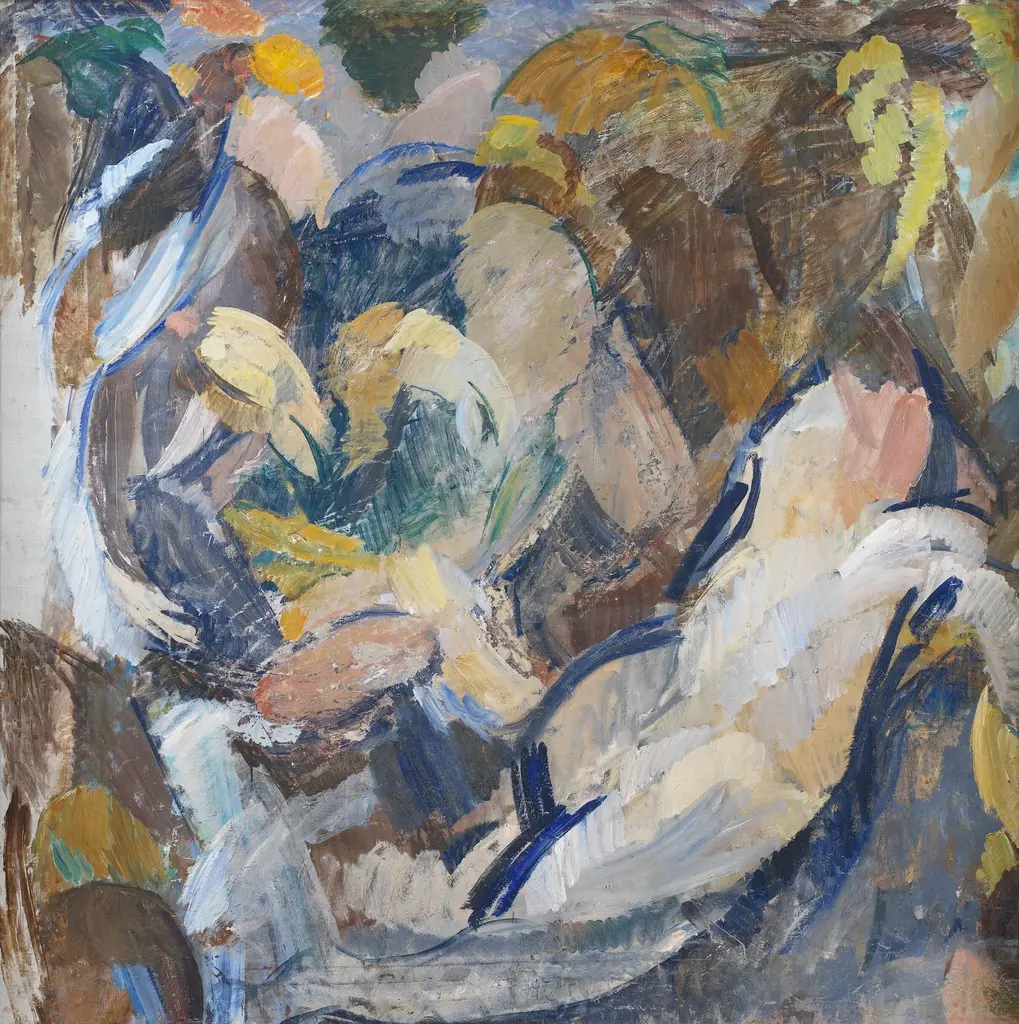
Nud is a print by Iosif Iser. It dates from 1940 and is held in the collection of the National Museum of Art of Romania.
About this work
Overview
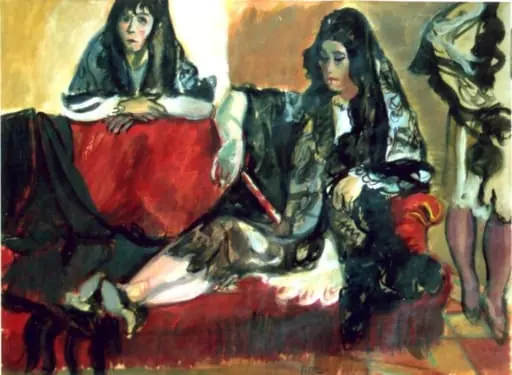
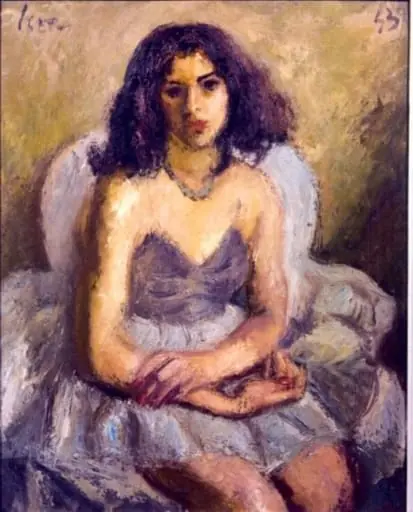
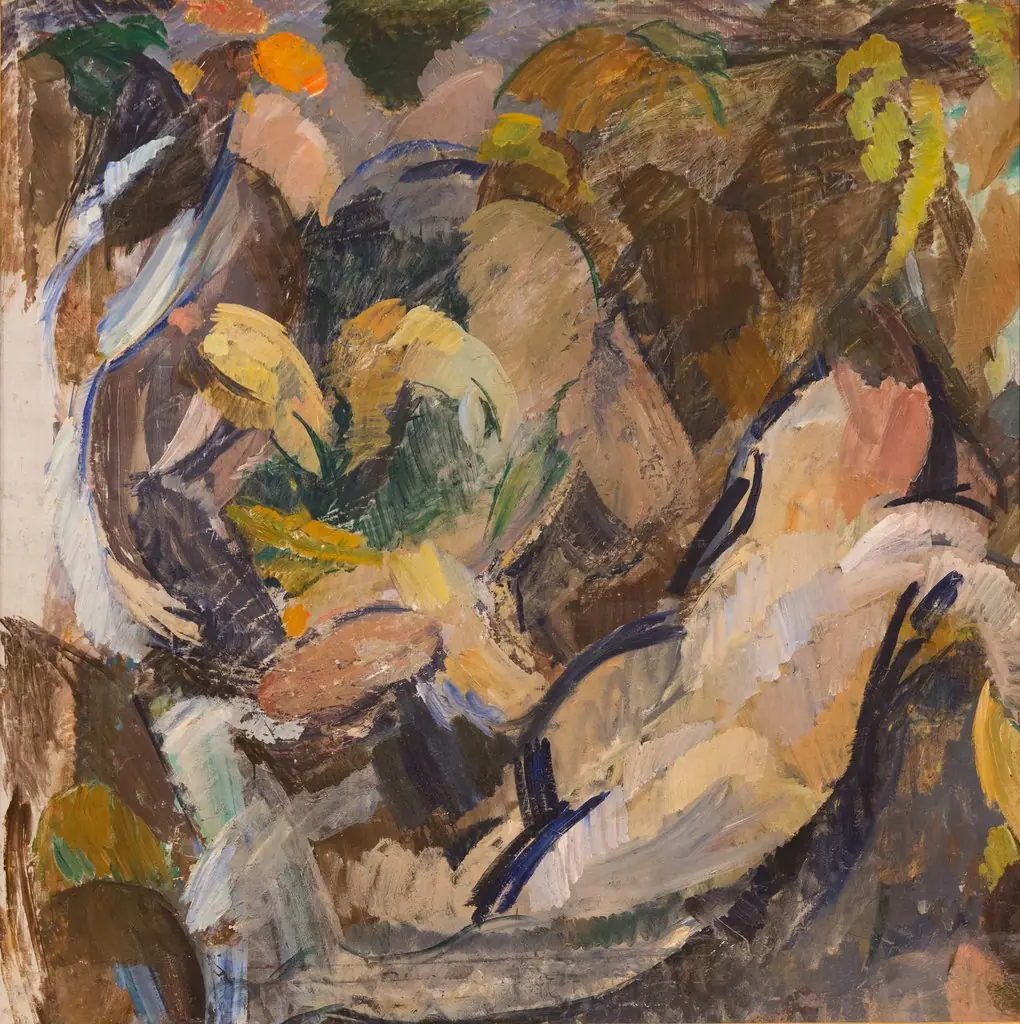
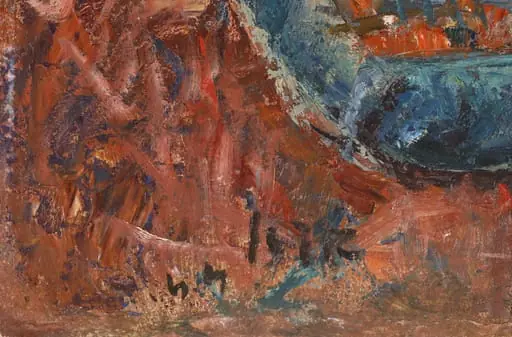
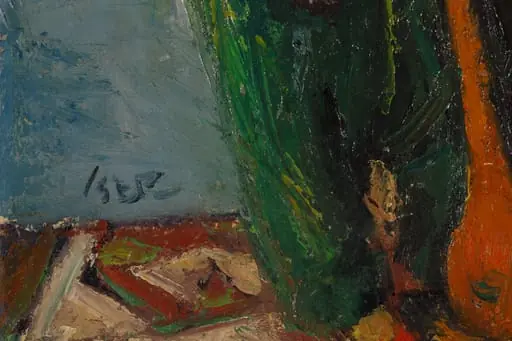
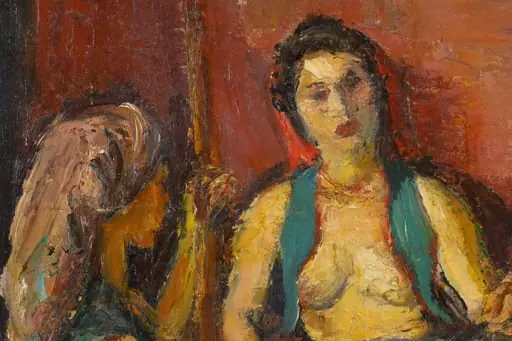
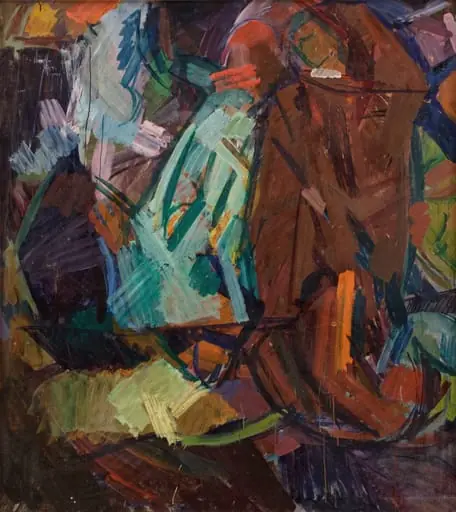
Created in 1940 by Iosif Iser, this work is a painted figure rendered with deliberate informality. The composition resists clear definition, favoring a sense of immediacy over polish. The medium is oil on canvas, applied with visible, uneven strokes that emphasize process over finish. Its unrefined appearance suggests an intimate, spontaneous moment rather than a formal portrait.
Subject & Meaning
The subject is a solitary, ambiguous human form, neither fully clothed nor clearly defined. Its blurred contours and muted warmth suggest vulnerability or introspection. The lack of contextual details—no background, no facial features—shifts focus to the body’s presence alone. The work evokes a quiet, private state, inviting contemplation rather than narrative interpretation.
Technique & Style
Iser employed thick, textured brushwork, building the figure with impasto that catches light unevenly. Colors are restrained: soft pinks, ochres, and earthy browns dominate, contrasted by sparse dark areas that anchor the form. Edges dissolve into the canvas, and strokes remain visible and unblended, rejecting traditional smoothing techniques in favor of tactile immediacy.
History & Provenance
The work emerged during Iser’s mature period in Romania, a time when he increasingly favored expressive, non-naturalistic approaches. It was likely created in his studio, not as a commission but as a personal exploration. Its early provenance remains undocumented, but it entered public collections in the late 20th century, recognized for its quiet deviation from academic norms.
Context
In 1940, European art was navigating between realism and abstraction amid political upheaval. Iser’s work reflects a broader trend among Eastern European modernists who valued emotional resonance over technical precision. This piece aligns with contemporaries who used painterly looseness to convey inner states, distancing themselves from both classical ideals and overt political art.
Legacy
Though not widely exhibited during Iser’s lifetime, this work has since been cited as an example of his distinctive approach to the human form. Its unfinished quality influenced later generations of Romanian artists seeking authenticity in gesture over polish. It remains a quiet reference point in discussions of interwar Romanian modernism and the expressive potential of the sketch-like finish.
Artist & collection