Artwork
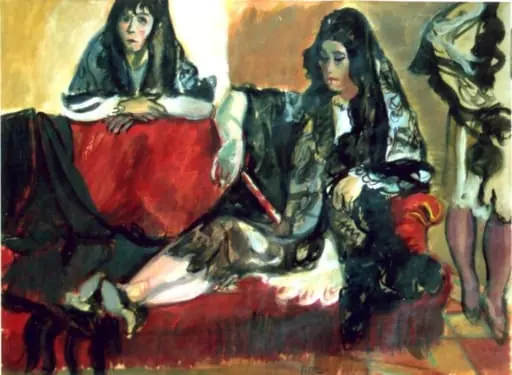
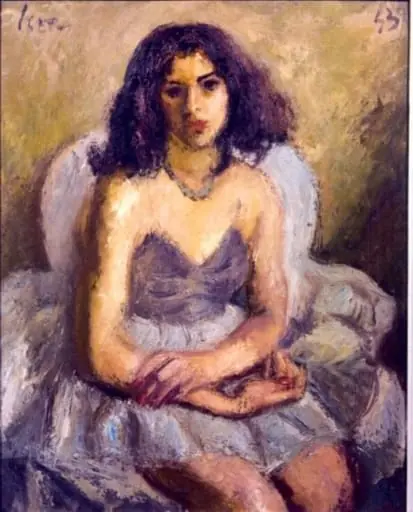
Tânără spaniolă (Fantini)
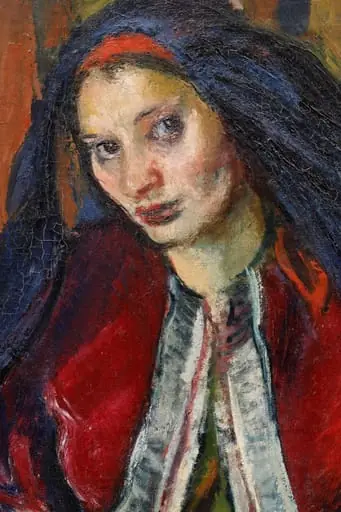
Tânără spaniolă (Fantini) is a print by Iosif Iser. It dates from 1850 and is held in the collection of the National Museum of Art of Romania.
About this work
Overview
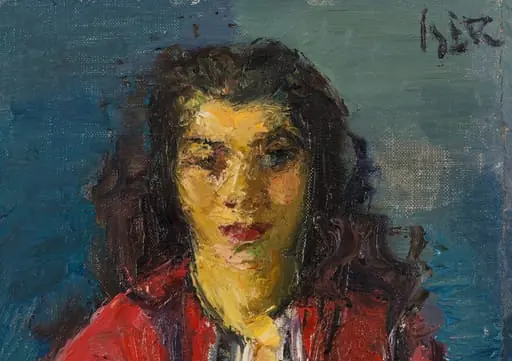
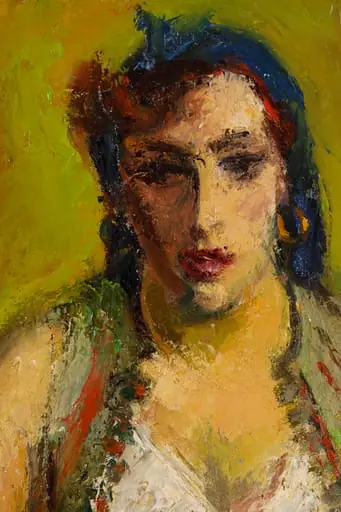
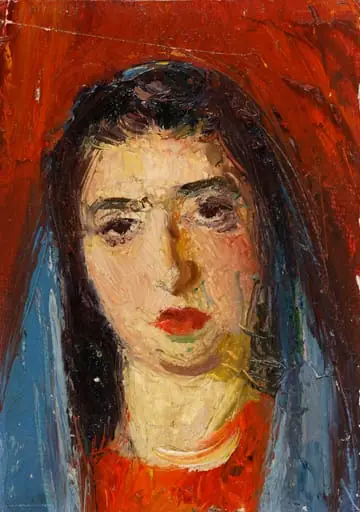
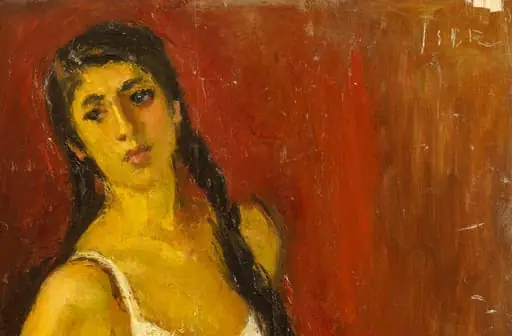
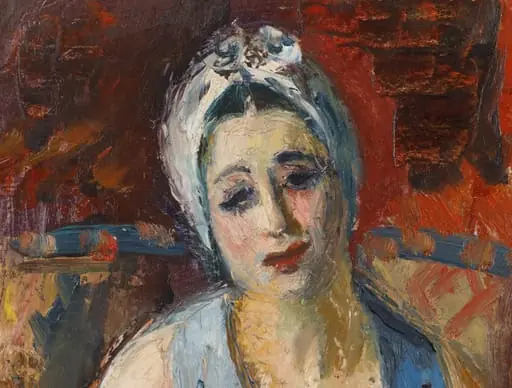
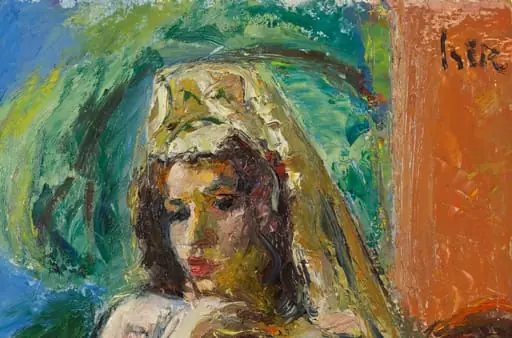
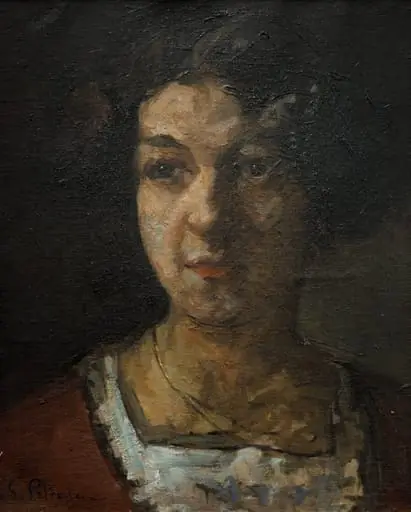
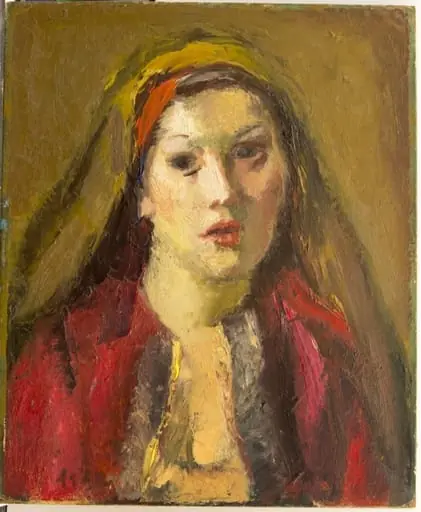
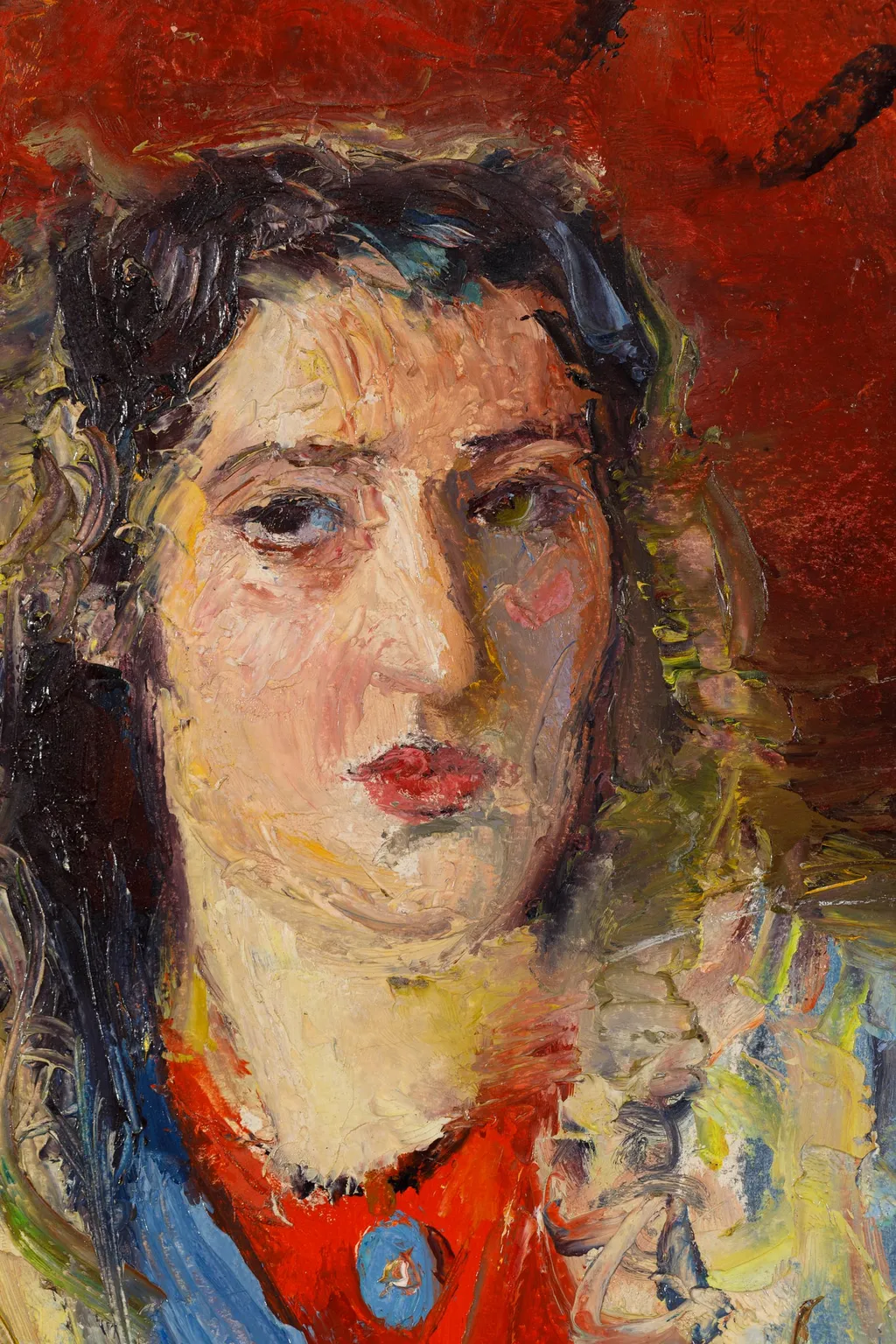
Painted around 1850 by Iosif Iser, this portrait depicts a young Spanish woman in a tightly framed composition. The focus is on her face and upper shoulders, rendered with energetic brushwork that emphasizes texture over polish. The background and clothing are built from layered, thick strokes, creating a tactile surface that contrasts with the subtle modeling of her skin.
Subject & Meaning
The sitter’s identity remains unknown, but her presence is intimate and unadorned. Her calm, neutral expression and slight head tilt suggest quiet introspection rather than performative pose. The absence of jewelry or elaborate setting directs attention to her individuality, grounding the work in a sense of quiet dignity rather than social status.
Technique & Style
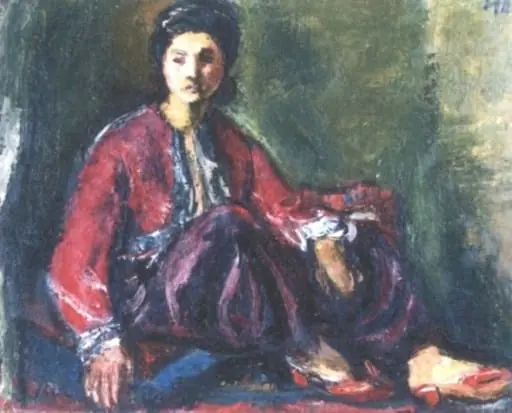
Iser employs impasto to build form through visible, rapid brushstrokes, particularly in the red garment and background. Warm tones define the skin, while cool accents in the blue button and shadowed areas provide contrast. The paint is applied with immediacy, leaving edges unresolved and surfaces textured—an approach that prioritizes sensory presence over refined finish.
History & Provenance
The painting’s early ownership is undocumented, but it is associated with Iser’s period of portraiture in mid-19th century Romania. It likely circulated among private collectors before entering institutional hands. Its survival reflects a modest but persistent interest in regional realist portraiture during a time of shifting artistic priorities.
Context
Created during a period when Romanian artists were engaging with European academic traditions, this work diverges from formal portraiture by embracing a more spontaneous, almost sketch-like quality. Its stylistic leanings align with emerging trends in French and Spanish realism, where emotional presence outweighed idealized representation.
Legacy
Though not widely exhibited, the painting contributes to the understanding of Iser’s versatility beyond landscape and genre scenes. Its raw, unidealized approach influenced later Romanian artists seeking authenticity in portraiture, serving as a quiet example of how personal observation could challenge academic conventions.
Artist & collection