Artwork
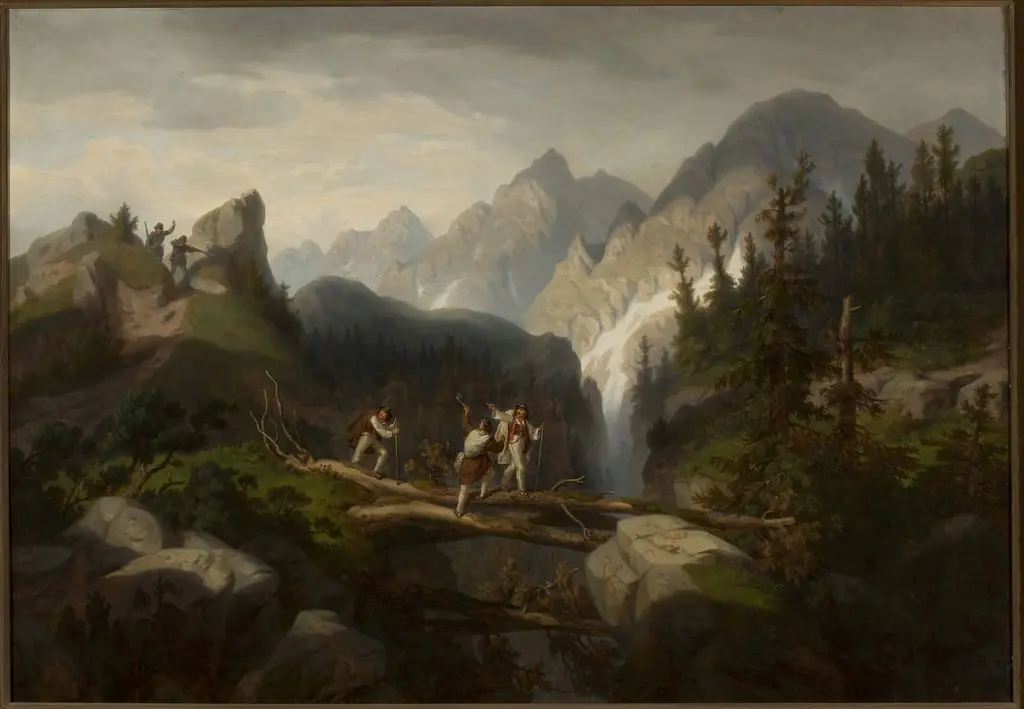
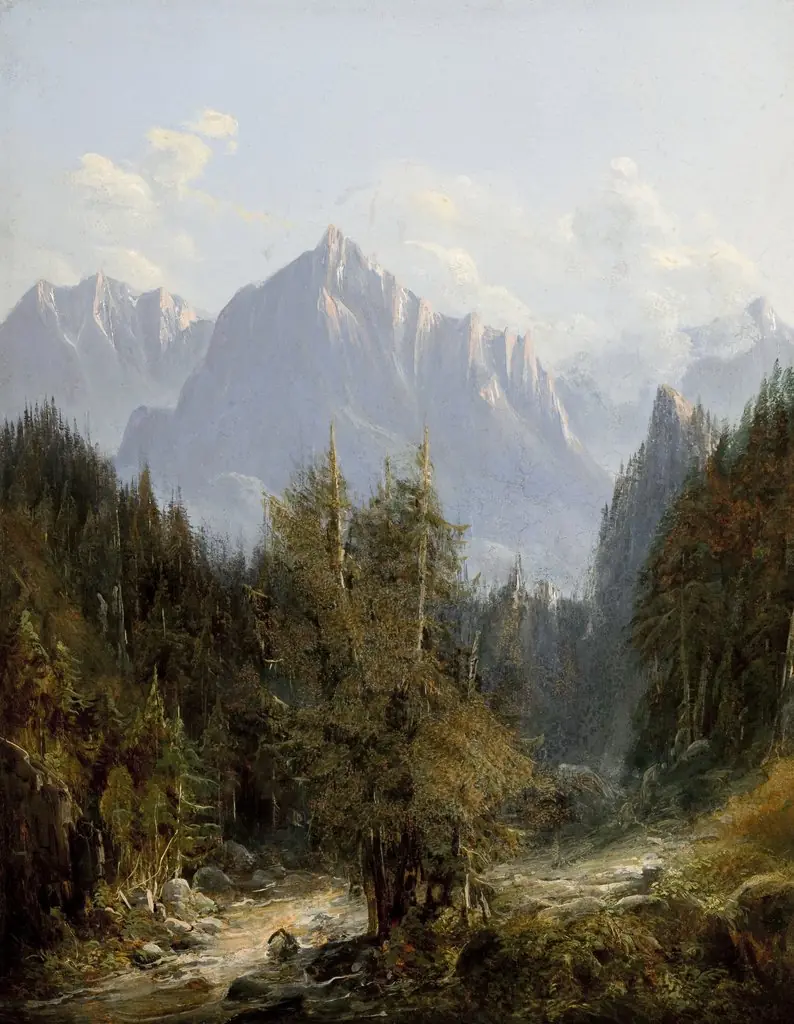
Mount Murań in the Tatra Mountains at Sunrise
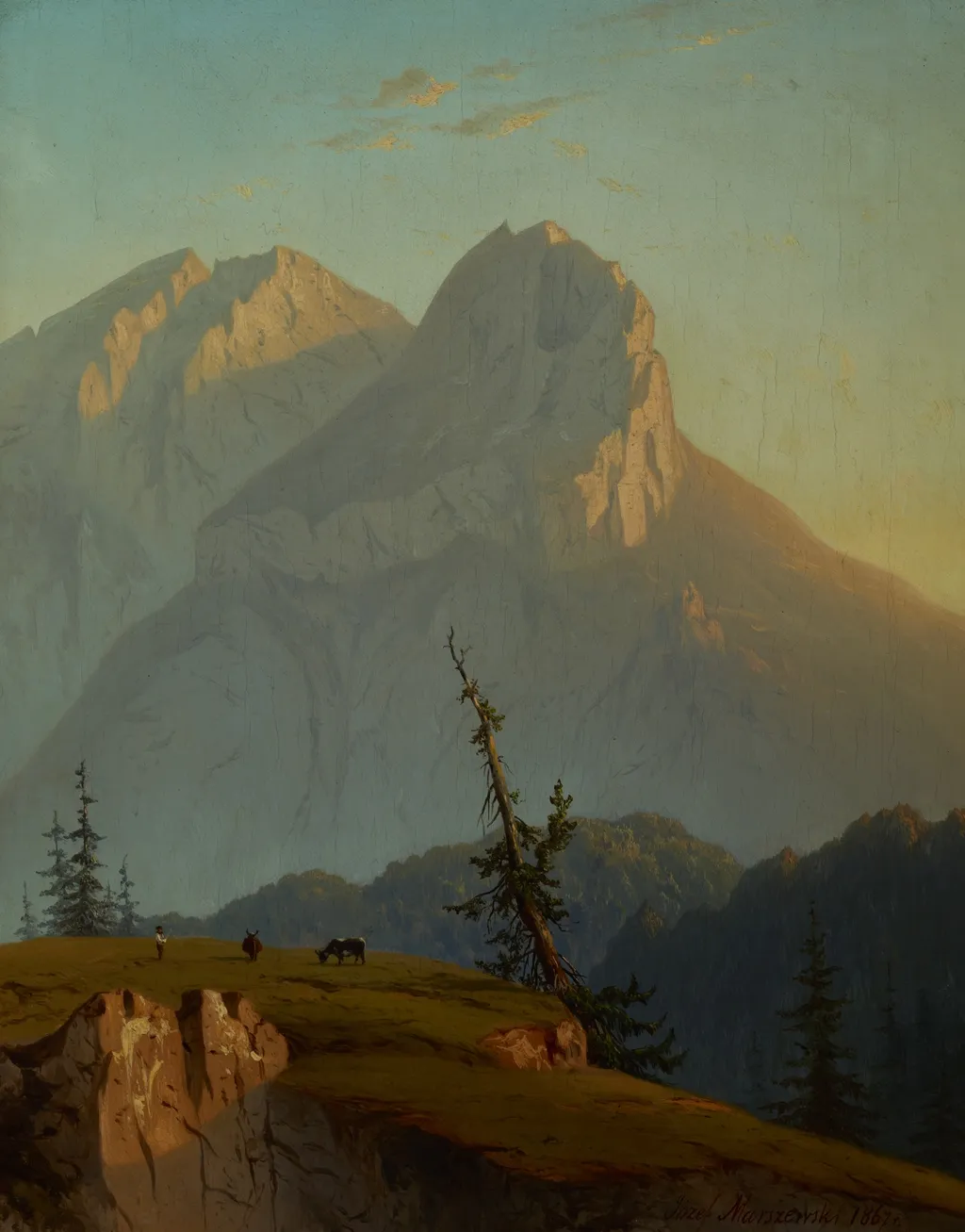
Mount Murań in the Tatra Mountains at Sunrise is an oil painting by Józef Marszewski. It dates from 1867 and is held in the collection of the National Museum in Kraków.
About this work
Overview
The work is part of the National Museum in Kraków’s collection, reflecting its significance in 19th-century Polish artistic circles.
Painted in 1867 by Józef Marszewski, this oil on canvas depicts Mount Murań in the Tatra Mountains at daybreak. Marszewski, trained at the Imperial Academy of Arts in St. Petersburg, was among Polish-Lithuanian artists who turned to landscape as a vehicle for quiet observation. The work is part of the National Museum in Kraków’s collection, reflecting its significance in 19th-century Polish artistic circles.
Subject & Meaning
The scene captures a solitary mountain peak illuminated by early sunlight, with mist clinging to lower slopes and sparse trees framing the foreground. A tiny human figure in the distance suggests scale and solitude rather than narrative. The composition avoids drama, instead emphasizing stillness and the subtle transition from night to day, evoking contemplation of nature’s quiet grandeur.
Technique & Style
Marszewski employed layered oil glazes to render the mountain’s rocky surfaces and the atmospheric haze. Light is carefully modulated to define form without harsh contrast, favoring soft transitions between shadow and sunlit areas. The brushwork is precise yet unobtrusive, prioritizing tonal harmony over texture for its own sake, aligning with academic landscape traditions of the time.
History & Provenance
Created after Marszewski’s studies in St. Petersburg and travels across Europe, the painting reflects his mature style. It entered the National Museum in Kraków’s holdings in the late 19th or early 20th century, likely through acquisition or donation by a Polish cultural institution. Its preservation underscores its role in documenting regional landscapes during a period of national cultural revival.
Context
In the mid-19th century, Polish artists increasingly turned to native landscapes as expressions of identity under foreign partitions. The Tatra Mountains, though remote, became symbolic of natural resilience. Marszewski’s work aligns with this trend, offering a restrained, observational approach distinct from romanticized or heroic depictions common elsewhere in Europe.
Legacy
Though not widely exhibited beyond Poland, the painting remains a representative example of academic landscape painting from the Polish-Lithuanian tradition. It contributes to a broader understanding of how regional artists engaged with nature not as spectacle, but as a subject of quiet reverence, influencing later generations focused on environmental and spatial authenticity.
Own this work as a print
Artist & collection
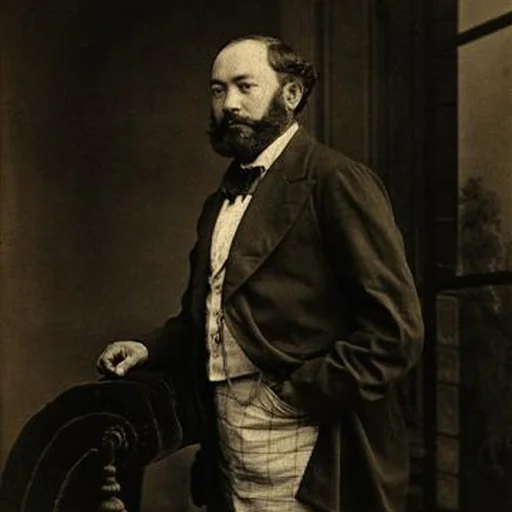
Artist
Józef Marszewski (Lithuanian: Juozapas Marševskis, Russian: Иосиф Иванович Маршевский; c.