Artwork
Jan Lutma (1584/85-1669). Amsterdam silversmith
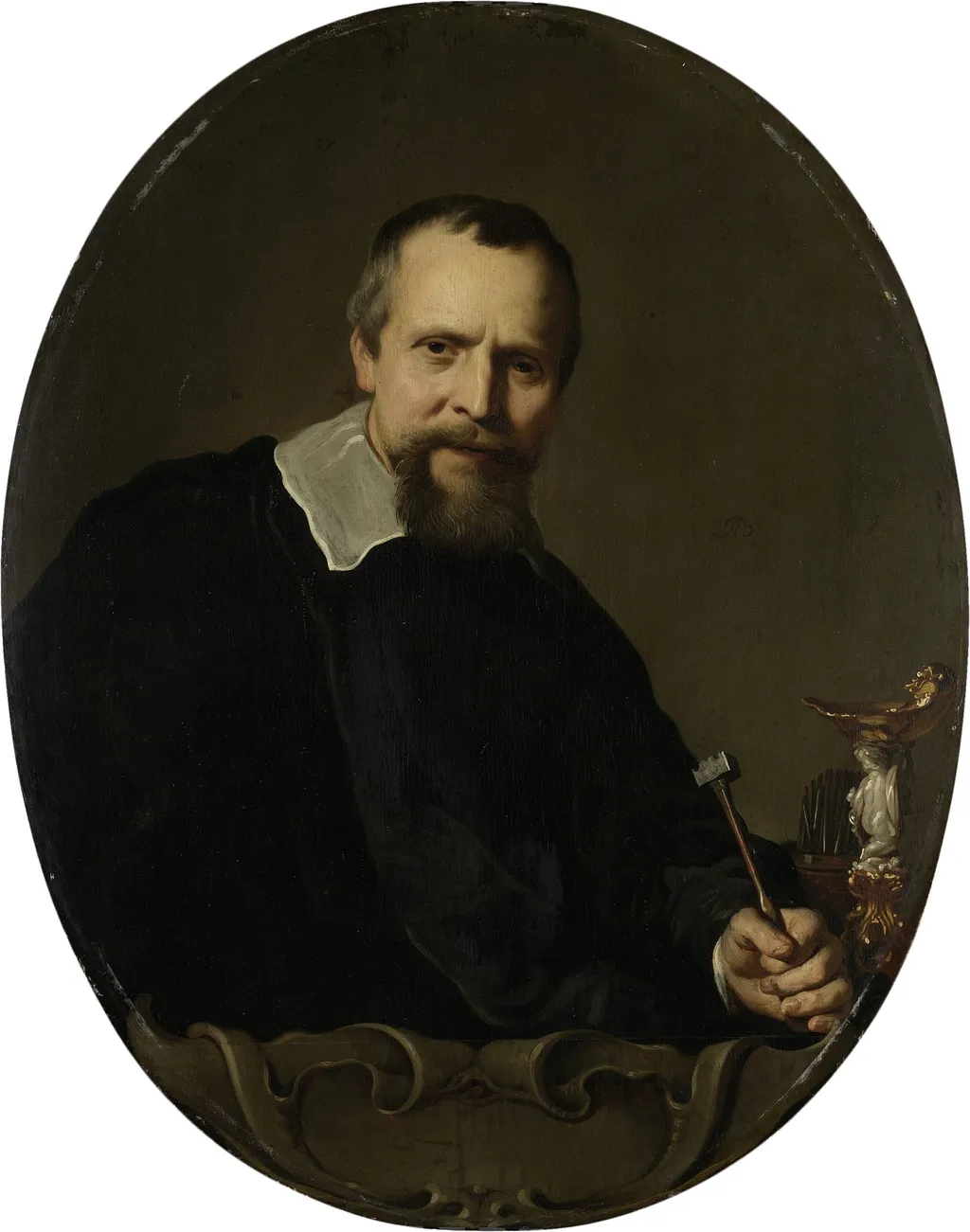
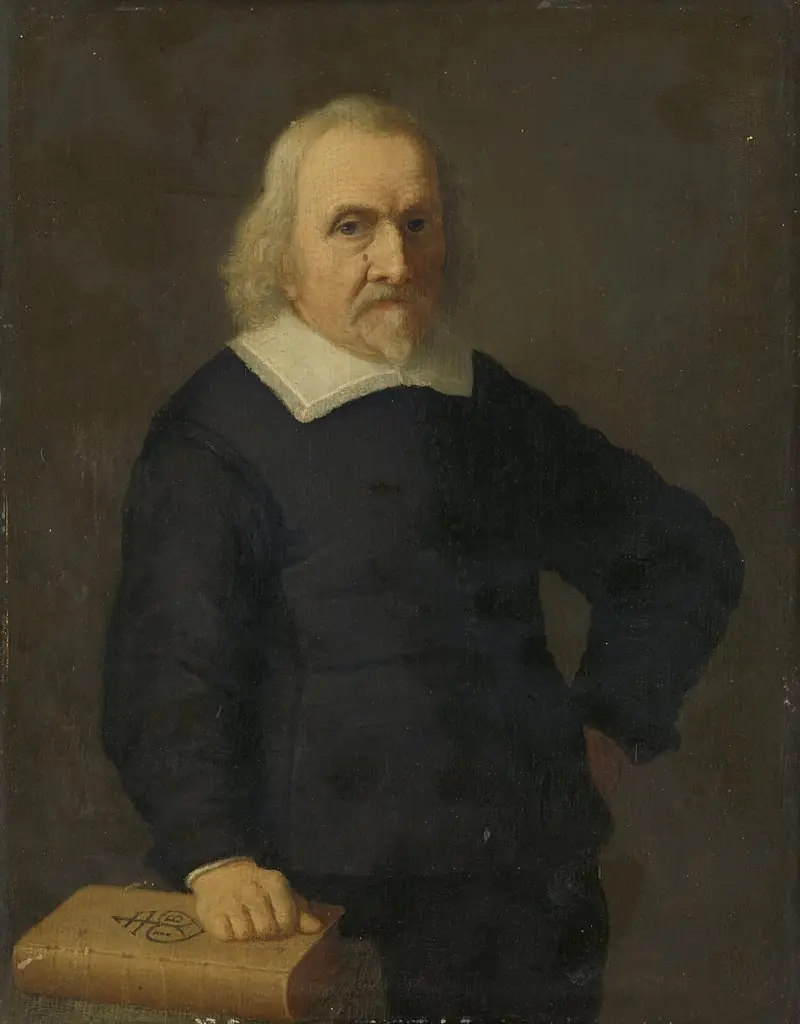
Jan Lutma (1584/85-1669). Amsterdam silversmith is an oil painting by the Dutch Golden Age artist Jacob Adriaensz Backer. It dates from 1644 and is held in the collection of the Rijksmuseum.
About this work
Overview
In 1644 Jacob Adriaensz Backer executed an oil portrait of the Amsterdam silversmith Johannes Lutma. Executed during the Dutch Golden Age, the work exemplifies the period’s focus on realistic, individualized representation. The painting is part of the Rijksmuseum’s collection, where it remains on display as a testament to the era’s portraiture.
Subject & Meaning
The sitter, Johannes Lutma (1584/85–1669), was a leading figure in Amsterdam’s metal‑working community. He is shown with a hammer and a fragment of metal in his right hand, while his left rests on a gleaming, elaborately decorated cup, symbols of his craft and status. The direct gaze and sober expression convey the dignity of a master artisan.
Technique & Style
Backer employs a pronounced chiaroscuro, lighting the face, hands and objects against a deep, muted backdrop. This contrast heightens the three‑dimensionality of the figure and the reflective surfaces of the metalwork. The brushwork is smooth and controlled, reflecting the influence of Rubens and Bloemaert while adhering to Dutch realist conventions.
History & Provenance
After its creation, the portrait entered private collections before being acquired by the Rijksmuseum, where it has been conserved as part of the museum’s Dutch Golden Age holdings. Its attribution to Backer rests on stylistic analysis and documentary evidence linking the artist to Lutma’s workshop.
Artist & collection
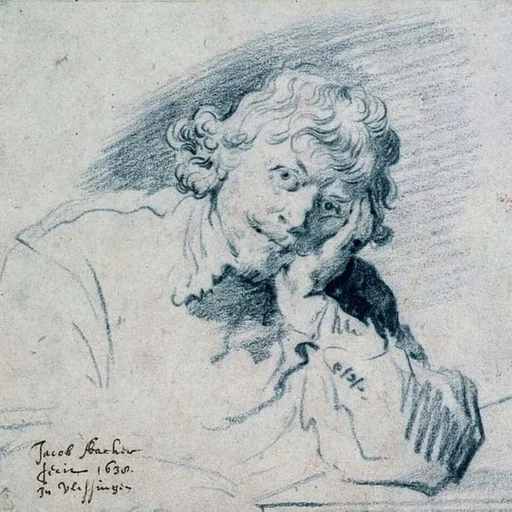
Artist
Jacob Adriaensz Backer (1608 – 27 August 1651) was a Dutch Golden Age painter. He produced about 140 paintings in twenty years, including portraits, religious subjects, and mythological paintings. In his style, he was…

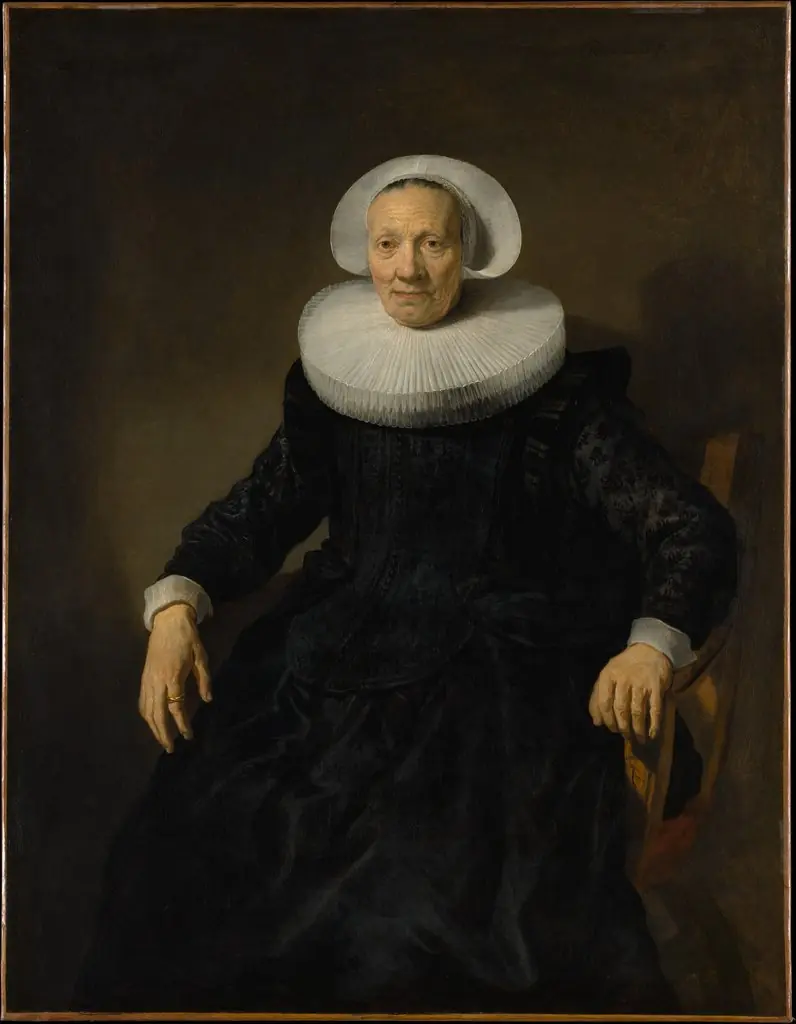 Old Woman in an Armchair
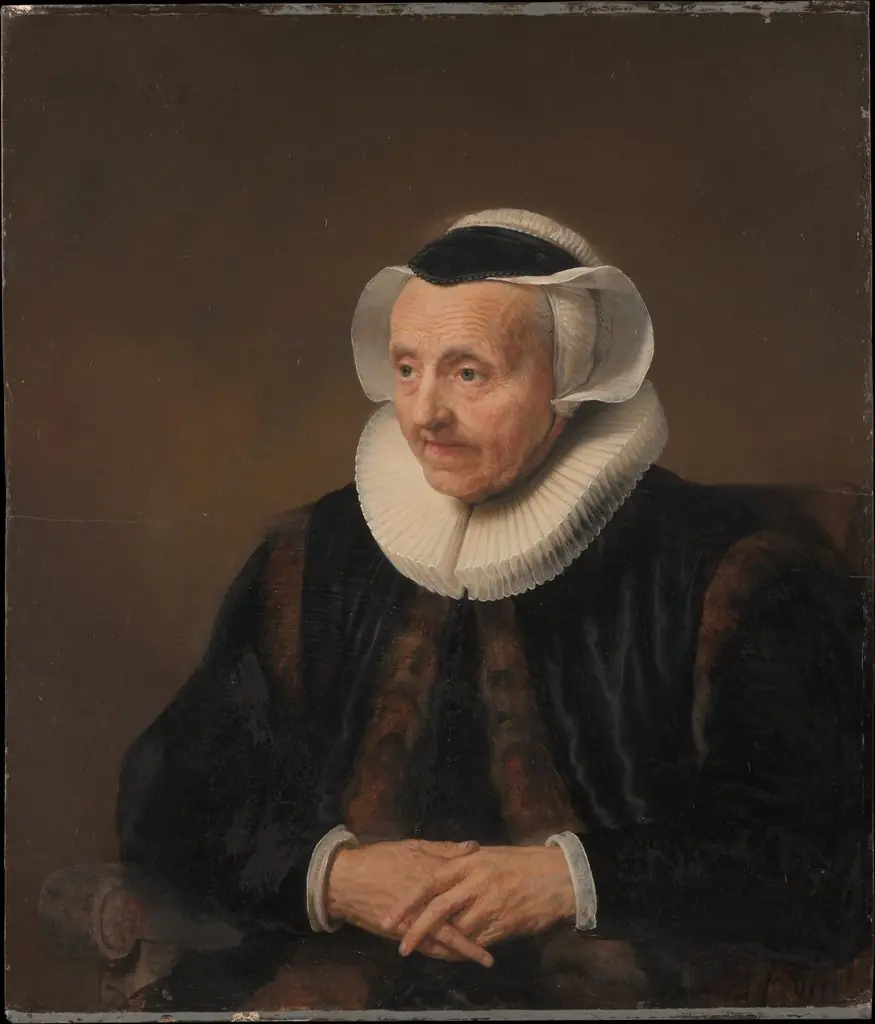 Portrait of an Old Woman
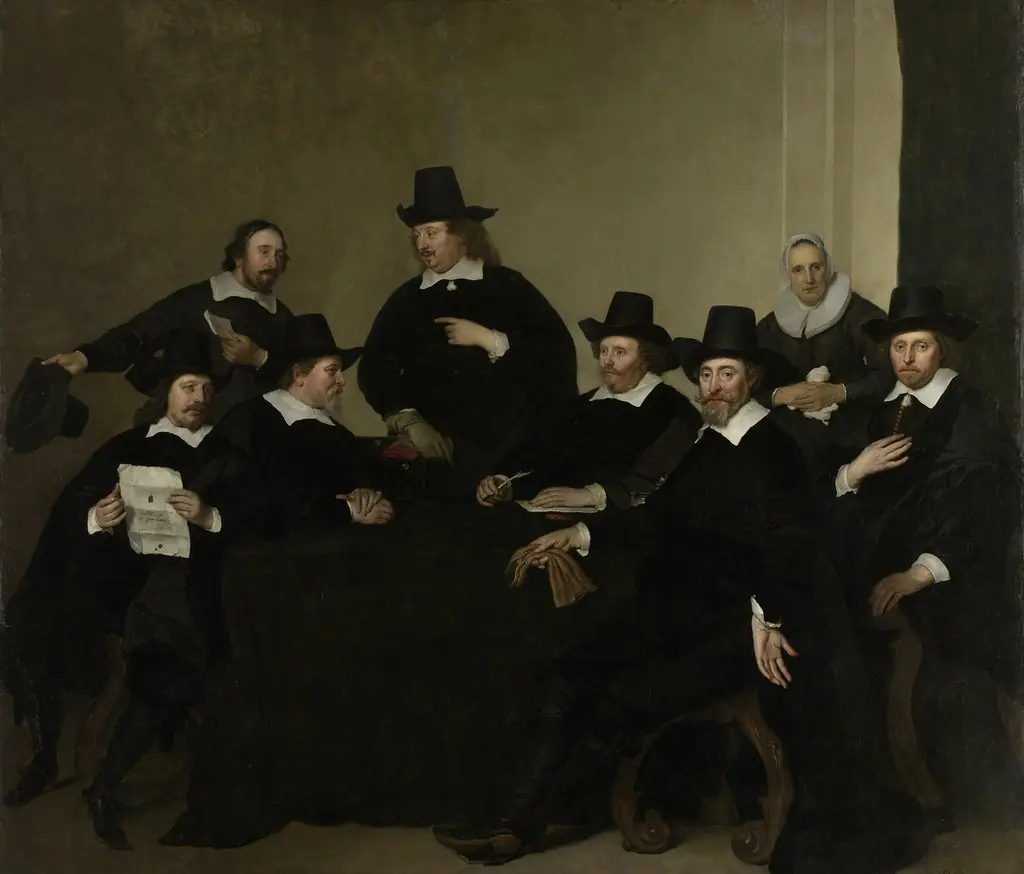 The regents of the Nieuwe Zijds institute for the outdoor relief of the poor, Amsterdam, ca 1650
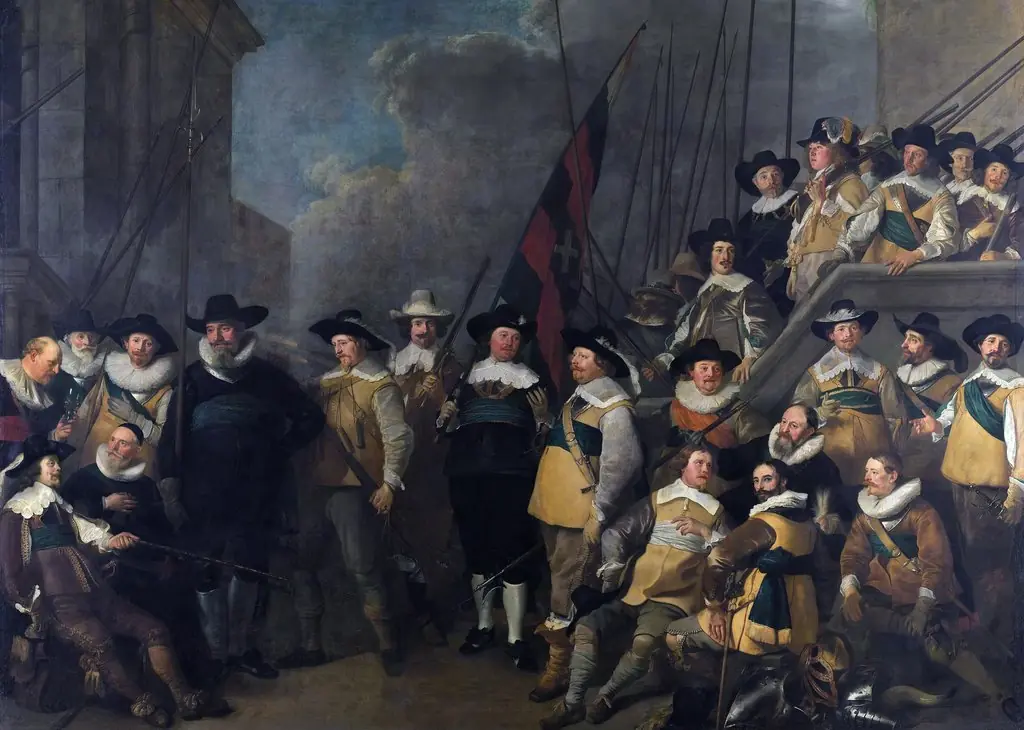 Officers and other Civic Guardsmen of the V District in Amsterdam under the command of Captain Cornelis de Graeff and Lieutenant Hendrick Lauwrensz
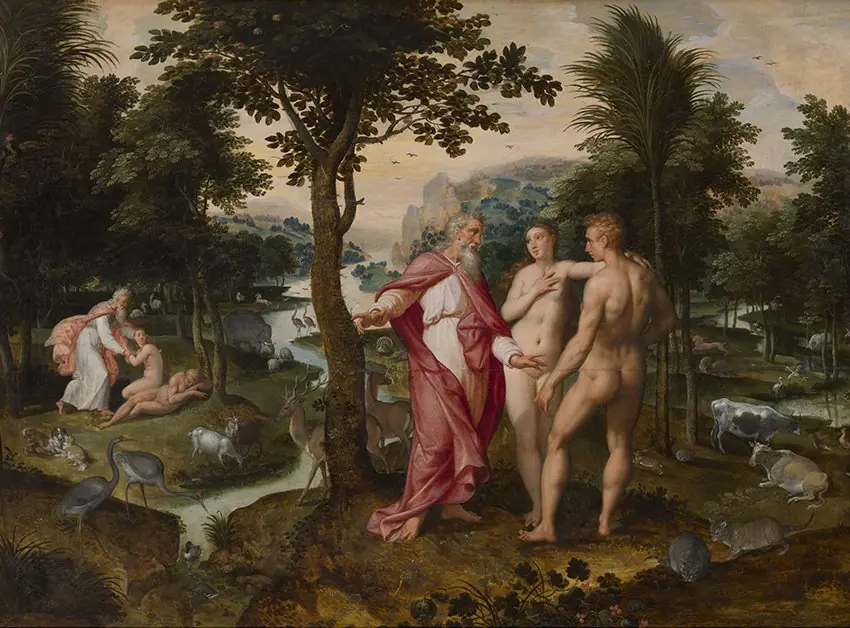 The Garden of Eden
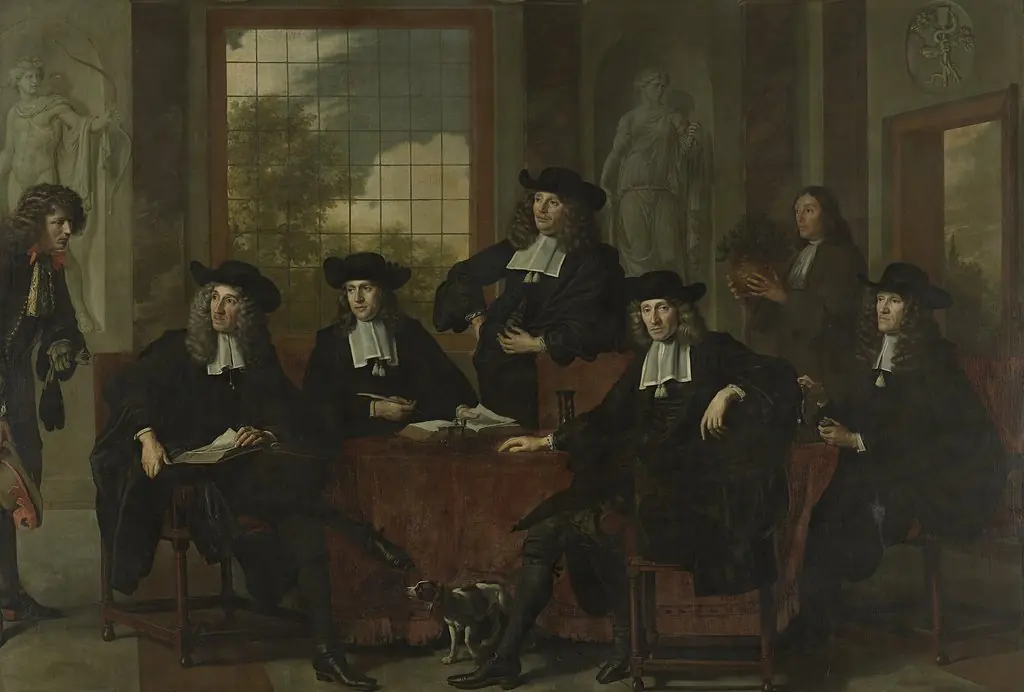 The superintendents of the Collegium Medicum in Amsterdam
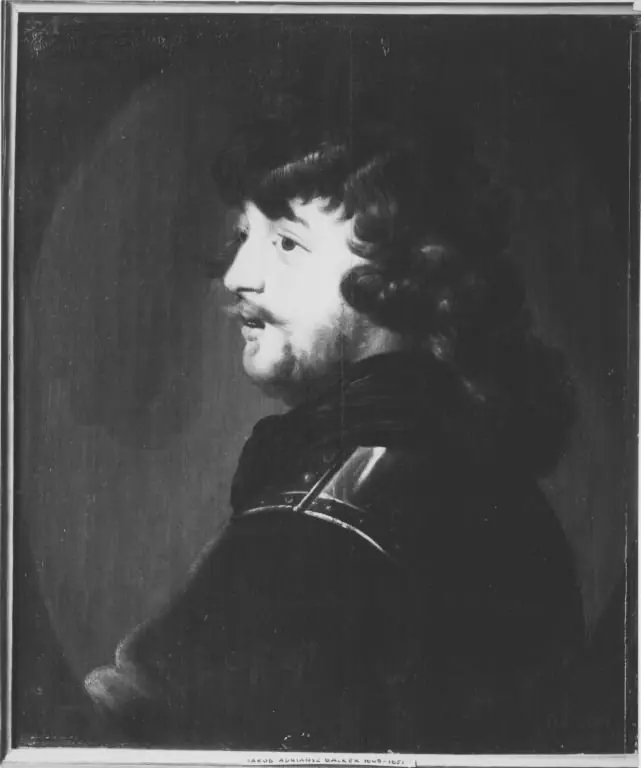 Portrait of a man in armor (self-portrait)
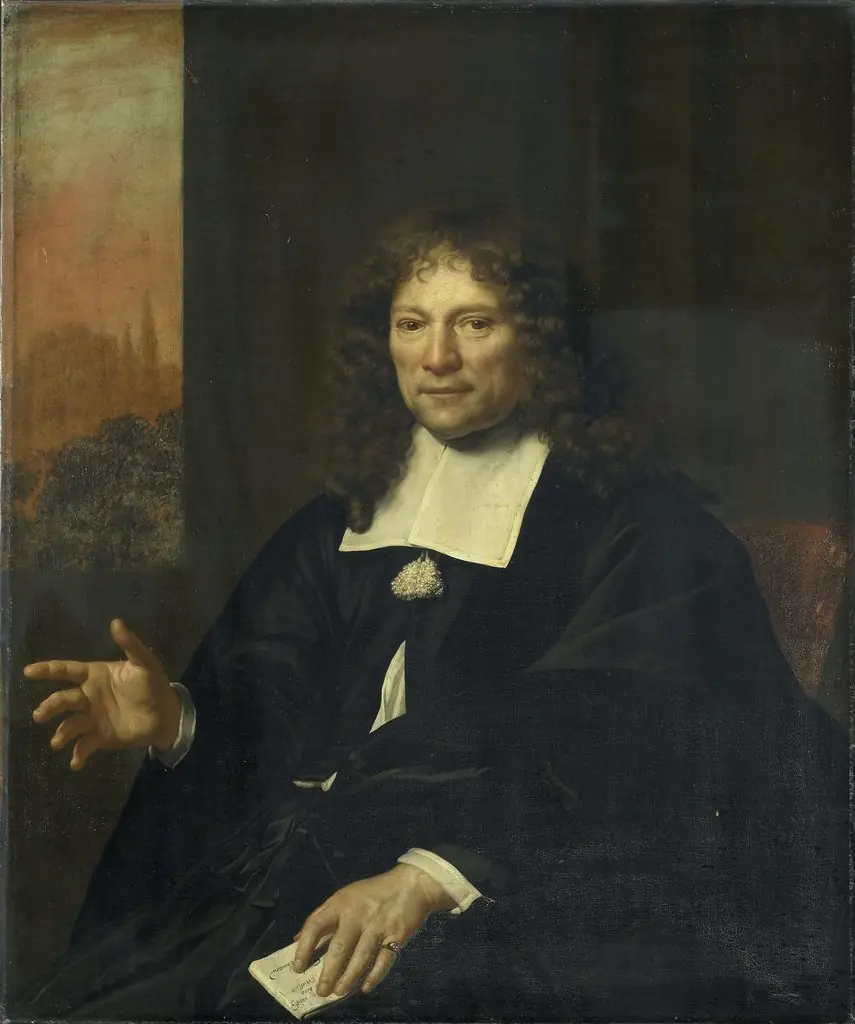 Portrait of Daniel Nellius, elder of the Remonstrant church and sampling official of Alkmaar