Artwork
Cupid and Psyche
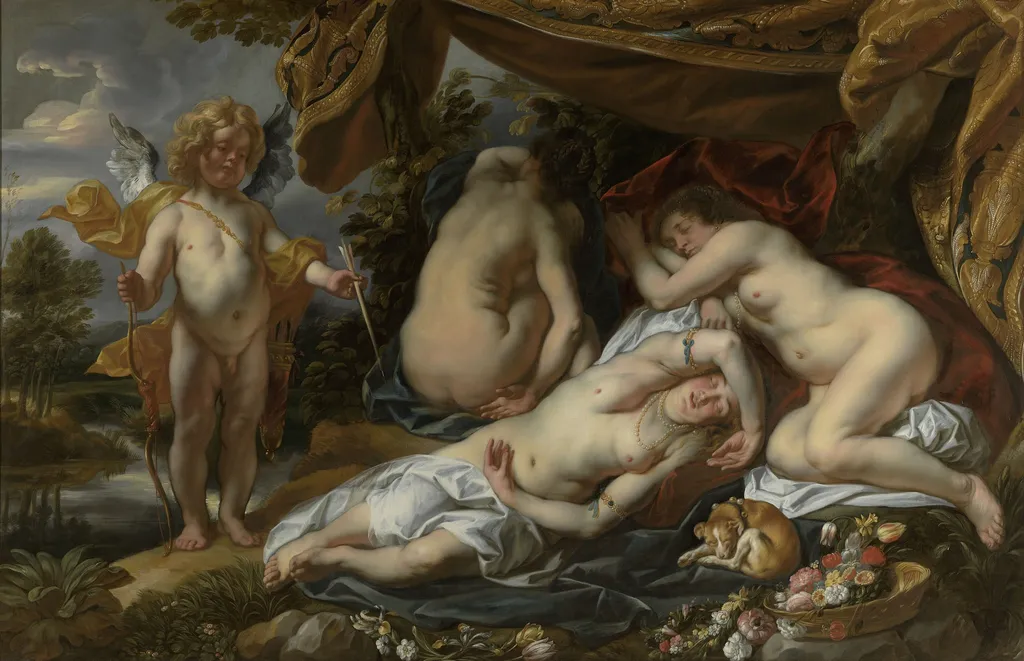
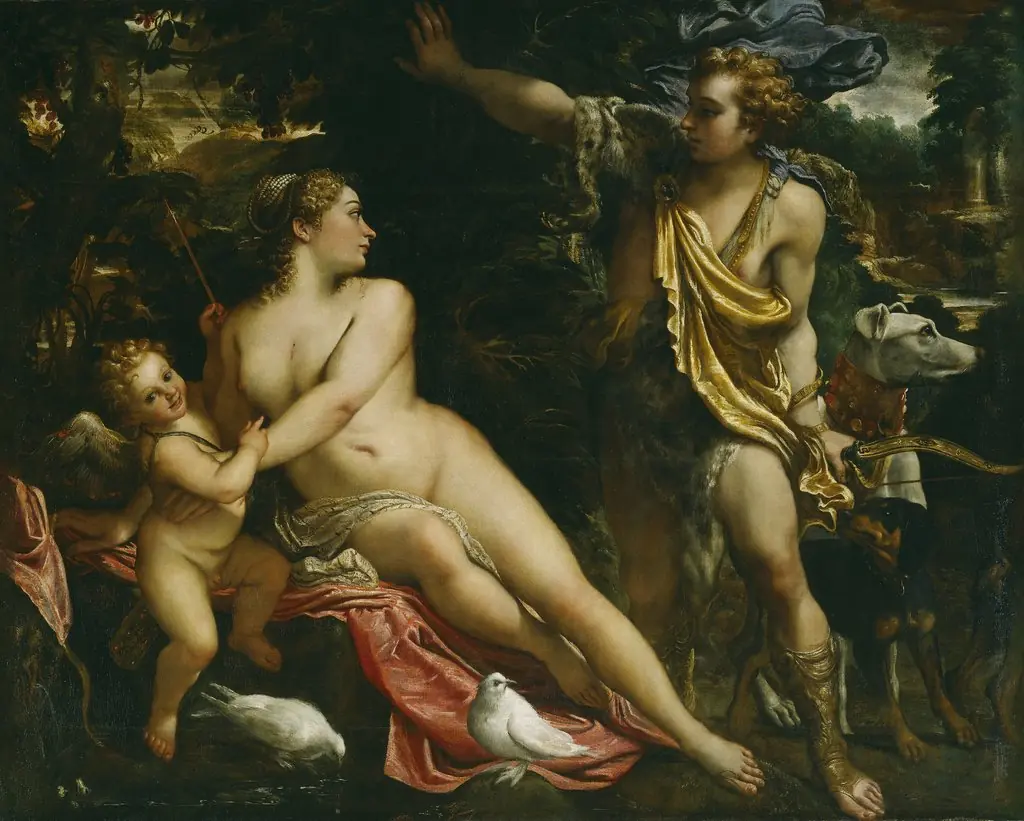
Cupid and Psyche is an oil painting by the Flemish Baroque painting artist Jacob Jordaens. It dates from 1650 and is held in the collection of the Royal Museum of Fine Arts Antwerp.
About this work
Overview
Created circa 1650, this Flemish Baroque oil work portrays the mythic lovers Cupid and Psyche in an intimate, outdoor setting.
Created circa 1650, this Flemish Baroque oil work portrays the mythic lovers Cupid and Psyche in an intimate, outdoor setting. The composition centers on three nude figures: a reclining woman, a second woman leaning toward her, and a small winged child holding a staff, all surrounded by delicate foliage and a sleeping dog. The scene is rendered with a soft, atmospheric light that emphasizes the forms and creates a sense of gentle repose.
Subject & Meaning
The painting visualizes the ancient tale of Cupid, the god of desire, and Psyche, the mortal whose love transcends trials. Here, Psyche appears in a half-sleeping posture, while a companion—perhaps a personified virtue or a narrative figure—leans over her, suggesting protection or awakening. The winged boy, a putto, traditionally symbolizes playful or mischievous forces, adding a layer of youthful exuberance to the otherwise tender moment.
Technique & Style
Executed in oil on canvas, the work demonstrates Jordaens’s characteristic Baroque dynamism through vigorous brushwork and a luminous palette. The handling of light creates a subtle modeling of the bodies, giving them a near‑sculptural presence. Atmospheric effects, such as the diffused glow on the skin and the delicate rendering of surrounding flora, enhance the dreamlike quality typical of Flemish mythological scenes.
History & Provenance
The canvas belongs to the oeuvre of Jacob Jordaens, a prominent Antwerp painter renowned for his mythological and religious subjects. After remaining in private hands for several centuries, the painting entered the collection of the Royal Museum of Fine Arts in Antwerp, where it is displayed as part of the museum’s Baroque holdings.
Context
During the mid‑17th century, Flemish artists frequently revisited classical narratives, integrating them with contemporary aesthetic ideals. Jordaens, a contemporary of Rubens, often employed robust figures and vibrant color schemes to reinterpret ancient myths. The inclusion of a putto aligns with a broader European tradition in which such cherubic figures serve as symbols of love, innocence, or divine intervention within mythological compositions.
Own this work as a print
Artist & collection
Artist
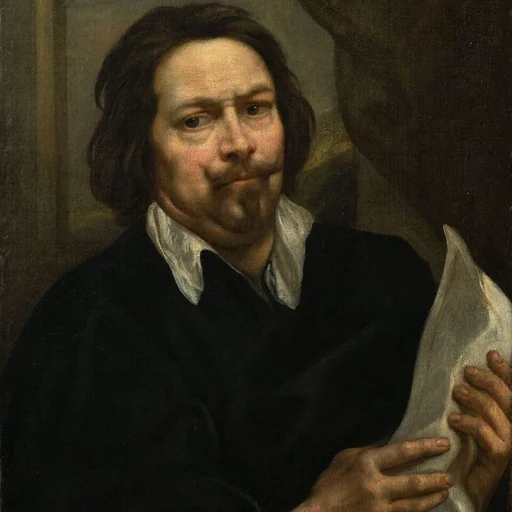
Jacques (Jacob) Jordaens (19 May 1593 – 18 October 1678) was a Flemish painter, draughtsman and a designer of tapestries and prints.

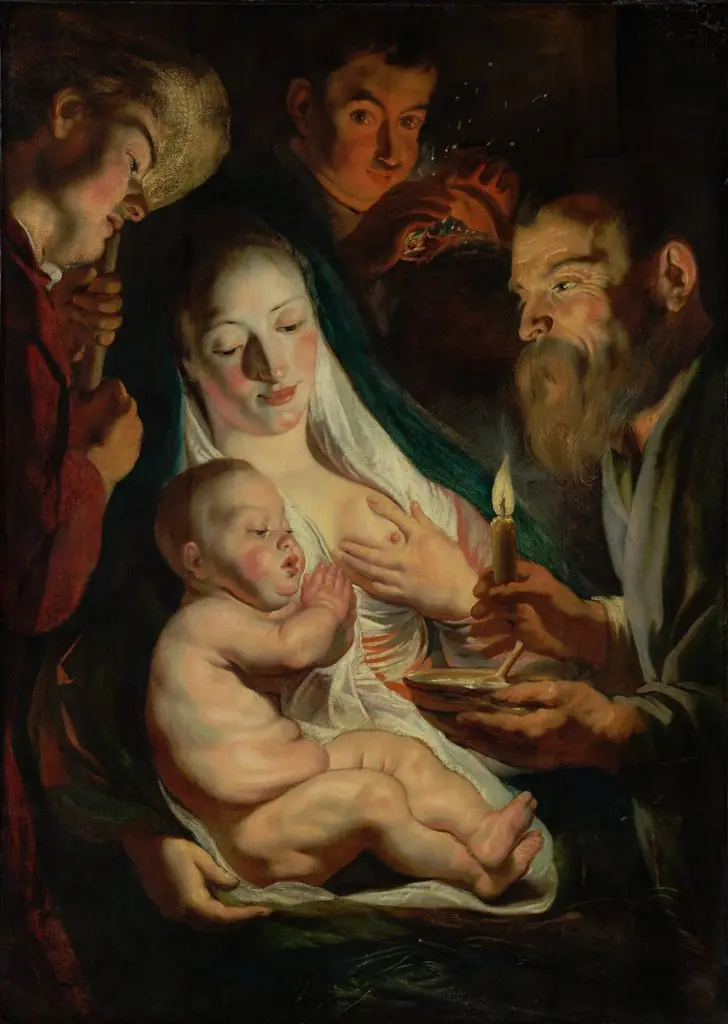 The Holy Family with Shepherds
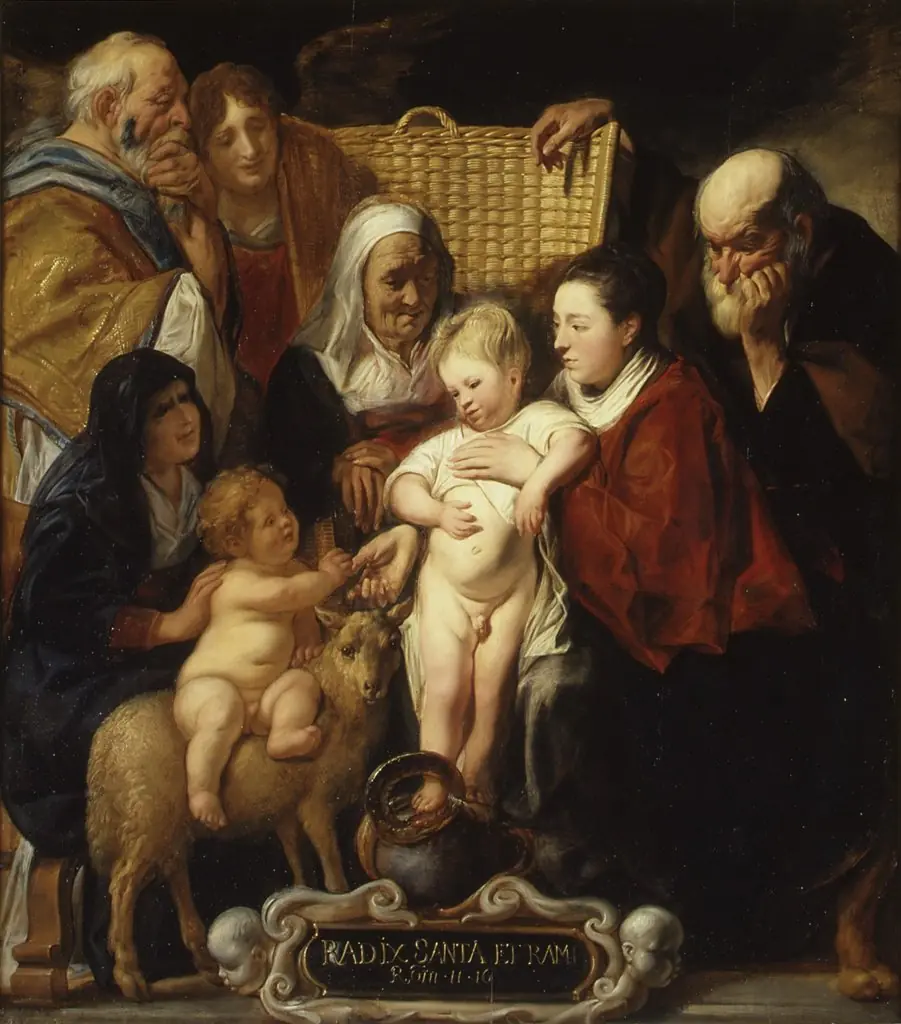 The Holy Family with Saint Anne and the Young Baptist and His Parents
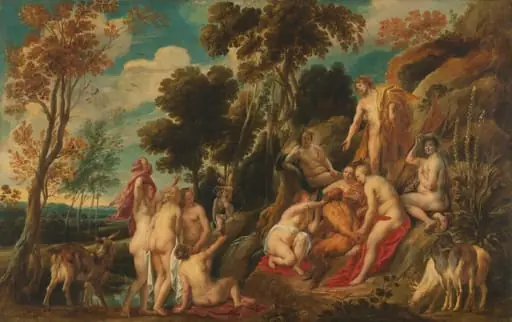 Untitled
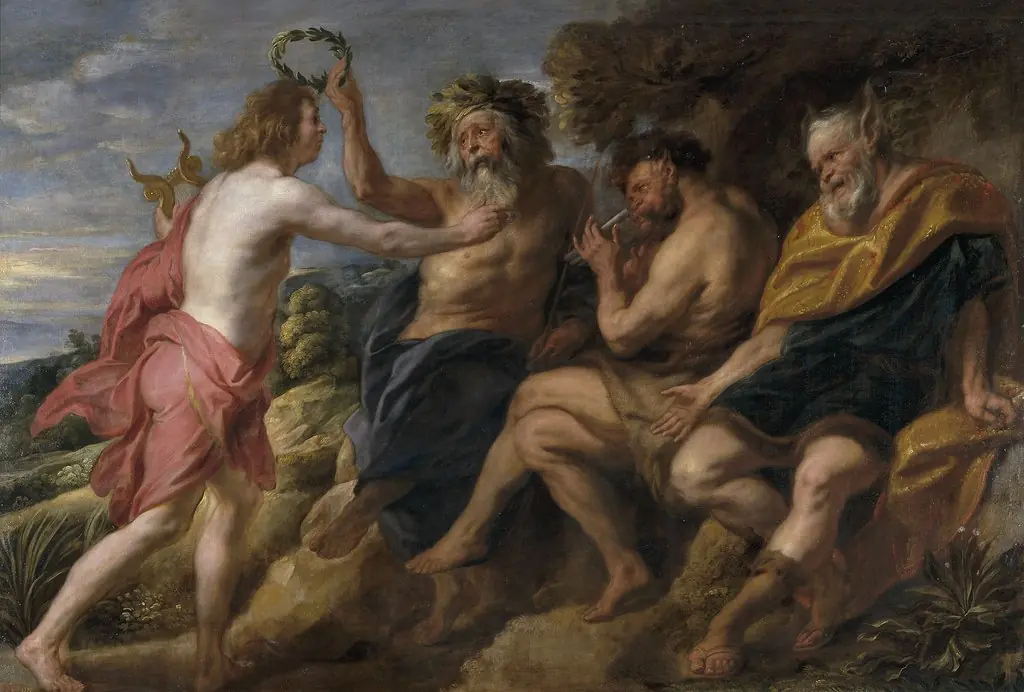 Apollo as Victor over Pan
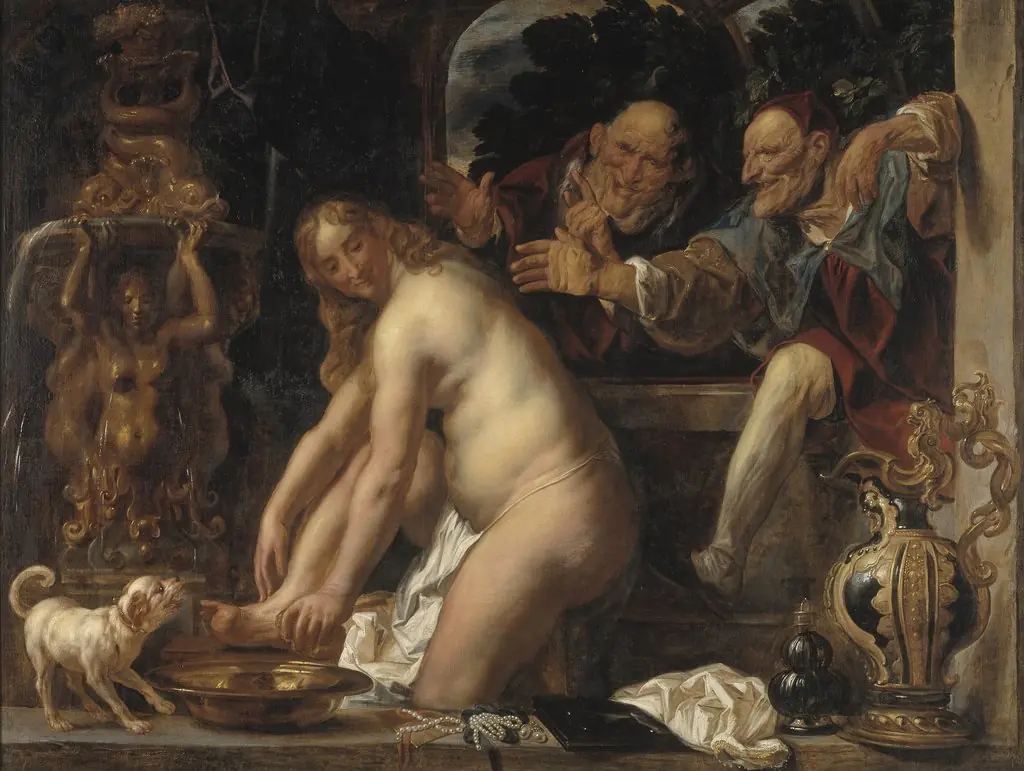 Susanna and the Elders
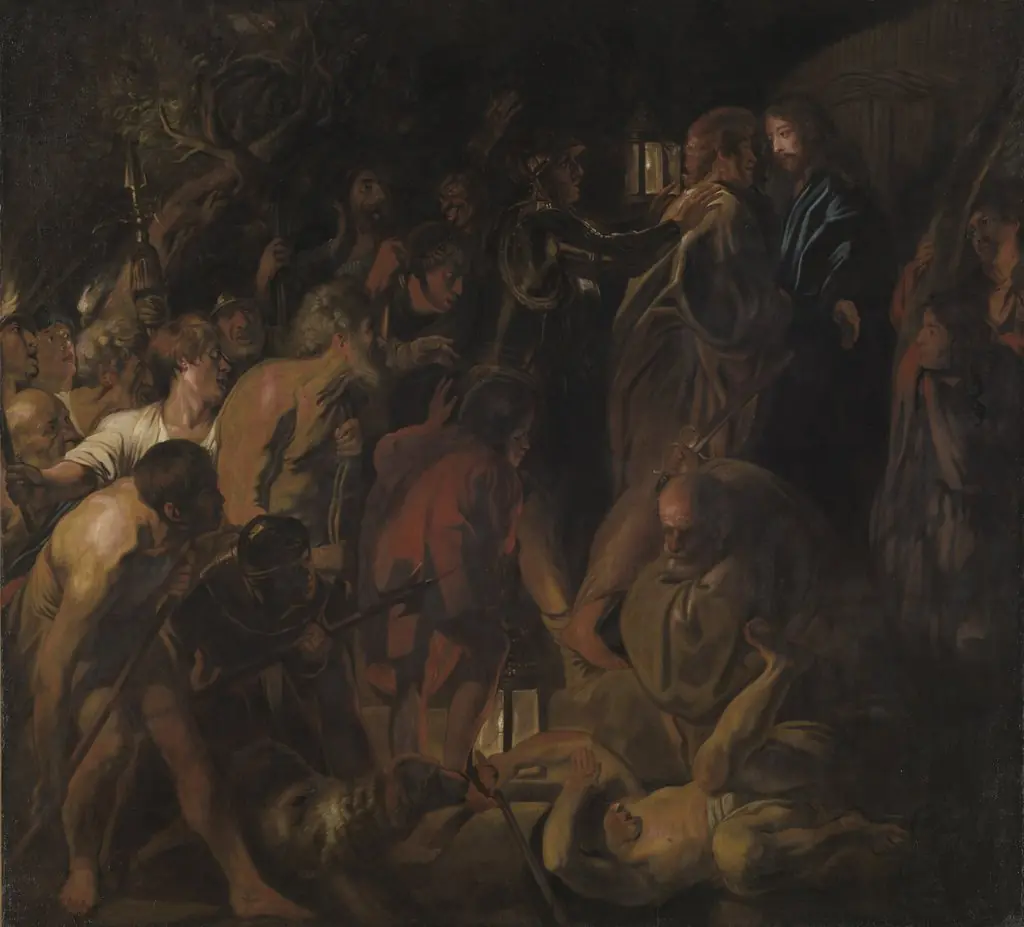 The Betrayal of Christ
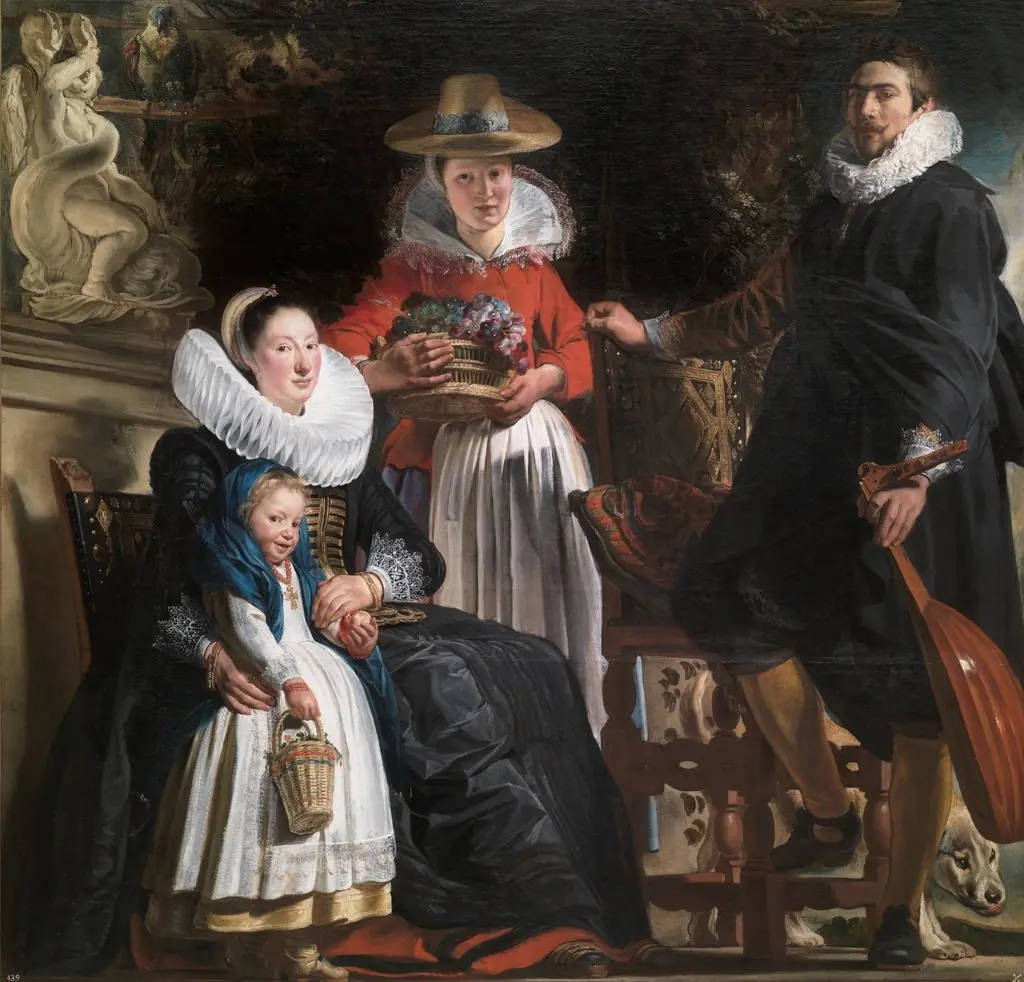 Portrait of the artist with his family
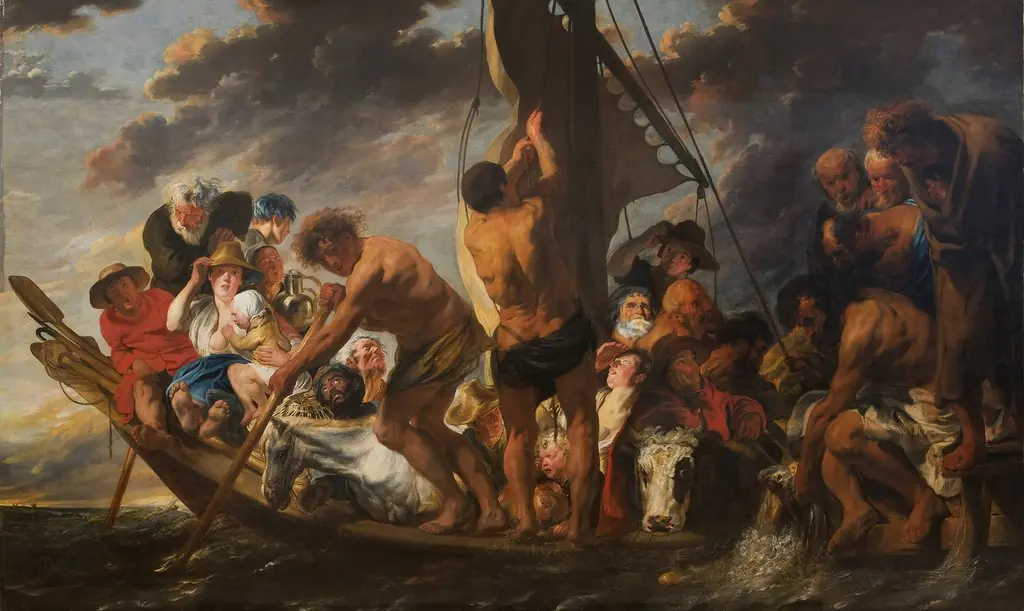 The Tribute Money. Peter Finding the Silver Coin in the Mouth of the Fish. Also called "The Ferry Boat to Antwerp"
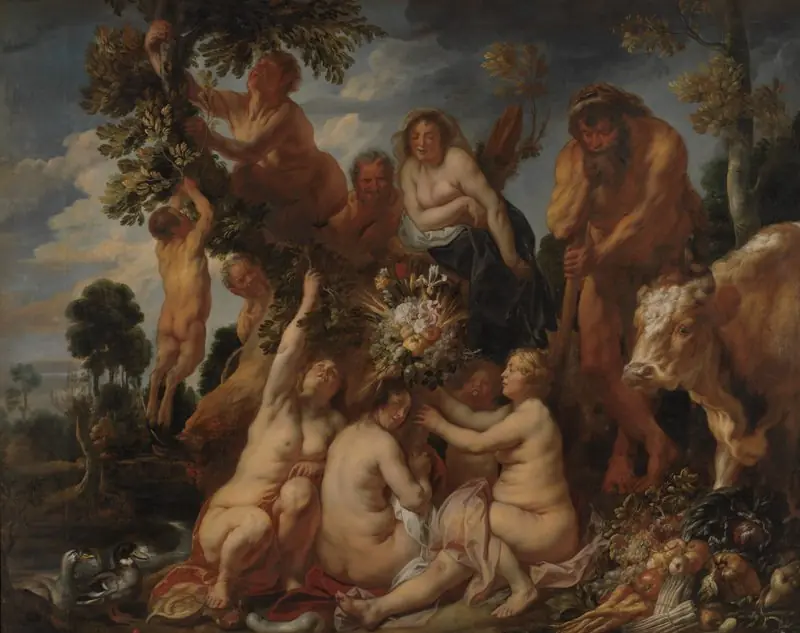 Achelous Defeated by Hercules. The Origin of the Cornucopia. (Allegory of Fruitfulness)
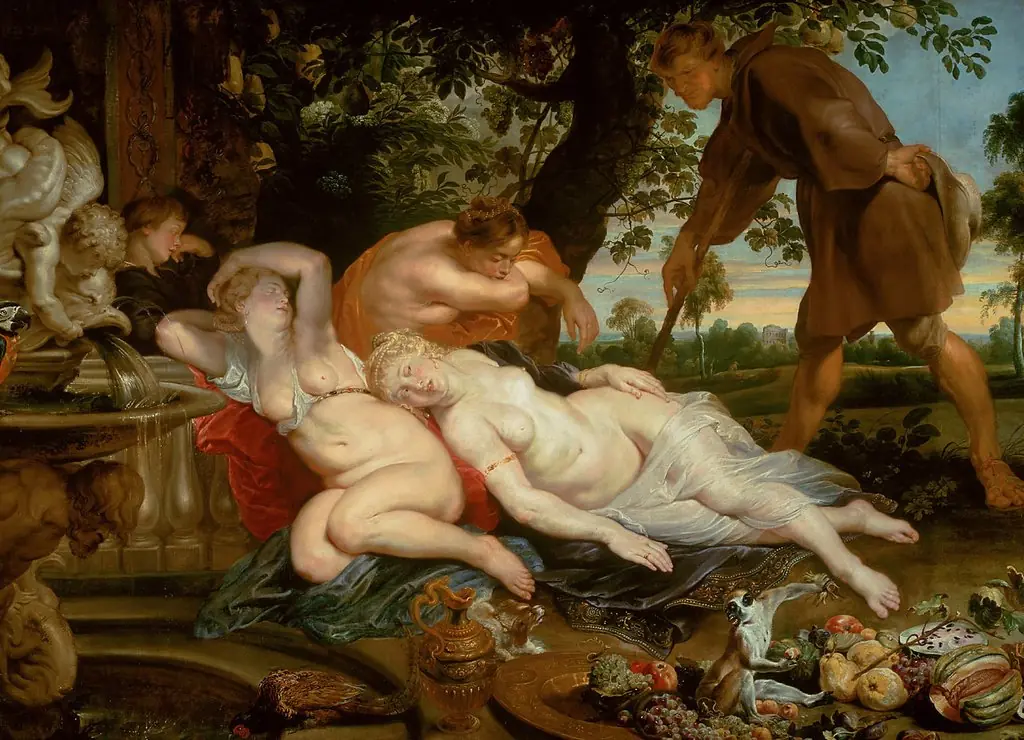 Cimone and Efigenia
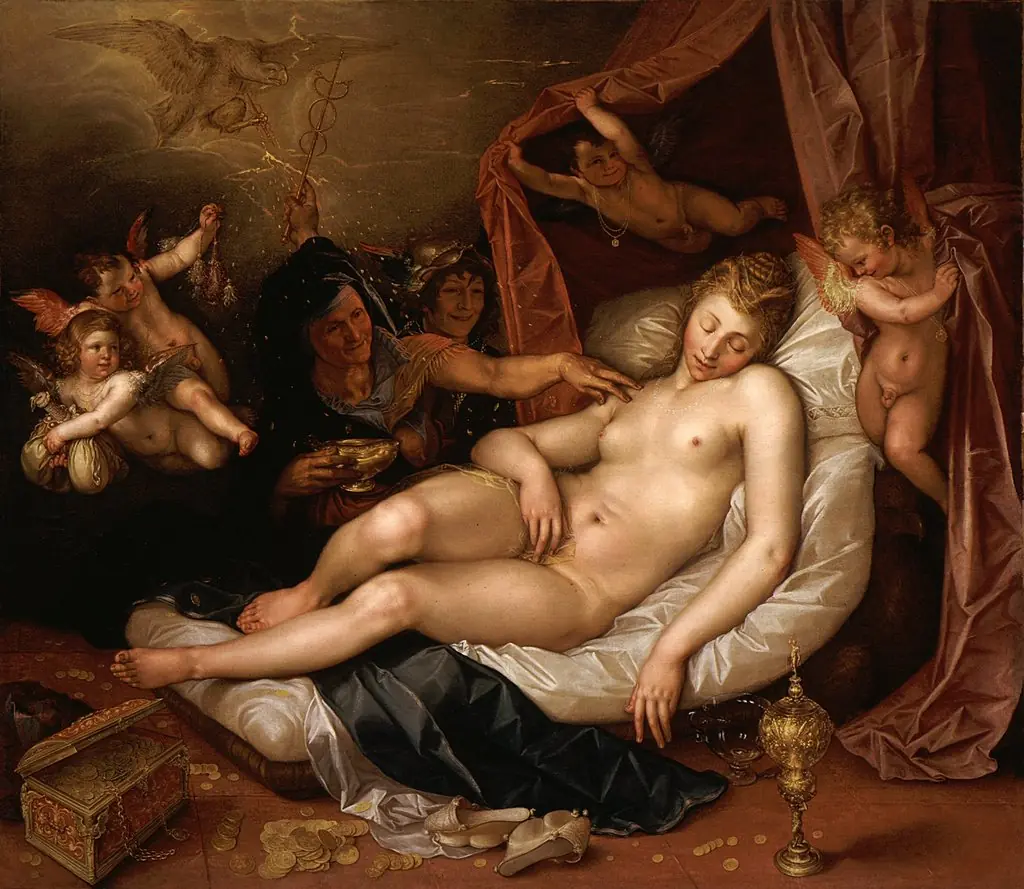 The Sleeping Danae Being Prepared to Receive Jupiter
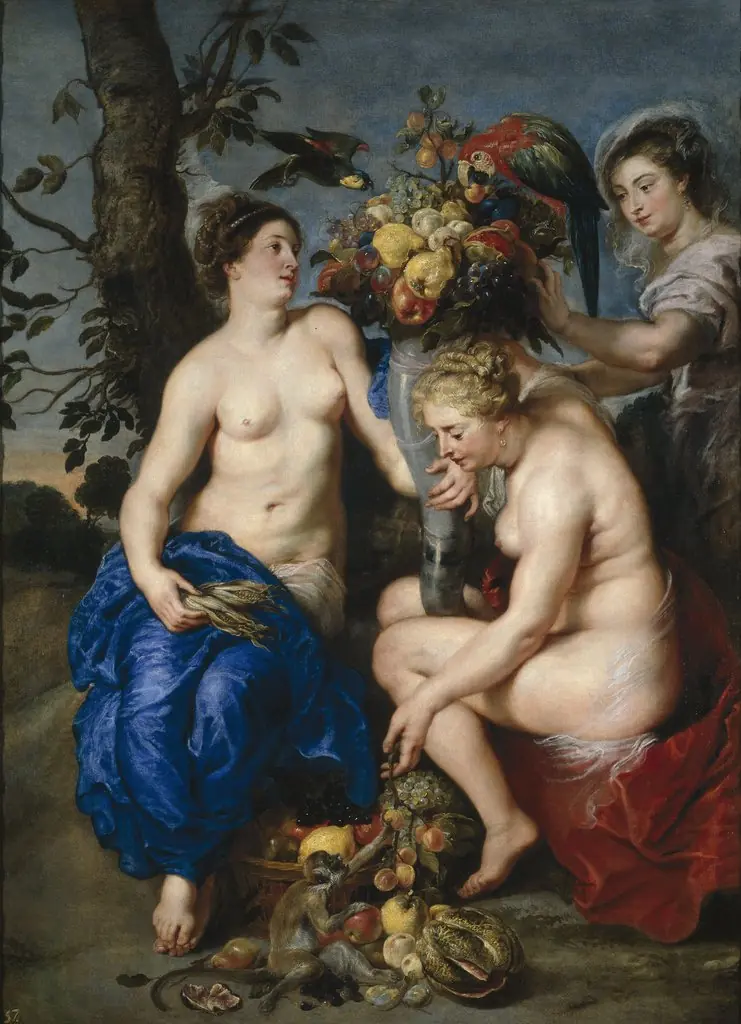 Ceres and Two Nymphs
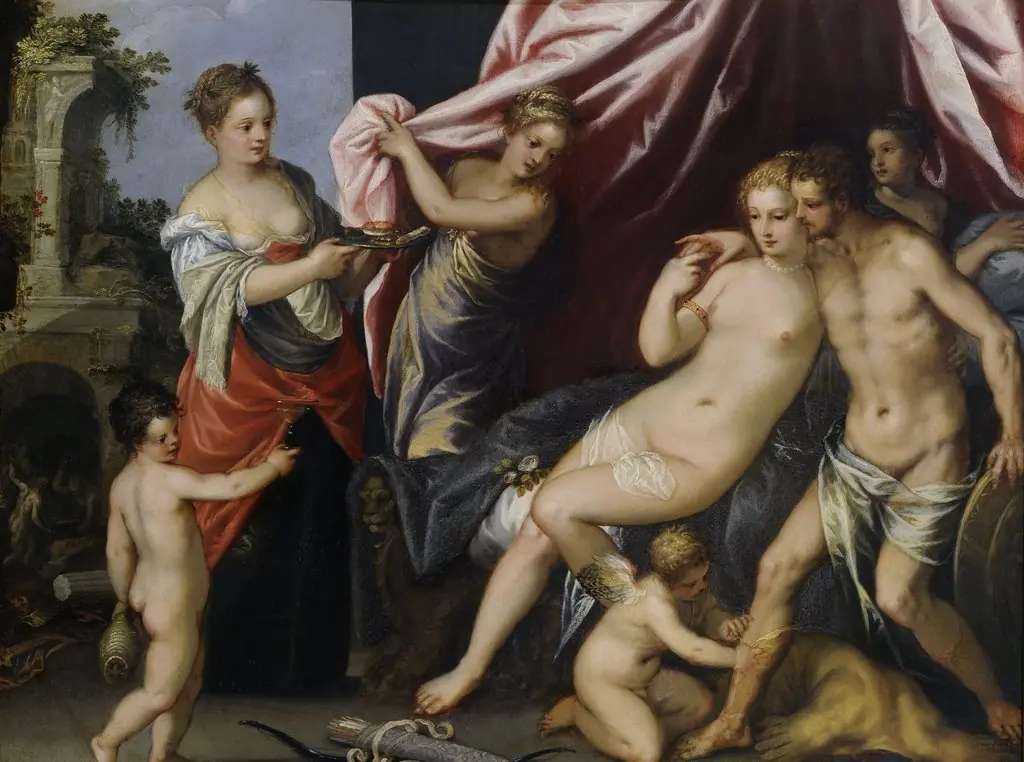 Venus and Mars
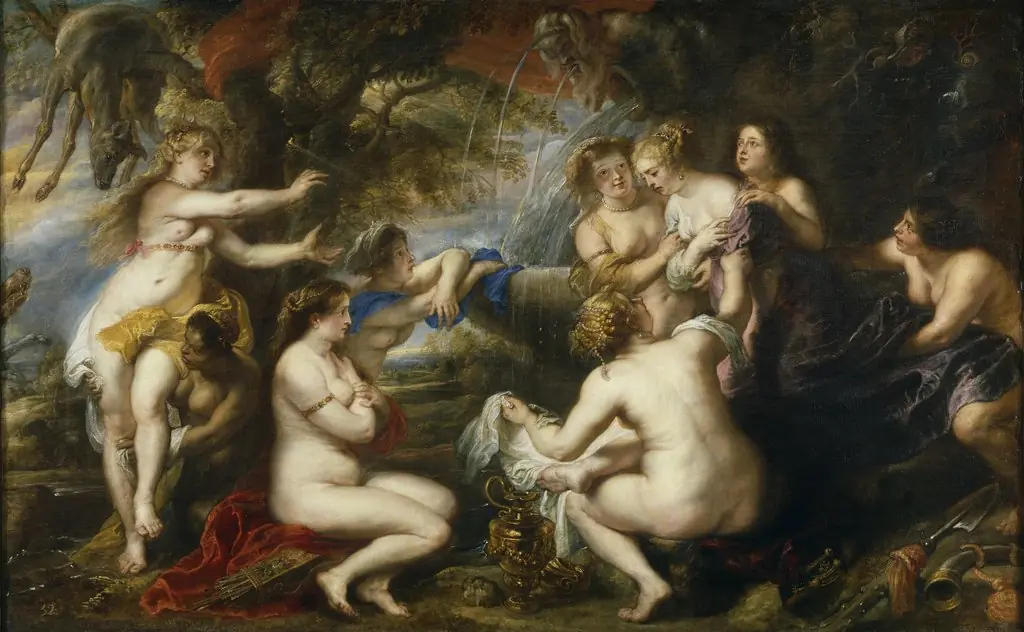 Diana and Callisto
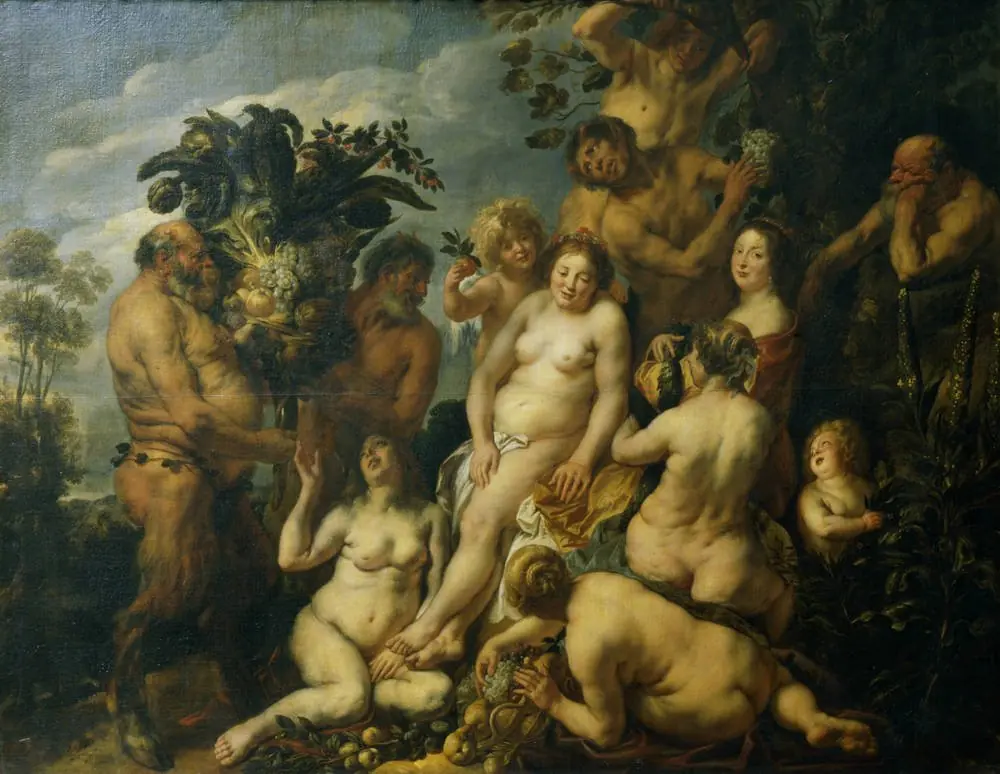 Allegory of Fertility
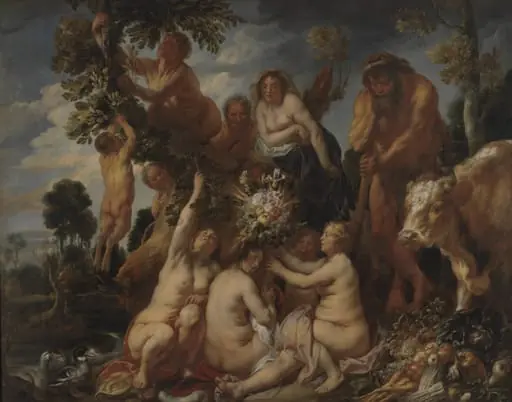 Achelous Defeated by Hercules. The Origin of the Cornucopia. (Allegory of Fruitfulness)
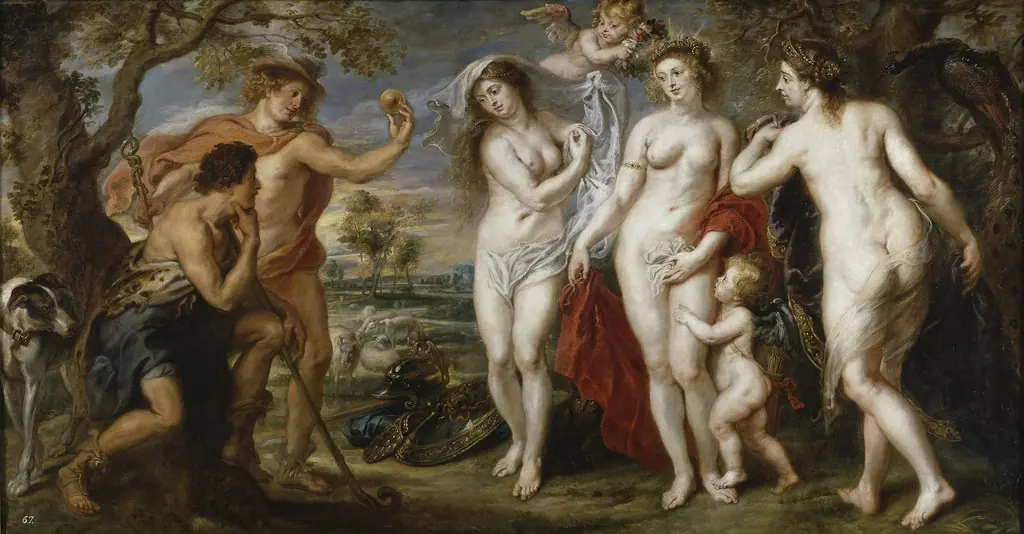 The Judgement of Paris
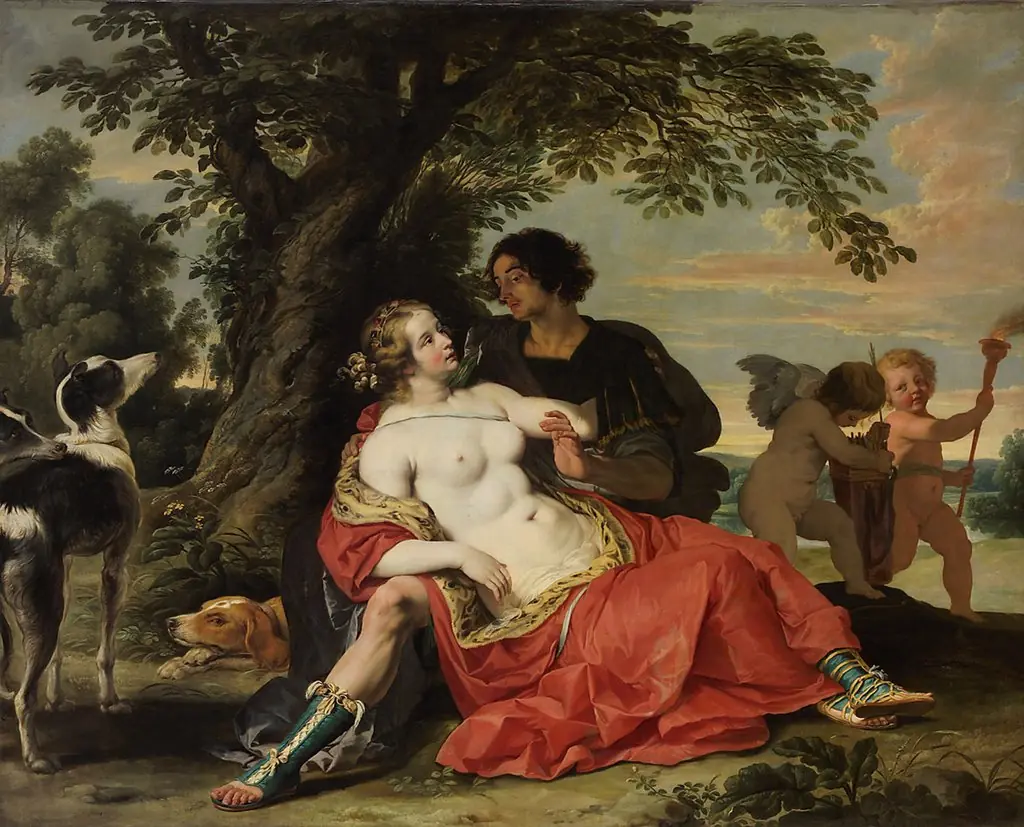 Venus   and  Adonis
 Venus, Adonis and Cupid