Artwork
A Bleaching Field
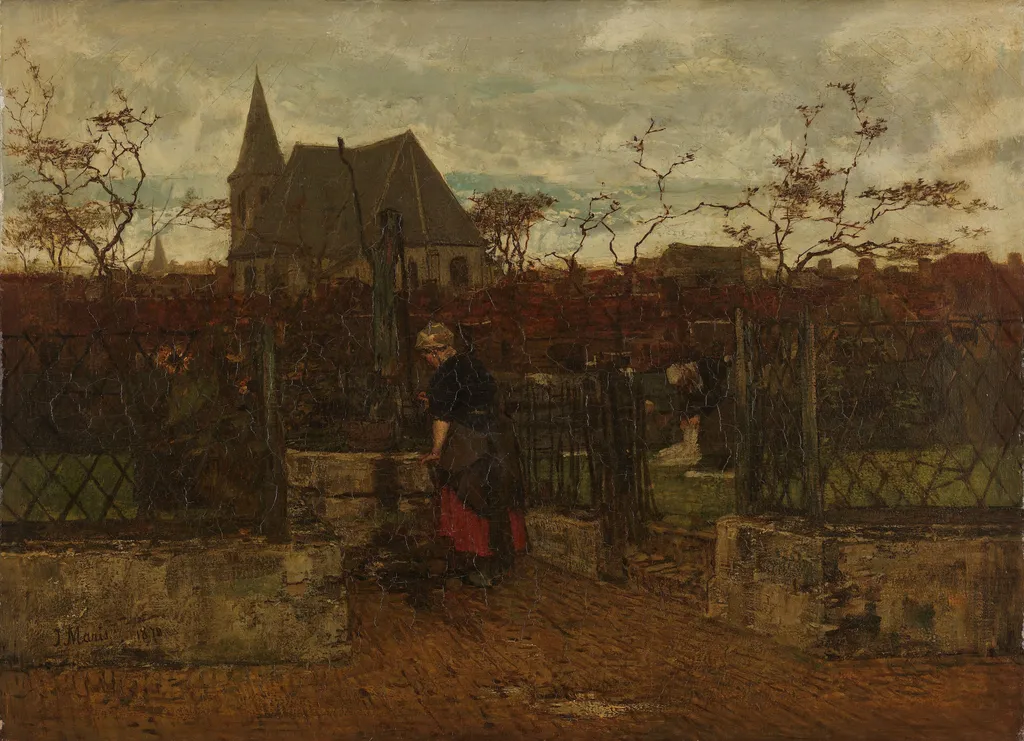
A Bleaching Field is an oil painting by the Realist artist Jacob Maris. It dates from 1870 and is held in the collection of the Rijksmuseum.
About this work
Overview
The work is recognized for its evocative portrayal of a commonplace Dutch landscape, reflecting the artistic interests of his contemporaries.
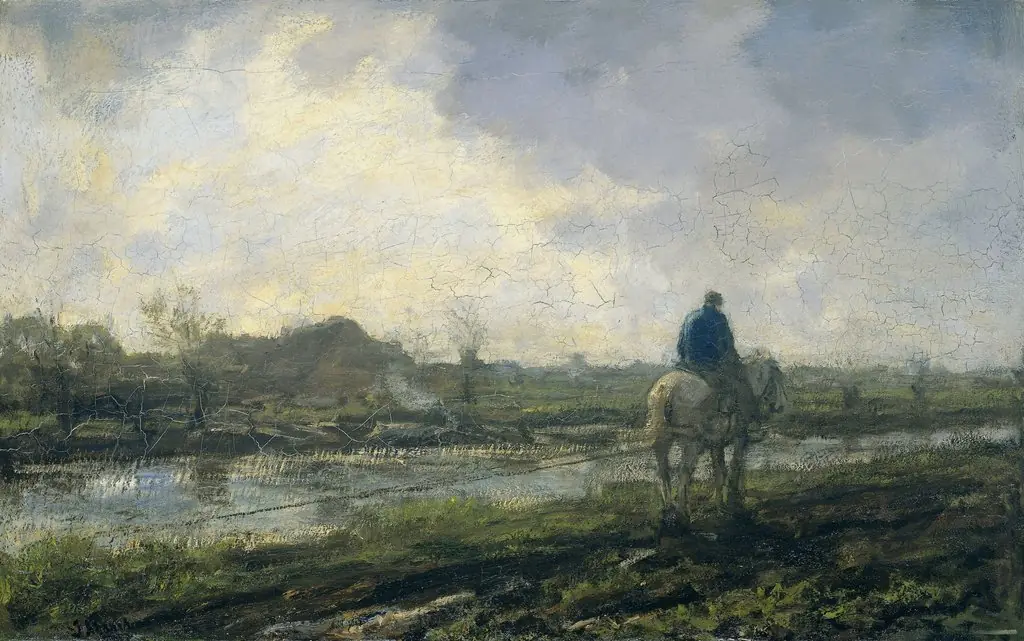
Jacob Maris, a prominent Dutch painter of the Hague School, completed A Bleaching Field in 1870. This oil painting exemplifies the Realism movement through its depiction of an ordinary rural scene. Maris focused on capturing the subtle qualities of light and the prevailing atmosphere, presenting a quiet moment from daily life. The work is recognized for its evocative portrayal of a commonplace Dutch landscape, reflecting the artistic interests of his contemporaries.
Subject & Meaning
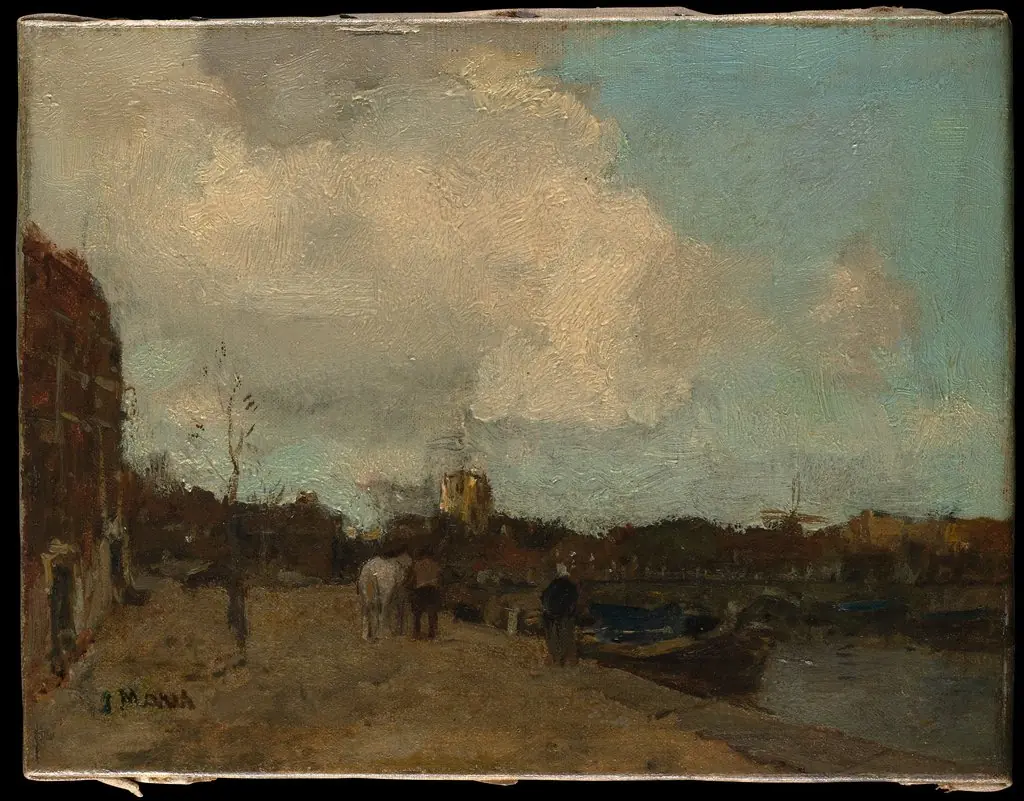
The painting centers on a woman in a red skirt and dark dress, standing near a low wall, likely engaged in the demanding work of a bleachfield. Behind her, a tall brick fence gives way to a church steeple and bare trees under a pale, cloudy sky. A bleachfield was an open area where laundry was spread out to dry and whiten in the sun and air. Maris's choice of subject elevates this humble, everyday labor into a contemplative scene.
Technique & Style
Maris employed oil paint with a distinct approach, characterized by rough brushstrokes and a palette dominated by earthy tones. This technique contributes to the painting's subdued and authentic feel, emphasizing the texture of the uneven ground and the solidity of the structures. His careful attention to the nuances of light and atmospheric conditions imbues the scene with a sense of quiet immediacy, typical of the Realist aesthetic.
Context
As a key figure within the Hague School, Jacob Maris shared his contemporaries' dedication to depicting the Dutch landscape and its unique atmospheric qualities. A Bleaching Field aligns with this broader artistic movement, which sought to portray everyday life and natural environments with unvarnished honesty. The focus on a common rural activity, rendered with sensitivity to light and mood, positions the work firmly within the Realist tradition that flourished in the Netherlands during this period.
History & Provenance
Created in 1870, A Bleaching Field represents a significant example of Jacob Maris's output during his active period with the Hague School. The painting has since entered the collection of the Rijksmuseum, where it is preserved as part of the national artistic heritage. Its inclusion in such a prominent institution underscores its historical and artistic value within Dutch art history.
Own this work as a print
Artist & collection
Artist
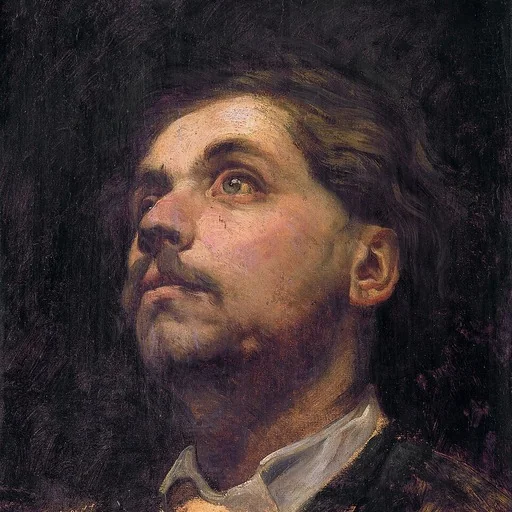
Jacob Henricus Maris (August 25, 1837 – August 7, 1899) was a Dutch painter, who with his brothers Willem and Matthijs belonged to what has come to be known as the Hague School of painters.