Artwork
Ships in Stormy Seas
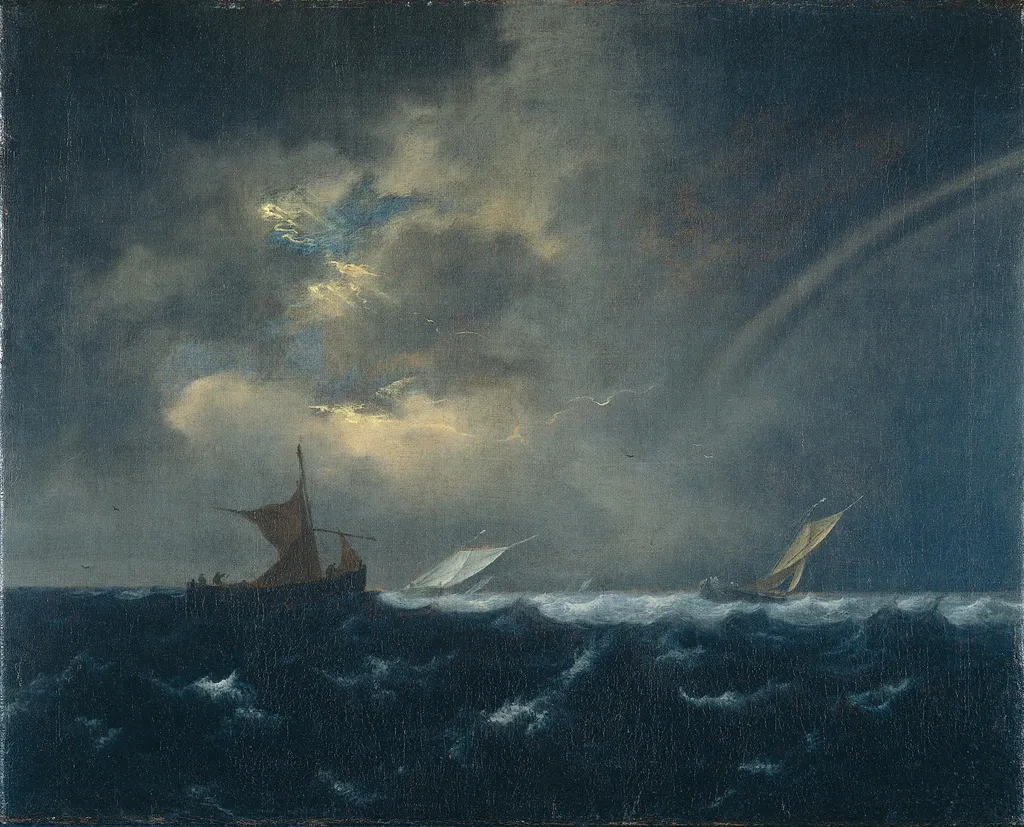
Ships in Stormy Seas is an oil painting by the Dutch Golden Age artist Jacob van Ruisdael. It dates from 1655 and is held in the collection of the Rijksmuseum.
About this work
Overview
The composition centers on three small vessels navigating a turbulent, dark sea, with the nearest ship appearing to struggle against the heavy, crashing waves.
Painted in 1655, Ships in Stormy Seas is a quintessential example of Jacob van Ruisdael's early mastery of maritime drama. The composition centers on three small vessels navigating a turbulent, dark sea, with the nearest ship appearing to struggle against the heavy, crashing waves. Ruisdael employs thick, textured brushstrokes to render the churning water and the atmospheric weight of the storm, creating a palpable sense of motion and danger. Above the chaotic sea, the sky is dominated by dramatic clouds, yet streaks of light near the horizon suggest a break in the weather, adding a complex emotional layer to the scene. This work reflects the Dutch Golden Age's fascination with the power of nature and the vulnerability of human endeavor. Executed during a period when Ruisdael was rapidly developing his distinctive style, the painting demonstrates his ability to combine precise observation of natural phenomena with a heightened sense of theatricality. It stands as a significant contribution to the tradition of Dutch seascapes, illustrating the artist's skill in capturing the sublime forces of the natural world through oil paint.
Subject & Meaning
The canvas focuses on three ships battling heavy waves, two of them with full sails and a nearer vessel appearing to strain against the wind. The interplay of light breaking through the clouds suggests a fleeting hope amid the storm, a common motif in 17th‑century Dutch seascapes that underscores humanity’s vulnerability to nature.
Technique & Style
Ruisdael employs a pronounced impasto, applying thick layers of paint to render the churning water and the weight of the clouds. The contrast between illuminated sky and shadowed sea creates a chiaroscuro effect, heightening the sense of tension and movement while emphasizing the atmospheric conditions of a tempest.
History & Provenance
Since its creation in the mid‑1650s, the painting has remained in the Netherlands, eventually entering the Rijksmuseum’s holdings. Its documented presence in the museum’s catalogue confirms its attribution to Ruisdael and its status as a representative example of Dutch Golden Age marine painting.
Own this work as a print
Artist & collection
Artist
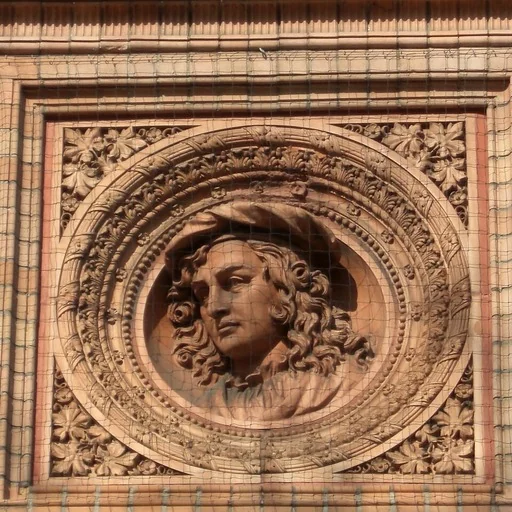
Jacob Isaackszoon van Ruisdael was a Dutch painter, draughtsman, and etcher. He is generally considered the pre-eminent landscape painter of the Dutch Golden Age, a period of great wealth and cultural achievement when…