Artwork
The Cloister
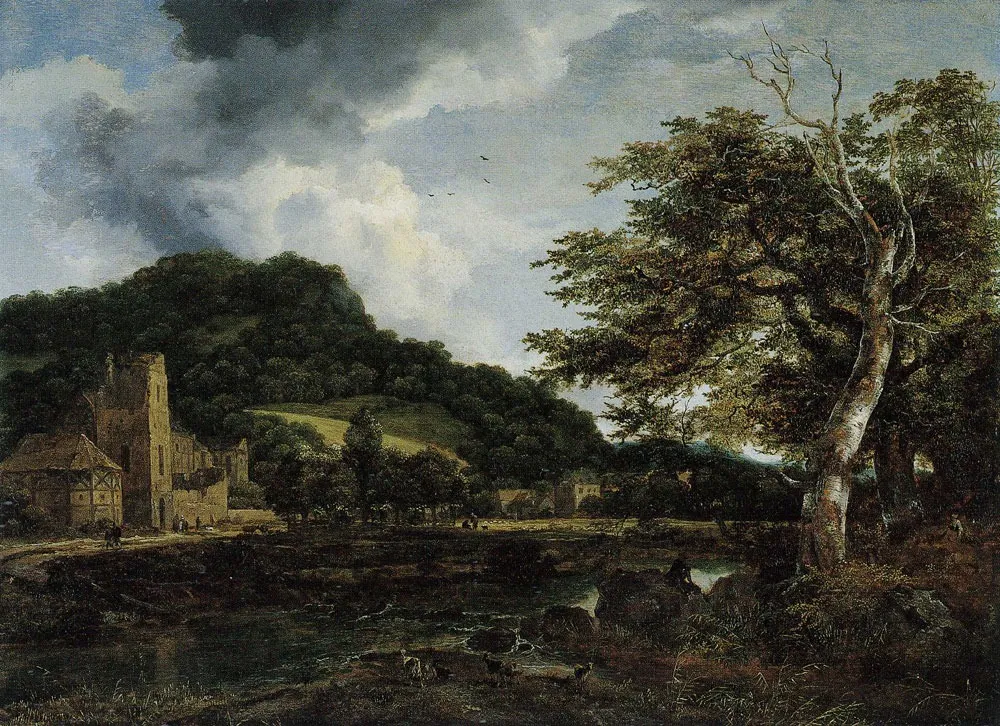
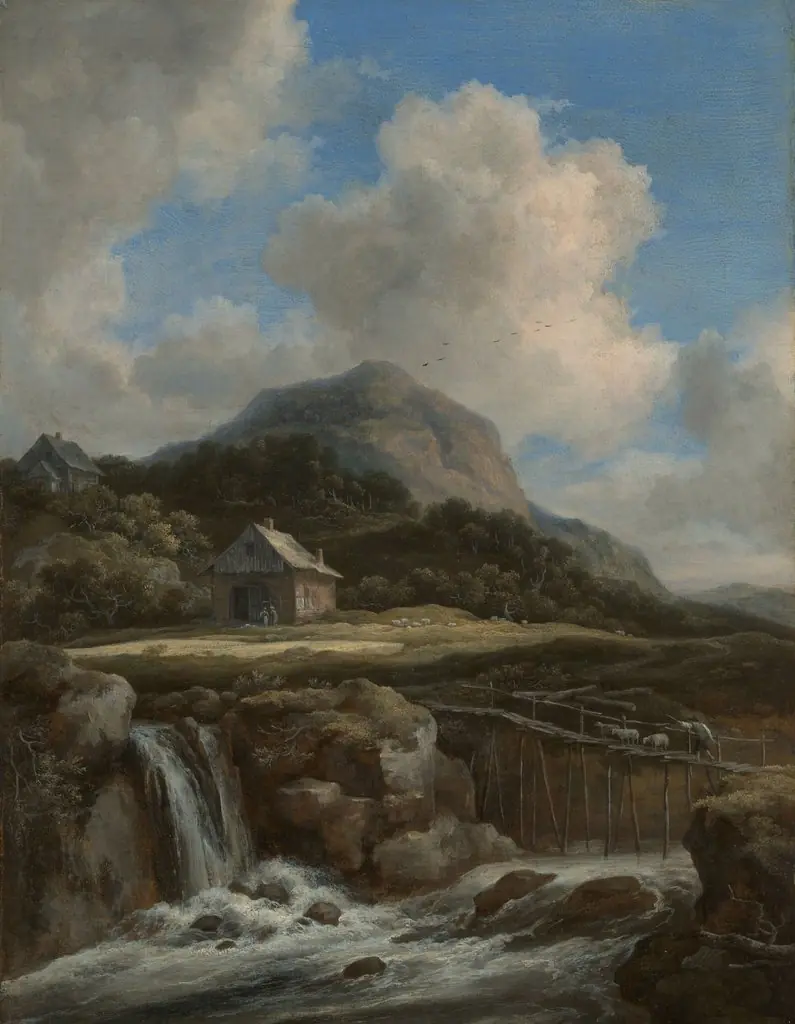
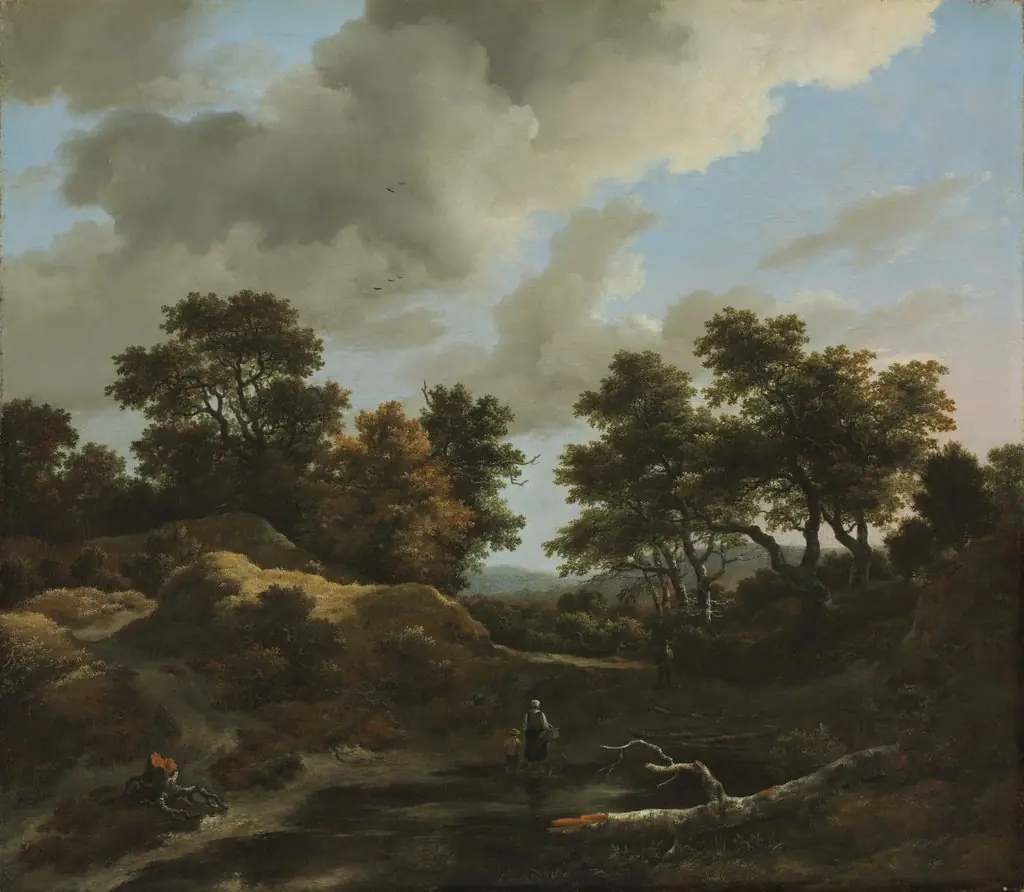
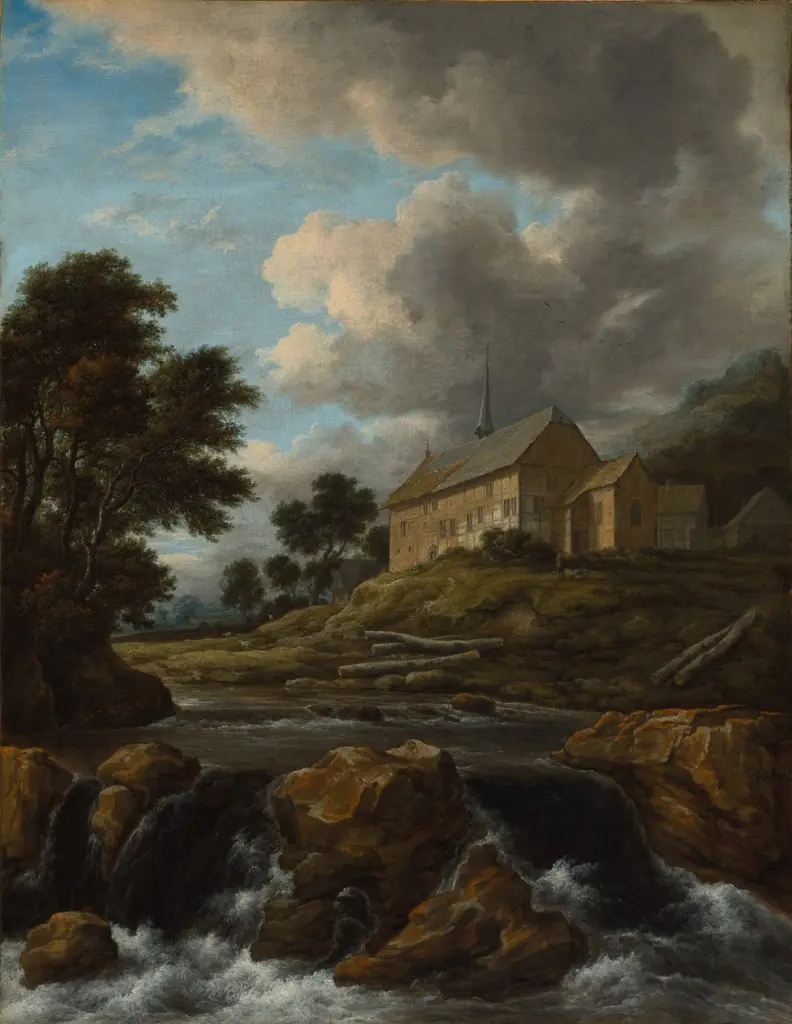
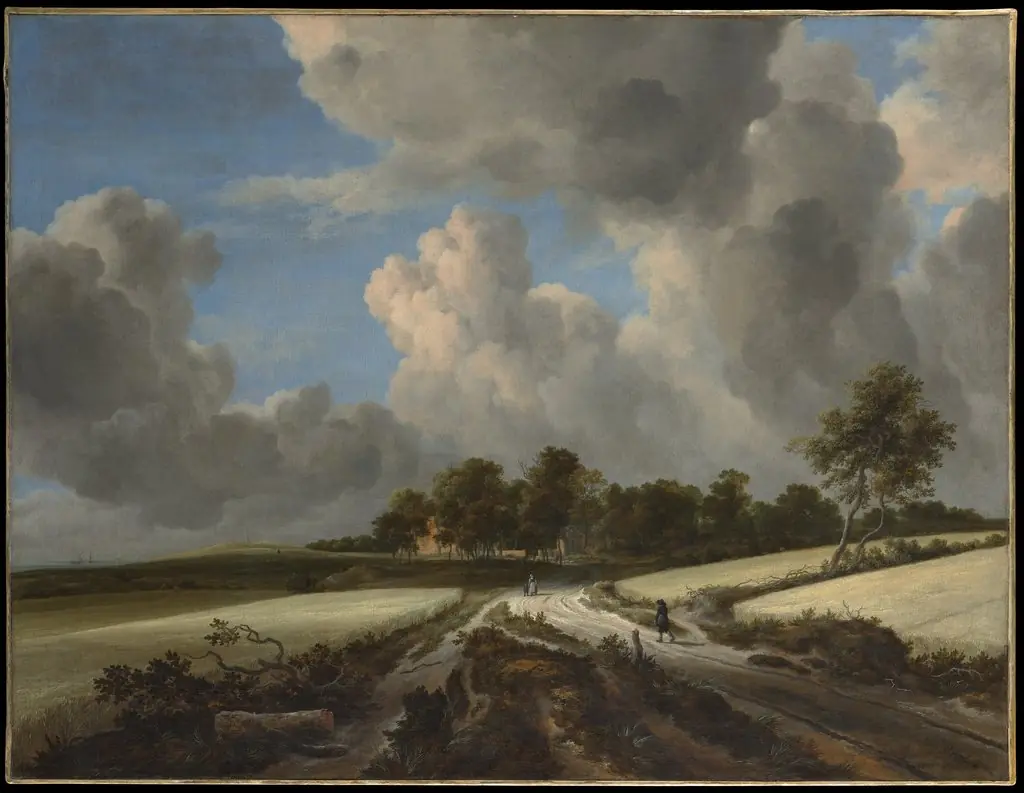
The Cloister is an oil painting by the Dutch Golden Age artist Jacob van Ruisdael. It dates from 1649 and is held in the collection of the Gemäldegalerie Berlin.
About this work
Overview
Jacob van Ruisdael completed The Cloister, a landscape painting, in 1649. This work captures a serene village setting, characterized by a prominent ruined structure and a winding river. Executed in paint, the artwork is a notable example of Dutch Golden Age landscape art. It is currently part of the collection at the Gemäldegalerie Berlin, where it offers insight into Ruisdael's early career.
Subject & Meaning
Small figures traverse a path, adding a human element to the natural and architectural elements, all set beneath a sky filled with dramatic, dark clouds.
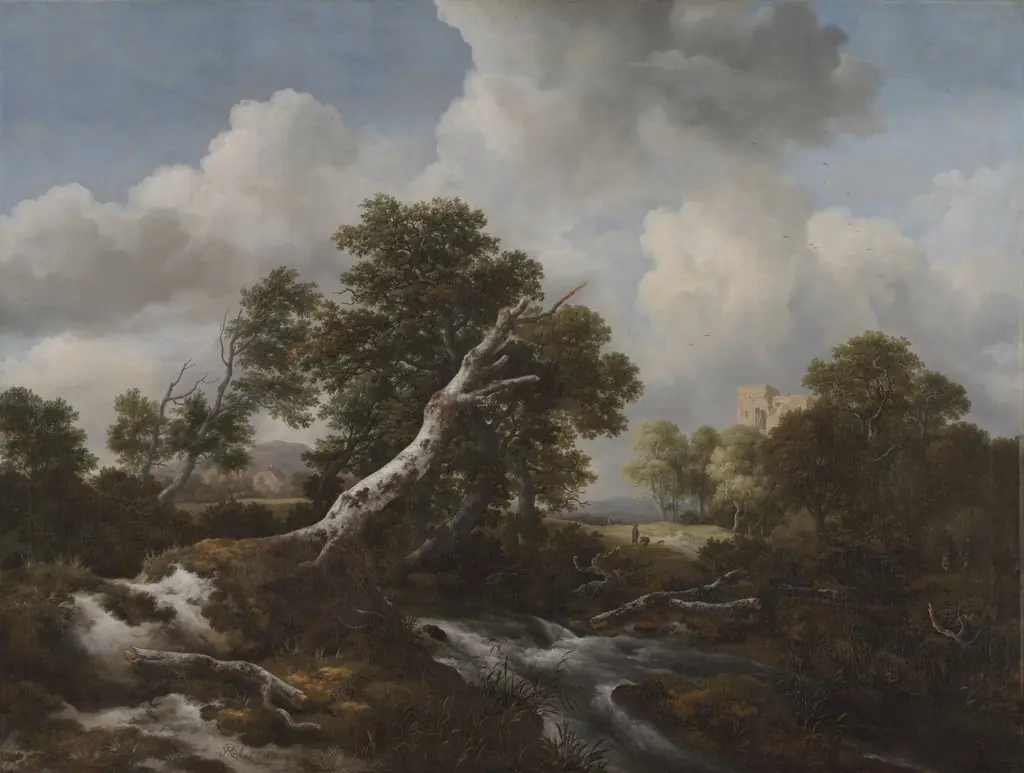
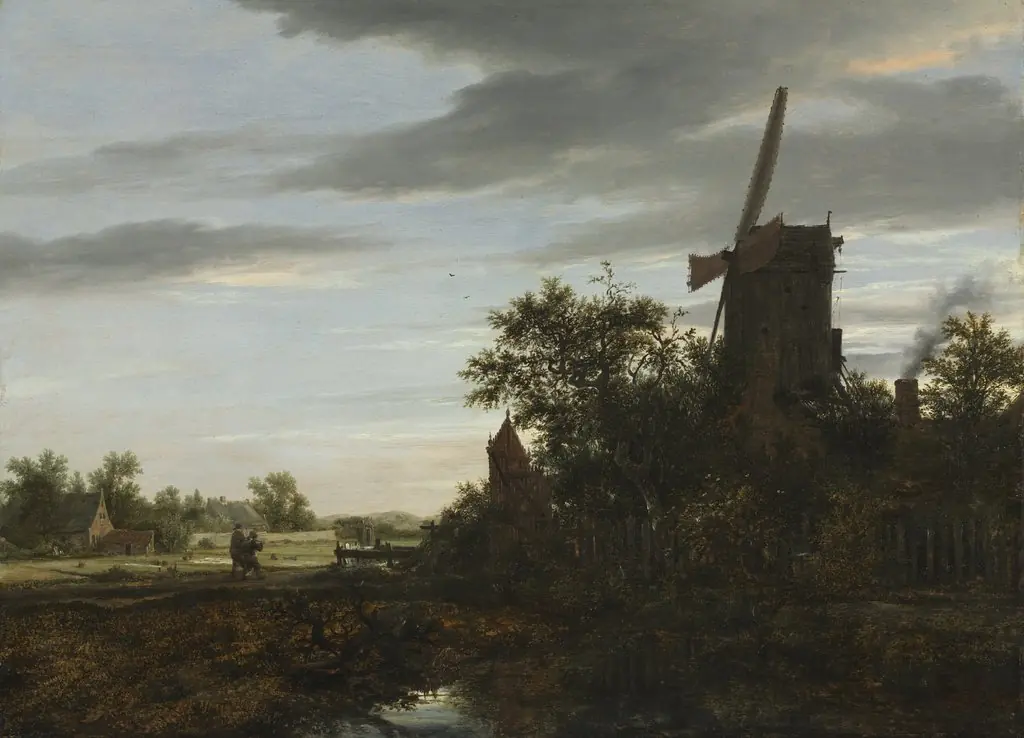
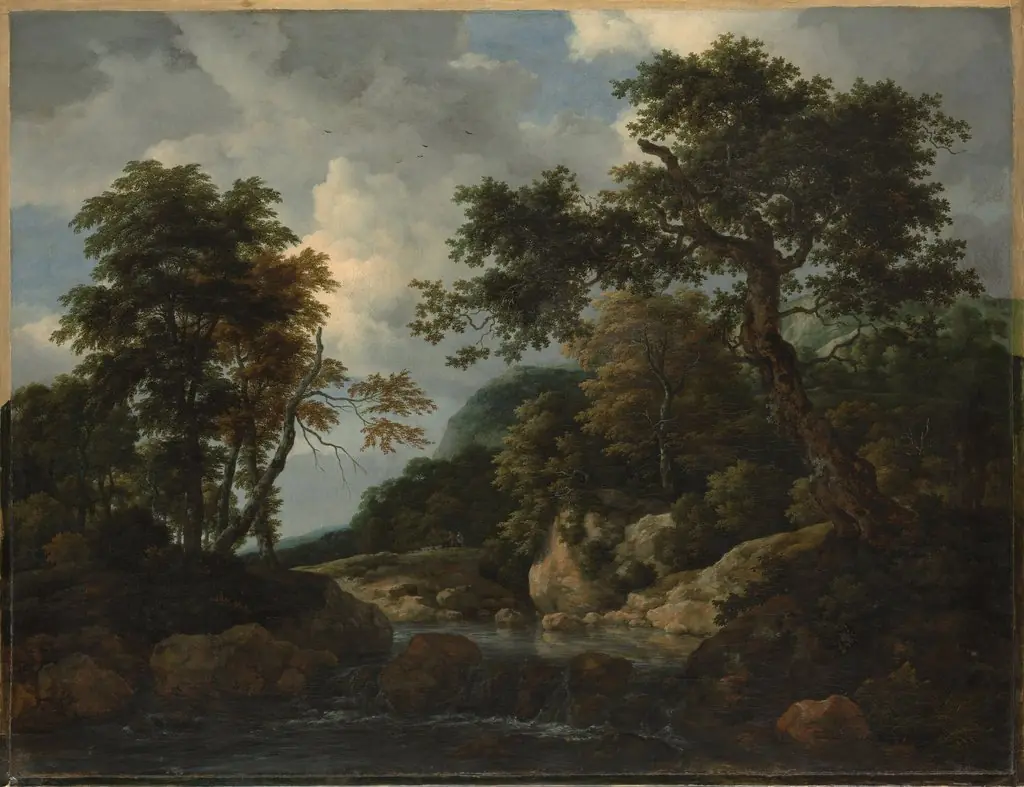
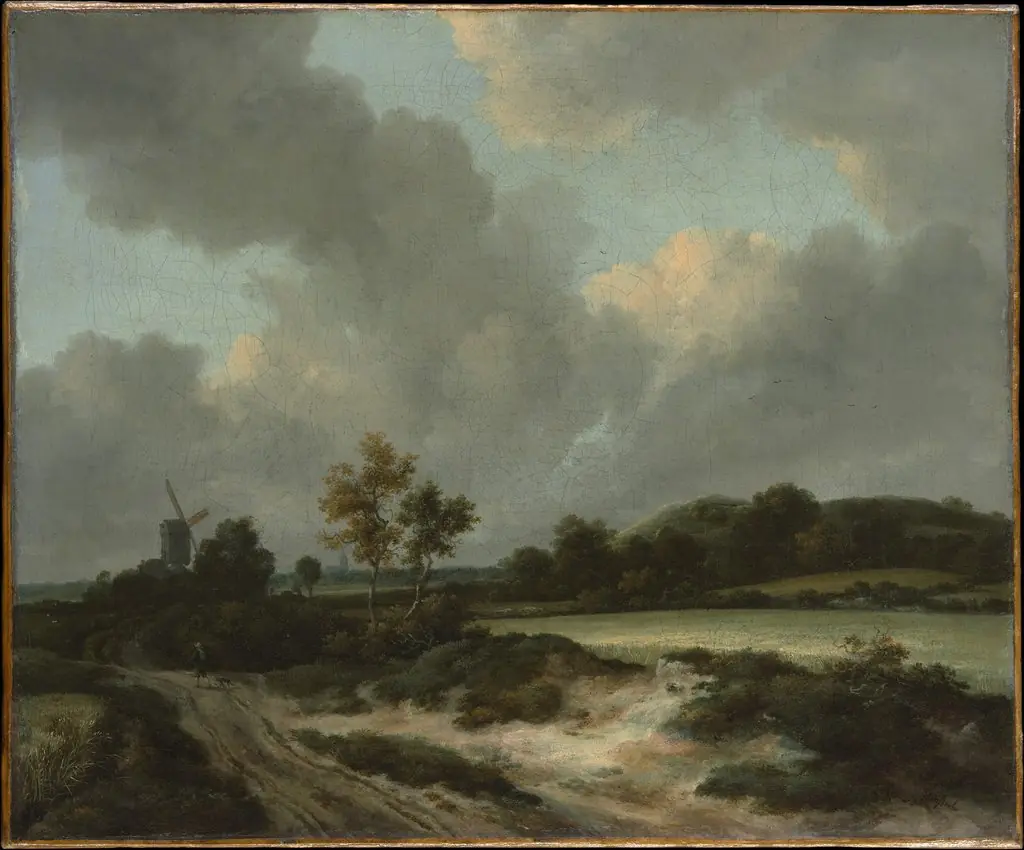
The painting presents a tranquil village vista, dominated by a tall, partially ruined tower positioned on the left, likely the titular cloister. A river meanders through the central plane, mirroring the expansive sky above. On the right, a large, bare tree stands, balancing the composition. Small figures traverse a path, adding a human element to the natural and architectural elements, all set beneath a sky filled with dramatic, dark clouds.
Technique & Style
Ruisdael employed striking contrasts of light and shadow to imbue the scene with a dynamic quality. The crumbling texture of the tower's walls is accentuated against the bright sky, creating a powerful visual tension. This interplay of illumination and darkness enhances the dramatic atmosphere, drawing the viewer's eye across the varied textures and forms within the landscape. The artist's use of light contributes significantly to the painting's emotional depth.
Artist & collection
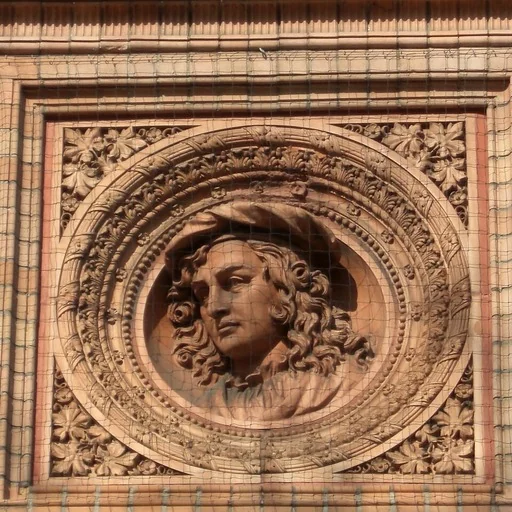
Artist
Jacob Isaackszoon van Ruisdael was a Dutch painter, draughtsman, and etcher. He is generally considered the pre-eminent landscape painter of the Dutch Golden Age, a period of great wealth and cultural achievement when…