Artwork
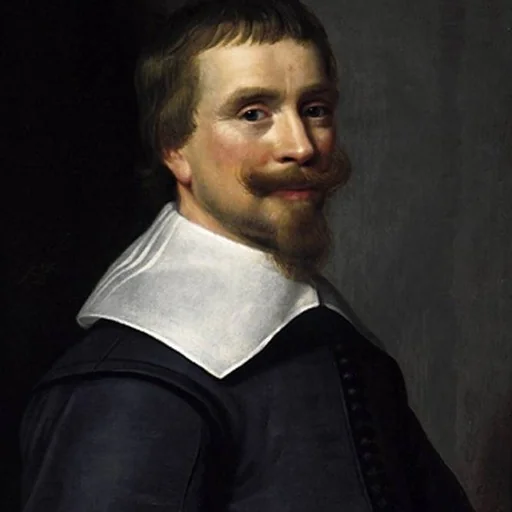
Portrait of a man, thought to be Salomon van Schoonhoven (1617-53), lord lieutenant of Putten
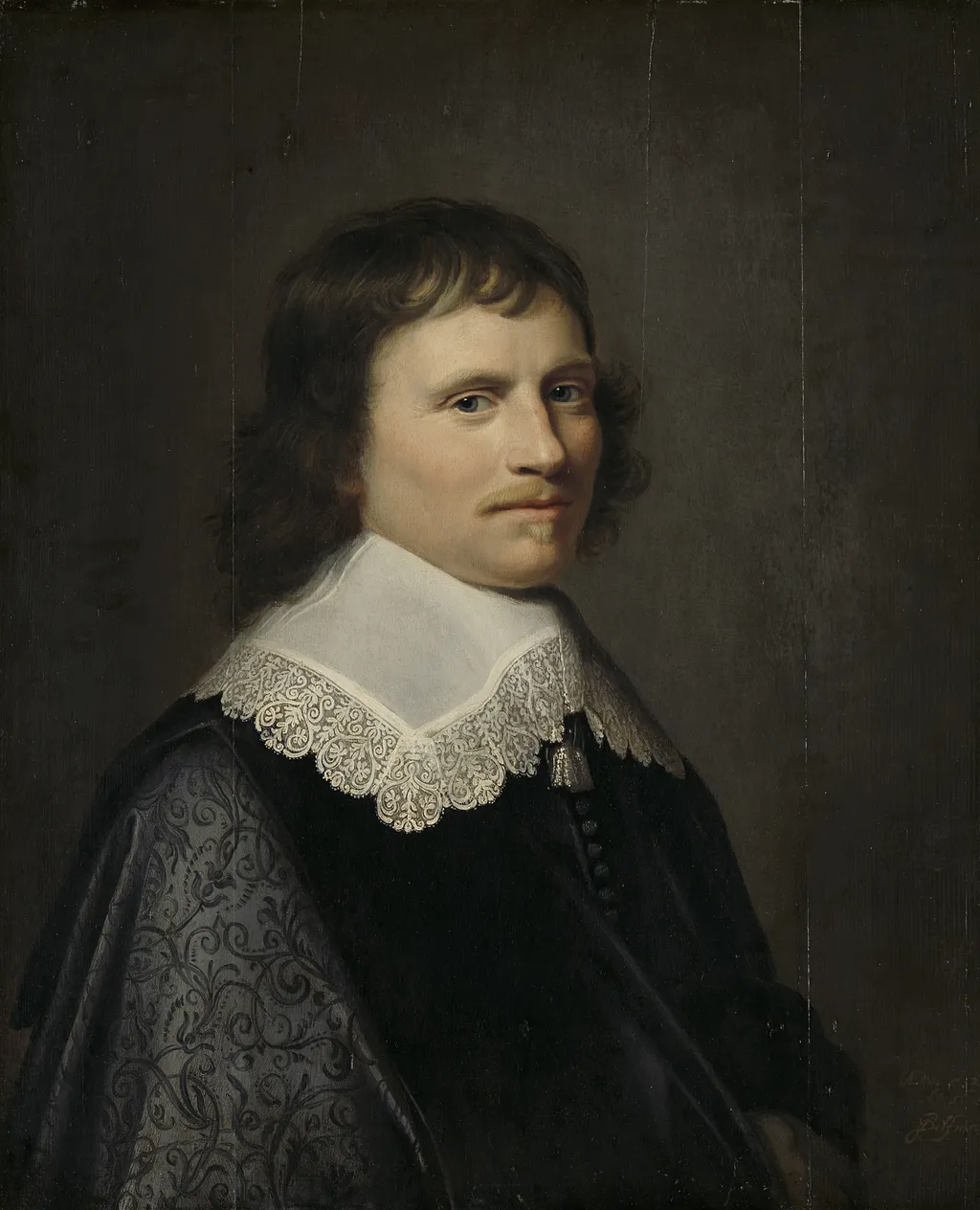
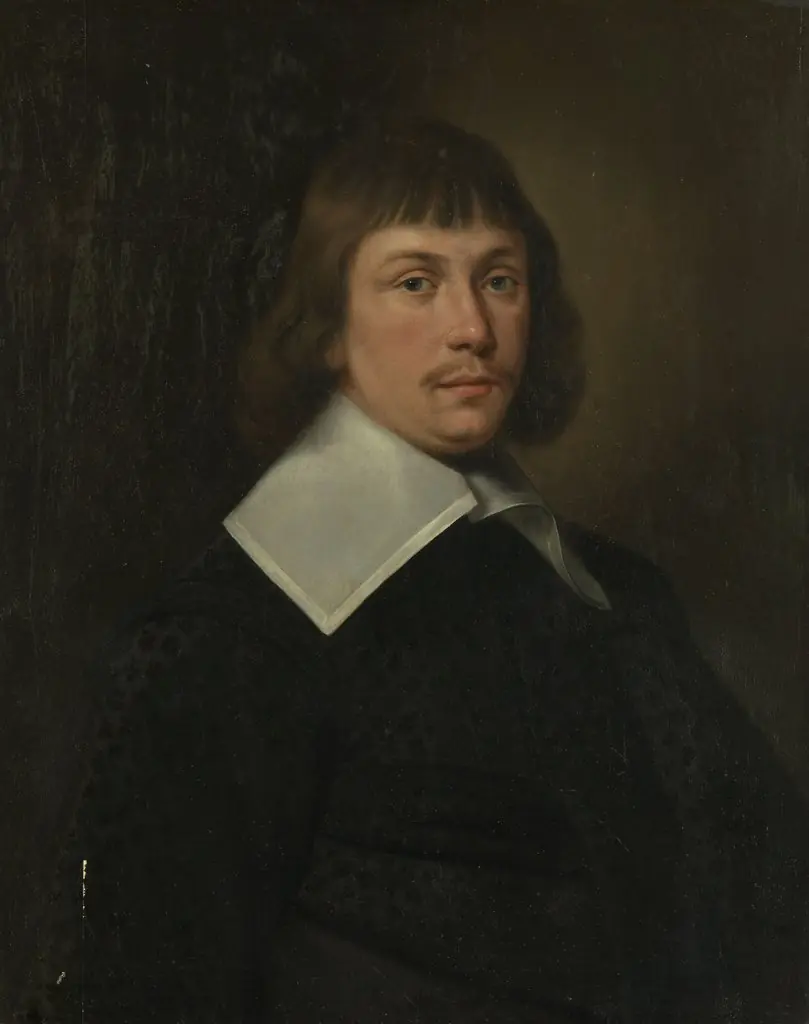
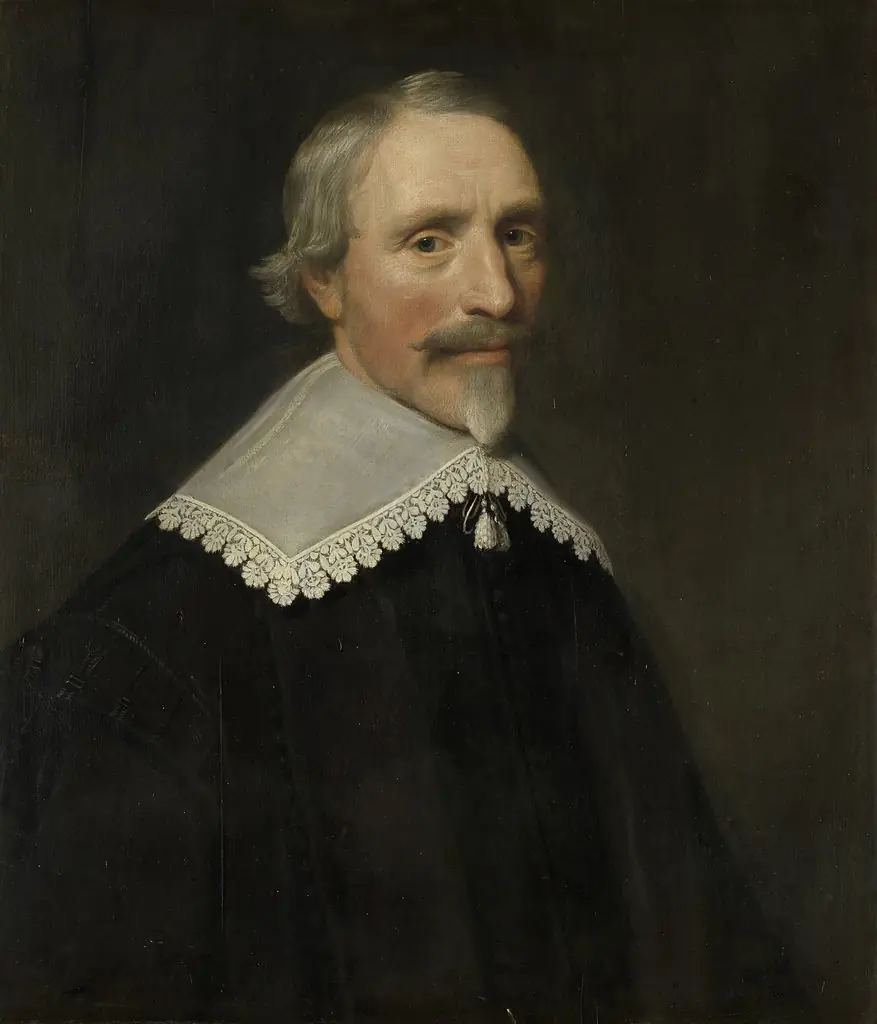
Portrait of a man, thought to be Salomon van Schoonhoven (1617-53), lord lieutenant of Putten is an oil painting by the Dutch Golden Age artist Jacob Willemsz Delff. It dates from 1643 and is held in the collection of the Rijksmuseum.
About this work
Overview
Created in 1643, this oil portrait is attributed to Jacob Willemsz Delff the Younger. It presents a seated gentleman against a dark backdrop, his face illuminated by a focused light source. The work resides in the Rijksmuseum’s collection, where it is identified as a portrait of Salomon van Schoonhoven (1617‑1853), the lord lieutenant of Putten.
Subject & Meaning
The sitter, presumed to be Salomon van Schoonhoven, appears in a solemn pose, his expression conveying authority and composure. His attire—a black garment with an elevated lace collar—signals his high social rank and the responsibilities of a provincial official in the Dutch Republic.
Technique & Style
Delff employs chiaroscuro, allowing light to model the face and the intricate lace collar while the surrounding darkness recedes. The delicate rendering of the lace demonstrates meticulous brushwork, and the subtle gradations of tone reveal the artist’s command of oil paint to achieve texture and depth.
History & Provenance
The painting entered the Rijksmuseum’s holdings as part of its Dutch Golden Age collection, though its exact acquisition path remains undocumented. Its attribution to Delff the Younger has been affirmed through stylistic comparison with other known works by the artist.
Context
In the mid‑17th century, portraiture served both as a record of personal status and as a visual assertion of civic authority. The depiction of a provincial lord lieutenant aligns with contemporary practices of commemorating local leaders through formal, restrained compositions that emphasized dignity over ornamentation.
Own this work as a print
Artist & collection