Artwork
Tamar and Juda
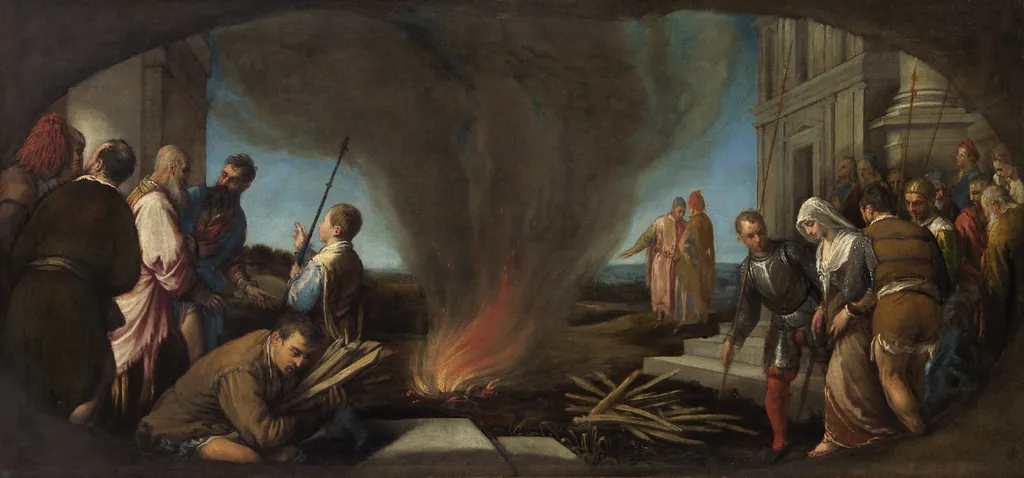
Tamar and Juda is an oil painting by the Early Baroque Italian artist Jacopo Bassano. It dates from 1566 and is held in the collection of the Kunsthistorisches Museum.
About this work
Overview
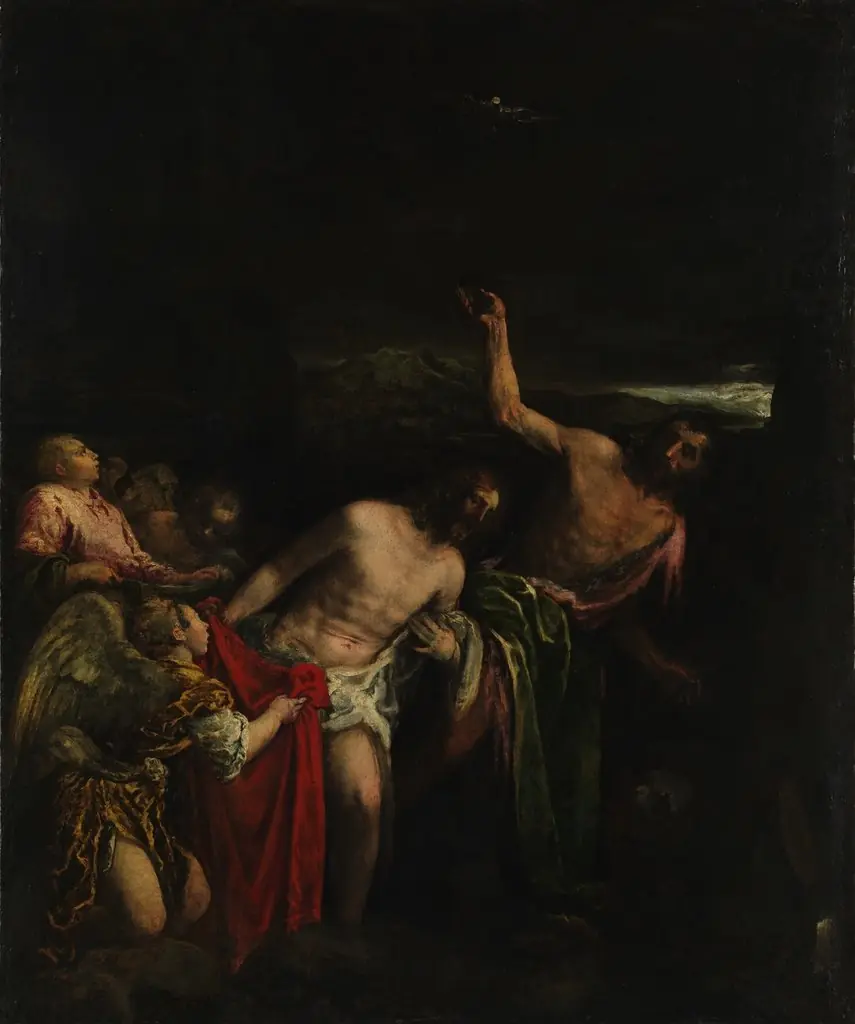
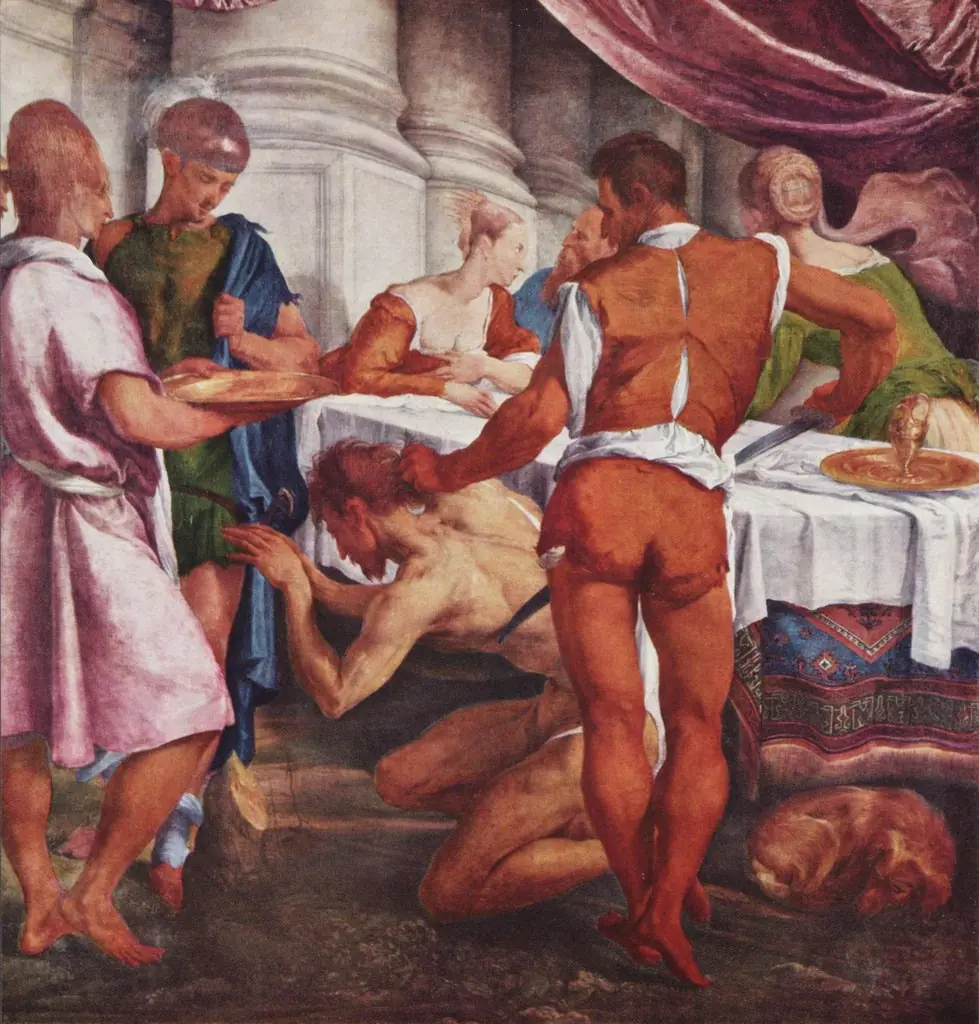
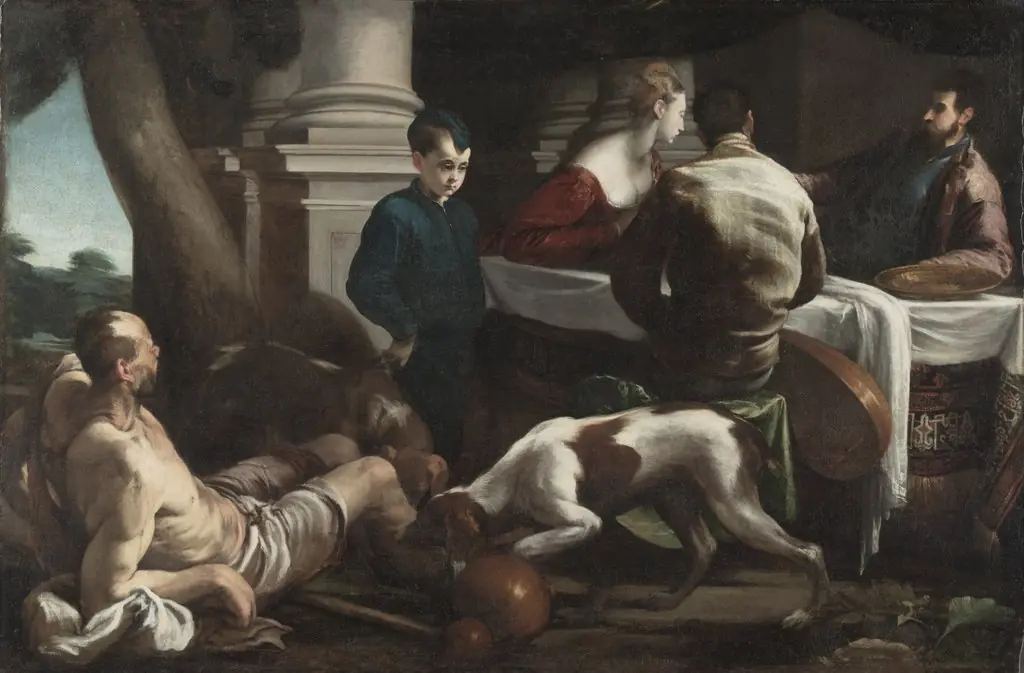
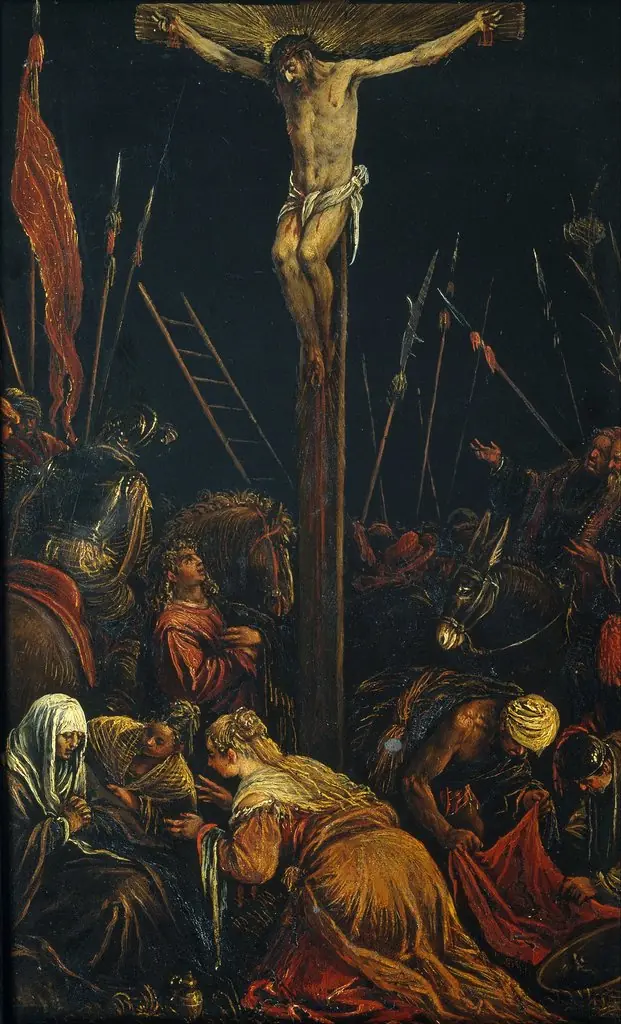
Jacopo Bassano’s oil painting Tamar and Juda, executed in 1566, portrays a nocturnal gathering around a modest fire. The composition centers on a kneeling figure near the flames, flanked by others in varied attire, some armored, others in simple dress, with one individual holding a staff. The work is part of the collection of the Kunsthistorisches Museum in Vienna.
Subject & Meaning
The scene draws on the biblical narrative of Judah and Tamar, presenting the characters in a moment of intimate dialogue rather than a grandiose tableau. By situating them beside a campfire, Bassano emphasizes the personal and secretive nature of their encounter, inviting viewers to contemplate themes of revelation and vulnerability within the scriptural episode.
Technique & Style
Bassano employs a pronounced chiaroscuro, using the fire’s amber glow to carve out the faces and forms against a deep, enveloping darkness. The stark contrast between light and shadow heightens the drama and directs attention to the central figures. The brushwork combines fine detail in the illuminated areas with broader, more gestural strokes in the surrounding gloom.
History & Provenance
Created in the latter half of the sixteenth century, the painting entered the holdings of the Kunsthistorisches Museum, where it remains on display. Its provenance prior to acquisition by the museum is not extensively documented, but its presence in a major Viennese collection underscores its recognized value within the canon of Italian Renaissance religious art.
Artist & collection
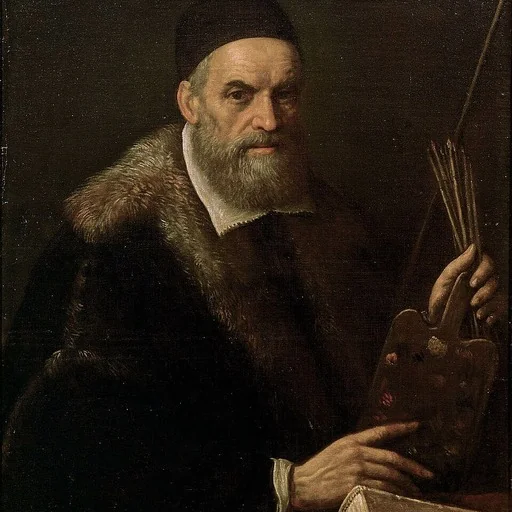
Artist
Jacopo Bassano was an Italian Renaissance painter of the Venetian school. He was born and died in Bassano del Grappa, and took the village as his surname. Having trained in the workshop of his father, Francesco the…