Artwork
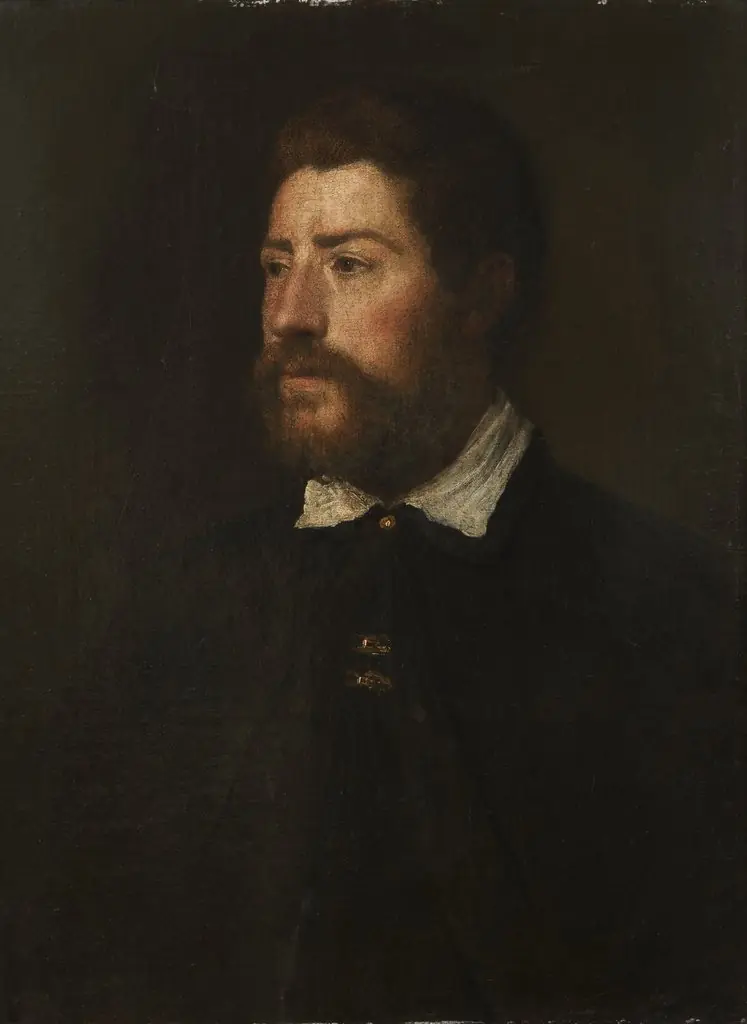
Portrait of a Man, probably of the Mazzi Family
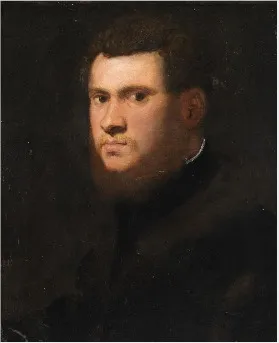
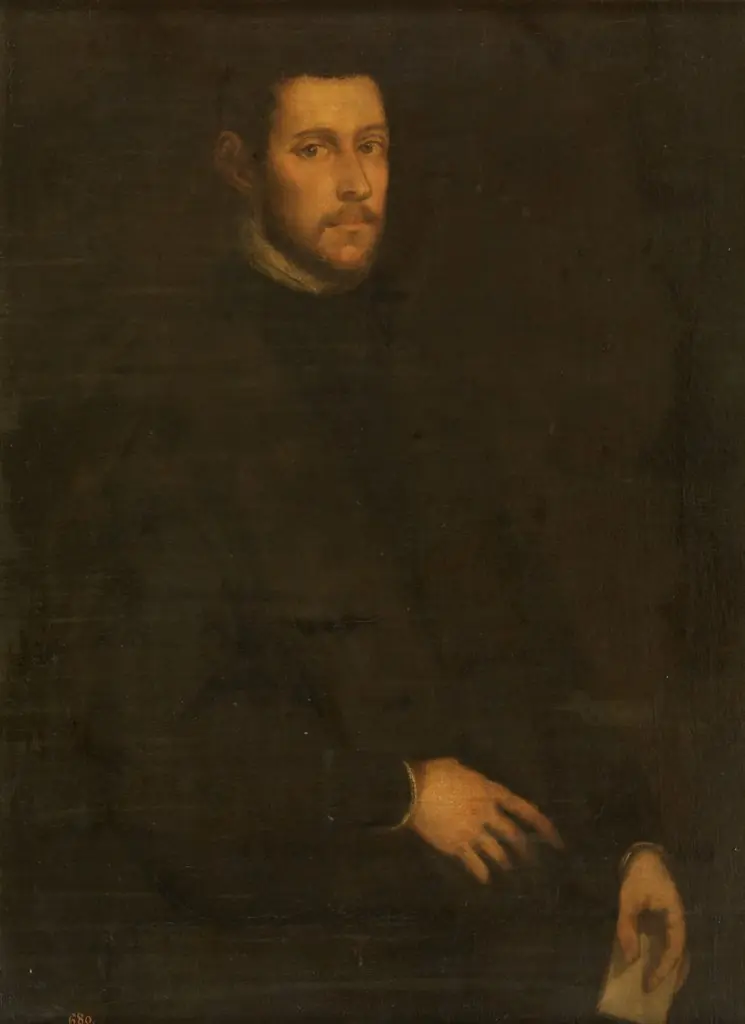
Portrait of a Man, probably of the Mazzi Family is an oil painting by the Mannerist artist Jacopo Tintoretto. It dates from 1550 and is held in the collection of the National Gallery of Ireland.
About this work
Overview
Painted circa 1550, this oil portrait is attributed to Jacopo Tintoretto, a leading figure in Venetian Mannerism. The work captures a single male figure against a deep, unmodulated background, emphasizing presence over narrative. Its restrained palette and focused lighting reflect the artist’s evolving approach to portraiture, balancing psychological depth with formal economy.
Subject & Meaning
The sitter is believed to be a member of the Mazzi family, a Venetian merchant lineage, though no definitive documentation confirms his identity. His direct gaze and solemn expression convey quiet authority rather than ostentation. The absence of symbols or contextual cues shifts focus to the individual’s demeanor, suggesting an emphasis on inner character over social status.
Technique & Style
Tintoretto applied oil paint with vigorous, loose brushstrokes, particularly in the dark garments, while refining the face with subtle modeling. Strong chiaroscuro isolates the sitter’s features, drawing attention to his eyes and beard. The contrast between the textured fabric and smooth skin reveals his mastery in rendering material and flesh with equal intensity.
History & Provenance
The painting’s early ownership is undocumented, but it entered a major European collection by the 19th century. Its attribution to Tintoretto has been consistently supported by stylistic analysis, though the Mazzi connection remains speculative. It has been exhibited in several institutions, always cataloged as a representative example of mid-16th-century Venetian portraiture.
Context
In mid-century Venice, portraiture was increasingly valued as a means of personal expression among the mercantile elite. Tintoretto, though better known for grand religious scenes, produced intimate portraits that diverged from the idealized norms of his peers. This work reflects a shift toward psychological realism, aligning with broader trends in Northern and Central Italian art of the period.
Legacy
The portrait exemplifies Tintoretto’s ability to infuse quiet subjects with emotional gravity. Its influence is seen in later Venetian painters who adopted his dramatic lighting and expressive brushwork for secular subjects. Though not widely publicized, it remains a key reference in studies of Mannerist portraiture for its restraint and psychological nuance.
Artist & collection
Artist
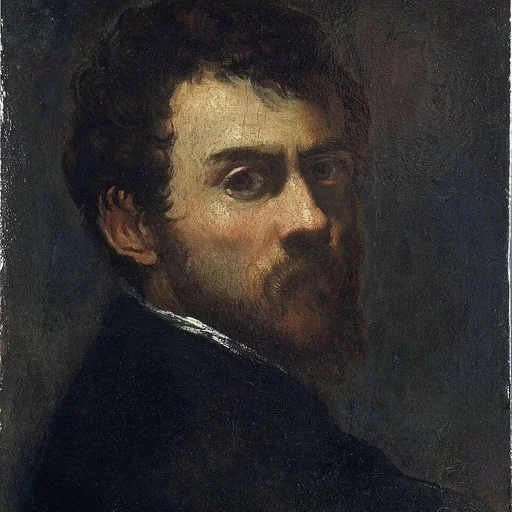
Jacopo Robusti (late September or early October 1518 – 31 May 1594), best known as Tintoretto ( TIN-tə-RET-oh; Italian: ; Venetian: ), was an Italian Renaissance painter of the Venetian school.

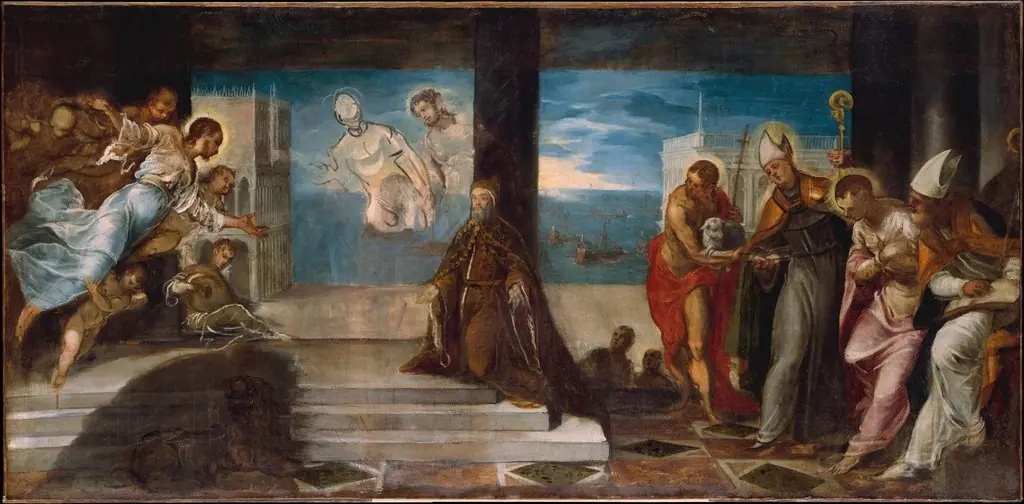
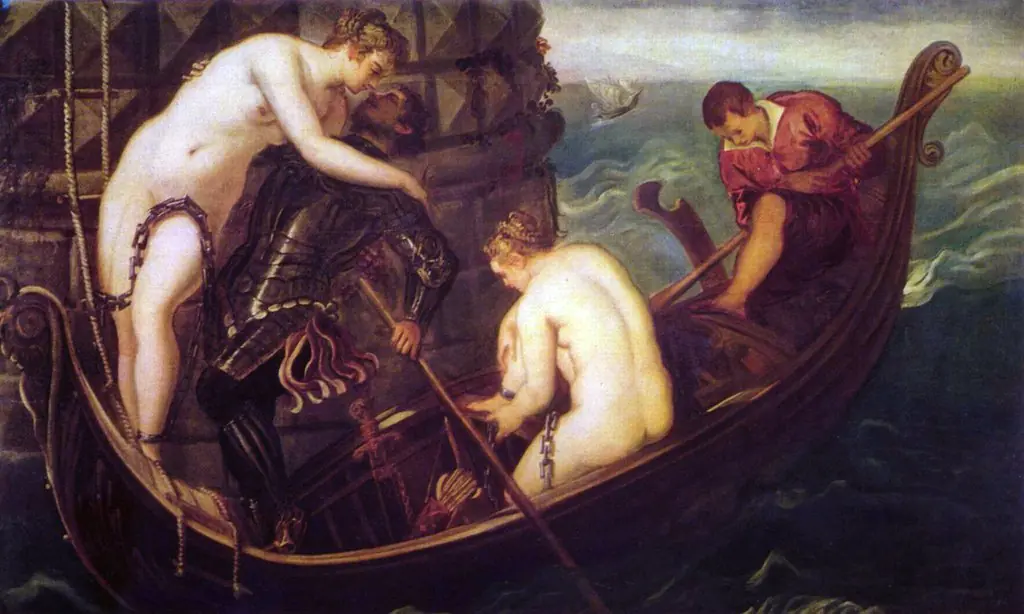
 Portrait of a Man
 Portrait of a Venetian Gentleman
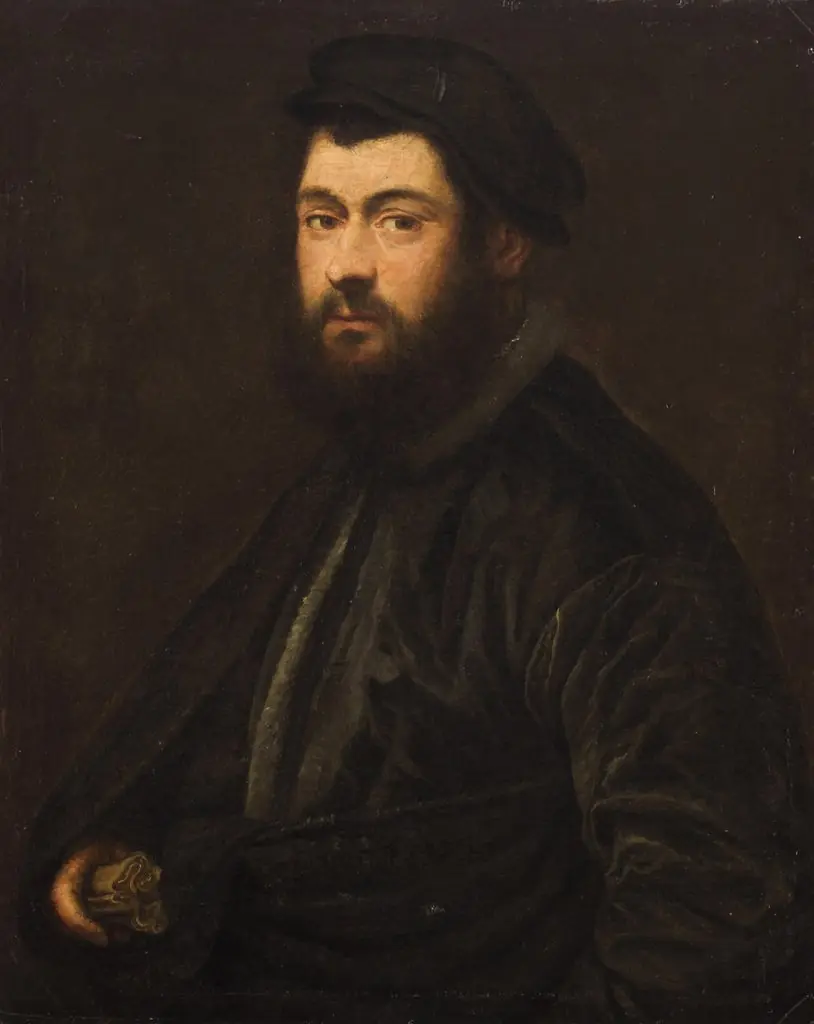 Bildnis eines bärtigen Mannes mit Barett
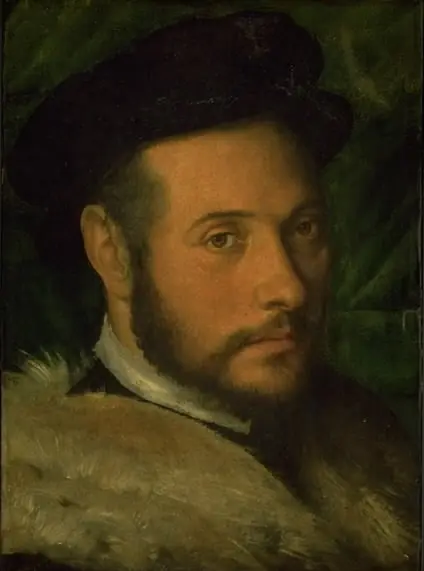 Portrait of a Man
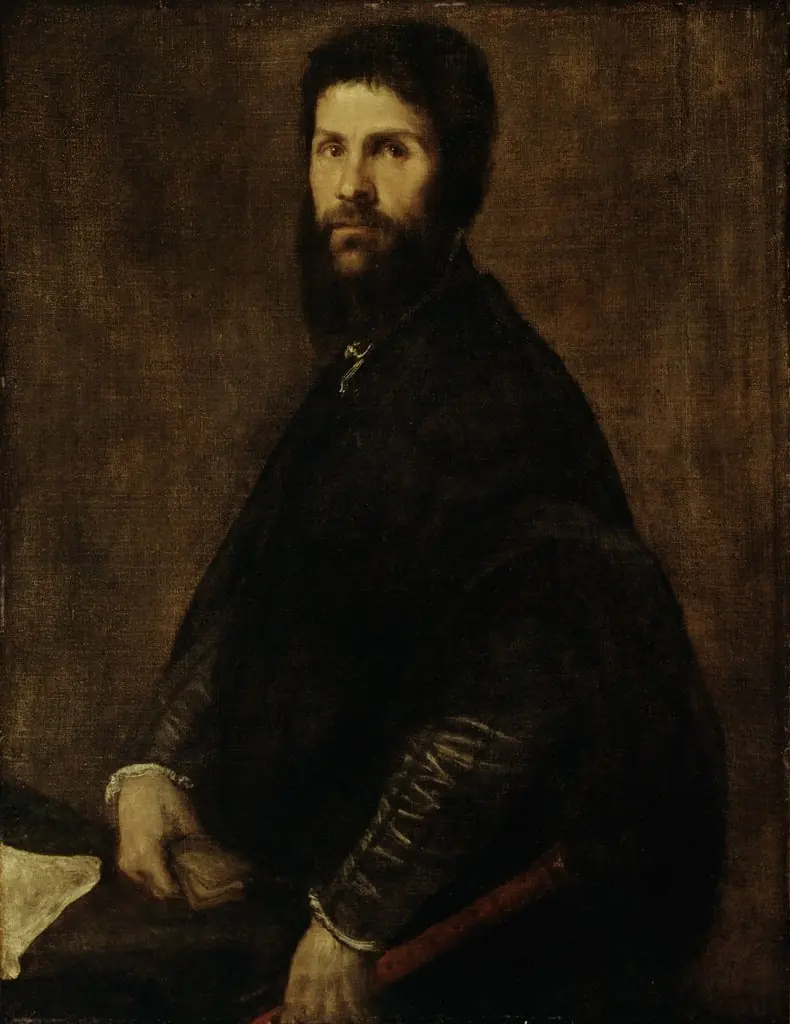 Man Holding a Flute
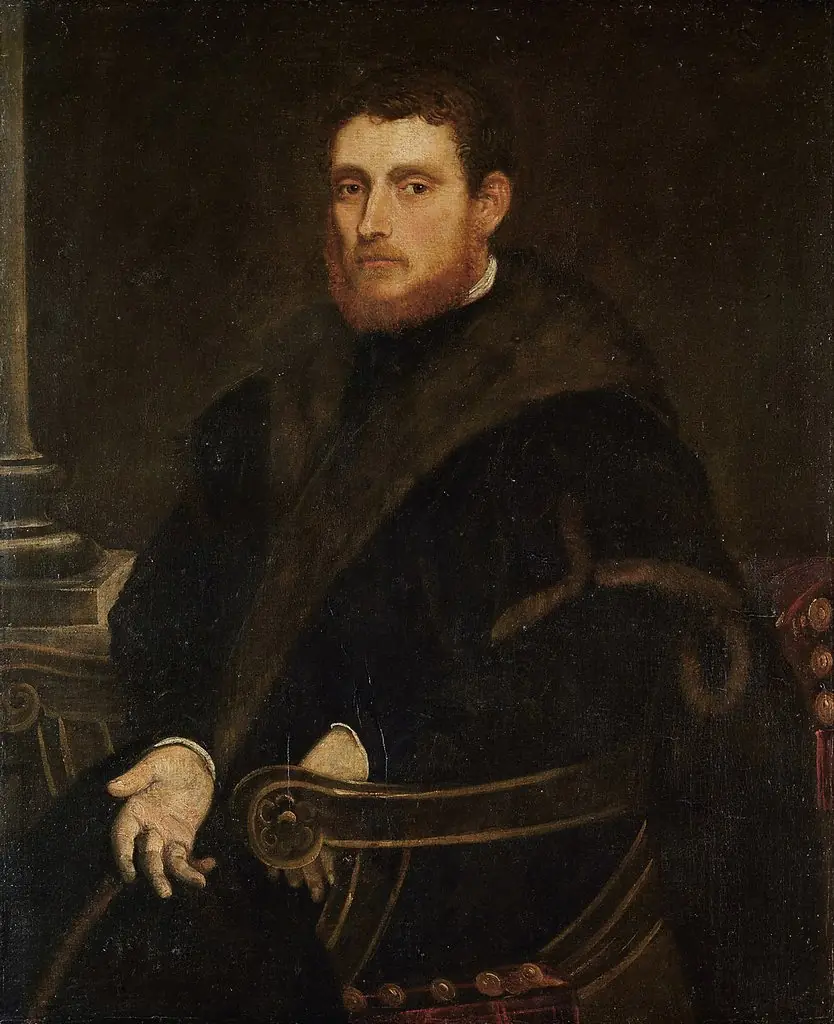 Bildnis eines jungen rotbärtigen Mannes im Lehnstuhl
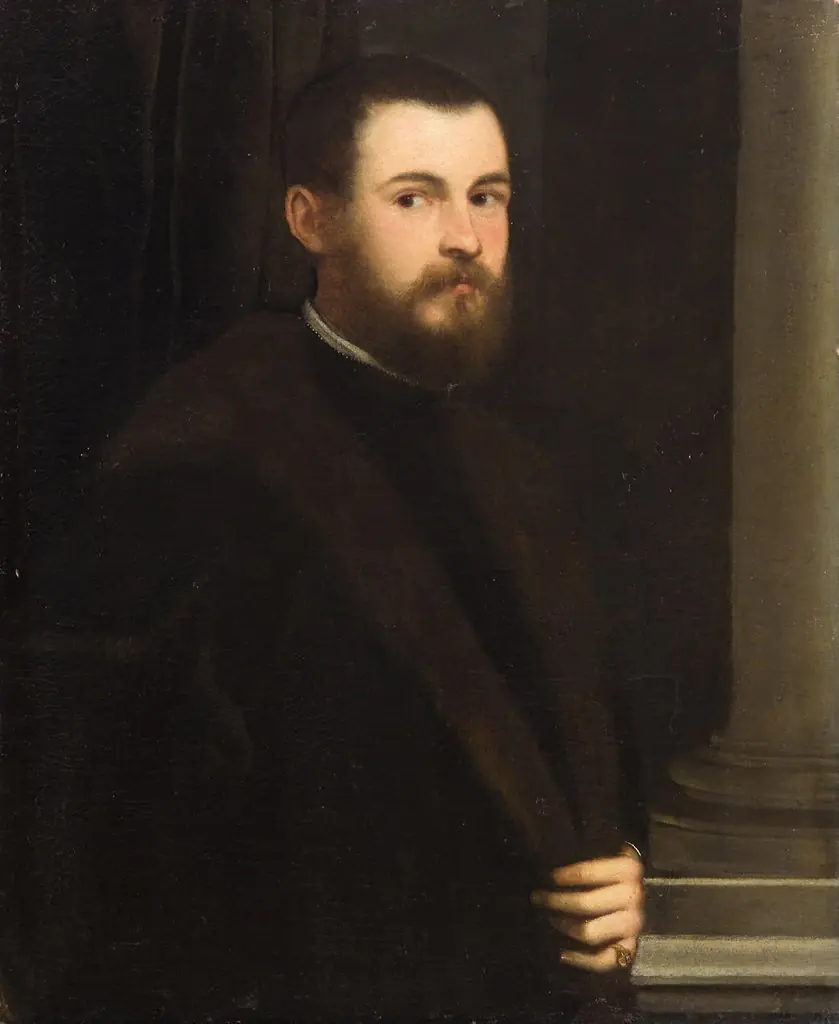 Portrait of a young bearded man
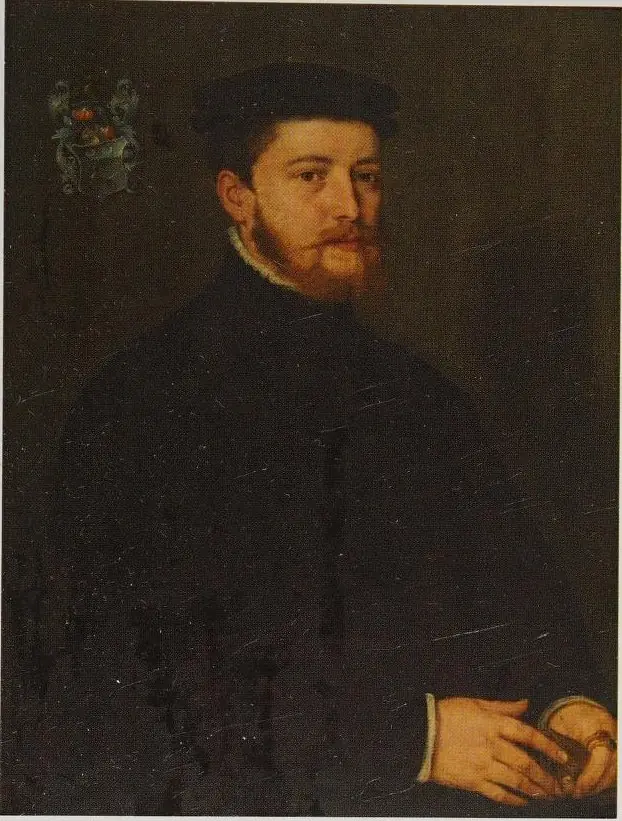 Portrait possibly of de Deckere
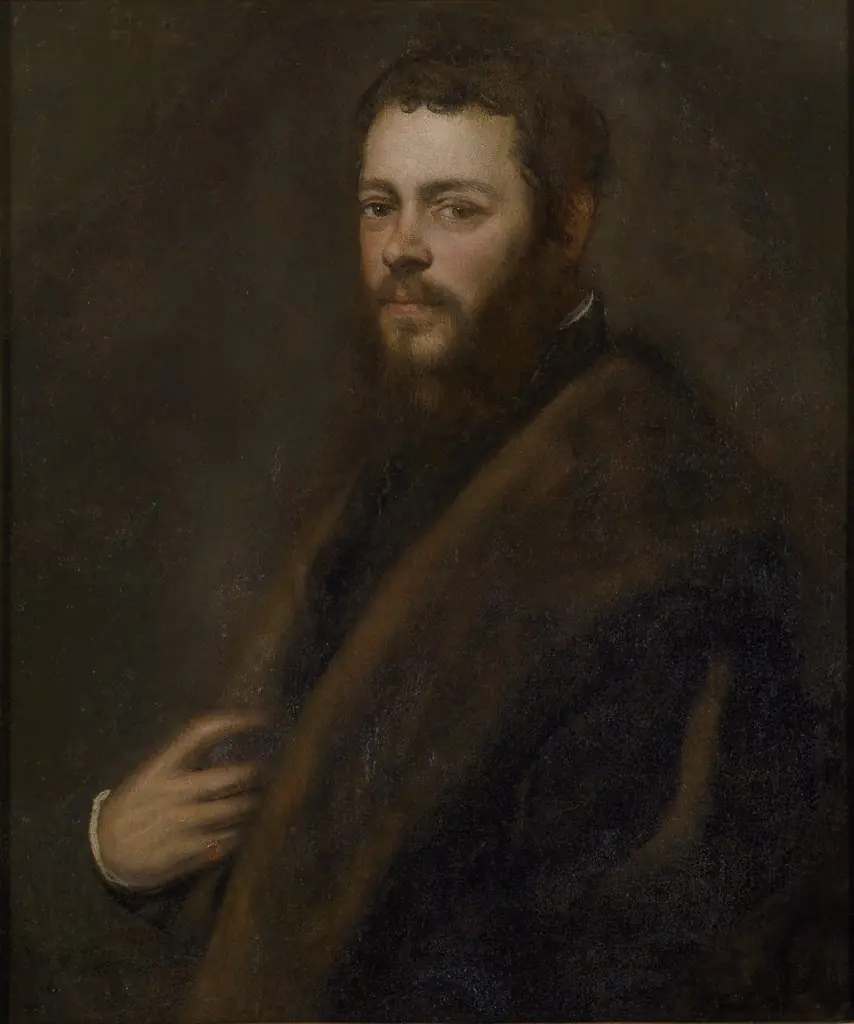 A Venetian Patrician
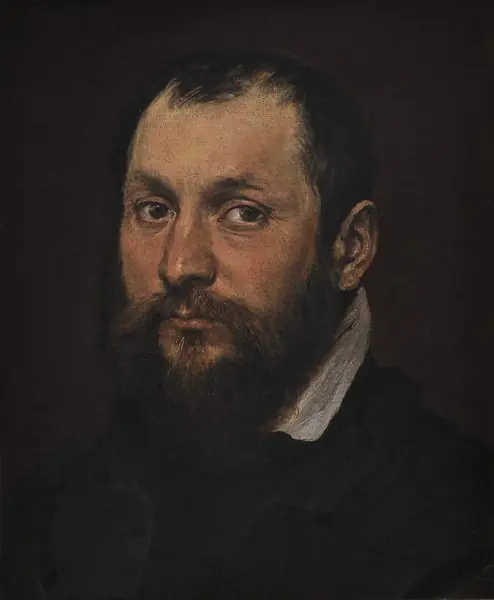 Portrait of a Man
 Self-portrait (?)
 Bildnis eines bärtigen Mannes