Artwork
The Martyrdom of the Apostles: St. Barnabas
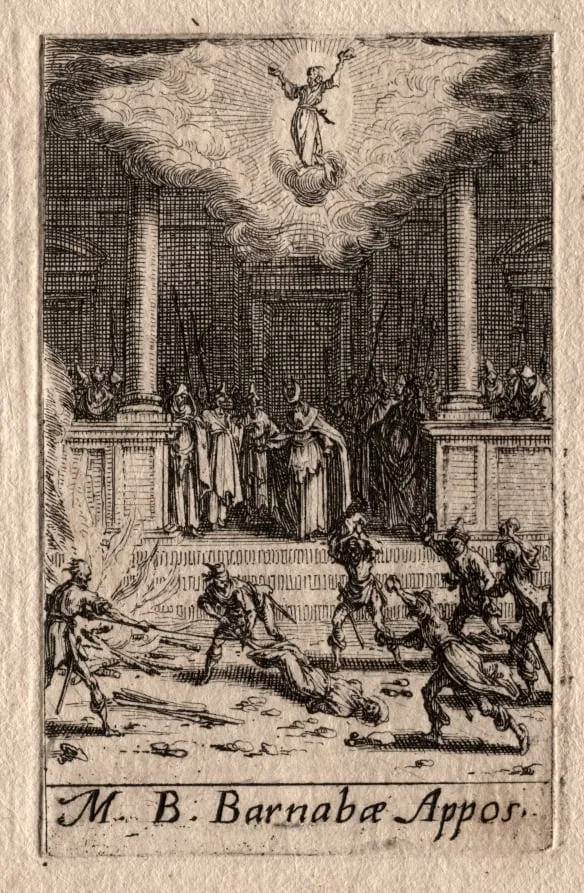
The Martyrdom of the Apostles: St. Barnabas is a print by the Baroque artist Jacques Callot. It dates from 1632 and is held in the collection of the Cleveland Museum of Art.
About this work
Overview
Created around 1632 by Jacques Callot, this etching depicts the martyrdom of Saint Barnabas, one of the early Christian apostles. Executed in the Baroque tradition, the work captures a moment of violent transition with intense emotional and physical dynamism. It is part of a series illustrating the deaths of the apostles and is currently held in the collection of The Cleveland Museum of Art.
Subject & Meaning
' identifies the subject and anchors the image in hagiographic tradition, reinforcing the sanctity of martyrdom.
The scene portrays Saint Barnabas at the moment of his execution, surrounded by onlookers and assailants. A celestial figure hovers above, suggesting divine witness or intervention. Below, soldiers drag his lifeless body by the feet, emphasizing the brutality of his death. The inscription 'M. B. Barnabae Appos.' identifies the subject and anchors the image in hagiographic tradition, reinforcing the sanctity of martyrdom.
Technique & Style
Callot employed fine-line etching to render intricate details and dramatic contrasts. The swirling clouds and layered figures create a sense of motion, while the sharp delineation of robes and armor heightens the tension. The composition directs the viewer’s eye diagonally from the celestial figure through the central martyr to the dragging soldiers, embodying Baroque principles of movement and emotional intensity.
History & Provenance
The print was produced during Callot’s mature period in Nancy, when he was commissioned to illustrate religious and historical narratives. It likely circulated among collectors and clergy interested in Counter-Reformation themes. The Cleveland Museum of Art acquired it as part of a broader collection of Northern European prints, preserving its historical and artistic significance.
Context
In the early 17th century, depictions of apostolic martyrdoms were common in Catholic Europe, serving both devotional and didactic purposes. Callot’s series responded to the Church’s emphasis on the sacrifices of early Christians, aligning with Counter-Reformation efforts to reinforce faith through vivid, emotionally charged imagery.
Legacy
Callot’s etchings of the apostles influenced later generations of printmakers through their technical precision and narrative clarity. While not widely exhibited today, this work remains a key example of how Baroque printmaking translated religious drama into intimate, accessible formats for private contemplation and scholarly study.
Artist & collection

Artist
Jacques Callot was a baroque printmaker and draftsman from the Duchy of Lorraine.

 Holy Family at supper
 Restoration of the Aqueduct at Pisa
 Restoration of the Aqueduct at Pisa
 Square in Paris with Many Figures
 Square in Paris with Many Figures
 Horsemen Attacked by Robbers
 HOW WILL A COVERED PART BE CORRECTED?HOW WIKA A COVERED HEART DEED CORRECTED?
![Christ Walking on the Water [second plate], by Jacques Callot](https://artifactworldgallery.com/img/jacques-callot--christ-walking-on-the-water-second-plate--2069f3bfe4cb2126-w320.webp) Christ Walking on the Water [second plate]
Christ Walking on the Water [second plate]
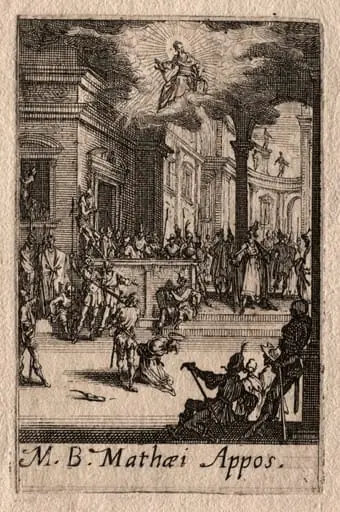 The Martyrdom of the Apostles: St. Matthew
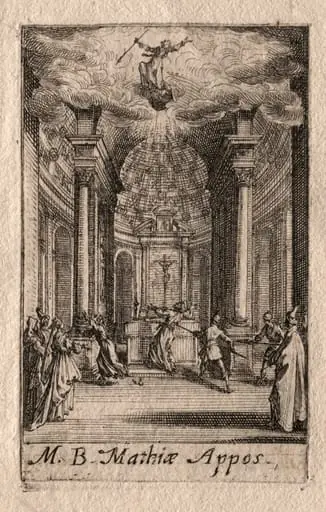 The Martyrdom of the Apostles: St. Matthias
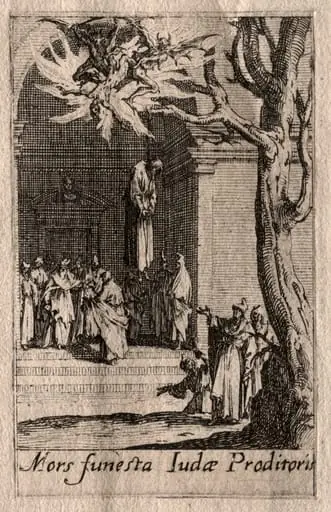 The Martyrdom of the Apostles: The Death of Judas
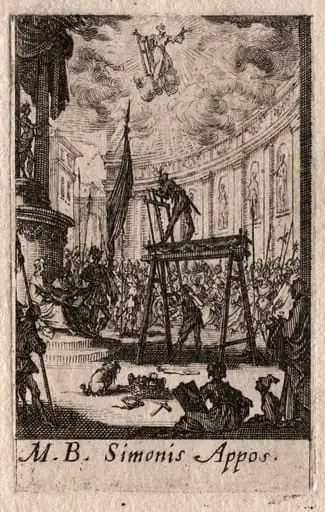 The Martyrdom of the Apostles: St. Simon
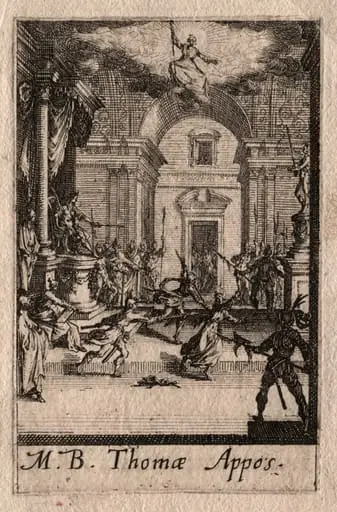 The Martyrdom of the Apostles: St. Thomas
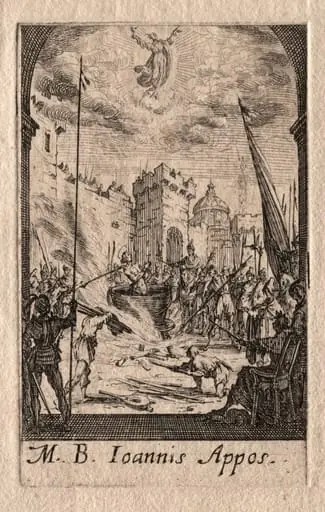 The Martyrdom of the Apostles: St. John the Evangelist
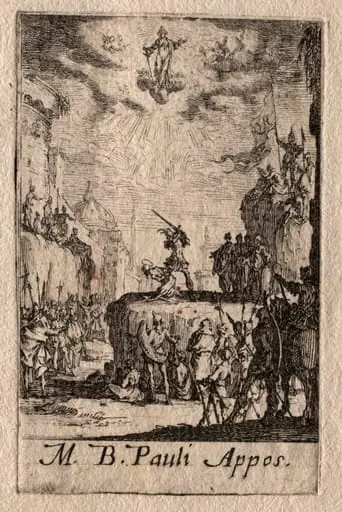 The Martyrdom of the Apostles: St. Paul