Artwork
Bildnis einer Fau mit golddurchwirkter Haube
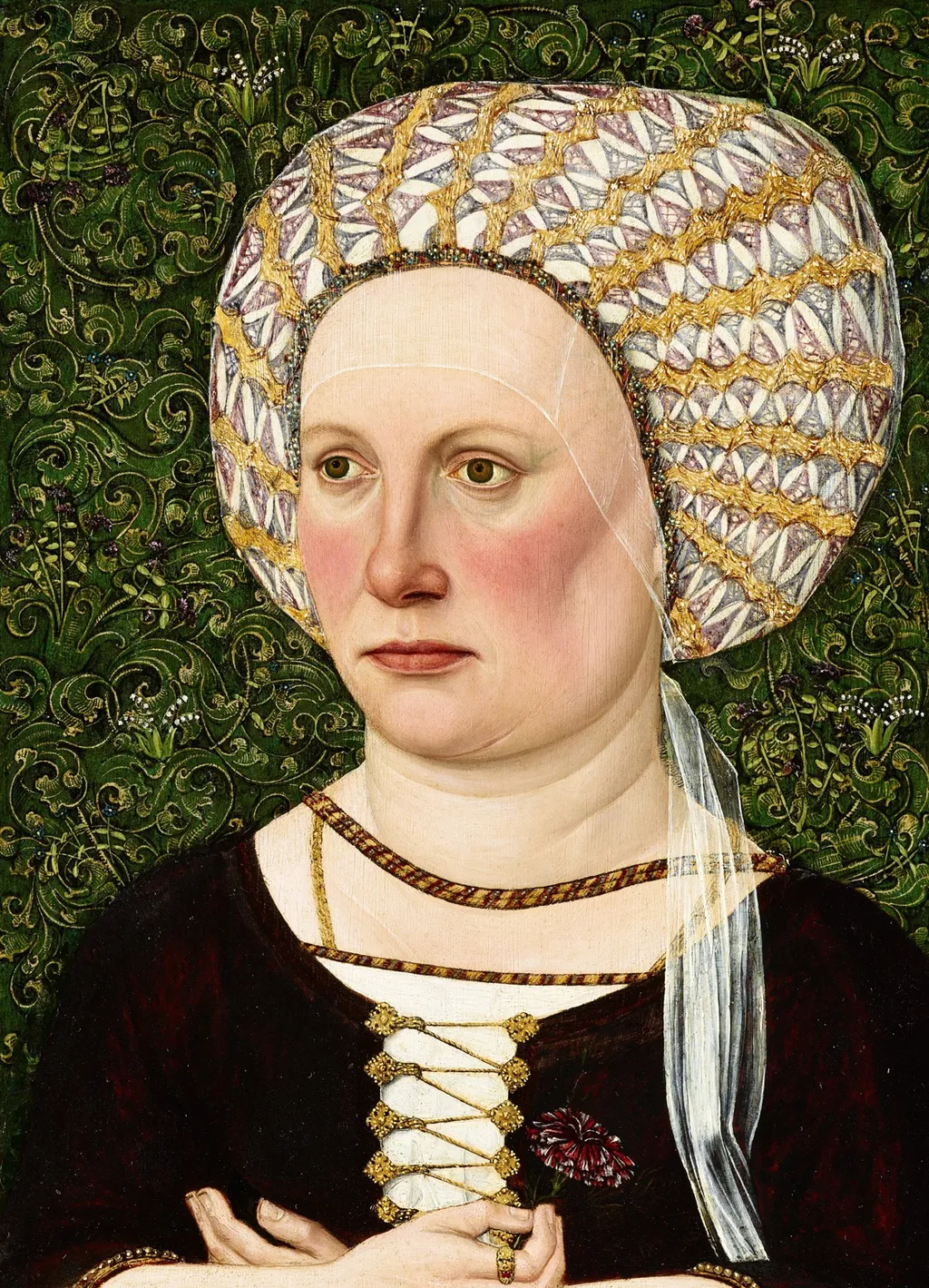
Bildnis einer Fau mit golddurchwirkter Haube is a paint painting by the Northern Renaissance artist Jakob Elsner. It dates from 1500 and is held in the collection of the Gemäldegalerie Berlin.
About this work
Overview
The composition is restrained, emphasizing the sitter’s presence through careful attention to textile detail and a calm, frontal gaze.
Painted in the year 1500 by Jakob Elsner, this portrait depicts a woman of modest aristocratic bearing. Executed in oil on panel, it is part of the collection at the Gemäldegalerie in Berlin. The composition is restrained, emphasizing the sitter’s presence through careful attention to textile detail and a calm, frontal gaze. The work reflects the conventions of early 16th-century Northern European portraiture.
Subject & Meaning
The woman is portrayed with solemn dignity, her hands folded in a gesture of composure and piety. Her attire — a dark gown with high collar and long sleeves — signals propriety, while the gold-threaded headscarf and jewelry suggest modest wealth. The direct gaze and lack of ornamentation in the background convey an emphasis on inner character rather than external display, typical of devotional portraiture of the period.
Technique & Style
Elsner employs fine brushwork to render the textures of fabric and metal thread in the headdress, with subtle gradations of light defining the contours of the face and hands. The green floral background, though decorative, is rendered with a softness that avoids distraction. The palette is muted, dominated by earth tones and metallic accents, reinforcing the portrait’s quiet formality and attention to material detail.
History & Provenance
The painting has been in the collection of the Gemäldegalerie Berlin since at least the 19th century. Its attribution to Jakob Elsner, a lesser-known artist active in southern Germany around 1500, is based on stylistic comparison with other regional works. No documented ownership history predates its acquisition by the museum, though its craftsmanship suggests it was commissioned by a local patrician family.
Context
Created during the transition from late Gothic to early Renaissance styles in German-speaking regions, the portrait reflects enduring Gothic traditions in its emphasis on surface detail and symbolic restraint. Unlike Italian portraiture of the time, it avoids idealization, favoring a direct, unadorned representation. Such works often served as private devotional images or records of familial status within urban merchant classes.
Legacy
Though Jakob Elsner left few documented works, this portrait remains a representative example of regional Northern European portraiture from the turn of the 16th century. It contributes to scholarly understanding of how local artists adapted broader European trends to suit domestic tastes. Its preservation in a major public collection ensures continued study of everyday visual culture in pre-Reformation Germany.
Own this work as a print
Artist & collection

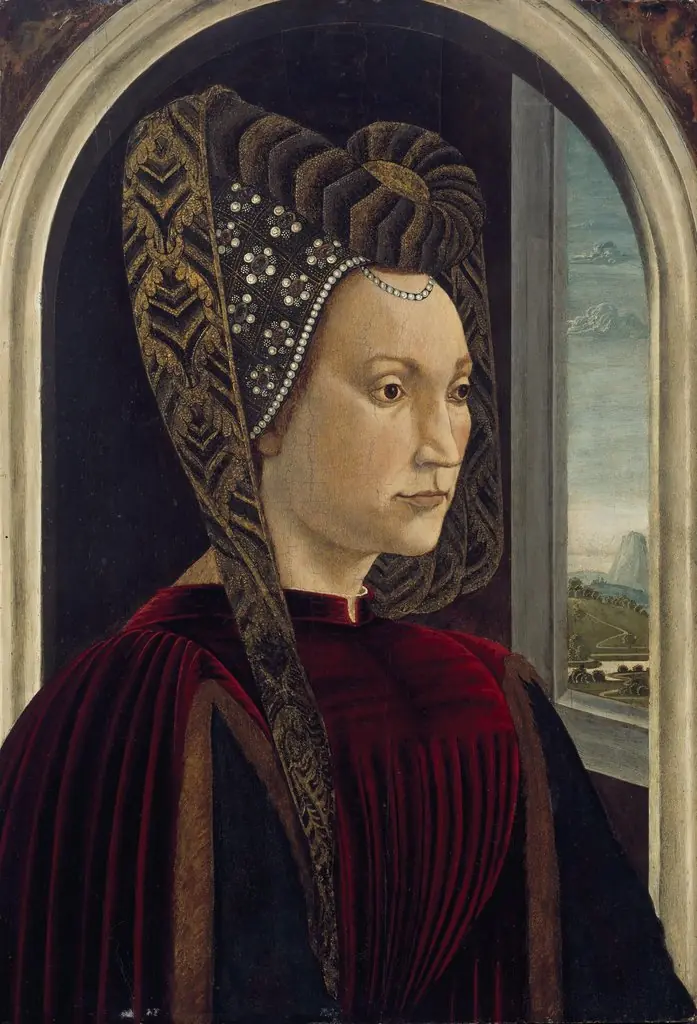 Presumed Portrait of Clarice Orsini, Wife of Lorenzo the Magnificent
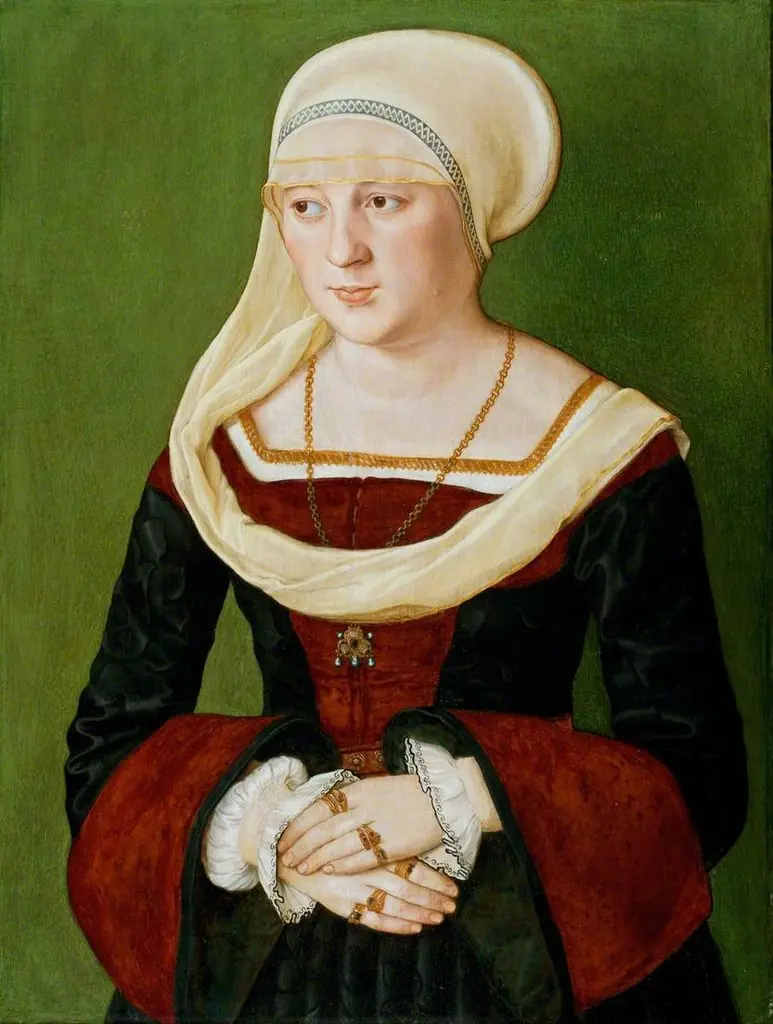 Portrait of Anna Scheit, née Mem(m)inger
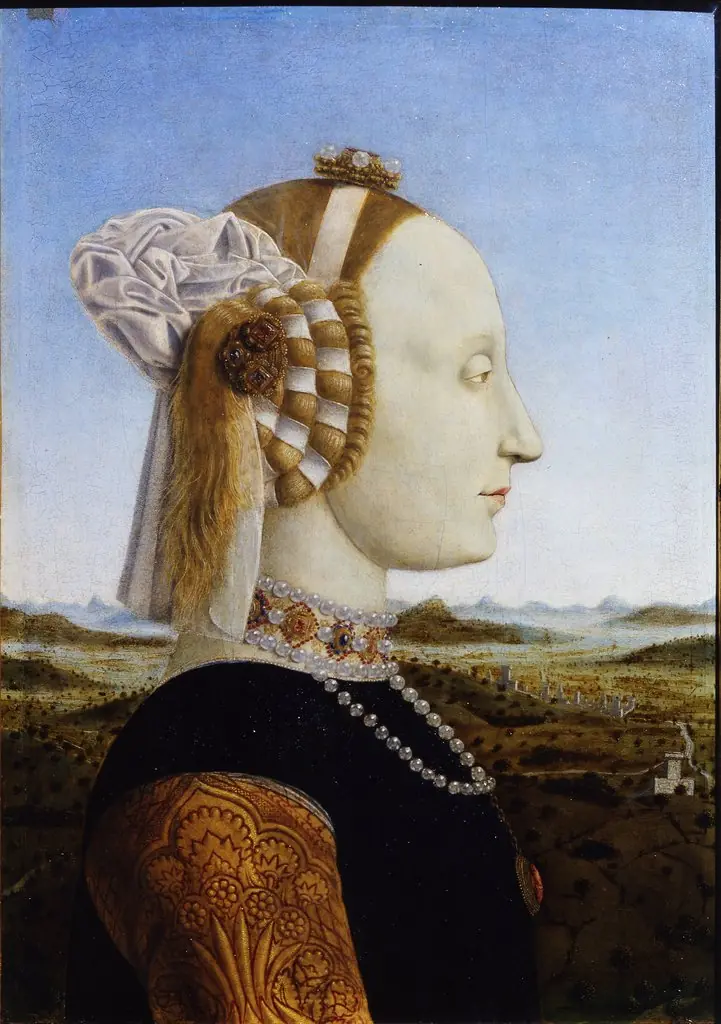 Portrait of Battista Sforza
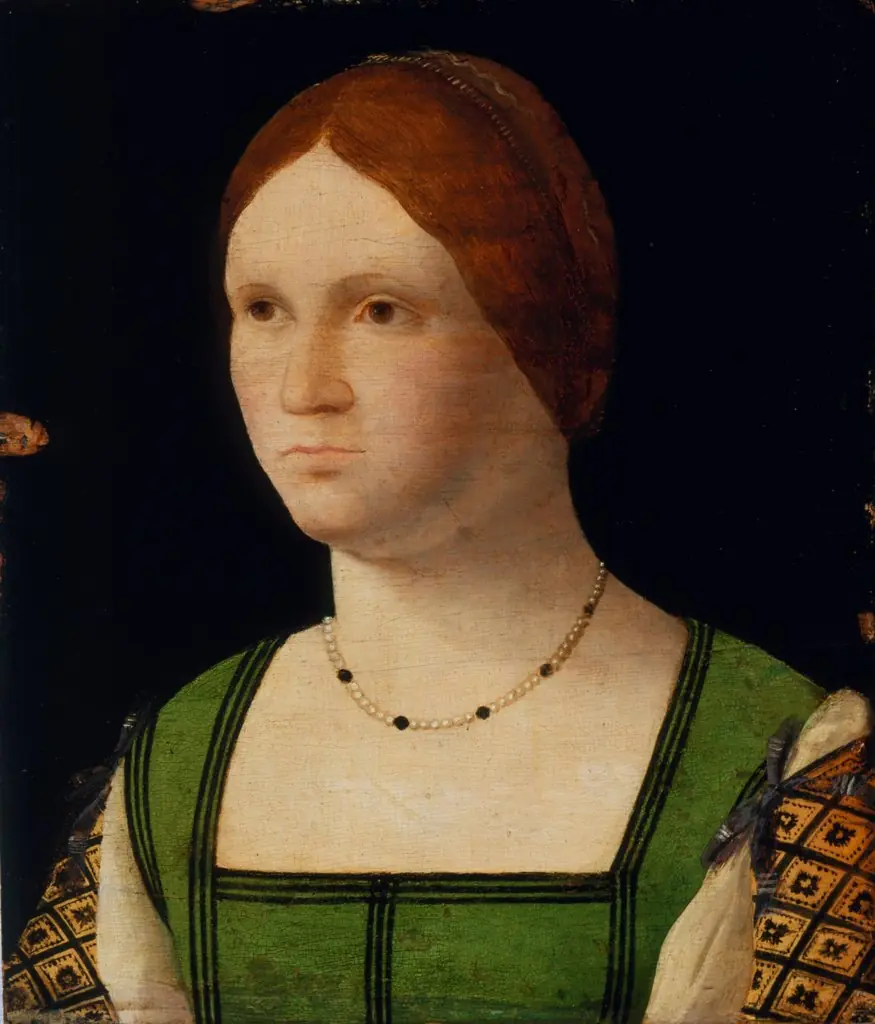 Portrait of a Young Woman
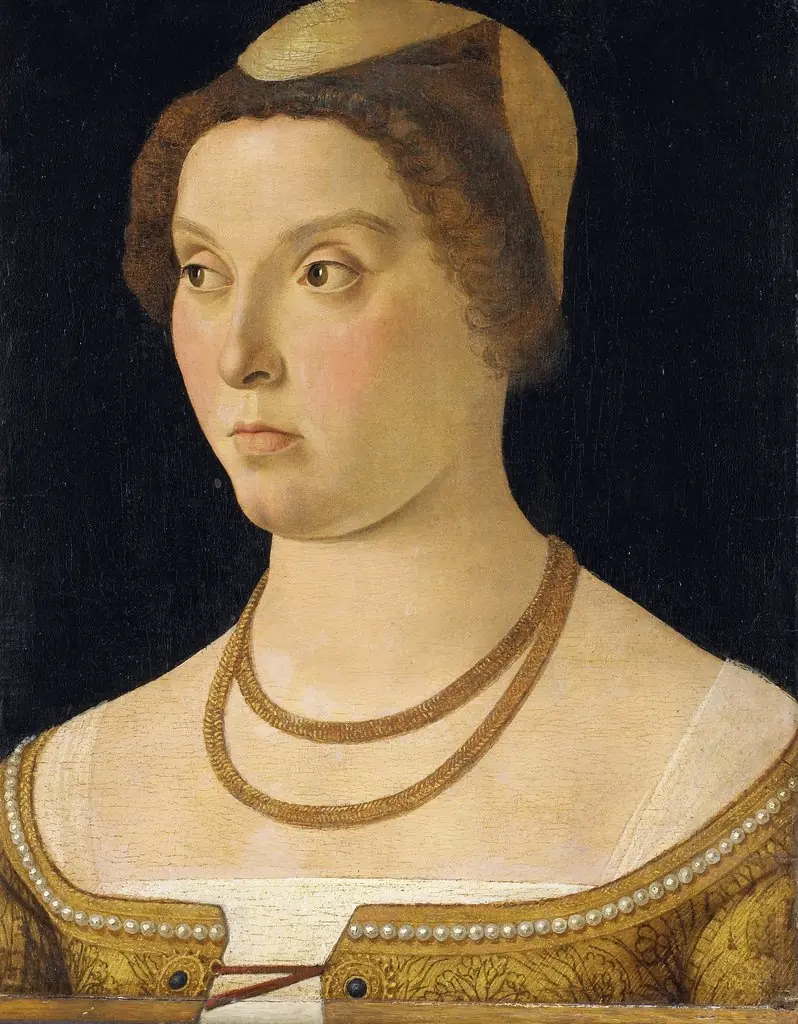 Portrait of a Woman
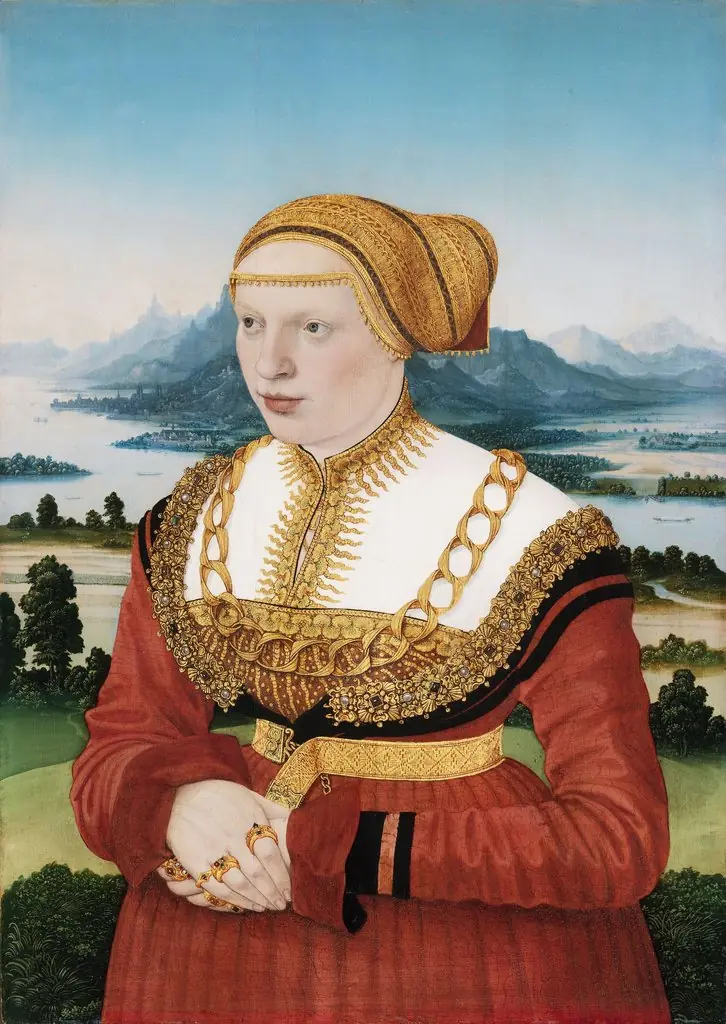 Portrait of Katherina Knoblauch (1513-1542)
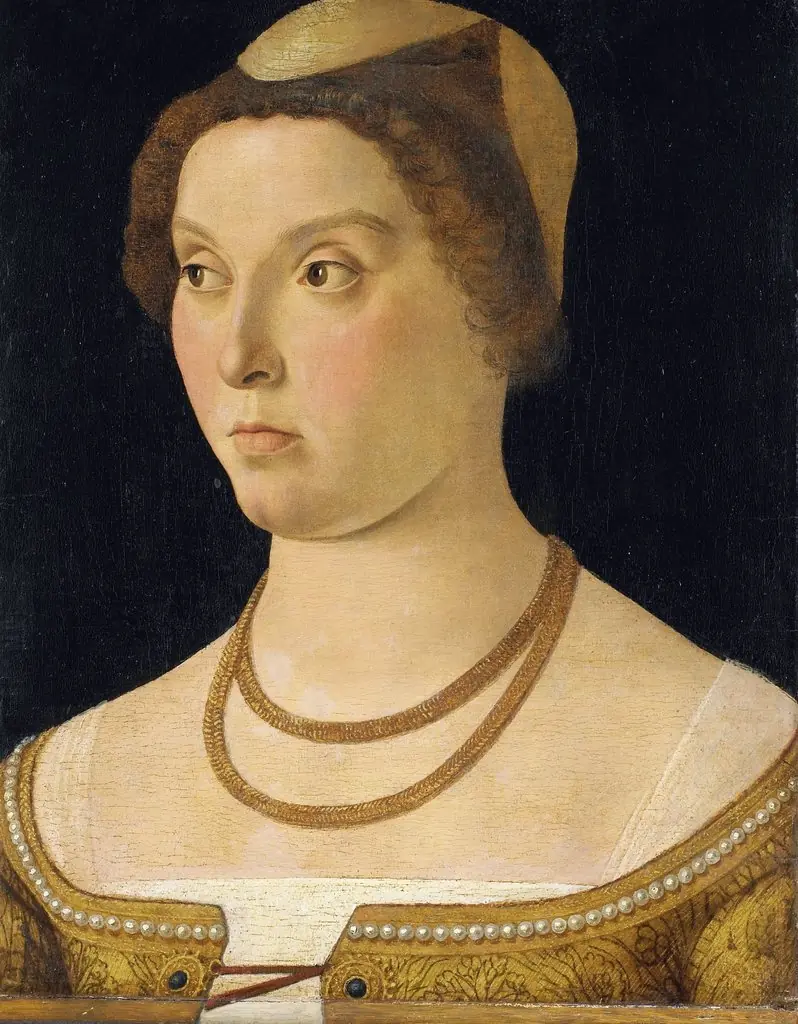 bust of woman
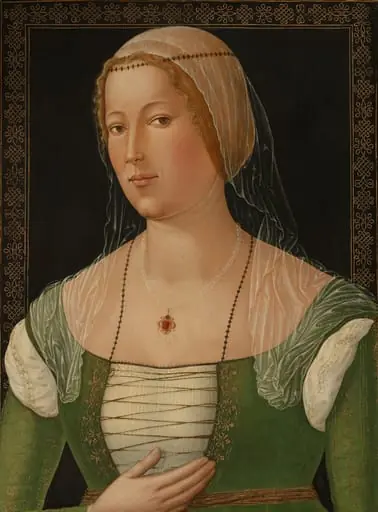 Portrait of a Young Woman
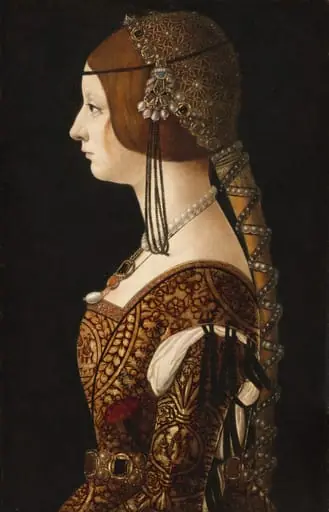 Bianca Maria Sforza
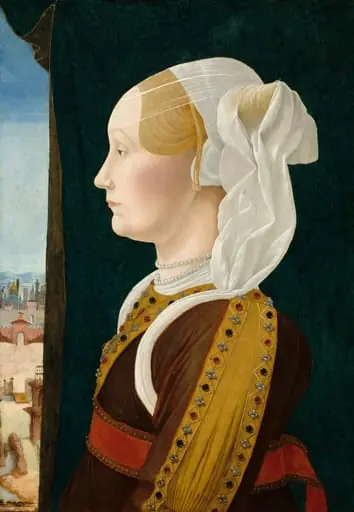 Ginevra Bentivoglio
 Portrait of a Woman
 Suselen