Artwork
Russian Music
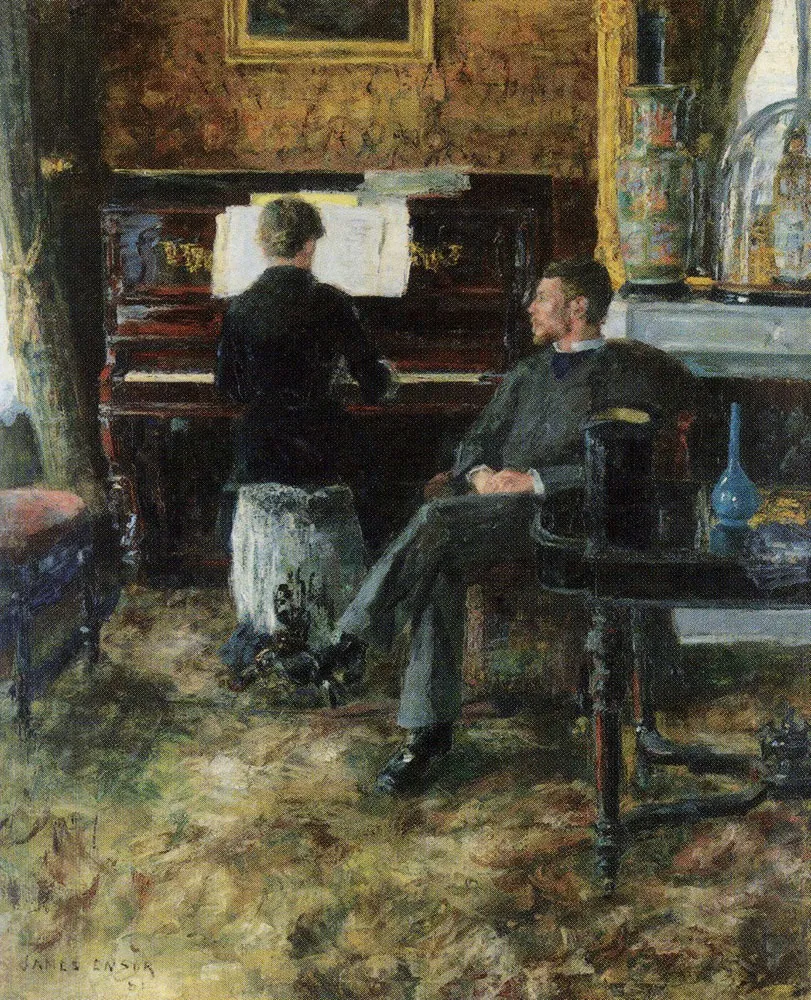
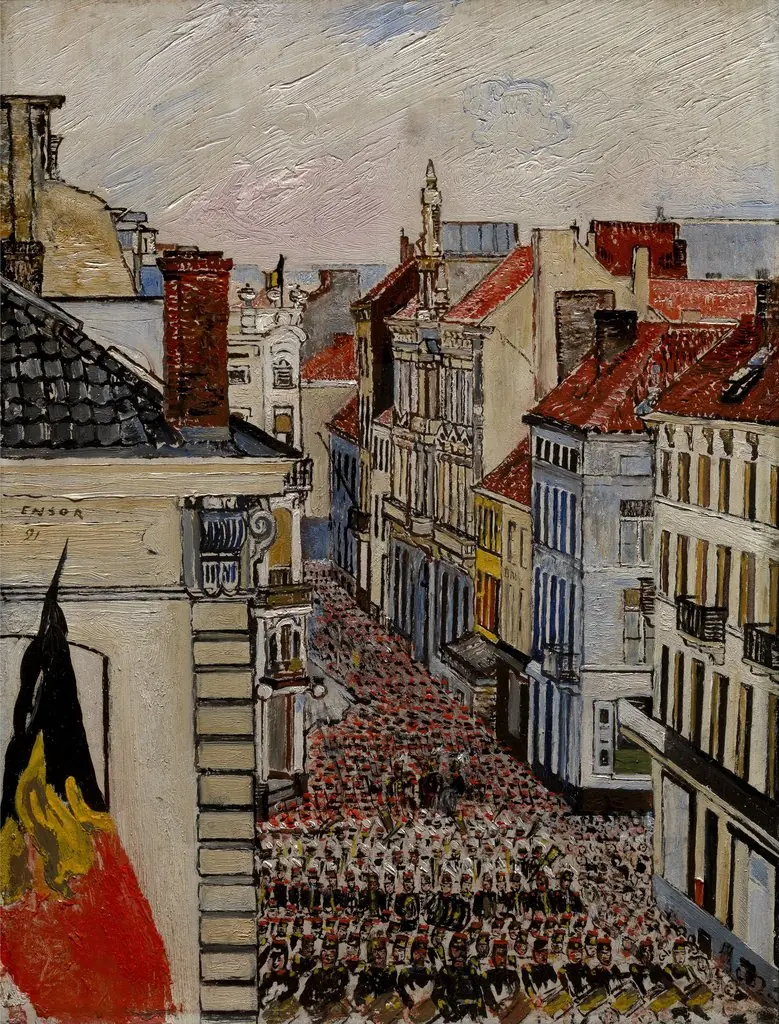
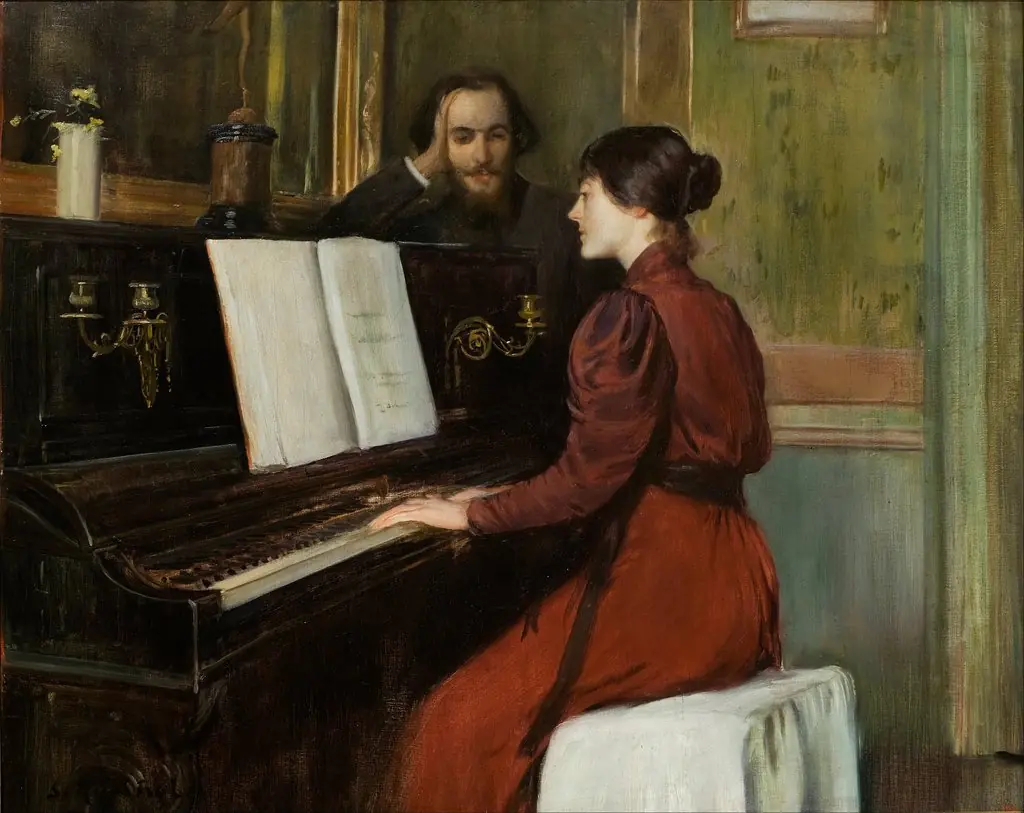
Russian Music is an oil painting by the Post-Impressionist artist James Ensor. It dates from 1891 and is held in the collection of the Royal Museums of Fine Arts of Belgium.
About this work
Overview
Painted in 1891 by Belgian artist James Ensor, *Russian Music* is an oil-on-canvas work that reflects his engagement with post-impressionist sensibilities.
Painted in 1891 by Belgian artist James Ensor, *Russian Music* is an oil-on-canvas work that reflects his engagement with post-impressionist sensibilities. Though Ensor is often linked to symbolic and grotesque imagery, this piece departs into quiet domesticity. It resides in the Royal Museums of Fine Arts of Belgium, part of a broader collection that includes his more provocative prints and paintings. The scene captures an intimate moment, rendered with restrained emotion and subtle lighting.
Subject & Meaning
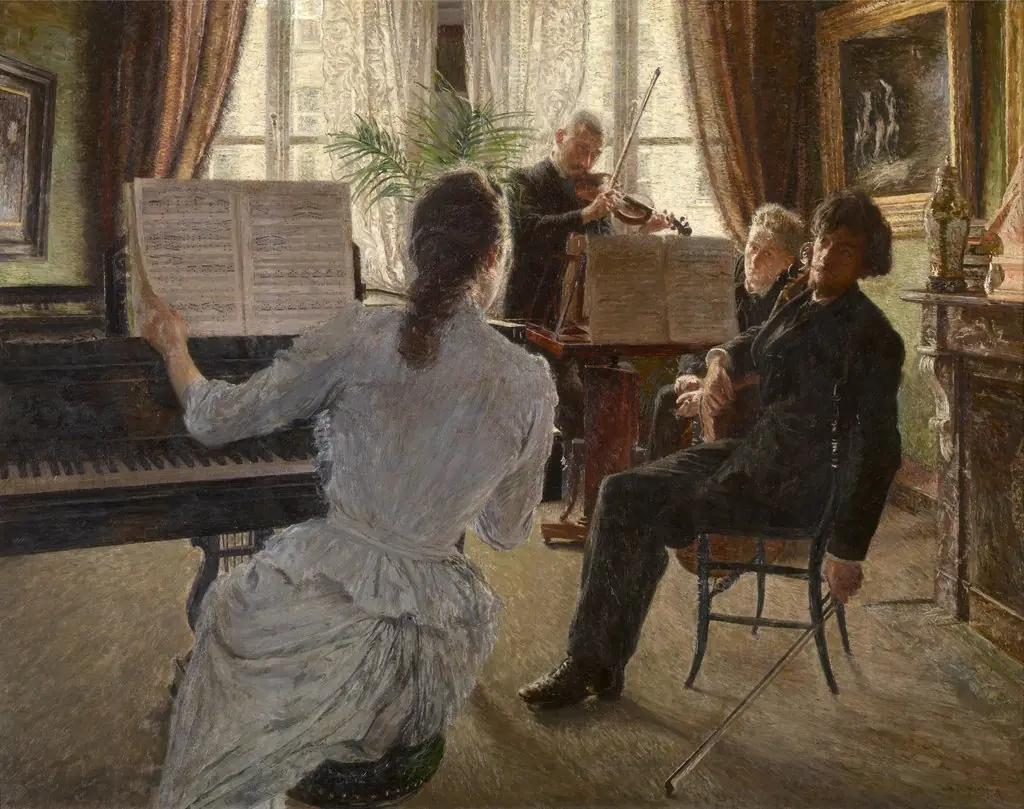
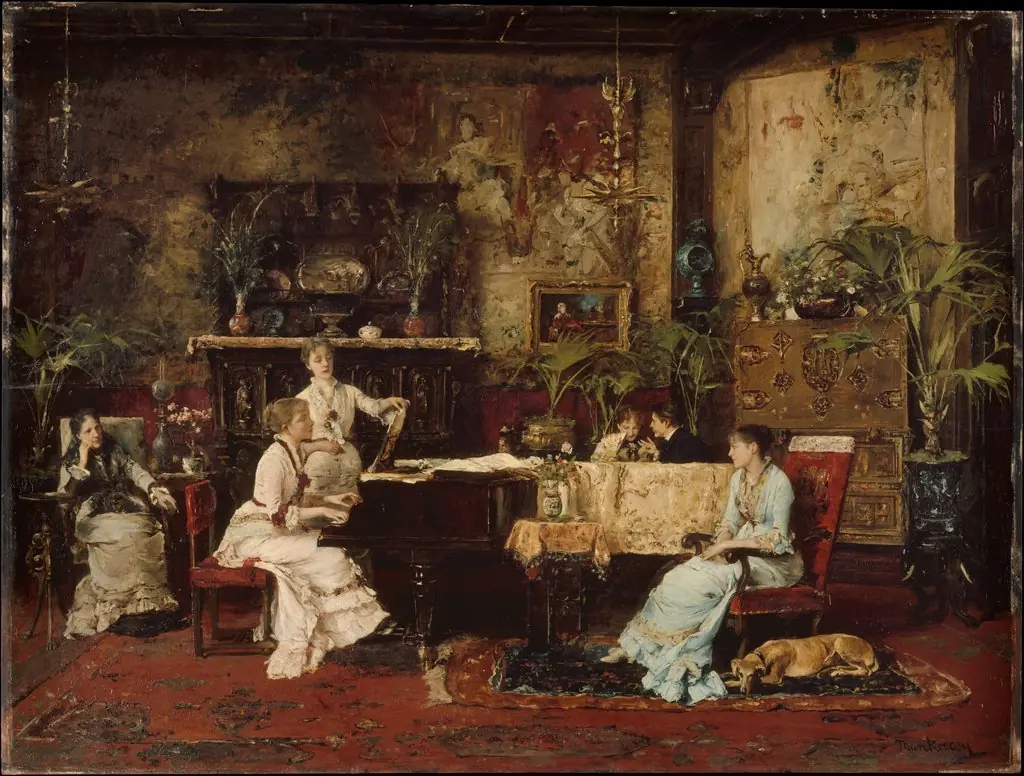
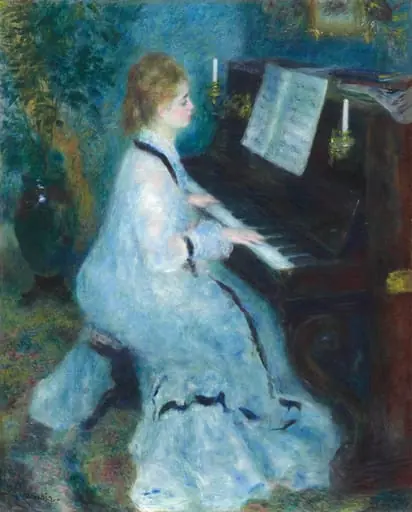
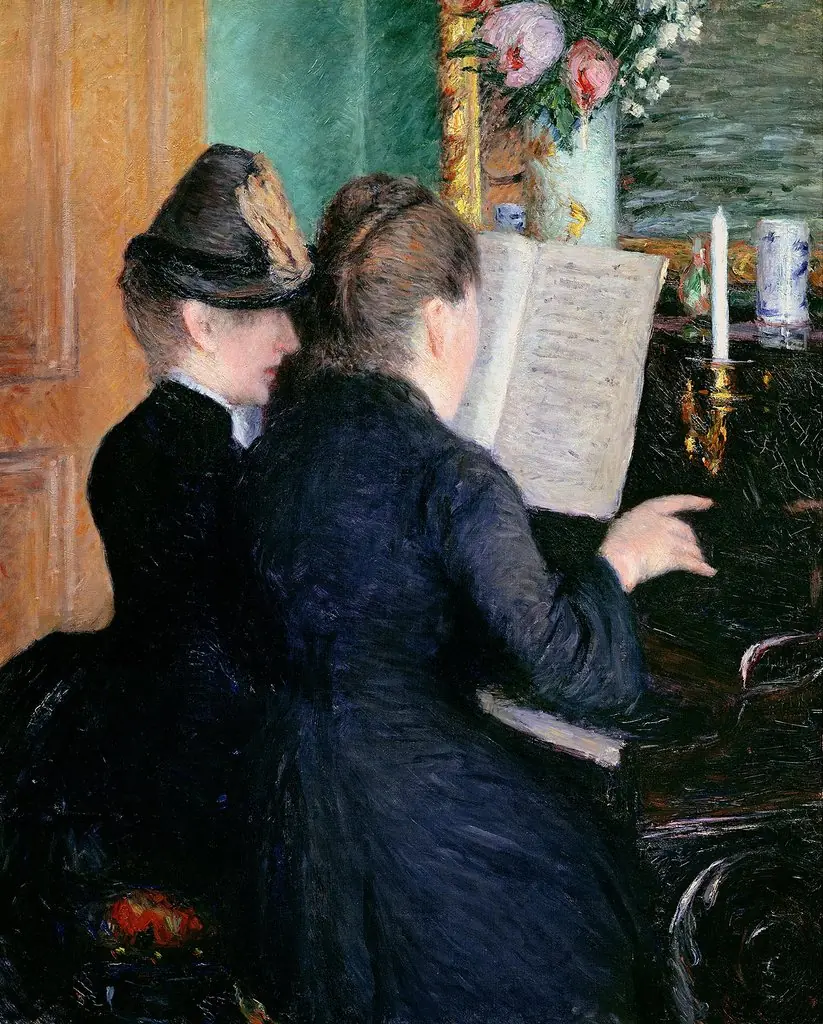
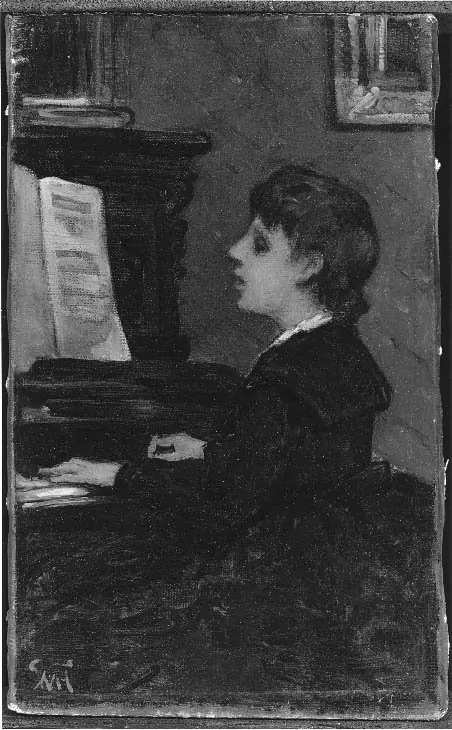
The painting portrays a man seated in a chair and a woman standing beside a piano, suggesting a private musical moment. The absence of overt narrative or theatricality invites interpretation as a meditation on solitude and shared quietude. The title, *Russian Music*, may allude to the cultural resonance of Russian compositions in late-19th-century Europe, though no specific piece is depicted. The figures’ stillness and the dim interior emphasize introspection over performance.
Technique & Style
Ensor employs chiaroscuro to model forms and define spatial depth, using soft transitions between light and shadow rather than stark contrasts. Warm, muted tones—ochres, browns, and deep reds—dominate the palette, enhancing the sense of enclosed calm. Brushwork is deliberate but not overly detailed, favoring atmospheric cohesion over precision. The composition is tightly framed, directing focus to the piano and the two figures, whose postures suggest unspoken connection.
History & Provenance
Created during Ensor’s mature period, *Russian Music* was produced in Ostend, where he lived and worked for most of his life. It entered the collection of the Royal Museums of Fine Arts of Belgium in the early 20th century, likely through acquisition or donation following his association with the avant-garde group Les XX. Its preservation within a national institution underscores its recognition as a significant, if understated, part of his oeuvre.
Context
In the 1890s, Ensor was increasingly interested in interior scenes and psychological nuance, moving beyond the satirical and fantastical that defined his earlier work. *Russian Music* reflects a broader European fascination with domestic intimacy and the emotional weight of music in private life. The painting aligns with contemporaneous trends in French and Belgian art that valued mood and atmosphere over narrative clarity.
Legacy
Though less celebrated than Ensor’s more eccentric works, *Russian Music* remains a quiet testament to his range as a painter. It demonstrates his ability to convey emotional depth through restraint, influencing later artists interested in psychological interiors. Its presence in a major Belgian museum ensures its continued study as an example of post-impressionist domestic realism, distinct from the artist’s more flamboyant output.
Artist & collection
Artist
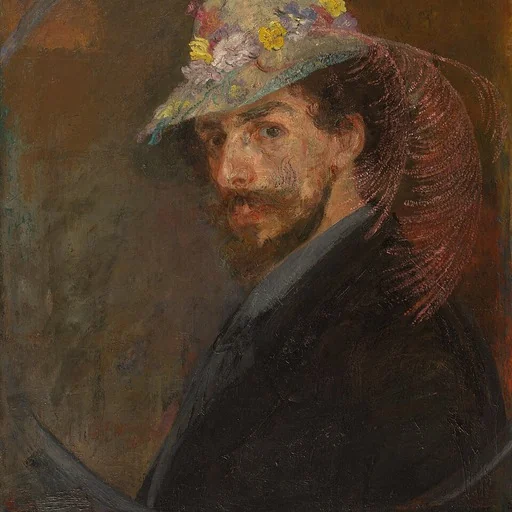
James Sidney Edouard, Baron Ensor (13 April 1860 – 19 November 1949) was a Belgian painter and printmaker, an important influence on expressionism and surrealism who lived in Ostend for most of his life.

Museum
Royal Museums of Fine Arts of Belgium
Continue through works from the same source collection.