Artwork
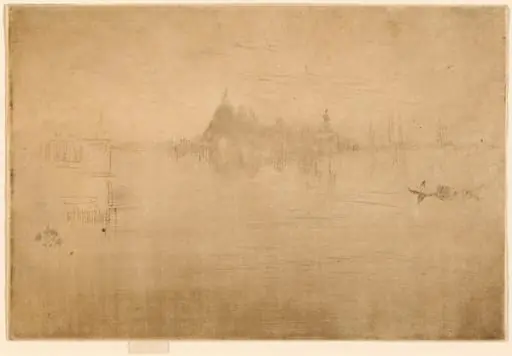
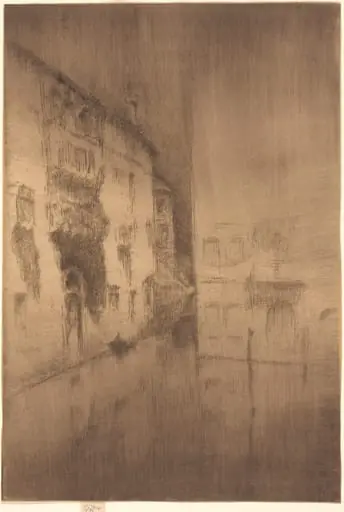
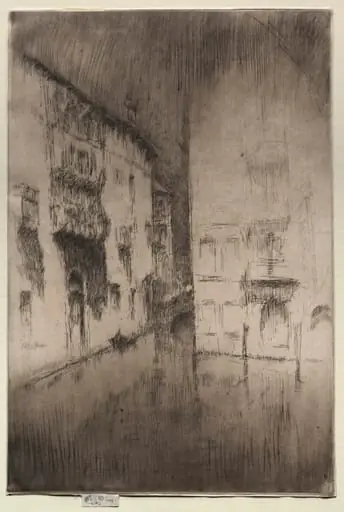
Nocturne: Salute
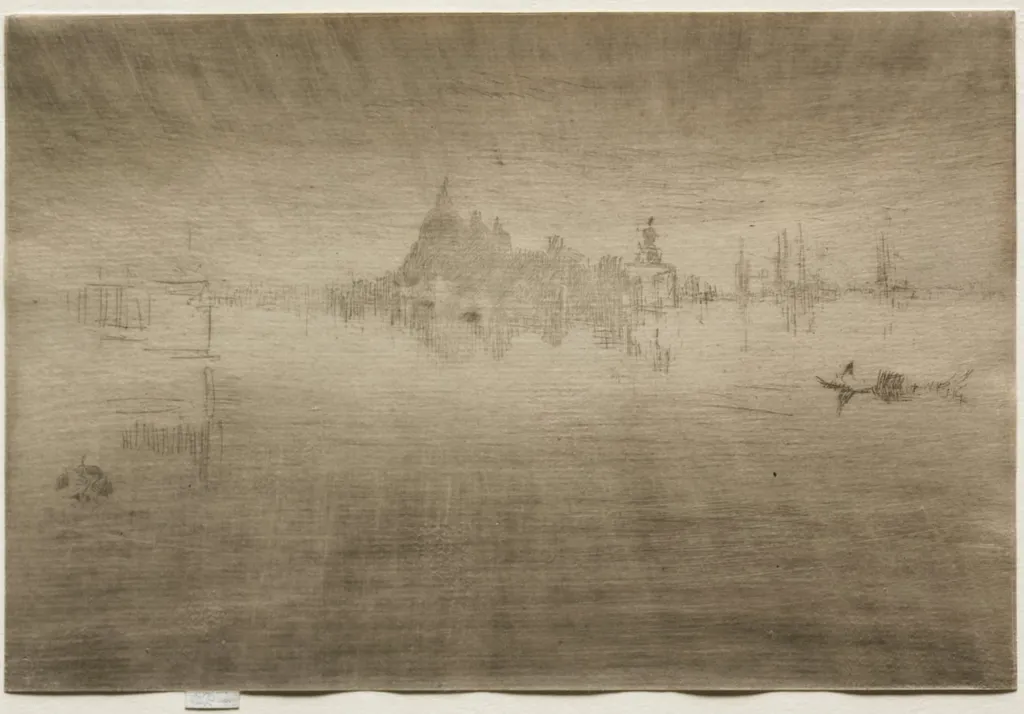
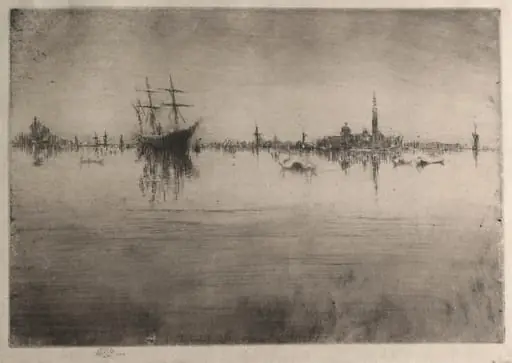
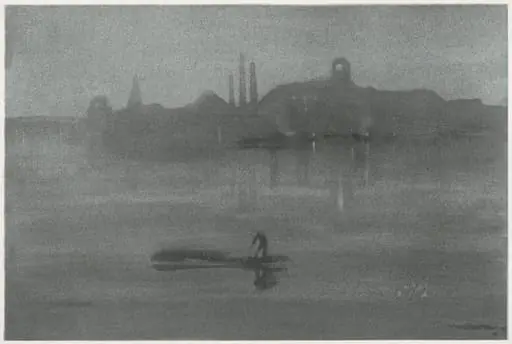
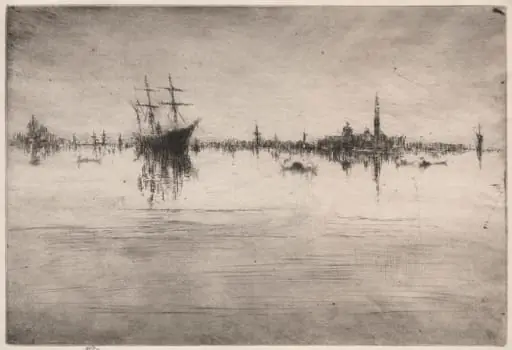
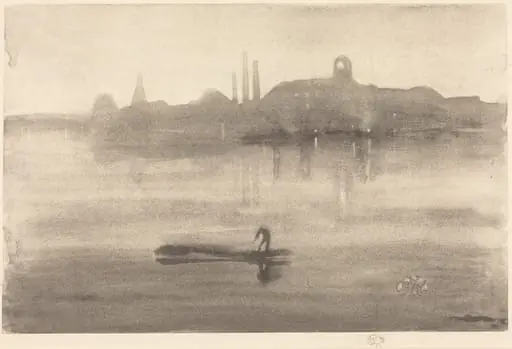
Nocturne: Salute is a print by the Impressionist artist James McNeill Whistler. It dates from 1880 and is held in the collection of the Cleveland Museum of Art.
About this work
Overview
Nocturne: Salute, completed in 1880 by James McNeill Whistler, is a print that captures a quiet urban night scene.
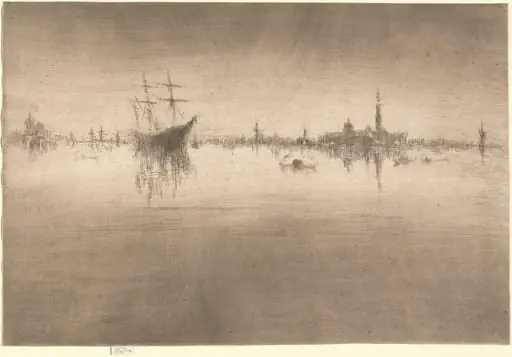
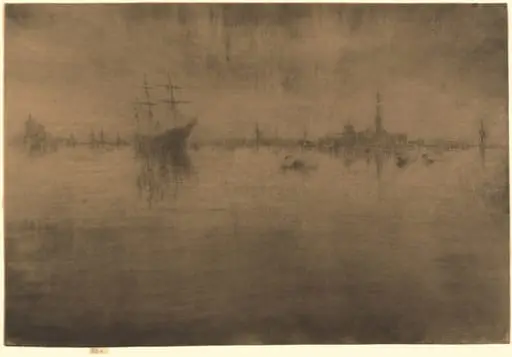
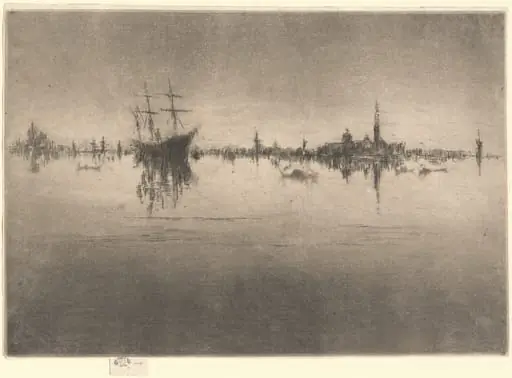
Nocturne: Salute, completed in 1880 by James McNeill Whistler, is a print that captures a quiet urban night scene. It belongs to a series of nocturnes in which Whistler explored the interplay of light, shadow, and atmosphere. The work is part of the collection at The Cleveland Museum of Art, where it is recognized for its tonal subtlety and restrained composition, reflecting Whistler’s interest in musical analogies for visual harmony.
Subject & Meaning
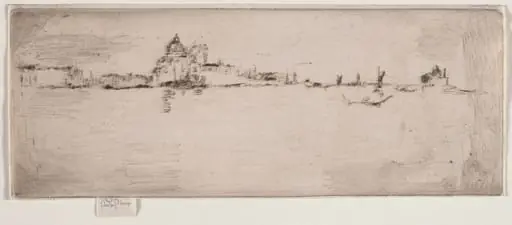
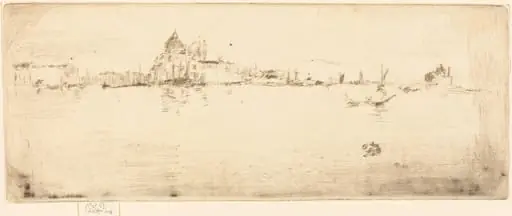
The scene centers on a dominant architectural form, flanked by smaller structures, all rendered with minimal detail. The absence of human figures and the stillness of the water suggest a meditative, almost abstract contemplation of night. Whistler avoided narrative, instead emphasizing mood and sensory impression. The title 'Salute' hints at a gesture of reverence toward the quiet dignity of the urban landscape under moonlight.
Technique & Style
Whistler employed a limited palette of deep blues, grays, and muted blacks, using delicate tonal gradations to evoke depth and lunar glow. The print’s surface reveals subtle brushwork and ink textures, suggesting spontaneity rather than precision. His approach prioritized atmospheric effect over topographical accuracy, aligning with his belief that art should evoke emotion through harmony of tone rather than literal representation.
History & Provenance
Created in 1880, Nocturne: Salute emerged during Whistler’s mature period, when he was refining his nocturne series after years of experimentation with etching and lithography. The print entered The Cleveland Museum of Art’s collection in the early 20th century, likely through a private donation or acquisition focused on American printmakers. Its provenance reflects growing institutional interest in Whistler’s non-traditional approaches to printmaking.
Context
Whistler’s nocturnes were developed in dialogue with the Aesthetic Movement, which valued beauty and sensory experience over moral or historical content. While contemporaries like the Impressionists painted light outdoors, Whistler worked from memory and studio studies, favoring controlled, poetic interpretations of night. His prints circulated among collectors who appreciated their quiet innovation and departure from academic norms.
Legacy
Nocturne: Salute exemplifies Whistler’s influence on modern printmaking and tonal painting. His emphasis on atmosphere over detail paved the way for later abstract and expressive approaches in 20th-century art. Though less celebrated than his oil paintings, his nocturne prints remain important for their quiet redefinition of subject matter and their role in shifting artistic priorities from representation to emotional resonance.
Artist & collection
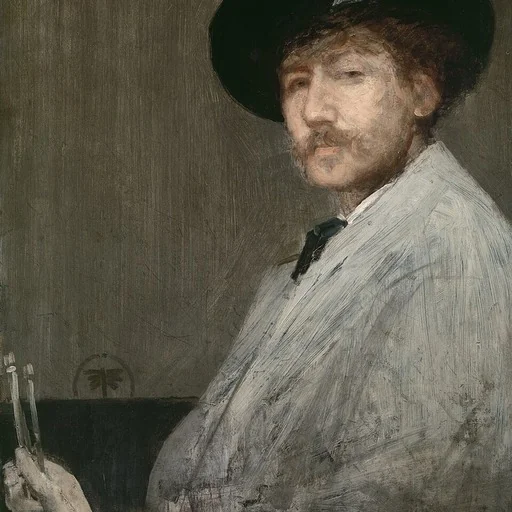
Artist
James Abbott McNeill Whistler was an American painter in oils and watercolor, and printmaker, active during the American Gilded Age and based primarily in the United Kingdom.

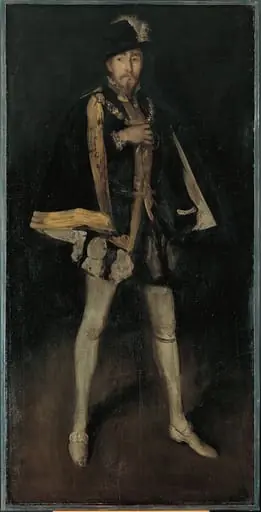 Arrangement in Black, No. 3: Sir Henry Irving as Philip II of Spain
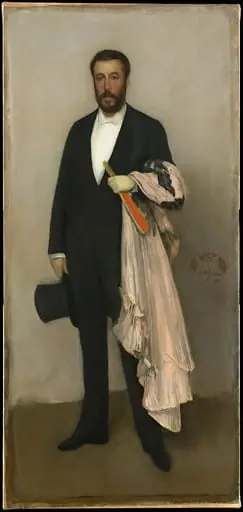 Arrangement in Flesh Colour and Black: Portrait of Theodore Duret
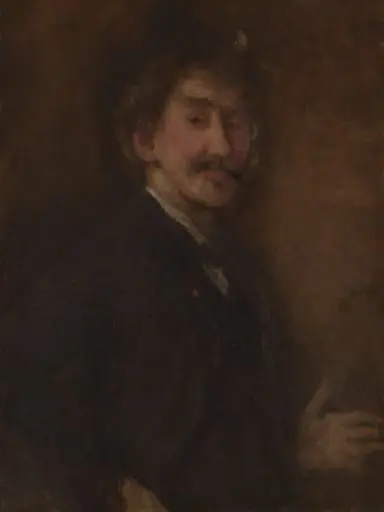 Gold and Brown: Self-Portrait
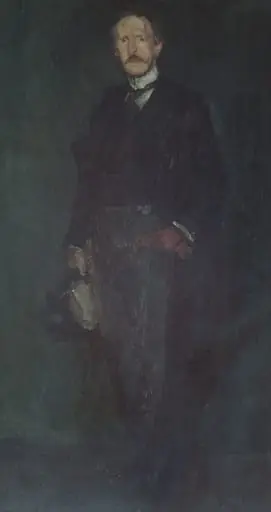 Edward Guthrie Kennedy
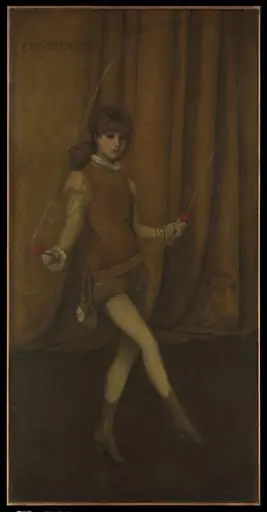 Harmony in Yellow and Gold: The Gold Girl—Connie Gilchrist
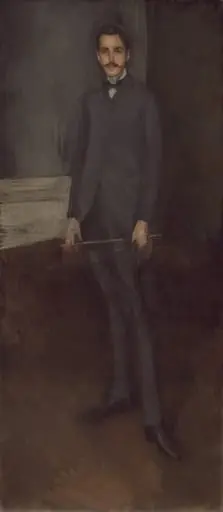 George W. Vanderbilt
 Symphony in White, No. 1: The White Girl
 Henry Irving as Philip II of Spain