Artwork
Portrait of Susan Coren Towers
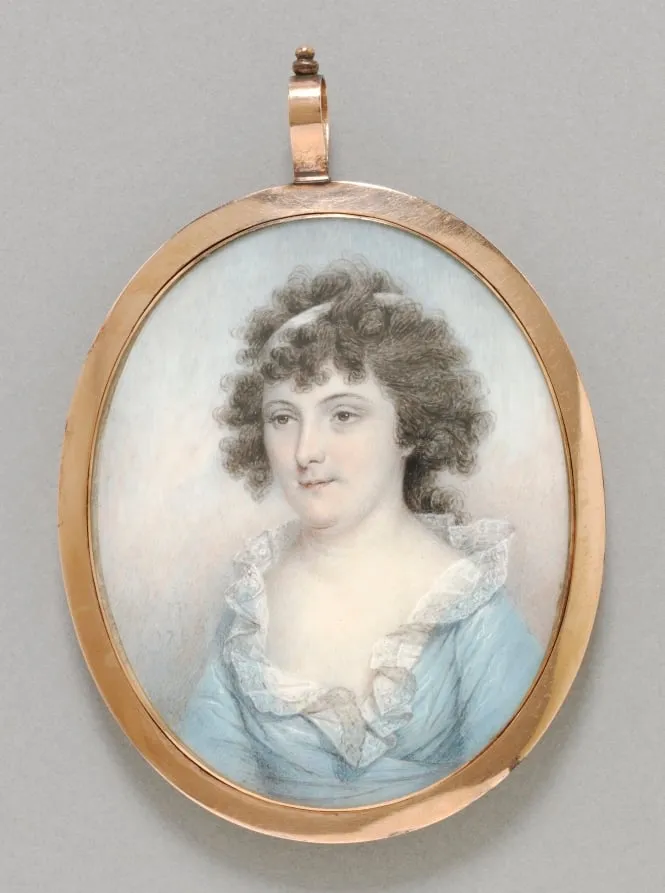
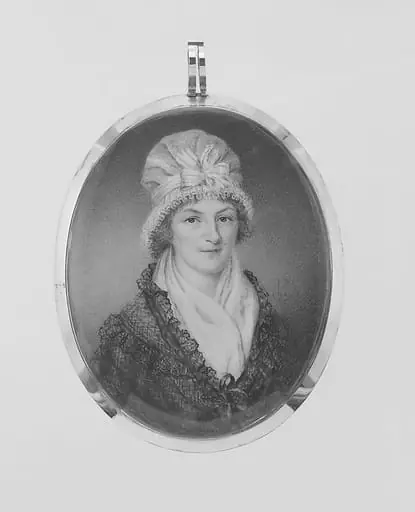
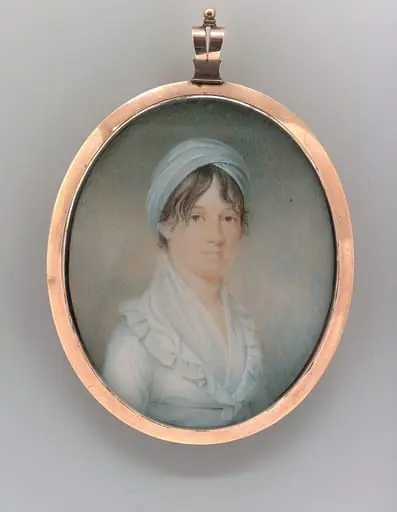
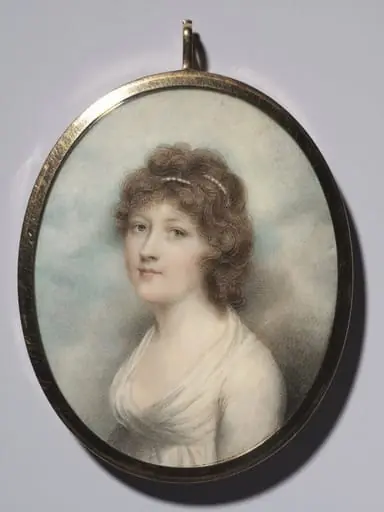
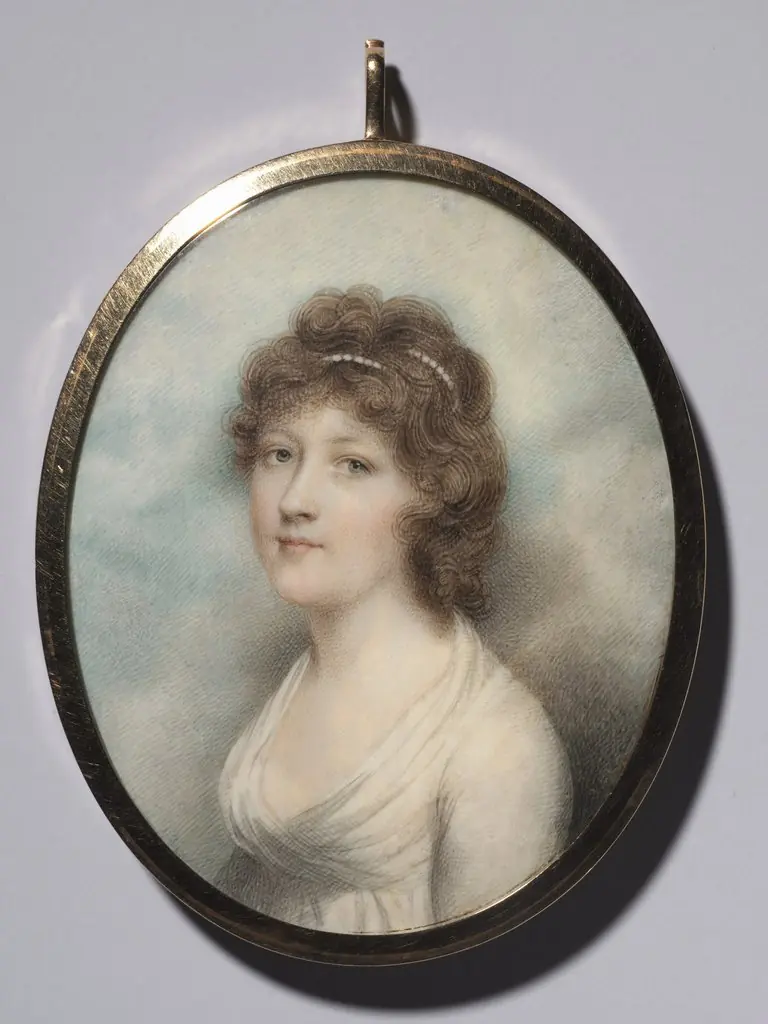
Portrait of Susan Coren Towers is an unspecified portrait miniature by the American Folk Art artist James Peale. It dates from 1796 and is held in the collection of the Cleveland Museum of Art.
About this work
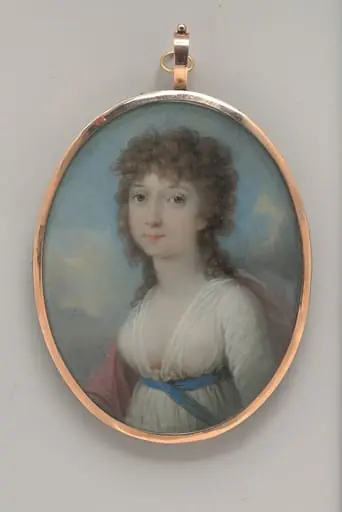
Here, the sitter’s dress is slightly crooked, her curls springy, and her lips curl up just a bit—tiny clues that she had a personality, not just a pedigree.
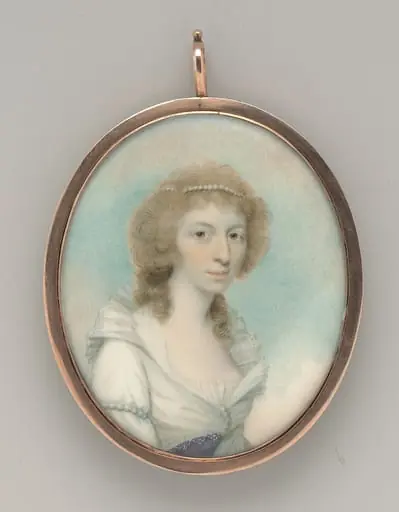
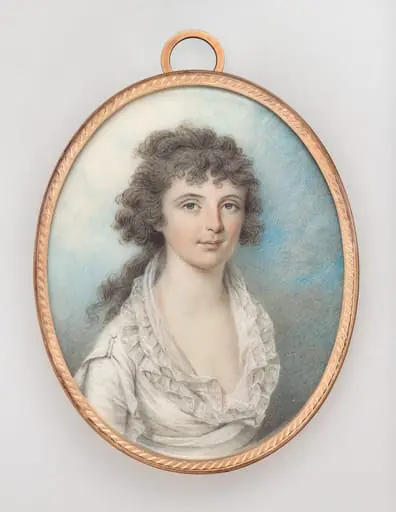
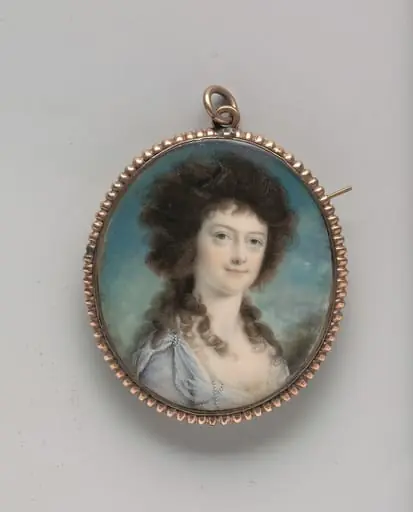
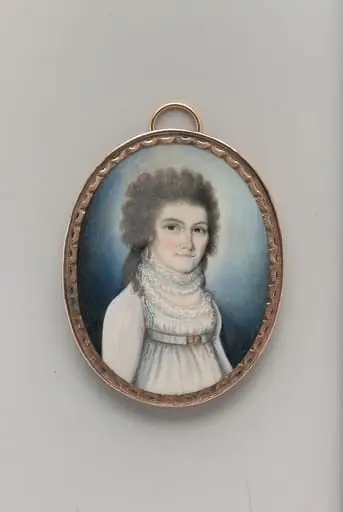
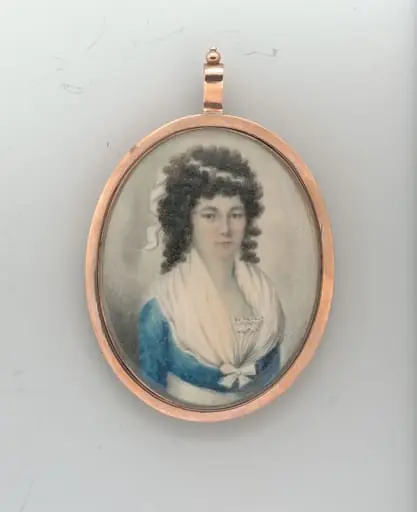
You see a small oval portrait of a woman in a white dress with pink trim, her dark curls framing a face that almost smiles.
James Peale painted this in 1796, when most miniatures showed stiff, formal poses. Here, the sitter’s dress is slightly crooked, her curls springy, and her lips curl up just a bit—tiny clues that she had a personality, not just a pedigree. The back holds locks of hair from two people, not one.
Look up more portraits from america, late 18th century, american to see how rare this relaxed style was.
Overview
Painted in 1796 by James Peale, this miniature portrait depicts Susan Coren Towers, daughter of a Revolutionary War officer and wife of a woolen goods merchant. Meant for private viewing, the work stands apart from the rigid conventions of its time through its informal composition and subtle expressiveness. Its small scale and intimate format reflect the personal nature of early American portraiture, while its details suggest a deliberate departure from formal norms.
Subject & Meaning
Susan Coren Towers is portrayed not as a symbol of status but as an individual with quiet vitality. Her slightly tilted posture, loose curls, and faint smile convey a sense of personal character rather than social conformity. The inclusion of hair from two individuals on the reverse—likely hers and that of a close relation—transforms the piece into a private keepsake, hinting at emotional bonds beyond lineage or wealth.
Technique & Style
James Peale employed watercolor on ivory, a standard medium for miniatures, but broke from tradition by rejecting stiff symmetry and formal rigidity. The dress is deliberately asymmetrical, the curls rendered with loose, lively strokes, and the lips given a barely perceptible curve. These choices suggest an interest in capturing fleeting expression over idealized likeness, a rare approach in American portraiture of the period.
History & Provenance
Commissioned during the height of Peale’s miniature painting career, the work remained within the Towers family for generations. Its dual-hair compartment distinguishes it from most contemporary examples, indicating a personal, possibly sentimental function. Documentation is sparse, but its survival and preservation suggest it held enduring personal significance beyond its artistic merit.
Context
In late 18th-century America, portrait miniatures typically emphasized social standing through formal poses and precise detail. Peale’s depiction of Susan Towers defied this norm, aligning more with emerging ideals of individuality and emotional authenticity. Such informality was uncommon among American artists, making this work an early example of psychological portraiture in a medium dominated by convention.
Legacy
This miniature stands as a quiet anomaly in the history of American portraiture. Its emphasis on personality over pedigree, and its intimate material choices, foreshadow later shifts toward expressive realism. Though not widely known, it offers insight into how private art objects could subtly challenge societal norms, preserving not just a face, but a sense of inner life.
Artist & collection

Artist
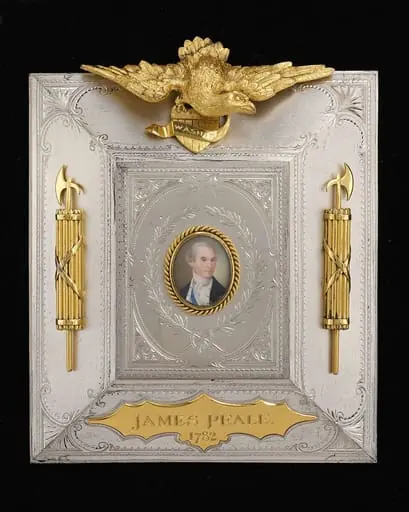
James Peale (1749 – May 24, 1831) was an American painter, best known for his miniature and still life paintings, and a younger brother of noted painter Charles Willson Peale.