Artwork
Richard Harwood
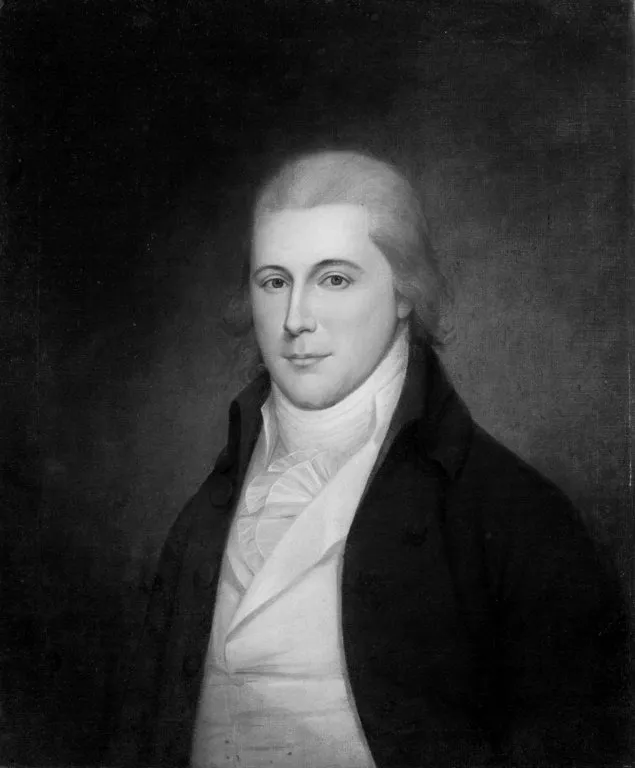
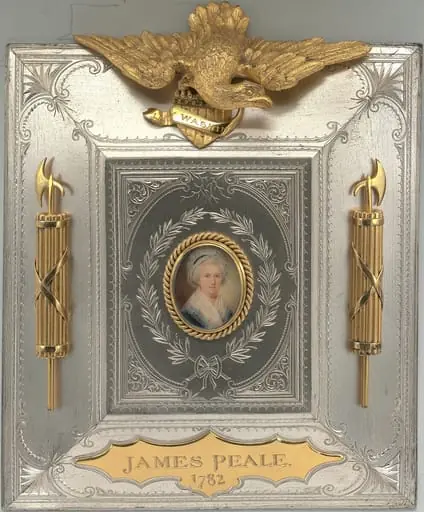
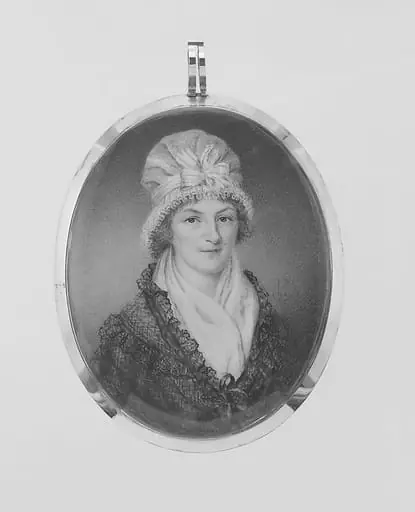
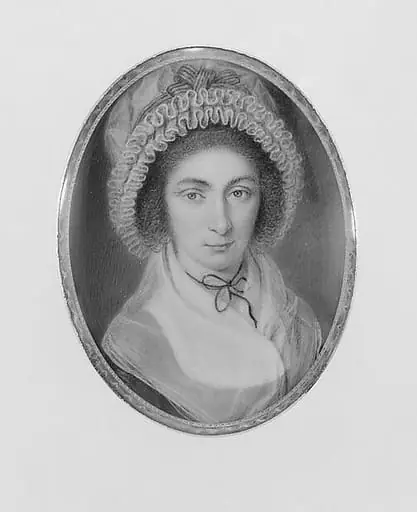
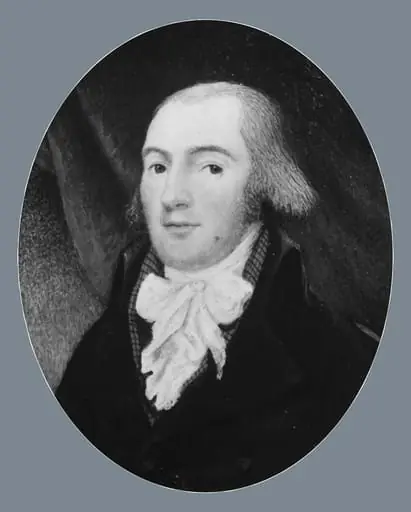
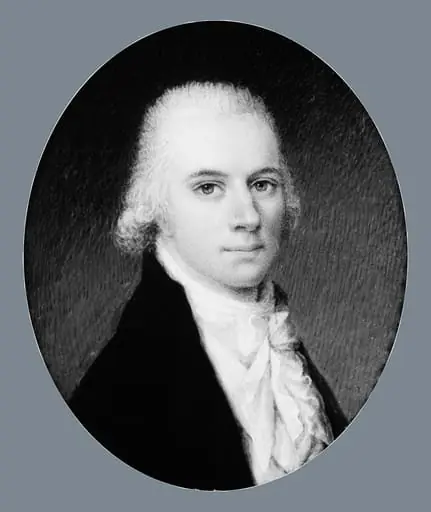
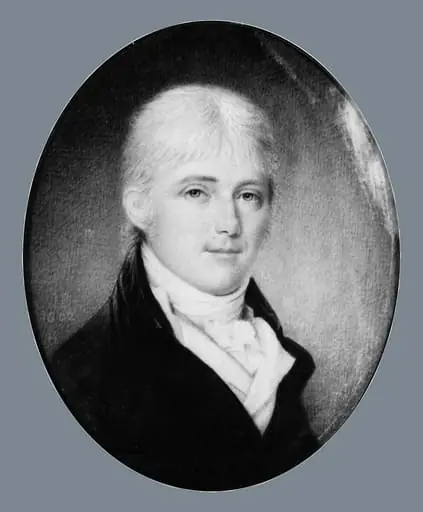
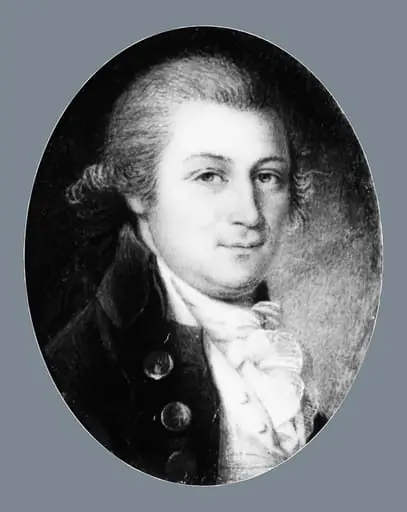
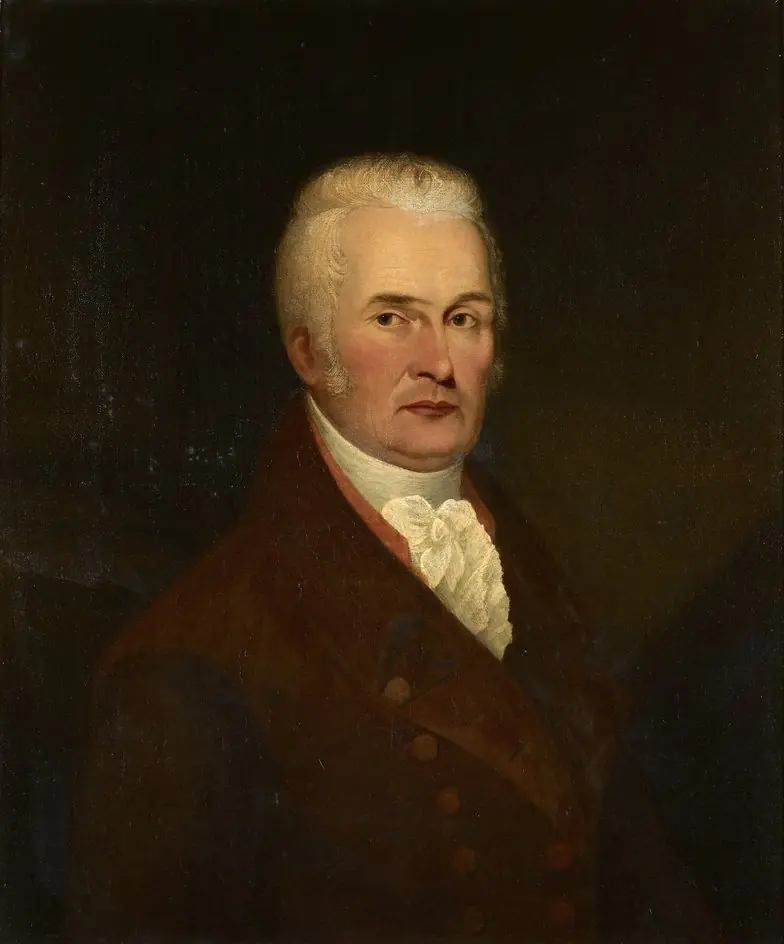
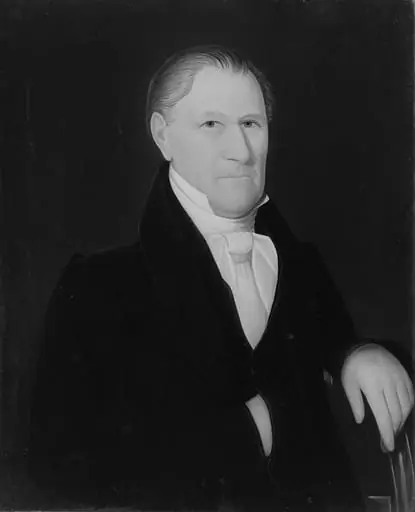
Richard Harwood is an oil painting by the American Folk Art artist James Peale. It dates from 1800 and is held in the collection of the Brooklyn Museum.
About this work
Overview
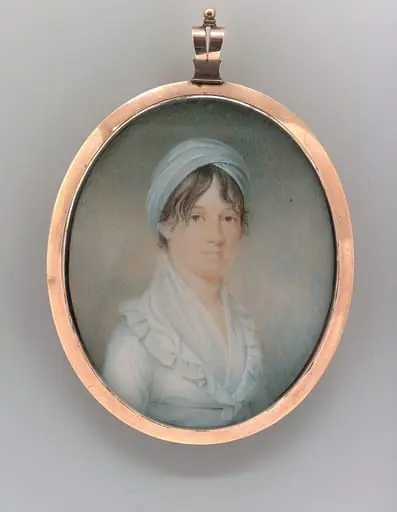
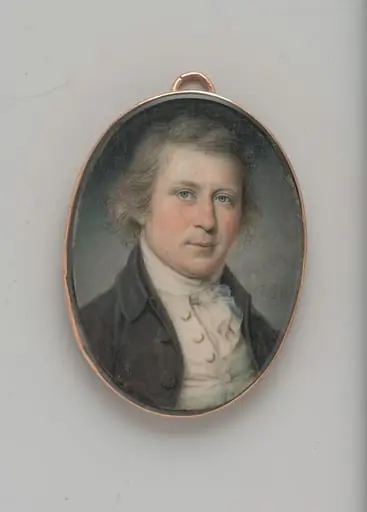
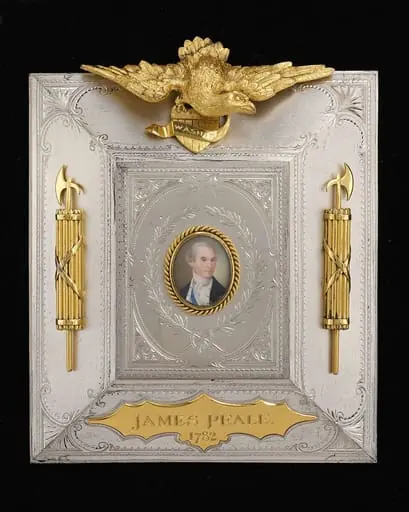
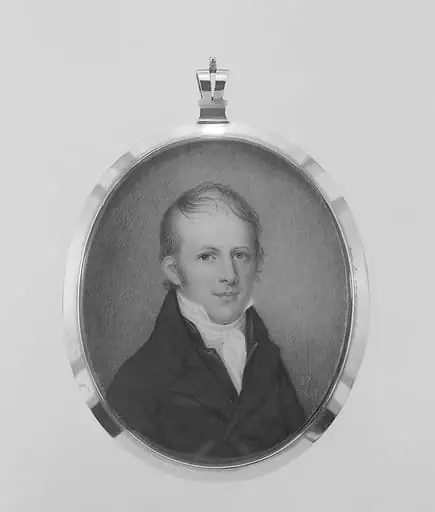
Created in 1800, this oil portrait by James Peale depicts a gentleman named Richard Harwood. Executed in the American folk‑art tradition, the work now resides in the permanent collection of the Brooklyn Museum. It exemplifies Peale’s early‑career focus on portraiture, complementing his broader output of miniatures and still‑life compositions.
Subject & Meaning
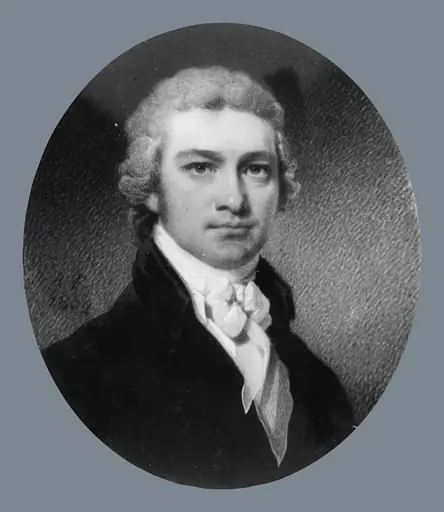
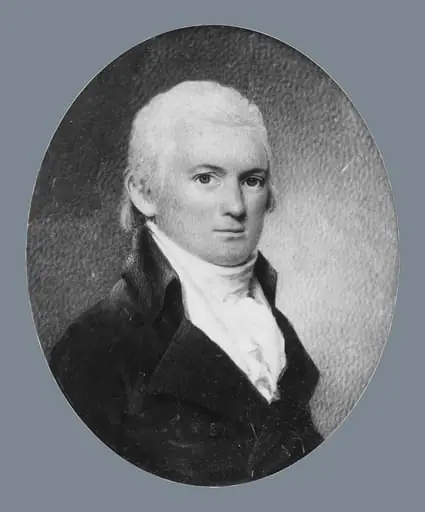
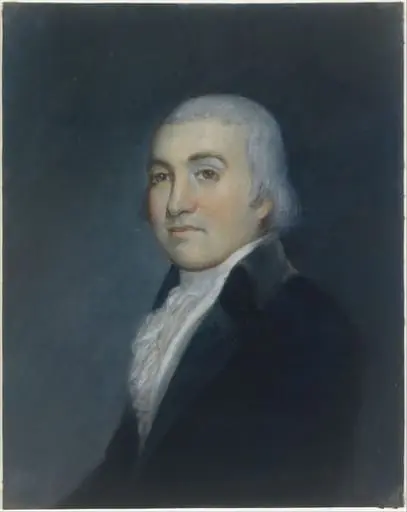
The sitter is presented with light hair, a white shirt beneath a dark jacket, and a direct, unembellished gaze. His neutral expression and straightforward pose convey a sense of modest dignity, typical of early‑Republican portraiture that emphasized personal virtue over theatricality.
Technique & Style
Peale employs chiaroscuro to model the figure against a deep, dark background, creating a three‑dimensional effect. The contrast between illuminated facial features and shadowed surroundings enhances realism, while the restrained palette and careful brushwork reflect the folk‑art aesthetic of the period.
History & Provenance
The painting entered the Brooklyn Museum’s holdings after being acquired from a private collection in the mid‑20th century. Its documentation traces back to Peale’s studio records, confirming the 1800 execution date and linking the work to the artist’s network of New‑York patrons.
Context
James Peale, younger brother of Charles Willson Peale, was an active figure in the burgeoning American art scene of the early 1800s. While his brother pursued grand historical subjects, James concentrated on intimate portraiture and still life, contributing to the visual culture of the young republic through works like this one.
Artist & collection

Artist
James Peale (1749 – May 24, 1831) was an American painter, best known for his miniature and still life paintings, and a younger brother of noted painter Charles Willson Peale.