Artwork
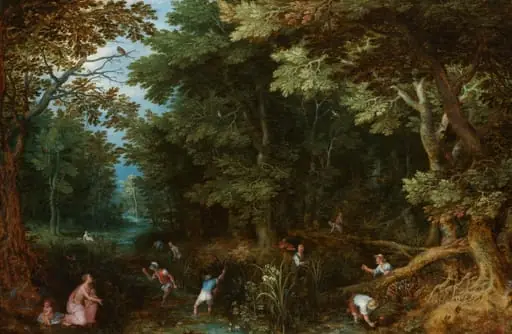
Latona and the Lycian Peasants
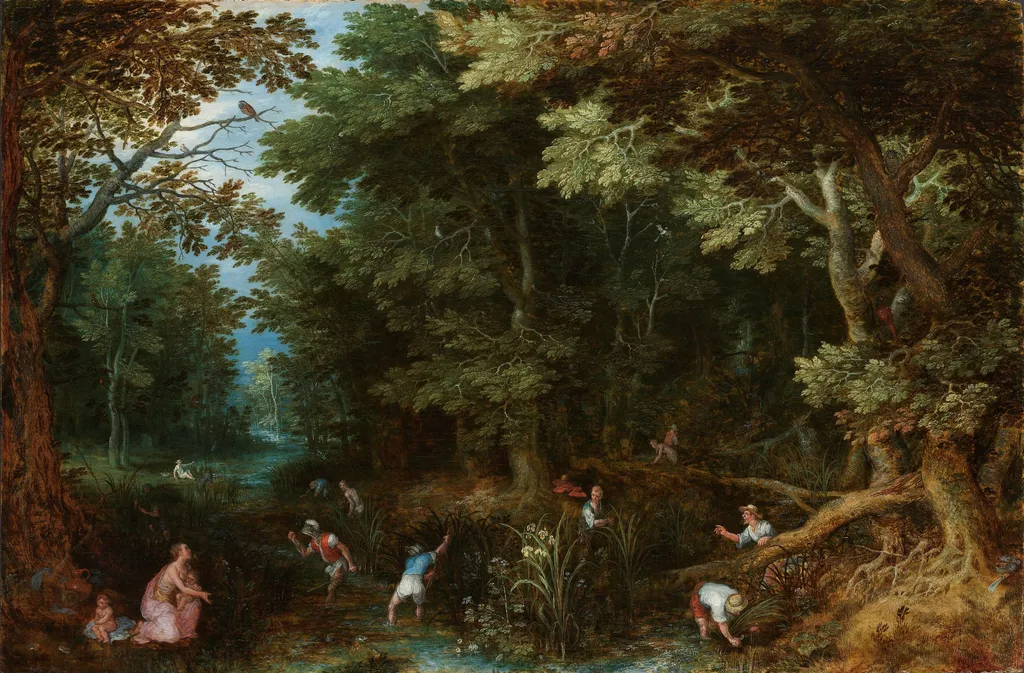
Latona and the Lycian Peasants is an oil painting by the Flemish Baroque painting artist Jan Brueghel, the elder. It dates from 1605 and is held in the collection of the Rijksmuseum.
About this work
Overview
Brueghel, a prominent Flemish artist, created detailed landscapes and narrative compositions, often collaborating with other significant painters of his era.
Latona and the Lycian Peasants, painted by Jan Brueghel the Elder in 1605, is an oil painting that exemplifies the Flemish Baroque movement. This work depicts a scene from classical mythology, featuring the goddess Latona. Brueghel, a prominent Flemish artist, created detailed landscapes and narrative compositions, often collaborating with other significant painters of his era. The painting is presently housed in the collection of the Rijksmuseum.
Subject & Meaning
The painting illustrates the ancient myth of Latona, the mother of Apollo and Diana, who sought refuge and water during her flight from Hera's wrath. In this particular moment, she is denied water by Lycian peasants, who are subsequently transformed into frogs as divine punishment. The composition captures the tension of this encounter, with a woman holding an infant—likely Latona—and other figures reacting with surprise, underscoring the dramatic turning point of the narrative.
Technique & Style
Brueghel's artistic approach is evident in the meticulous rendering of the natural environment. The forest setting is densely populated with trees, through which light subtly filters, creating a vibrant atmosphere. The artist demonstrates a keen eye for detail, visible in the varied textures of the peasants' clothing and the intricate foliage. This attention to minute elements, combined with the dynamic poses of the figures, characterizes the detailed landscape tradition within the Flemish Baroque.
Context
Jan Brueghel the Elder emerged from a distinguished artistic lineage, being the son of the renowned Pieter Bruegel the Elder. His artistic development was further shaped by significant collaborations, notably with Peter Paul Rubens, a leading figure of the Flemish Baroque. Brueghel's work often combined his father's detailed landscape tradition with the more dynamic and dramatic elements characteristic of his contemporaries, establishing his unique contribution to the period's artistic output.
History & Provenance
This oil painting, completed in 1605, has been preserved as a significant example of early 17th-century Flemish art. Latona and the Lycian Peasants is currently part of the permanent collection at the Rijksmuseum, where it contributes to the institution's extensive display of European masterworks. Its presence there allows visitors to engage with Brueghel's detailed narrative style and his contribution to the mythological landscape genre.
Own this work as a print
Artist & collection
Artist
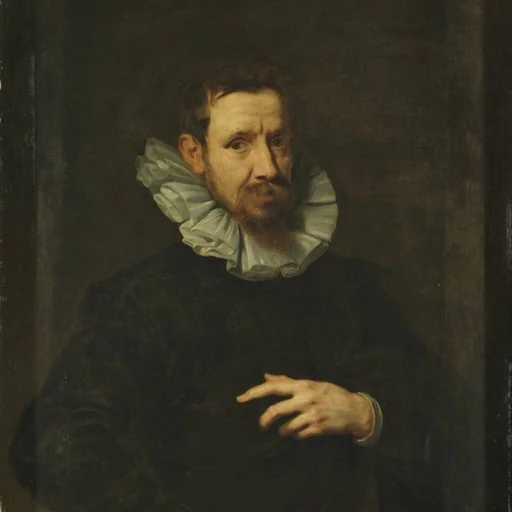
Jan Brueghel the Elder ( BROY-gəl, US also BROO-gəl; Dutch: ; 1568 – 13 January 1625) was a Flemish painter and draughtsman.