Artwork
Vivat Oraenge
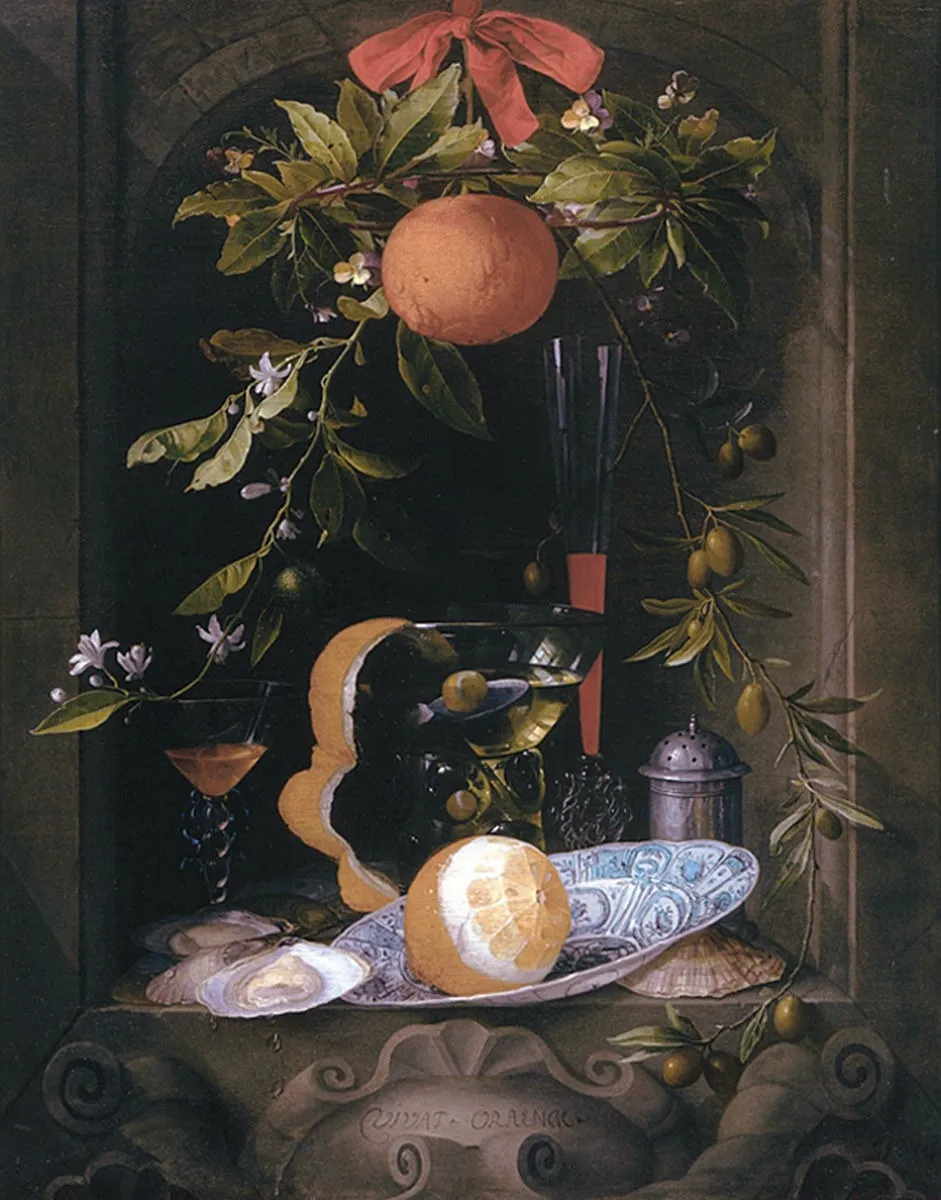
Vivat Oraenge is an oil painting by the Dutch Golden Age artist Jan Davidsz. de Heem. It dates from 1670 and is held in the collection of the Rijksmuseum. Jan Davidsz.
About this work
Overview
de Heem's Vivat Oraenge, painted in 1670, is an oil still life from the Dutch Golden Age.
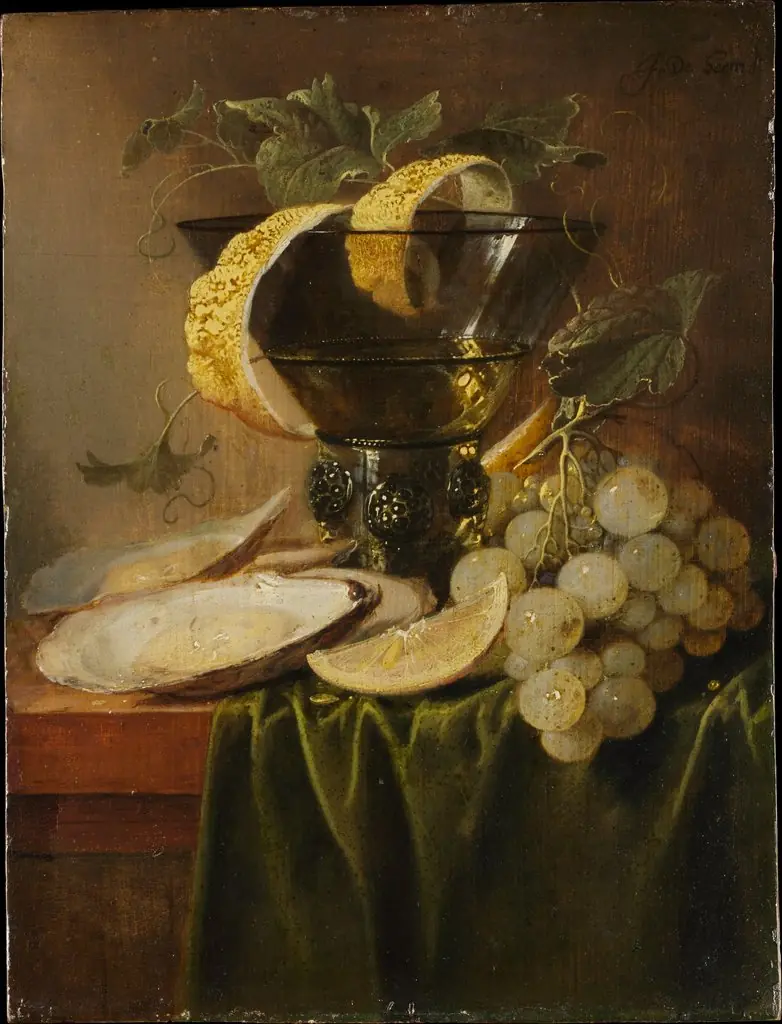
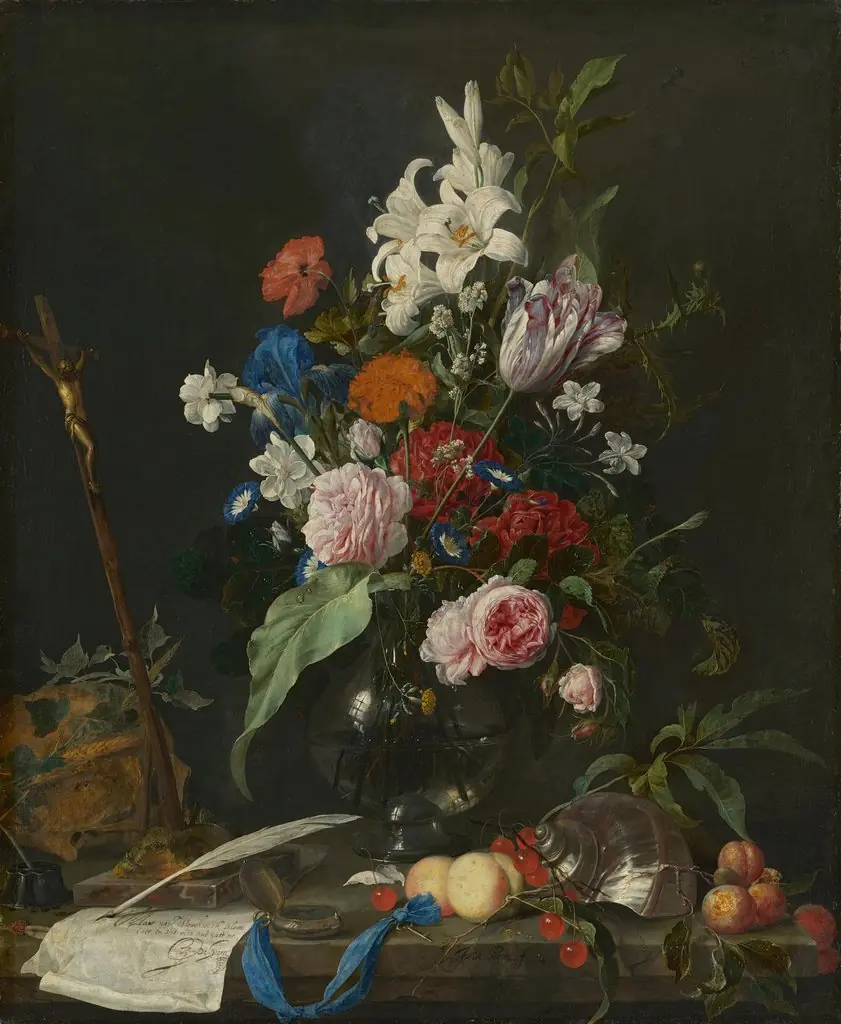
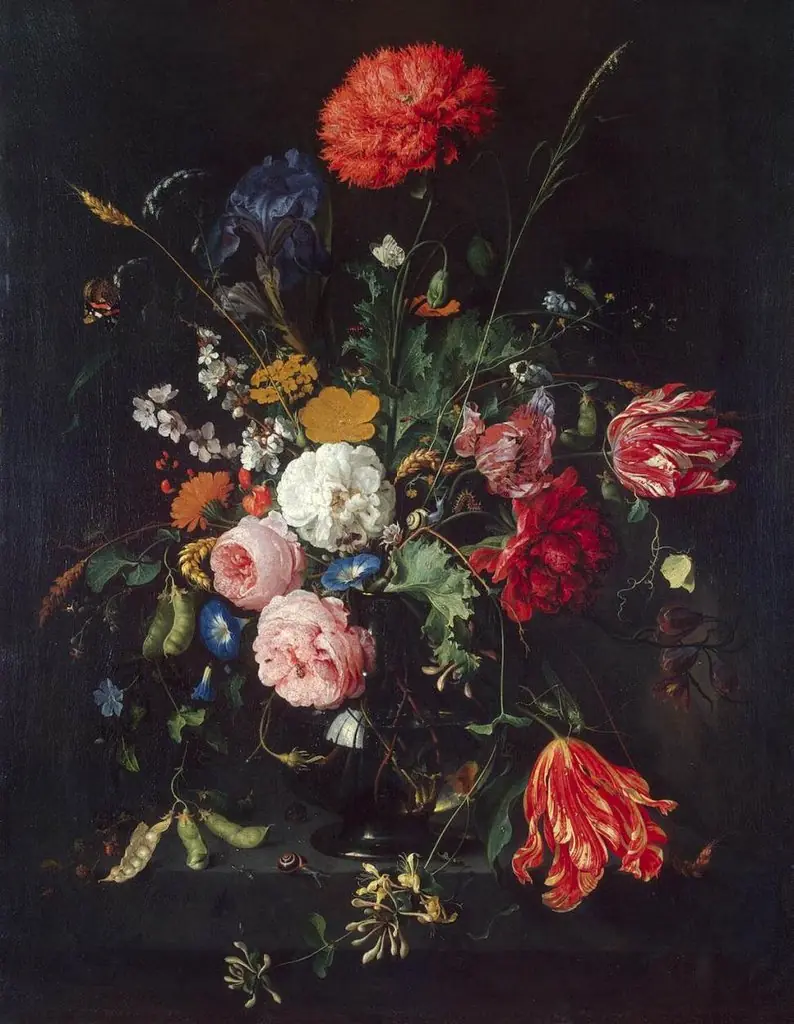
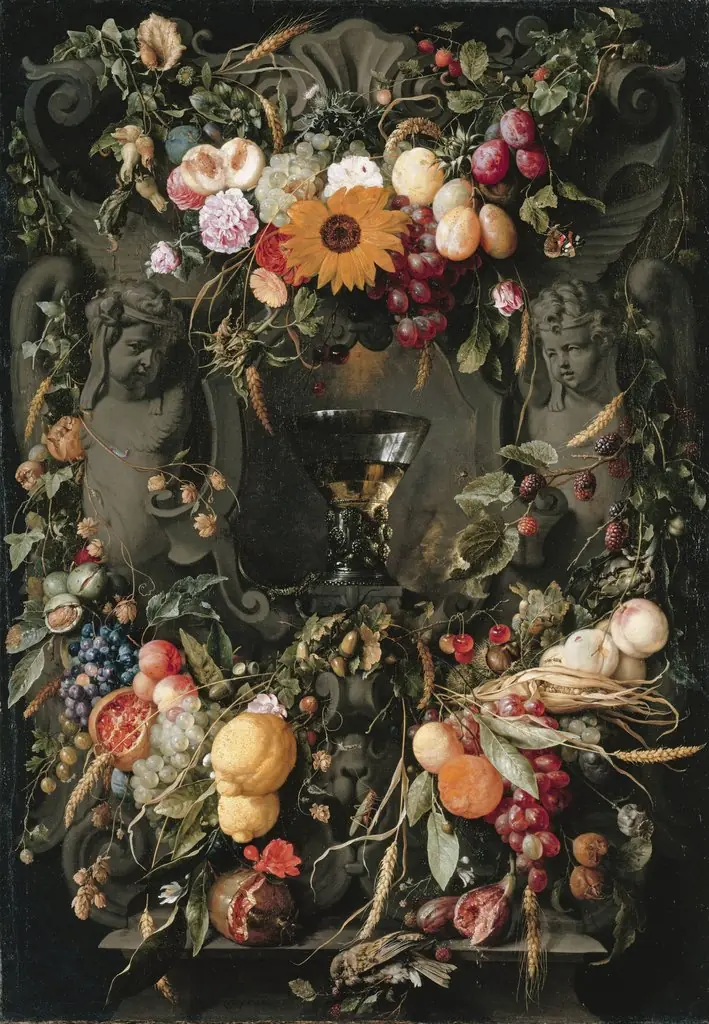
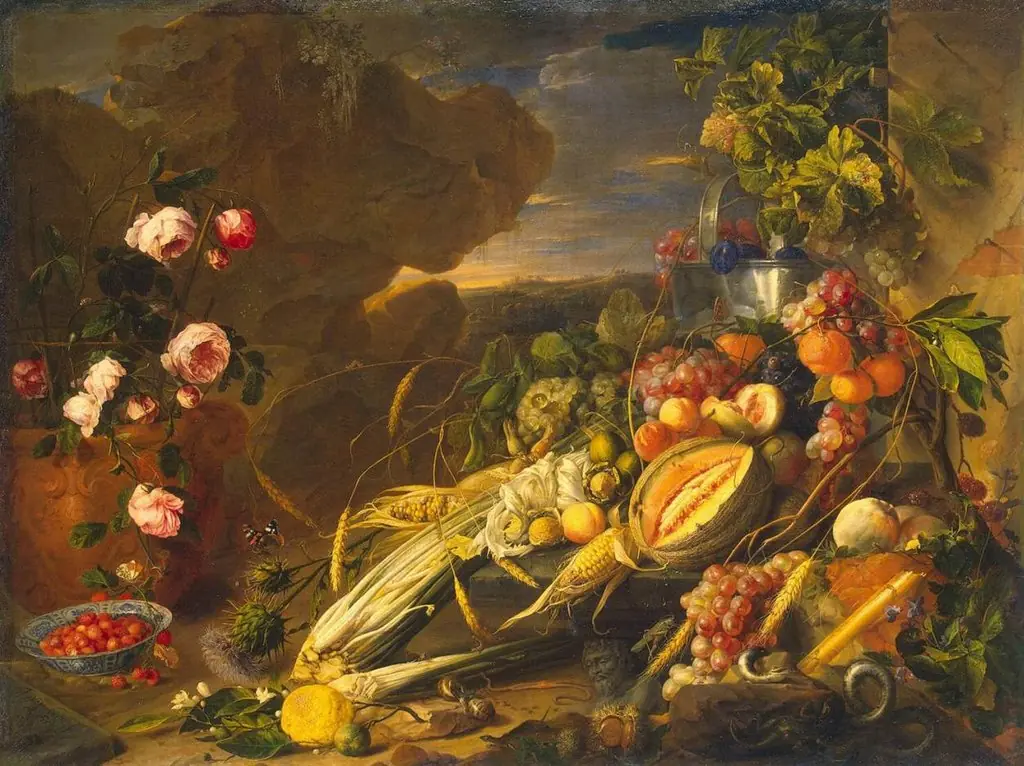
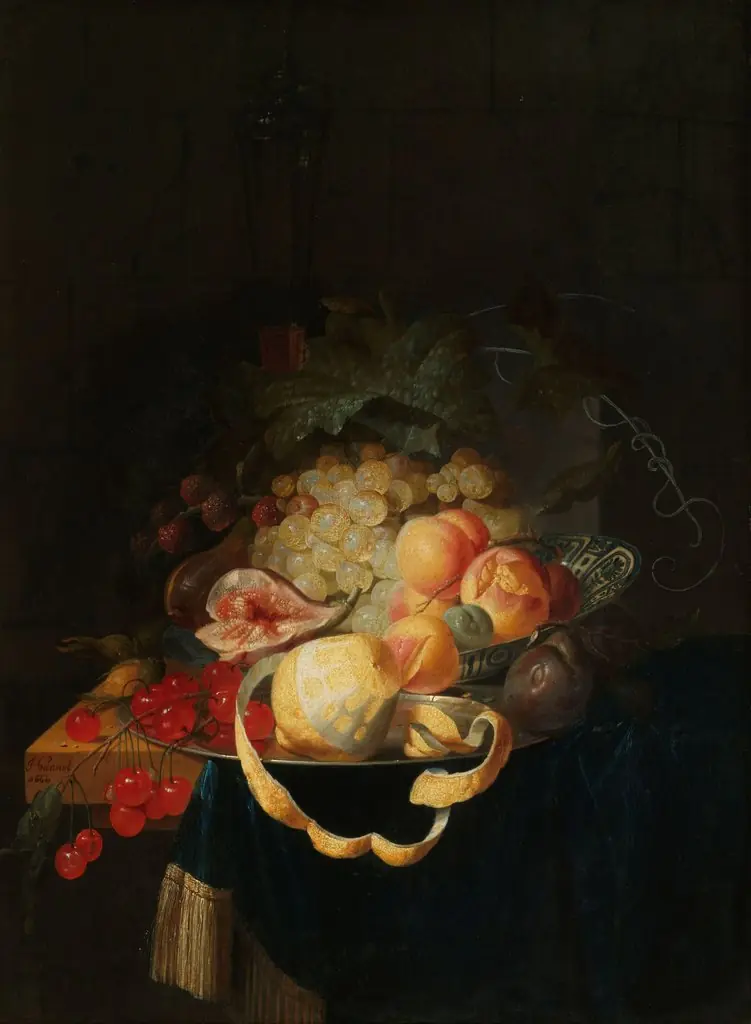
Jan Davidsz. de Heem's Vivat Oraenge, painted in 1670, is an oil still life from the Dutch Golden Age. This work exemplifies the artist's renowned precision and vivid compositions. It features a carefully arranged collection of objects, including a partially peeled orange, set against a dark background, characteristic of the period's interest in detailed and often symbolic representations. The painting is part of the Rijksmuseum's collection.
Subject & Meaning
The painting's title, "Vivat Oraenge" (Long Live Orange), directly references the Dutch House of Orange, suggesting a political statement. Central to the composition is a half-peeled orange on a blue-and-white plate, accompanied by a branch adorned with green leaves, olives, and a bright red ribbon. These elements, particularly the orange and the celebratory ribbon, likely convey support or allegiance to the royal house, a common practice in Dutch art of the era.
Technique & Style
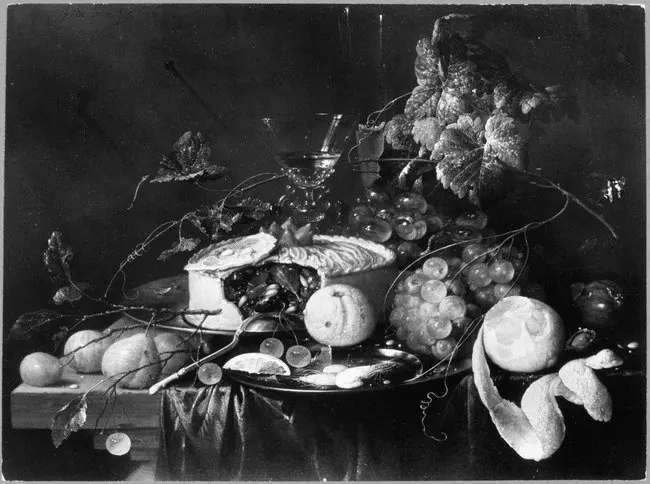
De Heem's artistic approach is evident in the meticulous rendering of each object, from the texture of the orange peel to the sheen on the glass. The composition employs a dramatic contrast between light and shadow, known as chiaroscuro, where illuminated objects sharply emerge from an almost black background. This technique enhances the three-dimensional quality of the forms and imbues the scene with a sense of depth and intensity.
Context
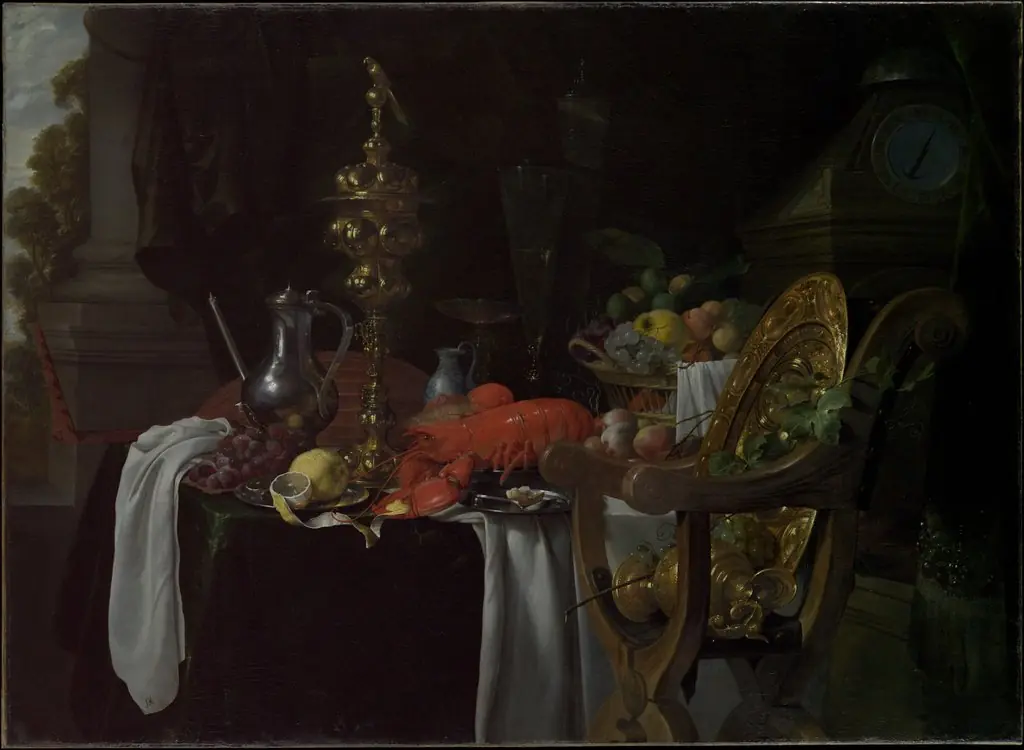
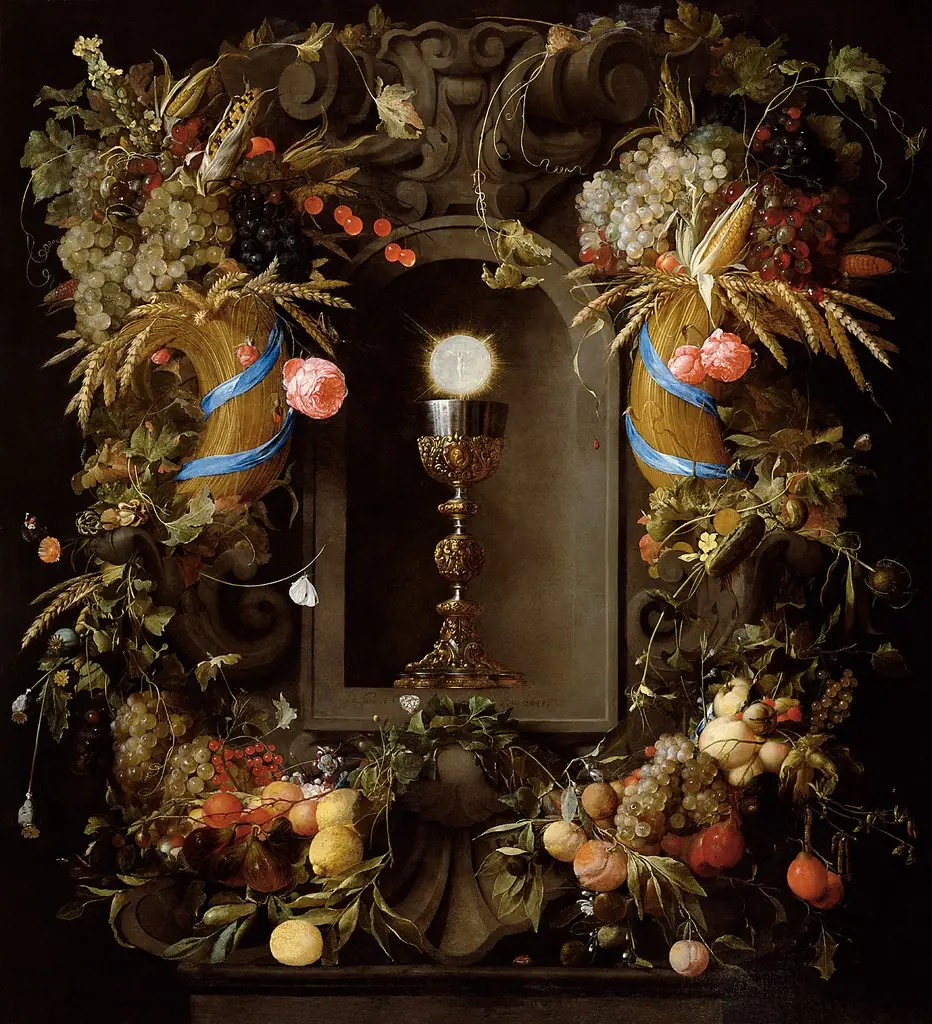
This still life belongs to a tradition prevalent in the Dutch Golden Age, where artists frequently incorporated symbolic elements into their depictions of everyday or luxurious items. Such works often reflected contemporary societal values, economic prosperity, or political affiliations. Vivat Oraenge stands as an example of how a seemingly simple arrangement of objects could carry deeper, often politically charged, messages for its contemporary audience.
Artist & collection
Artist
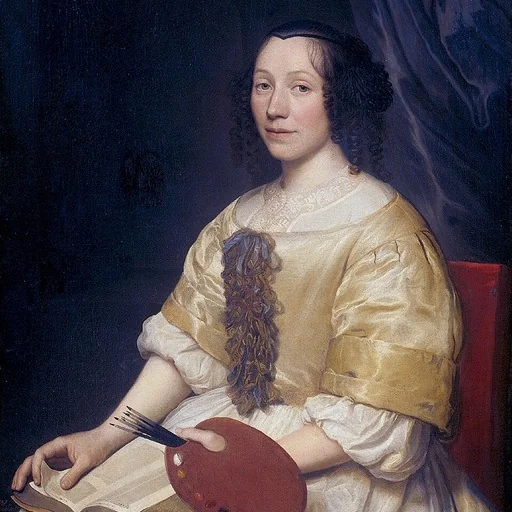
Maria van Oosterwijck (1630–1693), also spelled Oosterwyck, was a Dutch Golden Age painter, specialising in richly detailed flower paintings and other still lifes.