Artwork
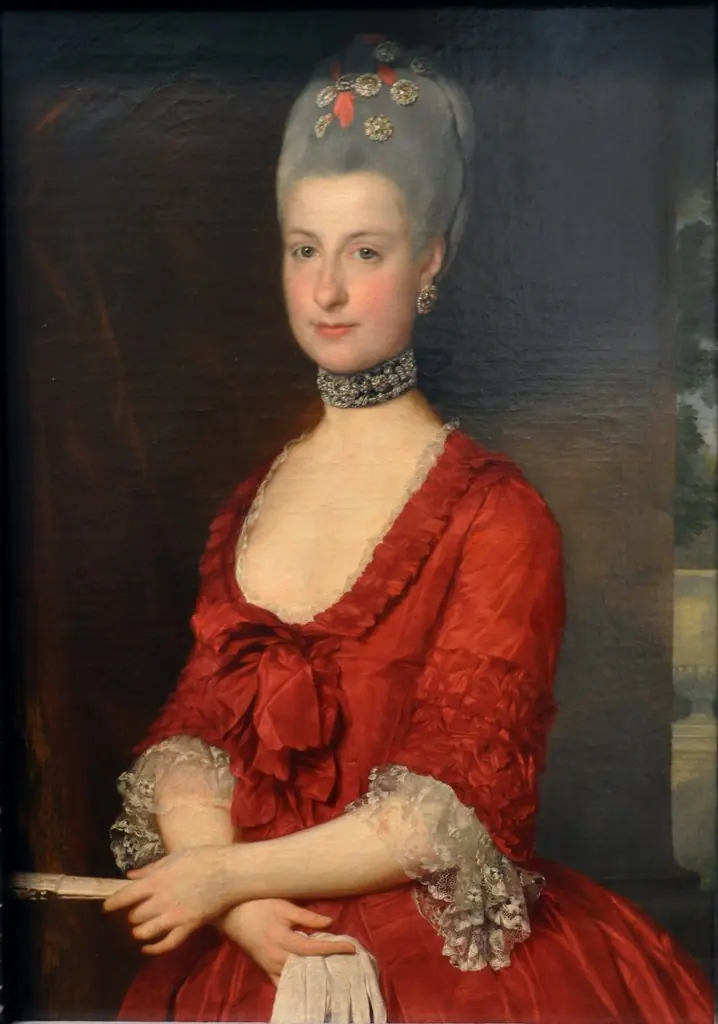
Portrait of Tekla Kościuszko née Ratomska, mother of Thaddeus Kościuszko (c.1715-1768)
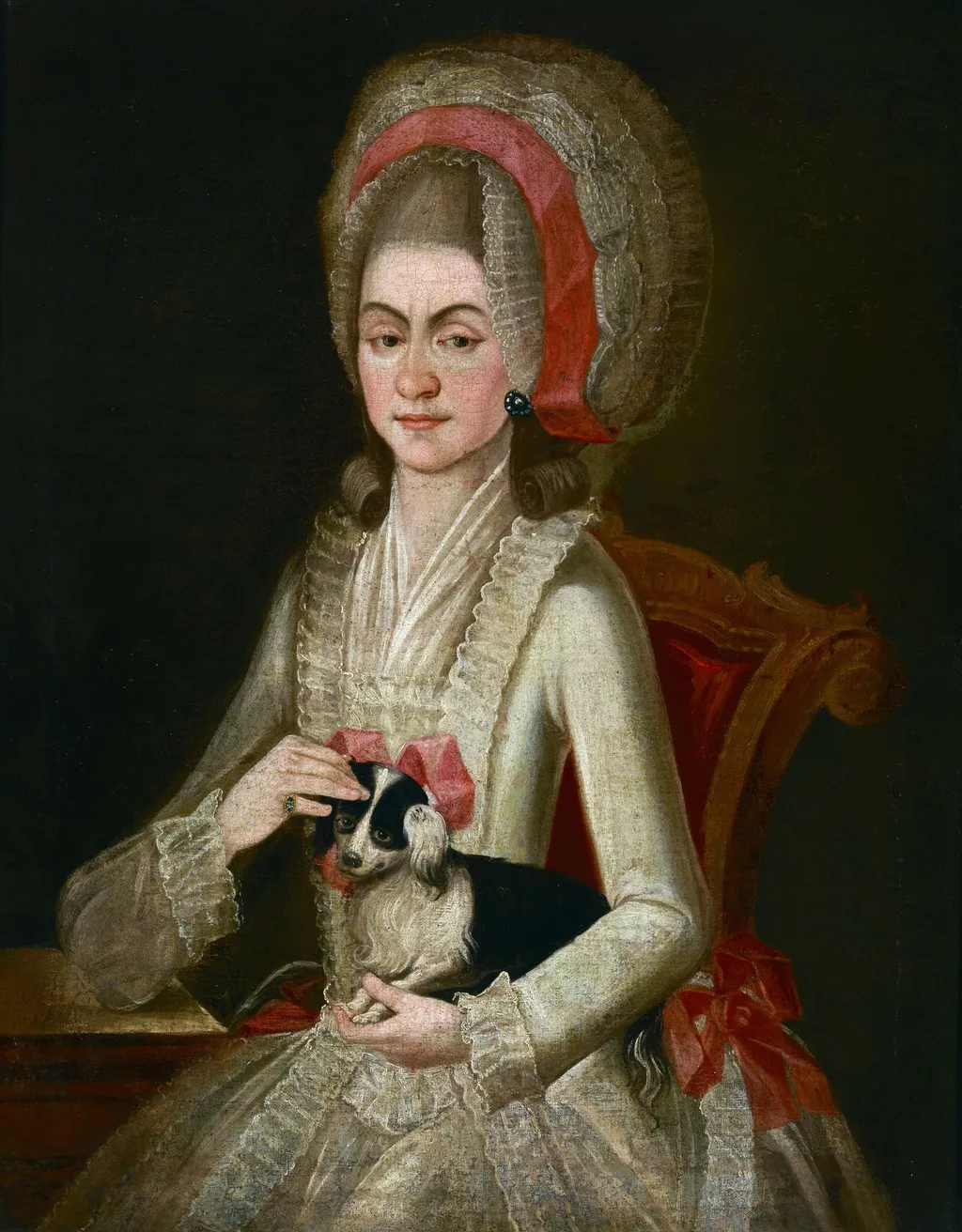
Portrait of Tekla Kościuszko née Ratomska, mother of Thaddeus Kościuszko (c.1715-1768) is an oil painting by the Rococo painting artist Jan Kołtonowski. It dates from 1760 and is held in the collection of the National Museum in Kraków. This oil painting, dated around 1760, depicts Tekla Kościuszko, mother of the Polish national hero Thaddeus Kościuszko.
About this work
Overview
This oil painting, dated around 1760, depicts Tekla Kościuszko, mother of the Polish national hero Thaddeus Kościuszko.
This oil painting, dated around 1760, depicts Tekla Kościuszko, mother of the Polish national hero Thaddeus Kościuszko. Executed by Jan Kołtonowski, it is a formal portrait that captures her in quiet dignity. The work is part of the collection at the National Museum in Kraków and reflects the conventions of 18th-century Polish aristocratic portraiture, emphasizing refinement and personal presence through careful detail and subdued lighting.
Subject & Meaning
Tekla Kościuszko, born Ratomska, is portrayed as a woman of social standing, her composed gaze and poised posture conveying authority and calm. The small dog she gently touches symbolizes loyalty and domestic affection, common motifs in portraits of noblewomen. Her attire and the dog’s ornate red bow suggest wealth and attention to fashion, reinforcing her position within the landed gentry while hinting at personal warmth beyond public role.
Technique & Style
Kołtonowski employs a realistic style with meticulous attention to texture: the lace trim of her dress, the soft fur of the dog, and the sheen of fabric are rendered with subtle brushwork. Dark, unobtrusive background isolates the figure, directing focus to her form and expression. Shading is nuanced, enhancing volume without theatricality, reflecting a restrained academic approach typical of mid-18th-century Polish portraiture.
History & Provenance
The portrait was likely commissioned by the Kościuszko family to commemorate Tekla’s status and lineage. It remained within family circles before entering the National Museum in Kraków’s collection, where it has been preserved since the 19th century. Its survival offers rare visual documentation of a noblewoman from a family whose legacy would later extend beyond Poland’s borders.
Context
In mid-18th-century Poland, portraiture among the nobility served both personal and political functions, affirming identity and social rank. Tekla’s image aligns with trends in Sarmatian culture, where aristocratic women were depicted with elegance and moral gravity. The inclusion of a pet, while intimate, also followed established conventions linking animals to virtue and domestic harmony among the elite.
Legacy
As the mother of Thaddeus Kościuszko, a figure central to Polish and American revolutionary history, this portrait holds historical resonance beyond its artistic merit. It provides a tangible link to the private life of a family whose public influence shaped national memory. Though Kołtonowski’s broader oeuvre is limited in documentation, this work endures as a key example of regional portraiture from the era.
Own this work as a print
Artist & collection
Artist
Polish painter Jan Kołtonowski made formal portraits in the 1700s. His only known work here is the Portrait of Tekla Kościuszko née Ratomska, the mother of a famous Polish-Lithuanian military engineer. He captured her…

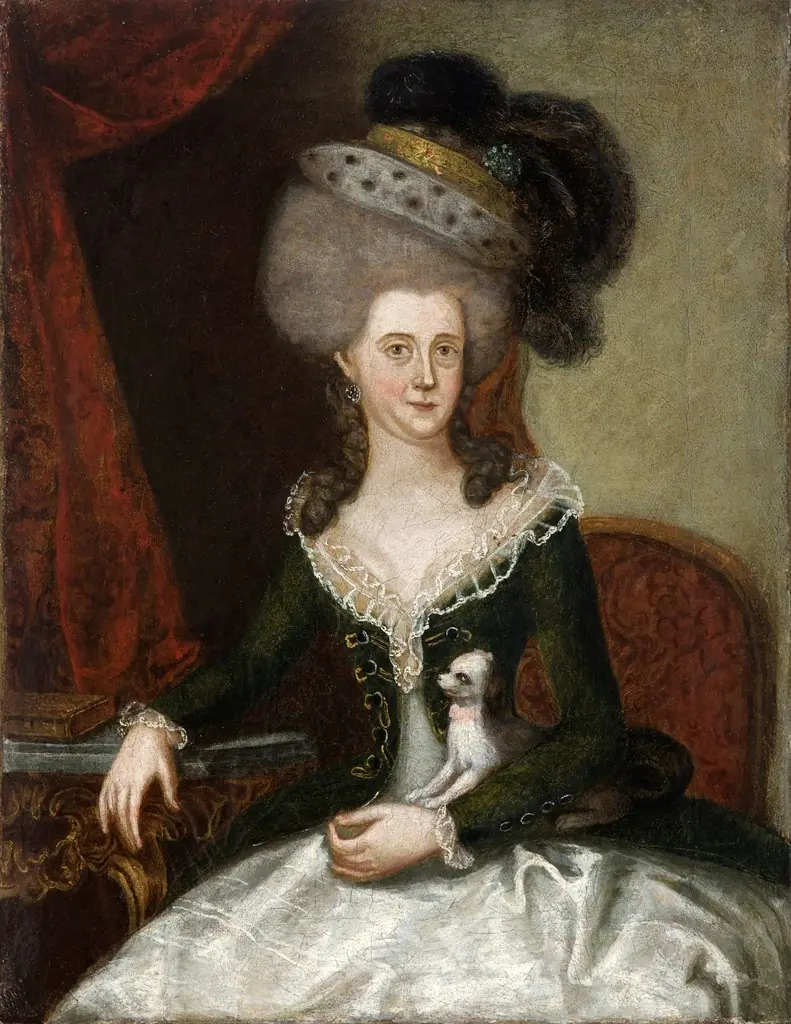 Portrait of Urszula Sokolnicka née Poklatecka (1740–1780)
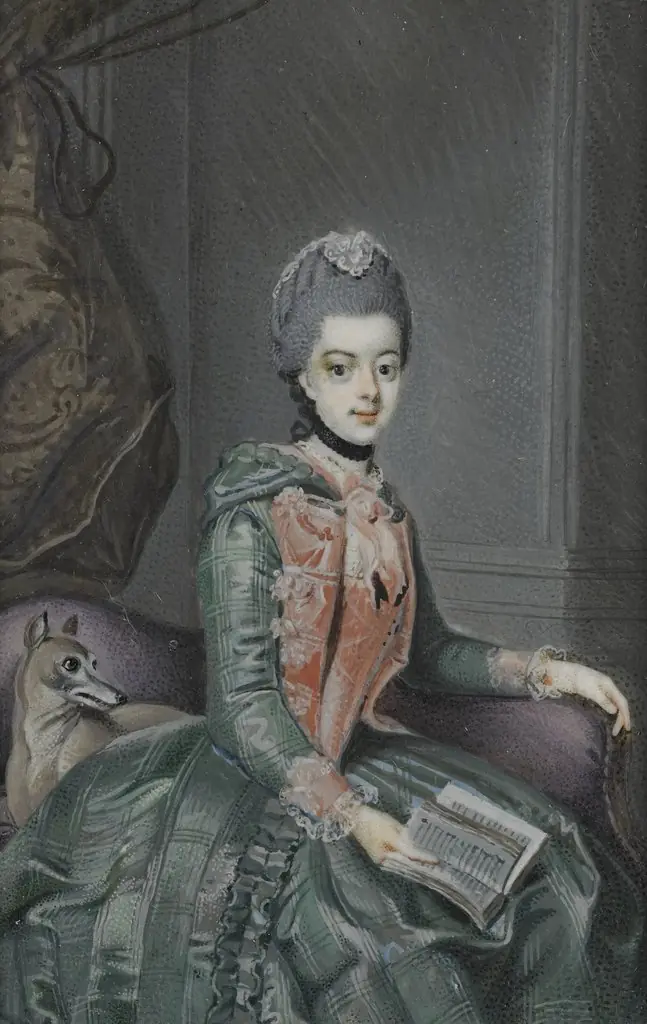 Portrait of Wilhelmina van Pruisen (1751-1820), wife to prince William V of Orange
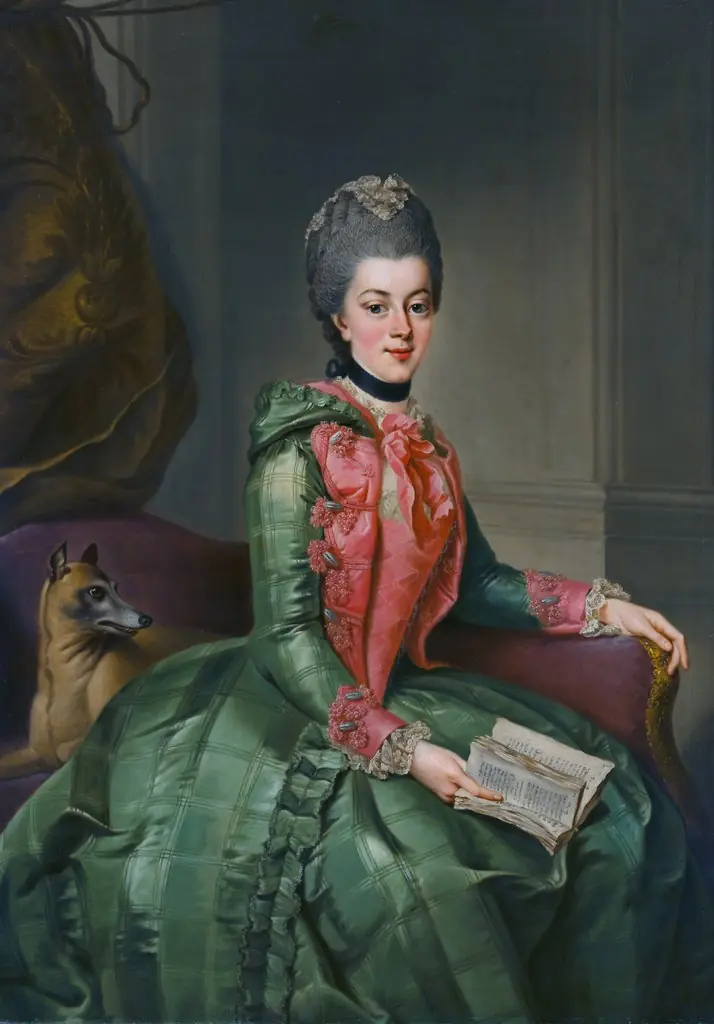 Portrait of Princess Frederika Sophia Wilhelmina (1751-1820
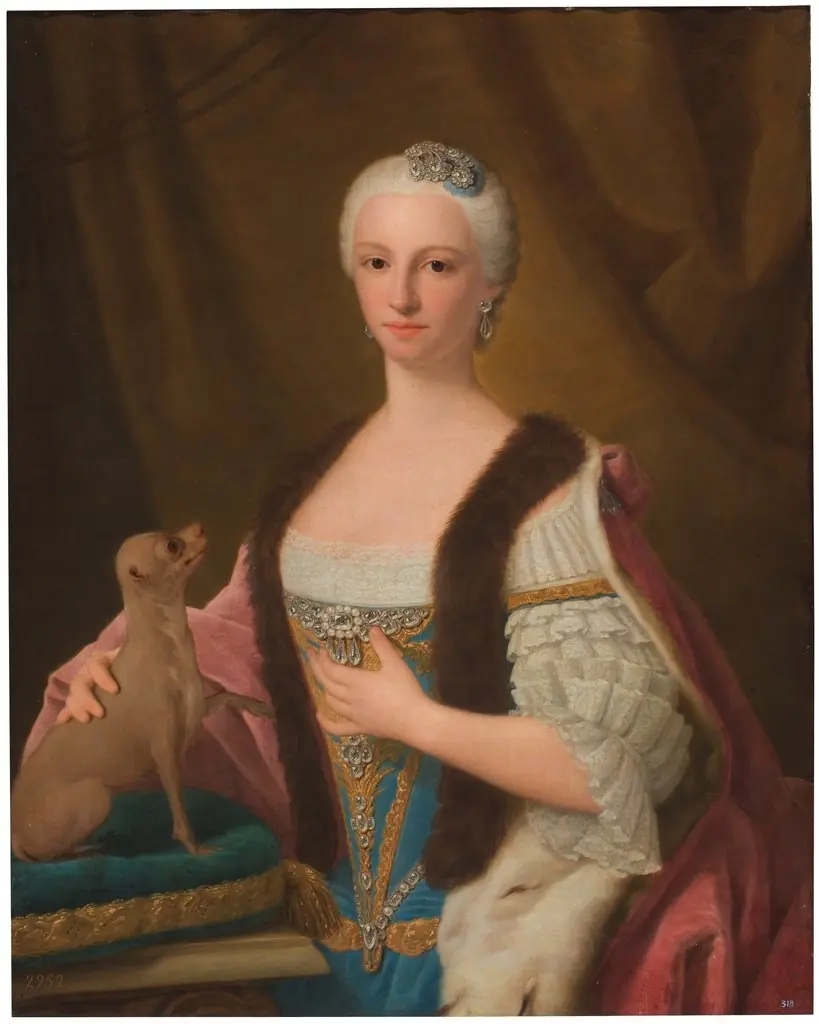 María Antonia Fernanda de España esposa de Vittorio Amadeo III
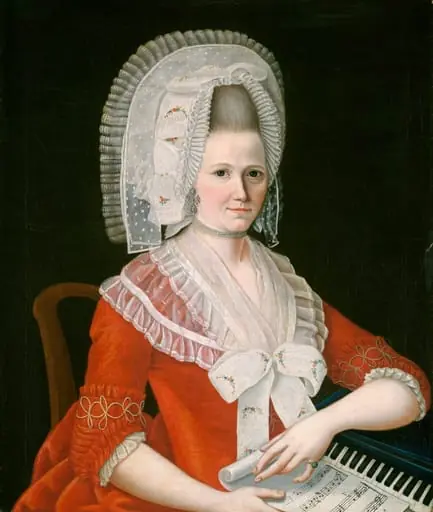 Lady Wearing a Large White Cap
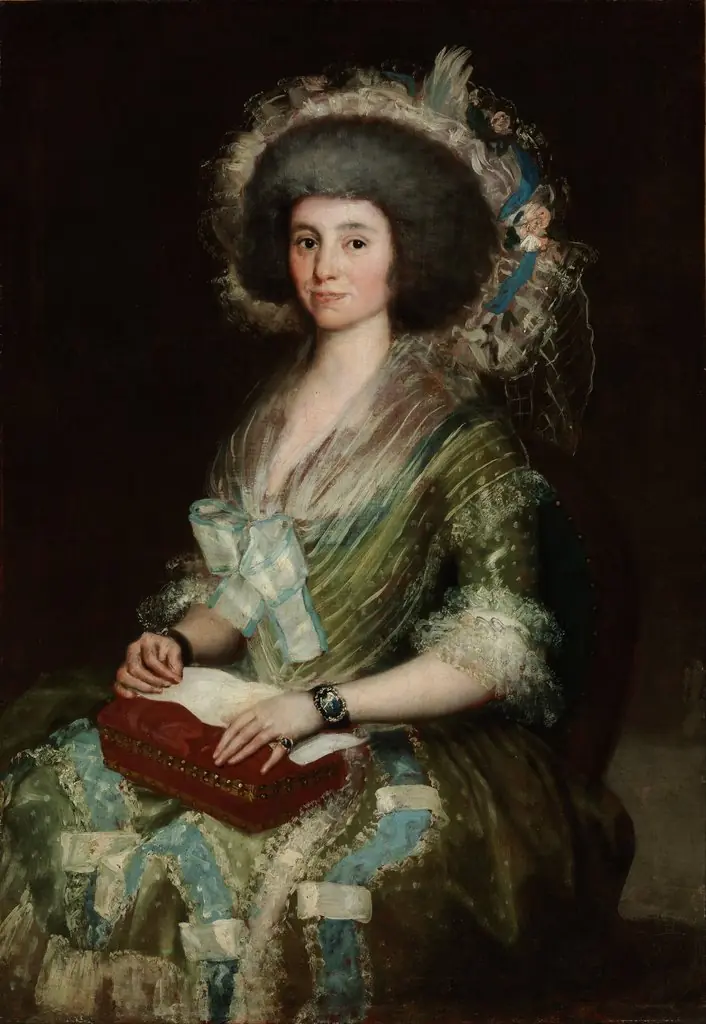 Portrait of Senora Ceán Bermudez
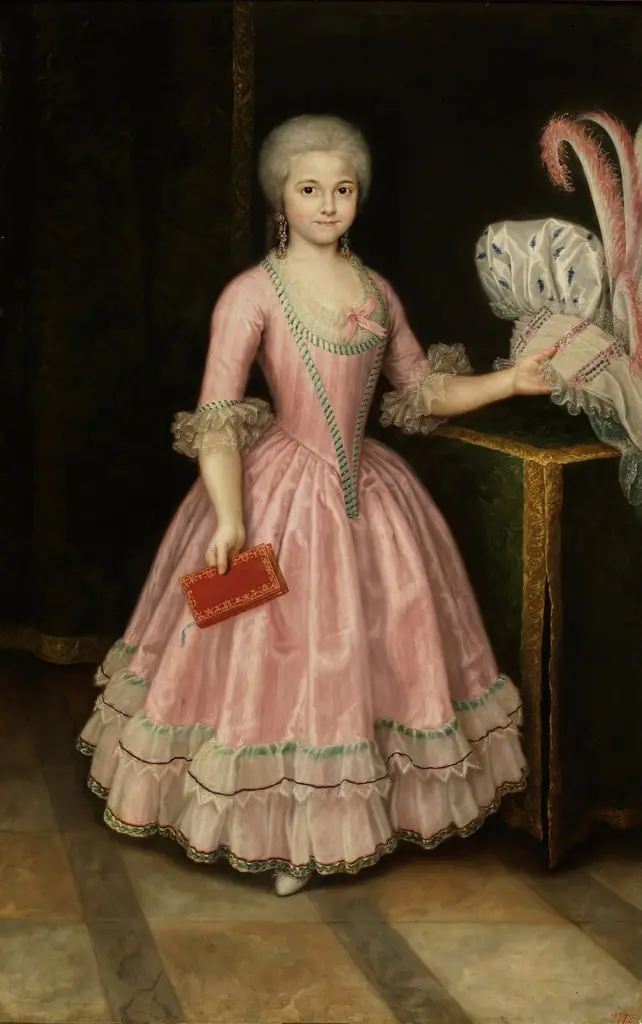 The infanta María Amalia of Spain as a Child, Holding a Book
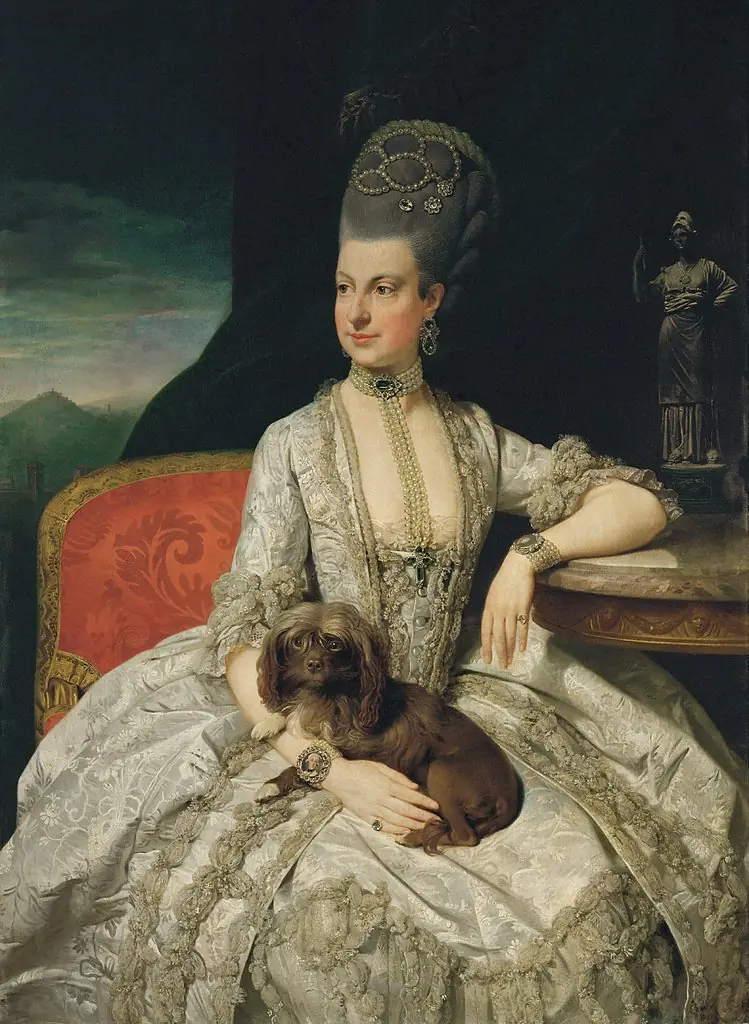 Archduchess Maria Christina, Duchess of Teschen, (1742-1798)
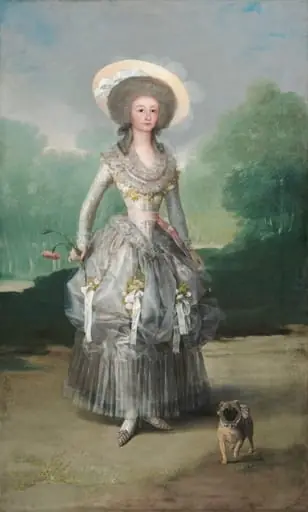 The Marquesa de Pontejos
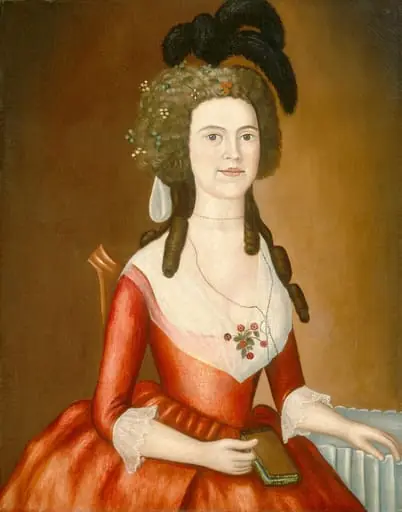 Elizabeth Denison
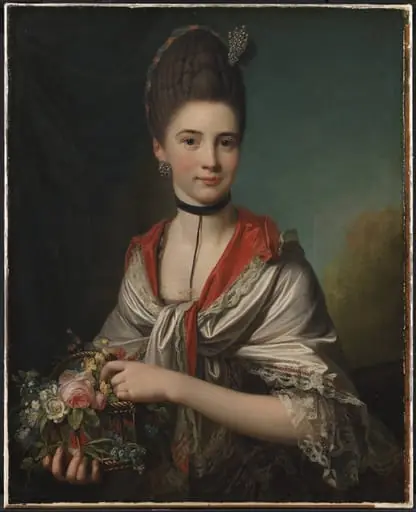 Portrait of Anna Elisabeth Battier, née Storp
 Portrait of Archduchess Maria Christina (1742-1798), Duchess of Teschen