Artwork
A Goldsmith Melting Down a Woman's Jewellery in the Presence of a Notary, The Alchemist
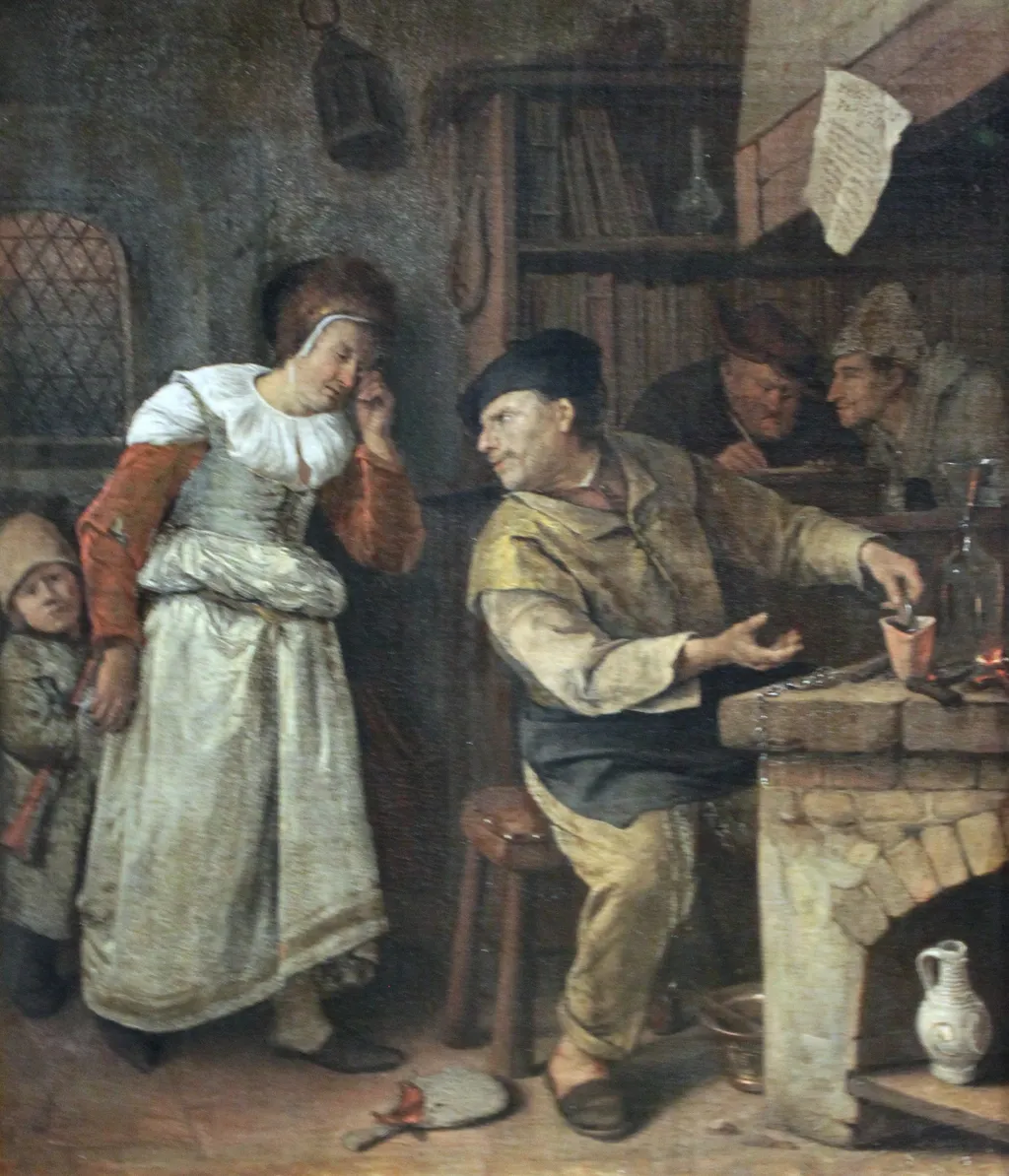
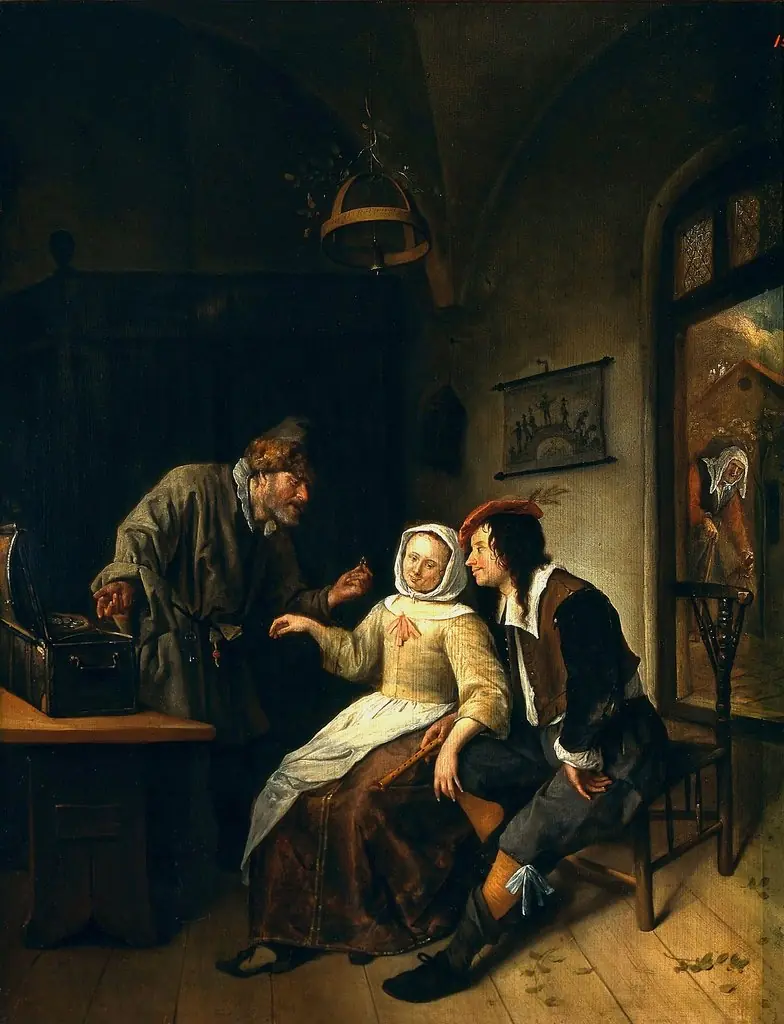
A Goldsmith Melting Down a Woman's Jewellery in the Presence of a Notary, The Alchemist is an oil painting by the Dutch Golden Age artist Jan Steen. It dates from 1668 and is held in the collection of the Städel Museum.
About this work
Overview
Painted in 1668 by Jan Steen, this oil-on-canvas work presents a quiet domestic moment charged with implied moral tension.
Painted in 1668 by Jan Steen, this oil-on-canvas work presents a quiet domestic moment charged with implied moral tension. It shows a goldsmith melting jewelry under the watchful eye of a notary, while a woman observes with visible unease. The scene blends elements of daily life with subtle allegory, reflecting 17th-century Dutch concerns over trust, value, and deception in personal and financial transactions.
Subject & Meaning
The painting captures a moment where personal wealth is being transformed—possibly illicitly—into base metal or counterfeit gold. The woman’s anxious gaze and the notary’s detached presence suggest a transaction fraught with ambiguity. While the goldsmith appears focused on his work, the scene invites speculation: is this lawful recycling or hidden fraud? The act of melting jewelry, traditionally symbolic of loss or transformation, carries undertones of betrayal or financial desperation.
Technique & Style
Steen employs naturalistic lighting, with the fire casting flickering warmth across metal, fabric, and skin, while the rest of the room recedes into shadow. Textures are rendered with precision: the sheen of molten gold, the coarse weave of the goldsmith’s apron, the smooth drape of the woman’s dress. The composition is tightly framed, drawing attention to the central figures and the act of transformation, reinforcing the psychological weight of the moment.
History & Provenance
The painting entered the collection of the Städel Museum in Frankfurt in the 19th century, having passed through private hands in the Netherlands and Germany. Its attribution to Steen has been consistently supported by stylistic analysis and archival records. Though its early ownership is not fully documented, its survival in good condition reflects its enduring recognition among collectors of Dutch genre painting.
Context
In mid-17th-century Holland, alchemy and goldsmithing were often conflated in popular imagination, with both viewed as secretive trades prone to deception. The presence of a notary—a figure of legal authority—hints at societal anxieties around property, contracts, and the legitimacy of wealth. Steen’s work reflects broader cultural scrutiny of economic practices, especially those involving women’s possessions, which were frequently subject to male control.
Legacy
The painting remains a key example of Steen’s ability to infuse mundane scenes with moral complexity. Unlike overtly didactic works, it avoids clear judgment, instead inviting viewers to interpret motives and consequences. Its quiet intensity influenced later genre painters who sought to capture psychological nuance within domestic settings, contributing to the enduring appeal of Dutch realism.
Artist & collection
Artist
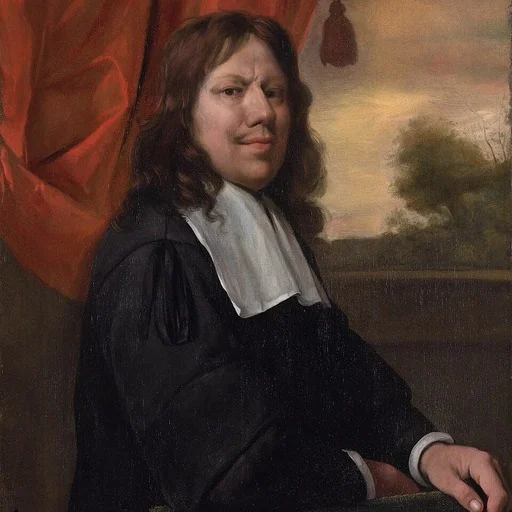
Jan Havickszoon Steen was a Dutch Golden Age painter, one of the leading genre painters of the 17th century.

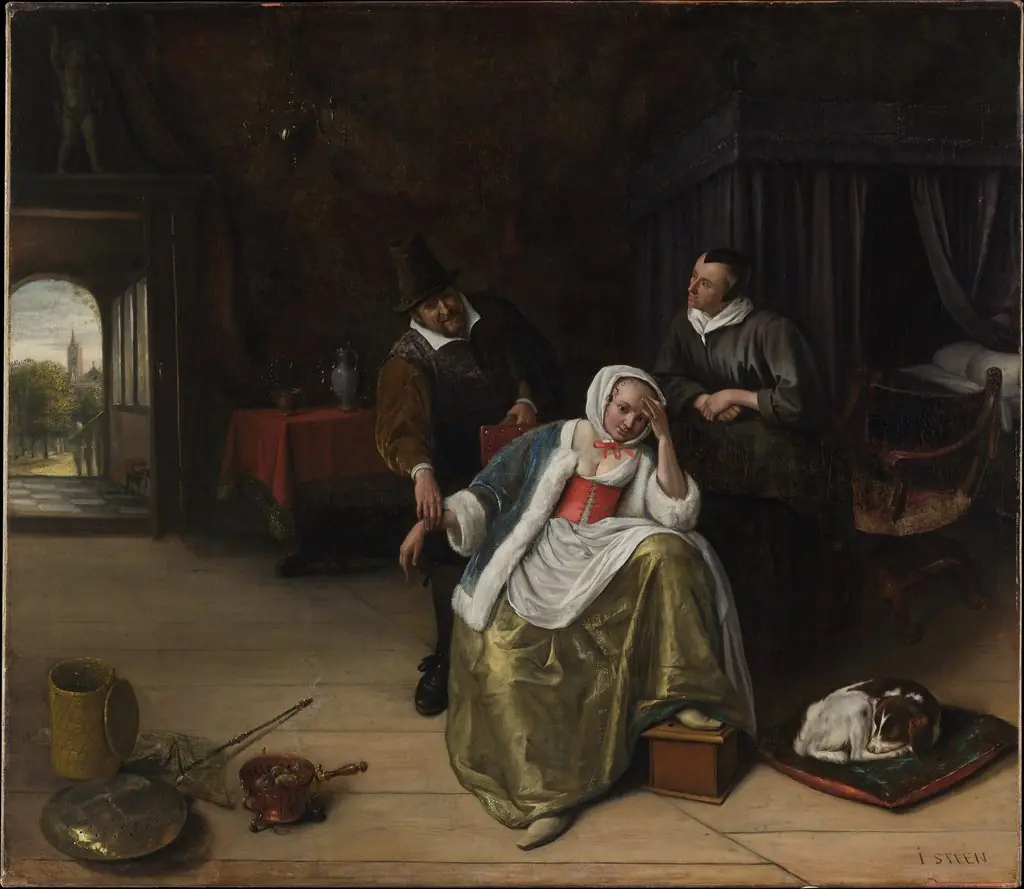 Paintings of physicians by Jan Steen
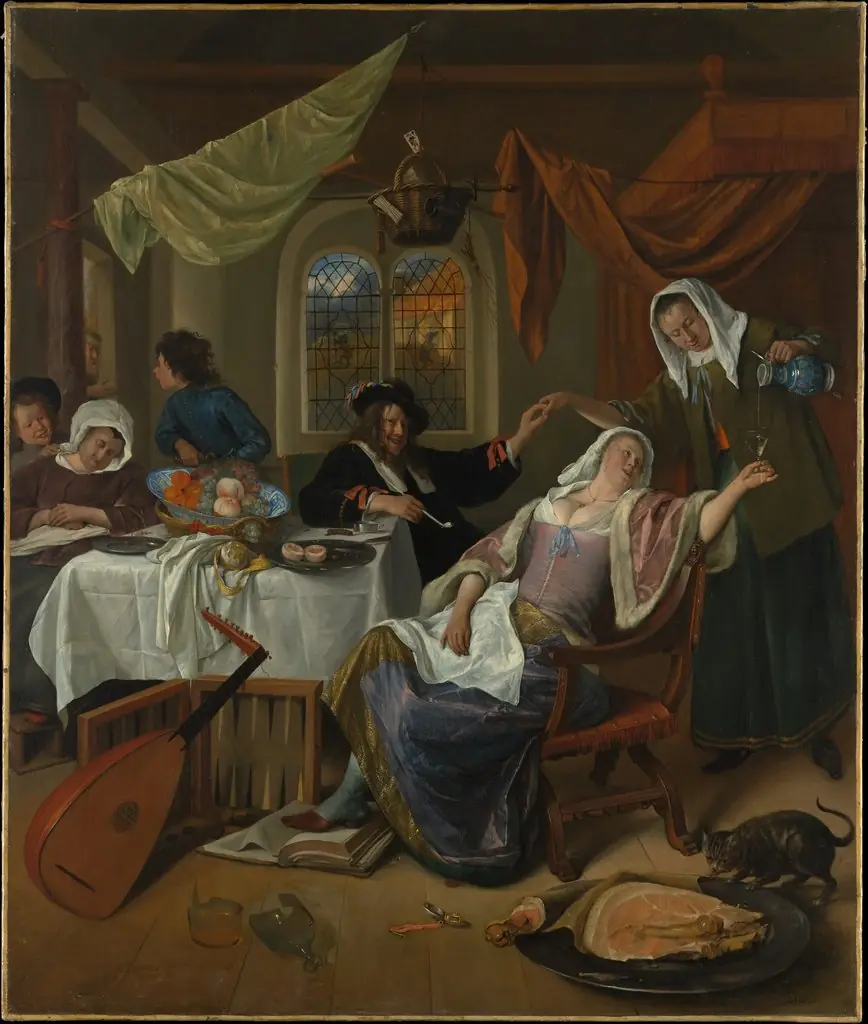 The Dissolute Household
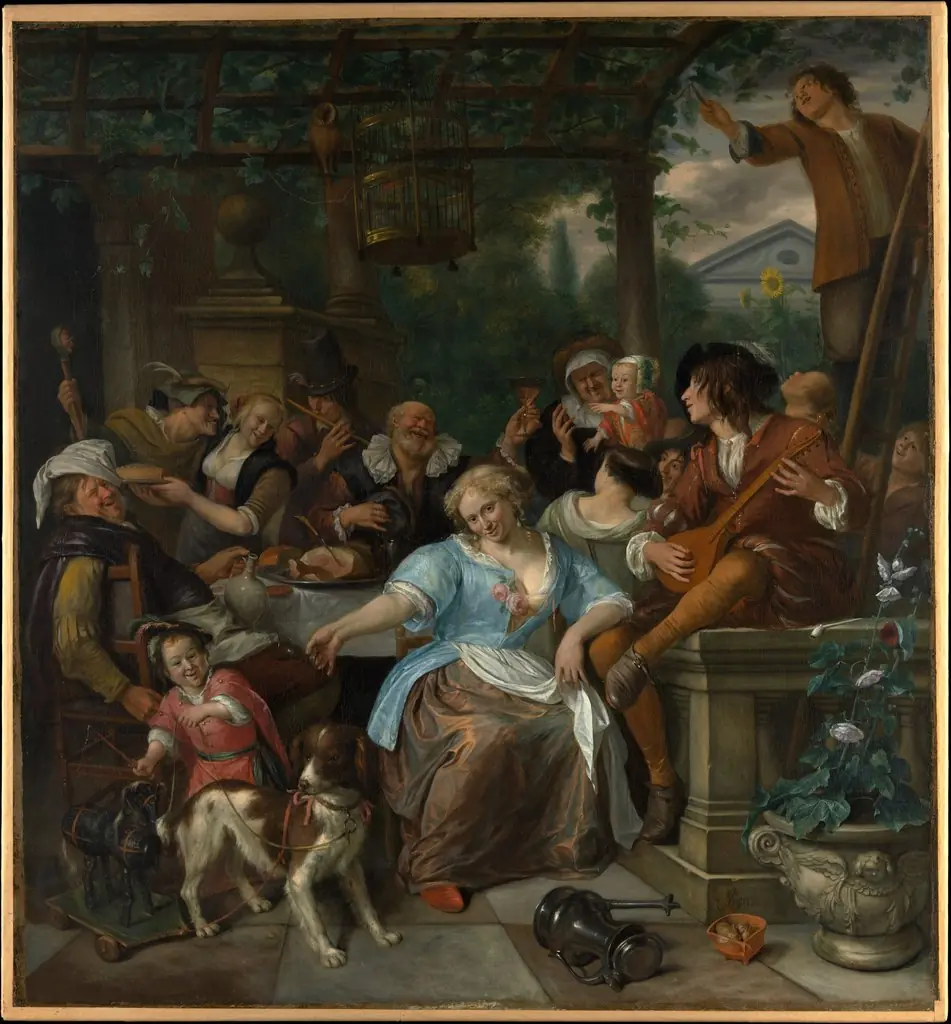 Merry Company on a Terrace
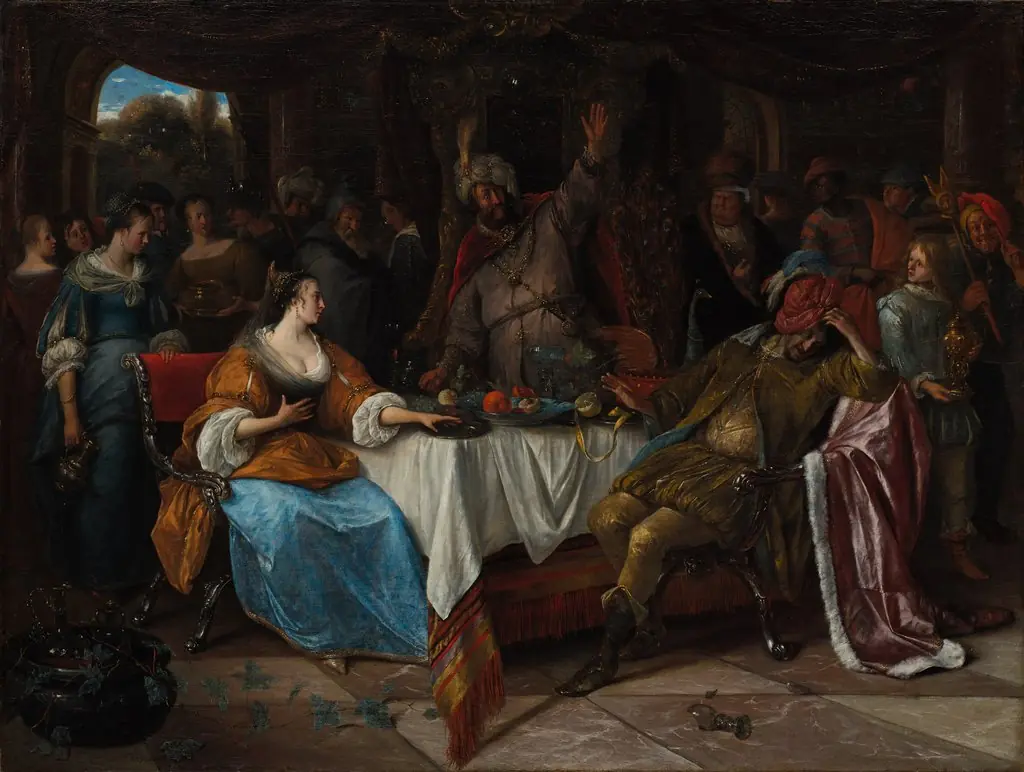 Esther, Ahasuerus, and Haman
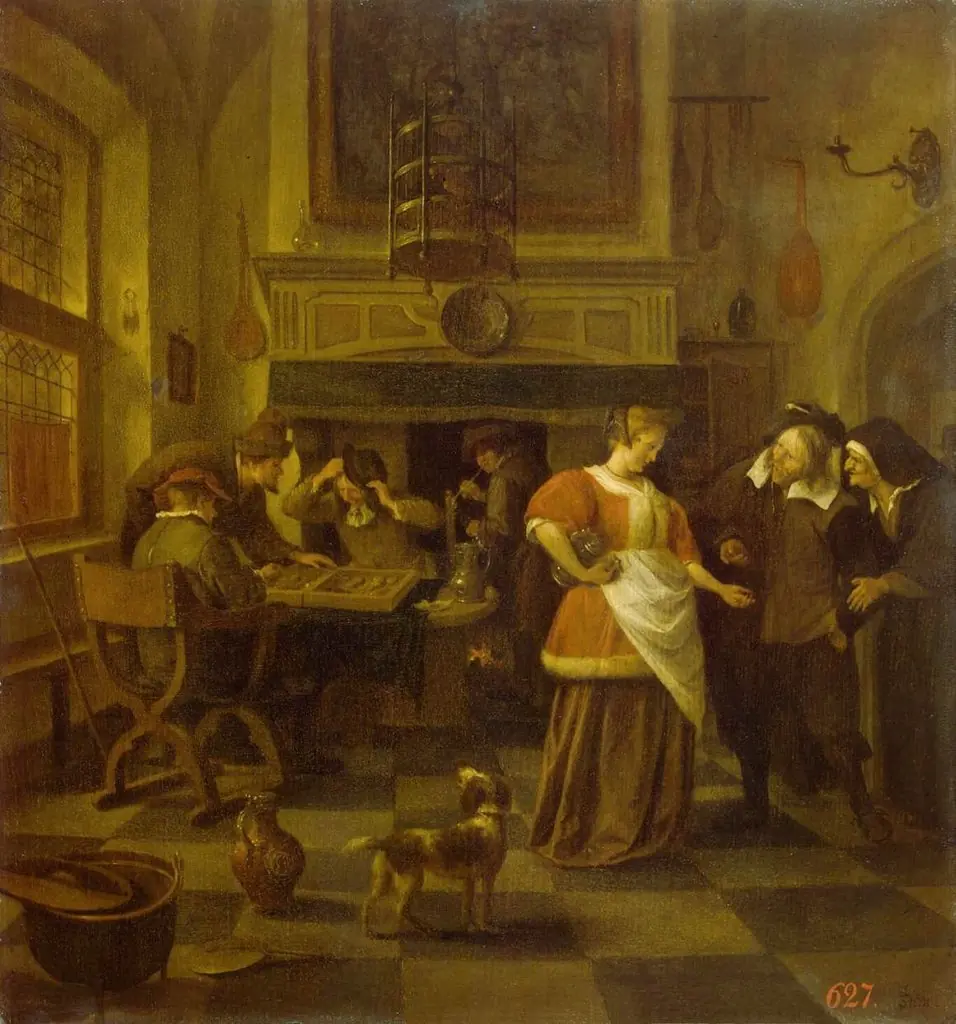
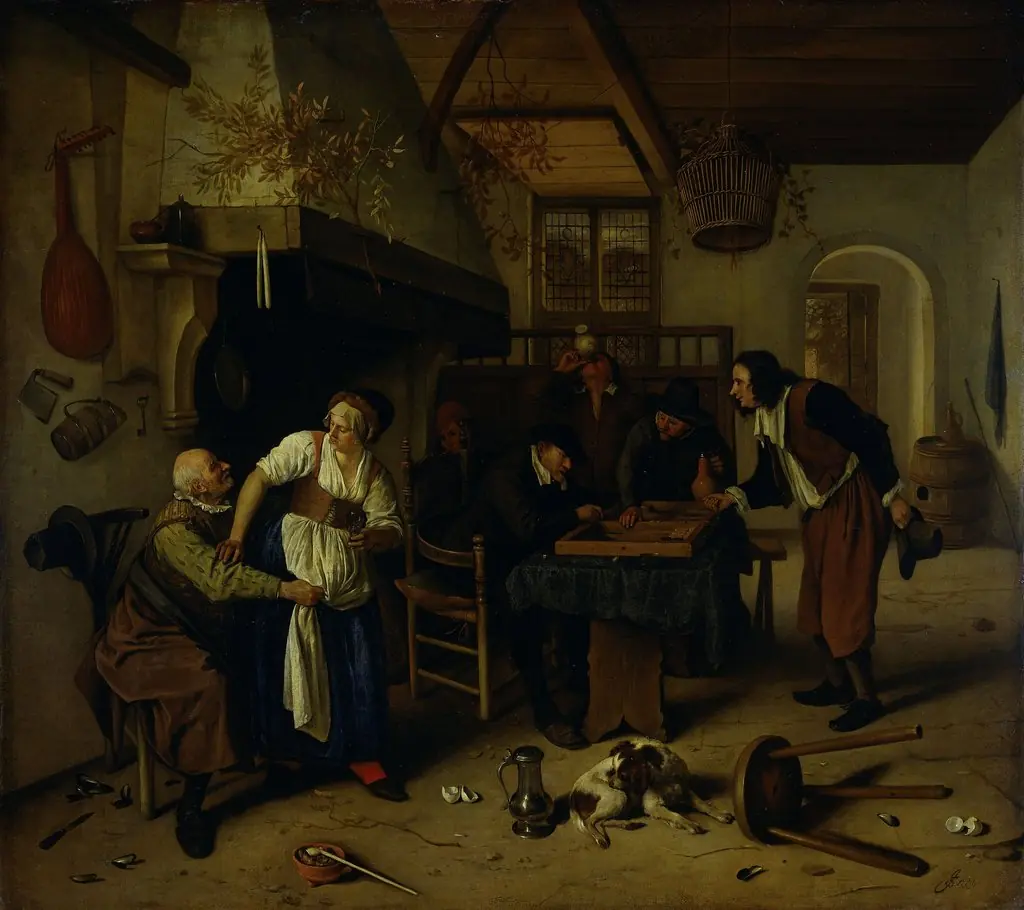 Interior of an inn with an old man amusing himself with the landlady and two men playing backgammon, known as 'Two kinds of games'
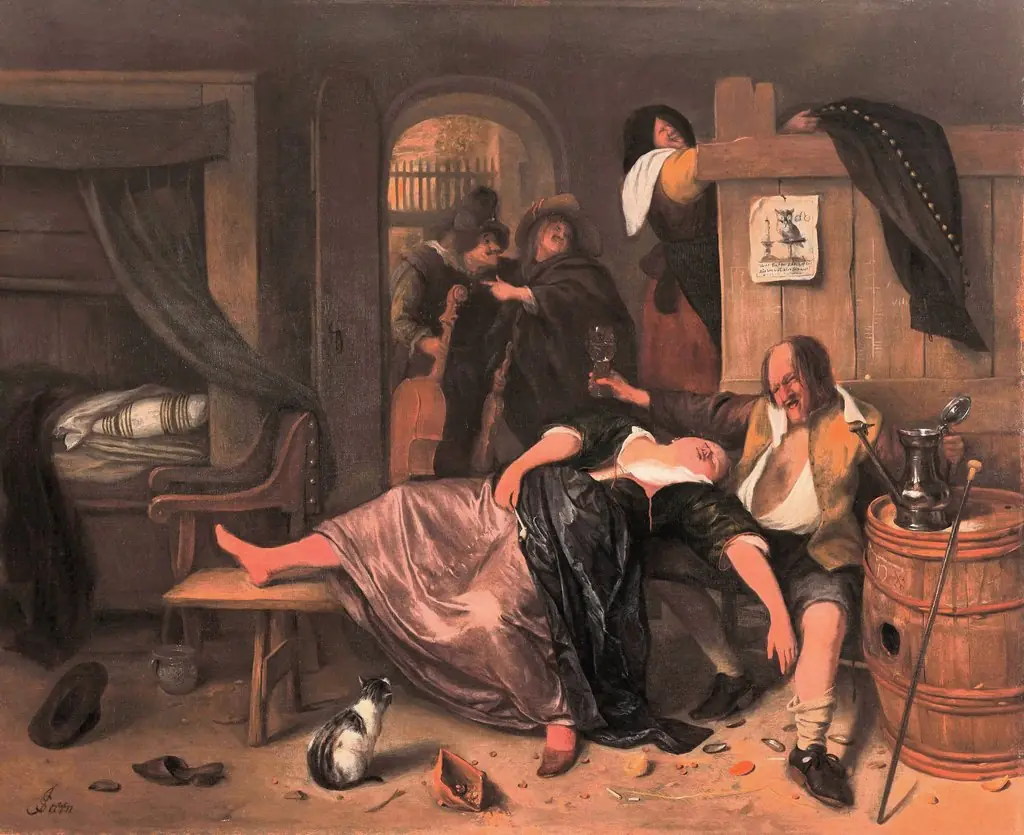 The Drunken Couple
 The Happy Family
 Bathsheba after the Bath